
Main Courses
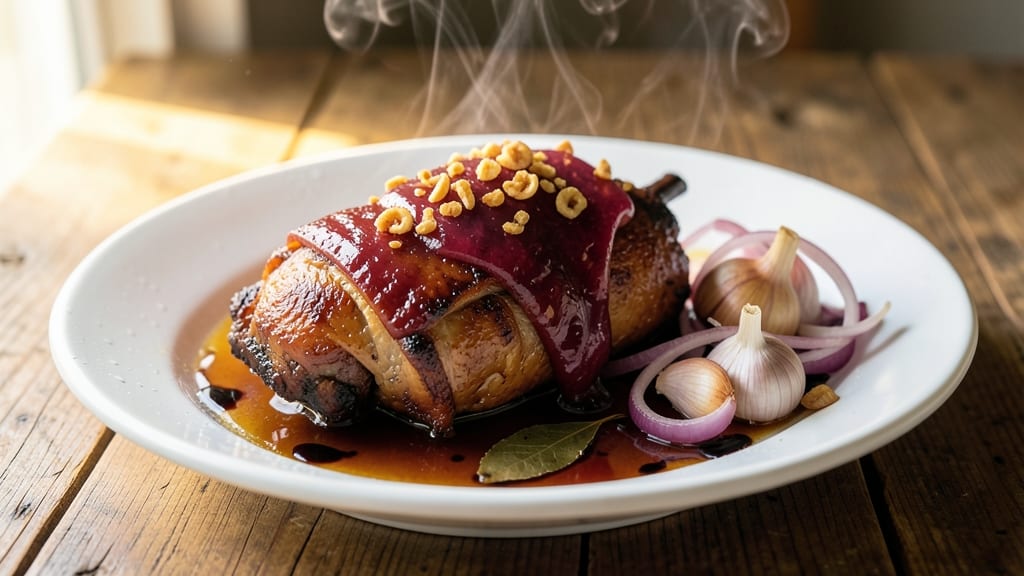
This pork pata humba recipe with pineapple juice transforms tough pork hock into melt-in-your-mouth tenderness through a sweet-savory simmer. The secret? Pineapple juice tenderizes while balancing the rich, caramelized flavors that define this Filipino classic—no shortcuts, just time and patience doing the work.
I first discovered this dish at a local Filipino restaurant in Boston, where the aroma of slow-cooked pork and pineapple filled the air, making me crave it every time I walked by.
The beauty of this recipe lies in its simplicity: just a few key ingredients—pork hock, pineapple juice, soy sauce, and spices—simmered together until the meat falls apart.
The pineapple juice isn’t just for flavor; it’s the star that breaks down collagen, turning tough cuts into something so tender, you’ll forget it was ever anything but delicate. The slow cook ensures deep, complex flavors develop, while the caramelized edges add a satisfying contrast.
By the time you’re done, you’ll have juicy, fork-tender pork swimming in a glossy, slightly sweet sauce that’s perfect over steamed rice or paired with atchara for a tangy kick.
The dish is hearty enough for a family dinner but elegant enough for a special occasion—proof that the best meals often require the most patience. Here’s how to make it right.
This recipe delivers on two promises: tender meat that practically melts and a sauce so flavorful, it’ll have everyone asking for seconds. The pineapple juice isn’t just a garnish—it’s the backbone of the dish, cutting through the richness while keeping every bite moist and satisfying.
Trust me, once you try it, you’ll never go back to dry, overcooked pork again.
Ingredients for pork pata humba recipe with pineapple juice
Pork hock, pineapple juice, and slow simmering transform tough meat into melt-in-your-mouth perfection.
| Ingredient | Amount | Notes |
|---|---|---|
| Pork Hock 🍖 | 2 lb | Bone-in for maximum flavor |
| Pineapple Juice 🍍 | 1 ½ cups | Freshly squeezed, no pulp |
| Soy Sauce 🍶 | ½ cup | Dark soy for color depth |
| Garlic Cloves 🧄 | 6 cloves | Minced for aromatic base |
| Onion 🧅 | 1 whole | Yellow, sliced into half-moons |
| Bay Leaves 🌿 | 2 whole | Fresh for authentic flavor |
| Black Peppercorns 🌶️ | 1 tsp | Crushed for subtle heat |
| Brown Sugar 🍚 | ¼ cup | Light or dark variety |
| White Vinegar 🍶 | 1 tbsp | For tangy balance |
| Water 💧 | 2 cups | For simmering liquid |
| Olive Oil 🫒 | 2 tbsp | For initial searing |
| Salt 🧂 | 1 ½ tsp | Kosher or sea salt |
The pork hock is non-negotiable here—its collagen-rich connective tissue breaks down beautifully with slow cooking. Look for bone-in cuts at your local butcher or well-stocked grocery store like Whole Foods or Trader Joe's. The bones add depth to the sauce, so don't skip them if you can find them. Fresh pineapple juice is ideal, but canned pineapple juice (like Del Monte) works in a pinch—just stir it well before using. For the soy sauce, Lee Kum Kee dark soy sauce is my go-to for that signature caramelized color, but any dark soy will do.
No fresh pineapple juice? Coconut water or even extra pineapple chunks (strained) can work, though the texture will differ slightly. Running out of brown sugar? Honey or maple syrup at the same amount will keep the sweetness balanced. The garlic and onion are your aromatic base—don't skip mincing them finely, as this is where the flavor really develops. For extra depth, toast the garlic in olive oil for 30 seconds before adding it to the pot. The bay leaves can be dried if fresh aren't available, but fresh adds a more complex aroma that really elevates the dish.
This dish tastes even better the next day as the flavors meld together. Store leftovers in the fridge for up to 5 days, or freeze for 3 months—the sauce will thicken slightly when reheated, so add a splash of water if needed. For serving, pair with steamed white rice and a side of atchara (Filipino pickled papaya) for that authentic tangy kick. The pork will be so tender it practically falls apart, making it perfect for sandwiches or serving over noodles if you're feeling adventurous.
Why You'll Love This Recipe
- Simmered in Minutes: I swear, this dish comes together faster than takeout—just sear the pork hock, toss in chopped onion and garlic, then let the pineapple juice and soy sauce work their magic while you do the dishes. No fancy techniques, just hands-off tenderness.
- Sweet-Savory Magic: That first sip of the sauce—tart pineapple cutting through the deep umami of soy and pork—is what makes this dish dangerously addictive. The slow cook turns tough cuts into melt-in-your-mouth perfection, and the garlic? Oh, it’s there.
- Leftovers for Days: Between us, this recipe makes more than you’ll eat in one sitting, and honestly, the second day is even better. The flavors deepen, the pork gets more tender, and reheating it is just dump-and-stir simple. My freezer’s always stocked with portions.
- Budget-Friendly Feast: Pork hock is a steal, and a single jar of pineapple juice stretches across multiple meals. Here’s the kicker: you’re feeding a crowd for less than half the cost of restaurant-style braised pork. Plus, the leftovers stretch into lunches or quick stir-fries.
Step-by-step instructions for pork pata humba with pineapple juice
This sweet-savory braise delivers melt-in-your-mouth pork that's both tender and juicy every time.
Sear the Pork Hock for Deep Flavor
Heat a heavy Dutch oven over medium-high heat until hot. Add the 2 tablespoons olive oil and swirl to coat. Place the 2 lb pork hock fat-side down and sear undisturbed for 8-10 minutes until the fat renders and the skin develops a deep golden-brown crust. Flip and sear the other side for another 6-8 minutes—this step builds the foundation for rich flavor.
While searing, I like to press down gently on the pork with a spatula to prevent curling. The goal is even browning that will later infuse into the braising liquid. Once properly seared on all sides, transfer the pork to a plate and set aside—don't skip this resting period, as it prevents the meat from releasing juices too quickly during cooking.
Build the Aromatic Base
In the same Dutch oven, reduce heat to medium and add the 1 whole onion sliced into half-moons. Cook for 5 minutes until softened and beginning to caramelize. Add the 6 cloves garlic cloves (minced) and 1 teaspoon crushed black peppercorns, stirring constantly for 30 seconds until fragrant—you should smell that sweet garlic aroma wafting through your kitchen.
Add the 1.5 teaspoons salt and 2 whole bay leaves, stirring to combine. This aromatic base forms the flavor foundation that will permeate the pork during the long braise. The bay leaves add earthy depth while the salt enhances all the other flavors. Let this mixture cook for another 2 minutes to fully meld before moving to the next step.
Combine Liquids and Simmer Gently
Pour in the 1.5 cups pineapple juice, 0.5 cup soy sauce, 1 tablespoon white vinegar, and 2 cups water. Stir well to deglaze the pan, scraping up any browned bits from the bottom—these contain concentrated flavor. Add the 0.25 cup brown sugar and bring the mixture to a gentle simmer over medium-low heat.
Here's where patience pays off: return the seared pork hock to the pot, fat-side up. The rendered fat will slowly baste the meat as it simmers. Partially cover the pot and maintain a gentle simmer (small bubbles occasionally breaking the surface) for 2 hours. The liquid should reduce by about half, creating a thick, glossy sauce that clings beautifully to the pork.
Finish and Rest for Maximum Tenderness
After 2 hours, check the pork's tenderness by inserting a fork into the thickest part. It should slide in easily with no resistance. If not quite tender enough, continue simmering uncovered for another 30-45 minutes, adding 1-2 tablespoons water if the sauce becomes too thick. The pork is done when it's fork-tender with just a slight resistance.
Remove the pork from the pot and let it rest on a cutting board for 10-15 minutes before slicing. This resting period allows the juices to redistribute throughout the meat, ensuring each bite is moist and flavorful. Discard the bay leaves before serving, as they can be too strong when chewed. The resulting sauce should be rich, slightly sweet, and perfectly balanced with tangy and savory notes.
Pro Tips For Making Pork Pata Humba Recipe With Pineapple Juice
- Sear the Pork First: I learned this the hard way—skipping the sear means flavor hiding in the sauce instead of clinging to the meat. Brown the pork hock in a hot pan with oil until deep golden before simmering; that crust locks in juices and balances the sweet-tart pineapple.
- Use Fresh Pineapple Juice: Canned juice works, but fresh pineapple juice cuts through the pork’s richness better. If you’re short on time, blend frozen pineapple chunks with water—just strain out the pulp to avoid a gluey sauce. (Yes, even if you’re impatient like me.)
- Simmer Low and Slow: The pork hock needs at least 2 hours of gentle simmering, or it’ll turn out chewy instead of falling-off-the-bone tender. Cover the pot for the first hour to trap steam, then uncover—this prevents the sauce from turning bitter.
- Balance the Soy Sauce: Too much soy sauce makes the dish taste salty, not savory. Start with 2 tablespoons, then adjust after tasting the sauce. If using dark soy, reduce by half—it’s saltier and packs more color. (Your future self will thank you.)
Wine and beer pairings for this dish
Filipino-Inspired Whites
For this dish, I love pairing with crisp, aromatic whites that cut through the richness of the pork while complementing the pineapple's sweetness. A Filipino-style white wine like Lambrusco (yes, it's red, but its fruity notes work!) or a Pinot Grigio from Italy's Alto Adige region provides the perfect balance.
The acidity in these wines helps cleanse your palate between bites of tender pork, while their subtle fruitiness echoes the pineapple in the sauce. 🍷
Light-Bodied Reds
If you prefer red, opt for something light and fruity like a Beaujolais or Chianti. These wines have enough acidity to stand up to the sweet-savory sauce without overpowering it.
I often reach for a Chianti Classico from Tuscany—its bright cherry notes and earthy undertones pair beautifully with the caramelized pork. The tannins in these wines also help balance the richness of the dish.
Craft Beer Pairings
For beer lovers, a hazy IPA with tropical fruit notes (like New England-style IPAs) mirrors the pineapple in the recipe. Look for beers with mango or citrus undertones—they'll complement the dish's sweetness perfectly.
Alternatively, a Belgian witbier with its coriander and orange peel notes adds a refreshing contrast to the rich pork. I've had great luck with Allagash White or Hoegaarden for this dish. 🍺
Non-Alcoholic Options
Don't drink alcohol? No problem! A sparkling pineapple soda like Jones Soda (with its natural fruit flavors) or a ginger beer with a squeeze of lime works beautifully.
For something more sophisticated, try a sparkling water with lime and a splash of pineapple juice—it keeps the refreshing, citrusy notes that pair so well with the dish. The carbonation also helps cut through the richness of the pork.
Regional Filipino Pairings
In the Philippines, this dish is often paired with calamansi juice (a tart citrus similar to lime) or tsokolate (Filipino hot chocolate) for dessert. While these aren't traditional pairings with the wine or beer, they're worth noting if you're serving this dish at a Filipino feast.
For a more Western approach, stick with the wines and beers mentioned above—they'll elevate the dish without overpowering its natural flavors.
Nutrition facts
Frequently asked questions
Can I substitute pork hock with another cut of pork?
While pork hock is traditional, you can use bone-in pork shoulder or pork belly as alternatives. These cuts have good fat content that renders beautifully during cooking. Just note that pork belly may require 5-10 extra minutes of simmering to achieve the same tenderness. Avoid lean cuts like pork loin, as they lack the collagen needed for this dish's signature melt-in-your-mouth texture.
What if I don't have fresh pineapple juice?
No problem! Use coconut water (same amount) for a similar mild sweetness, or strain pineapple chunks from a can (about 1 cup juice from 2 cups chunks). For a tangier option, swap 1/4 cup of the pineapple juice with white vinegar—this enhances the dish's depth. The key is maintaining the 1.5 cups total liquid for proper braising.
How do I know when the pork is tender enough?
Use the fork test: Insert a fork into the thickest part of the pork. If it slides in easily with no resistance, it's done. For extra assurance, check the internal temperature—it should reach 195°F (collagen breaks down at this temp). The sauce should also thicken noticeably, coating the back of a spoon. If in doubt, simmer 15 more minutes uncovered to prevent over-browning.
Can I make this recipe in a slow cooker?
Brown the pork first in a skillet, then transfer everything (including sauce) to your slow cooker. Cook on low for 8 hours or high for 5 hours. The slow cooker's gentle heat works perfectly for breaking down collagen. Just add 1/2 cup water if the sauce gets too thick during cooking. The pork will be even more tender than stovetop!
What's the best way to serve leftover pork pata humba?
Leftover pork is even better the next day! Serve it in steamed rice bowls with extra sauce spooned on top, or slice thinly for Filipino-style pork sandwiches with atchara (pickled papaya) and lettuce. For a quick meal, chop the pork and mix it with rice for a flavorful fried rice. The sauce also makes an excellent base for noodle dishes—just add cooked noodles and a beaten egg for a one-pan meal.