
Desserts
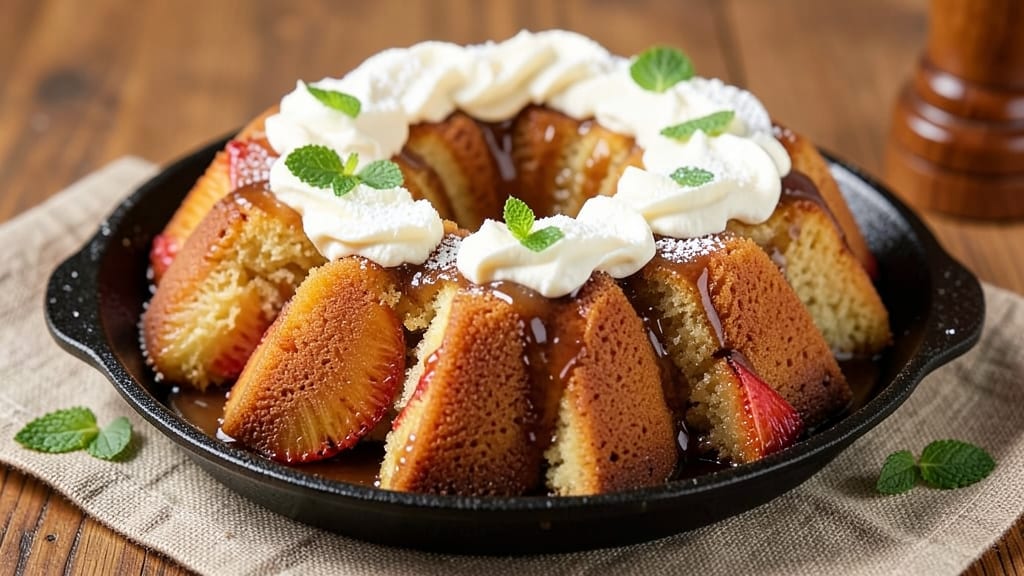
Paula Deen's pineapple upside-down cake delivers that perfect Southern charm—caramelized pineapple rings, a buttery, crackly crust, and moist vanilla cake in every bite. This recipe captures the soul of home baking with Paula's signature touch of brown sugar and rich butter that makes every layer irresistible.
The secret lies in the slow caramelization of the fruit, creating a sweet, sticky contrast to the tender cake beneath.
The magic starts with a thin, golden crust baked first, then topped with pineapple slices arranged in a ring before pouring the cake batter. This technique ensures the fruit stays juicy while absorbing the cake's flavors, creating a dessert that's both visually stunning and deliciously complex.
Paula Deen's method simplifies what might seem tricky—no flipping required, just patience and precision.
What you'll end up with is a cake that looks like a work of art: glazed pineapple halves peeking through a lattice of golden crust, all topped with a dusting of powdered sugar. The aroma alone—warm brown sugar, buttery crust, and tropical pineapple—will have everyone gathered around the table.
This is the kind of dessert that feels like a hug, perfect for holidays, family dinners, or whenever you crave a taste of Southern comfort.
The best part? It's easier than it looks. With just a few key steps—layering the pineapple, baking the crust, and pouring the batter—you'll achieve restaurant-quality results at home. Let's get baking!
Ingredients for paula deen pineapple upside down cake
Southern charm meets tropical sweetness—just 12 ingredients for Paula Deen’s showstopper cake.
| Ingredient | Amount | Notes |
|---|---|---|
| Fresh Pineapple 🍍 | 1 whole | Cored, sliced into 8 rings (1/2-inch thick) |
| All-Purpose Flour 🌾 | 2 cups | Sifted, for crust and cake |
| Unsalted Butter 🧈 | 1 cup | Cold, cubed (2 sticks) |
| Light Brown Sugar 🍚 | 1 ½ cups | Packed, for crust and cake |
| Granulated Sugar 🍚 | 1 ½ cups | For cake batter |
| Large Eggs 🥚 | 4 whole | Room temperature |
| Vanilla Extract 🌿 | 2 tsp | Pure, for cake batter |
| Baking Powder 🍞 | 2 tsp | For cake leavening |
| Salt 🧂 | ½ tsp | Fine sea salt |
| Powdered Sugar 🍚 | ½ cup | For dusting |
| Heavy Cream 🥛 | ¼ cup | Optional, for pineapple glaze |
| Lemon Juice 🍋 | 1 tbsp | Fresh, for pineapple glaze |
The pineapple is the star, so grab a fresh whole pineapple from the store—none of that pre-cut stuff. Look for one that's yellow with red blush and heavy for its size. I always buy the Queen variety at Whole Foods or Trader Joe's—it's sweeter and holds its shape better. Slice it into thick rings (about 1/2-inch) and arrange them in a perfect circle in your pan. The crust? Cold butter and brown sugar are non-negotiable—Paula Deen's signature touch. Use light brown sugar for that caramelized depth, and don't skip the sifting on the flour. Trust me, it makes all the difference in that crackly crust.
No fresh pineapple? Pre-cut rings from a can work in a pinch (drain well), but they won't caramelize the same way. Running short on butter? Coconut oil is a decent swap (same amount), but it won't taste quite as rich. The cake batter calls for room-temperature eggs—cold eggs make the batter lumpy. For the glaze, if you skip the heavy cream, extra vanilla extract (1 extra tsp) adds depth. And if you're feeling fancy, toss the pineapple slices in 1 tbsp granulated sugar before baking—they'll get even stickier and sweeter. The powdered sugar? Confectioners' sugar is a must—it dissolves smoothly for that classic dusting.
This cake tastes even better the next day, so bake it ahead if you can. Store it covered at room temperature for up to 3 days, or freeze the whole cake (unfrosted) for up to 3 months. To serve, flip it onto a plate right before guests arrive—it's a showstopper! For leftovers, slice and reheat 10 seconds in the microwave (cover with a damp paper towel to keep it moist). And if you make extra crust mix? Double it and use it for pie crusts—it's that good.
Why You'll Love This Recipe
- Minimal Chopping Required: I swear by that pre-cut pineapple ring from the grocery store—no knife skills needed. The brown sugar butter topping melts into a sticky, caramelized crust that takes zero effort to spread, and honestly? Your hands will thank you after mixing the batter.
- Buttery-Caramel Magic: That light brown sugar and butter combo? It’s where this cake gets its soul. The pineapple caramelizes just enough to balance the sweetness, while the cake stays tender—like a hug in dessert form. (Yes, I ate a slice straight from the pan.)
- Weekend Brunch Star: Serve it warm with vanilla ice cream for a crowd-pleaser that feels fancy but costs less than takeout. I’ve brought this to potlucks, and no one ever guesses how little work went into it—until I tell them.
- Leftovers That Last: Slice it the next day, toast it briefly, and suddenly you’ve got a breakfast treat. The cake holds up better than most, and the pineapple stays juicy—no sad, dry crumbs here. My secret weapon for lazy mornings.
Step-by-step instructions for Paula Deen's pineapple upside down cake
Here's how to create that iconic caramelized pineapple and buttery crust everyone loves.
Prepare the Pineapple and Crust
Preheat your oven to 350°F. Peel and core the pineapple, then slice it into 8 rings that are ½-inch thick. Arrange them in a single layer in a 9-inch cast iron skillet (or oven-safe cake pan), leaving about ½-inch space between each ring. This creates that beautiful pattern when flipped.
In a small bowl, combine ½ cup of the light brown sugar with 1 tablespoon lemon juice. Pour this mixture evenly over the pineapple rings. The acid in the lemon juice will help caramelize the pineapple and balance its sweetness. Let this sit while you prepare the crust.
For the crust, mix together 1 cup unsalted butter (cold, cubed), 1 cup of the remaining light brown sugar, and ½ teaspoon salt in a food processor. Pulse until the mixture resembles coarse crumbs with pea-sized butter pieces. Press this evenly over the pineapple rings, creating a ¼-inch thick layer on top. The butter will melt and create that signature crispy crust.
Make the Cake Batter
In a large mixing bowl, whisk together 2 cups all-purpose flour, 1½ cups granulated sugar, 2 teaspoons baking powder, and the remaining ½ teaspoon salt. This dry mixture will form the base of your cake.
In a separate bowl, beat the 4 large eggs (room temperature) until they're light and slightly frothy. Add 2 teaspoons vanilla extract and mix until combined. Gradually pour the dry ingredients into the wet, mixing on low speed until just combined. Don't overmix—you want a smooth, thick batter with no lumps. The batter should be thick enough to hold its shape when dropped from a spoon.
Assemble and Bake
Pour the cake batter over the crust and pineapple in the skillet, spreading it evenly so it covers everything completely. The batter should come about ¾ of the way up the sides of the skillet. Tap the skillet gently on the counter a few times to release any air bubbles.
Bake for 40-45 minutes until the top is golden brown and a toothpick inserted in the center comes out clean. The pineapple should be caramelized and bubbling, with the crust looking crisp and golden. If the top browns too quickly, tent the skillet loosely with aluminum foil.
Finish and Serve
Remove the cake from the oven and let it cool in the skillet for 10 minutes. This resting period allows the cake to set slightly and makes it easier to flip. Meanwhile, prepare the optional glaze by mixing ½ cup powdered sugar with ¼ cup heavy cream until smooth. This glaze adds a beautiful finish and balances the richness of the cake.
Place a large serving platter over the skillet and, using oven mitts, carefully invert the cake onto the platter. The pineapple should now be on top, caramelized and glistening. Drizzle the glaze over the pineapple rings and serve warm. The contrast of the warm, buttery cake with the cool, caramelized pineapple is what makes this dessert truly special.
Pro Tips For Making Paula Deen Pineapple Upside Down Cake
- Caramelize the Butter First: Melt that butter slowly over medium heat until it’s a rich, golden amber—this adds depth to the cake’s flavor before you even mix in the sugars. I used to rush it, and the cake always tasted flat; patience here makes a real difference.
- Core the Pineapple Right: Cut the pineapple thick (about ½-inch slices) and remove the core with a sharp knife—leave the rind intact to hold the shape. Thin slices turn to mush when baked, and no one wants a soggy bottom.
- Skip the Overmixing: Fold the batter just until combined—lumpy is fine. Overmixing develops gluten, and this cake’s magic is in its tender crumb, not its structure. I’ve ruined batches by turning it into a dense wall.
- Bake Until Golden, Not Just Set: Pull the cake when the edges are deep golden and a toothpick comes out with a few moist crumbs—not wet batter. Overbaking dries it out, and underbaking leaves it gummy. Trust your eyes, not the clock.
Common mistakes when making this recipe
Overmixing the Batter
I’ve seen so many cakes turn out dense and tough because the batter was overmixed. This recipe calls for a thick, slightly lumpy batter—mix just until combined to avoid developing gluten that makes the cake dense.
Use a spatula to gently fold the dry ingredients into the wet ones. Overmixing also incorporates too much air, which can cause the cake to sink or develop a coarse texture. 🥄
Skipping the Resting Time
Rushing to flip the cake right after baking is a common mistake. The cake needs to rest in the skillet for 10 minutes to firm up slightly—this makes flipping much easier and prevents the cake from falling apart.
If you skip this step, you risk the cake collapsing or the pineapple sticking to the pan. Patience here is key!
Uneven Crust Thickness
The crust’s magic comes from its ¼-inch thickness and even distribution. Pressing it too thin in spots will leave gaps where the cake batter seeps through, while thick patches can burn before the cake is done.
Use a light hand when pressing the crust mix—it should be firm but not packed down like pie dough. A rolling pin helps smooth it out evenly.
Using Cold Eggs
Cold eggs can create lumps in the batter and cause the cake to rise unevenly. Always use room-temperature eggs (let them sit out for 30 minutes before mixing). Cold eggs also slow down the baking process, leading to a cake that’s underdone or gummy in the center.
Pro tip: Place them in warm water for 5 minutes if you’re in a hurry.
Overcrowding the Pineapple
Pineapple rings need space to caramelize properly. If you pack them too tightly, they’ll steam instead of brown, and the crust won’t crisp as well. Leave ½-inch gaps between each ring—this creates the iconic "window" effect when flipped.
Think of it like arranging flowers in a vase: even spacing makes all the difference. 🍍
Baking Without Tenting
If your oven runs hot, the top of the cake can brown too quickly before the center is done. To prevent this, loosely tent the skillet with aluminum foil after 20 minutes if the edges are browning too fast.
This keeps the cake moist while allowing the pineapple to caramelize. Just don’t seal it completely—you want some airflow for that crispy crust.
Nutrition facts
Frequently asked questions
Can I use canned pineapple instead of fresh?
Yes, but with adjustments! Drain well and pat dry the canned rings to prevent excess moisture. Toss them in 1 tbsp granulated sugar before baking for better caramelization. Fresh pineapple gives the best texture, but canned works in a pinch—just expect slightly less caramelized flavor.
What if my crust isn't crispy enough?
Crispiness comes from cold butter and proper baking. If yours isn't set, try baking the crust alone for 5 minutes before adding pineapple and batter. Also ensure your oven is at 350°F—hotter temps can melt butter too quickly, while cooler temps prevent proper crisping.
How do I make this gluten-free?
Swap the all-purpose flour for a 1:1 gluten-free baking flour blend (like Bob's Red Mill). Add ½ tsp xanthan gum to help bind the batter. The crust may be slightly crumbly, but the flavor stays rich. Test with an extra 1 tbsp flour if needed for structure.
Can I bake this in a regular cake pan instead of cast iron?
Use a 9-inch oven-safe cake pan with a removable bottom. Grease it well to prevent sticking. Cast iron conducts heat better, but a metal cake pan works fine. Just watch the edges—they may brown faster than the center.
Why did my cake sink in the middle?
Overmixing or underbaking usually causes this. Ensure your batter is thick (like pancake batter) and bake until a toothpick comes out clean. Also check your oven temperature—many home ovens run 25°F hotter or cooler** than set. Use an oven thermometer for accuracy!