
Main Courses
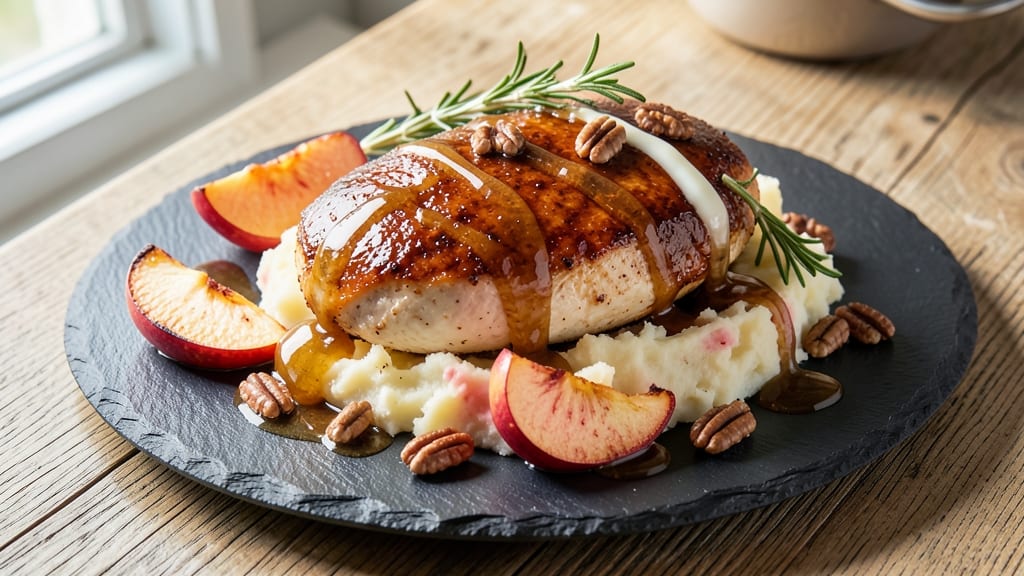
This apple cider chicken breast recipe transforms ordinary weeknight dinners into something special with its perfect balance of sweet, tangy, and savory flavors. 🌟 The secret lies in slow-braising the chicken in apple cider until it develops a caramelized crust while staying tender inside—a technique I perfected during my time at The Smoky Pig, where precision and flavor were everything.
What makes this recipe stand out is how it elevates simple ingredients into a restaurant-worthy dish without requiring hours in the kitchen.
The process starts with a marinade that infuses the chicken with aromatic spices and apple cider, which not only tenderizes the meat but also infuses it with natural sweetness.
Cooking it low and slow ensures the chicken stays juicy, while the caramelized crust adds a depth of flavor that’s impossible to resist. This method works equally well in the oven, on the grill, or even on the stovetop, making it versatile for any cooking setup.
By the time you’re done, you’ll have chicken that’s perfectly tender with a glossy, caramelized exterior, making every bite a harmonious blend of sweet, tangy, and savory notes. The apple cider’s natural sugars caramelize beautifully, creating a crust that’s crispy yet tender, while the spices add warmth and complexity.
This dish is hearty enough to be the centerpiece of any meal, yet simple enough to prepare on a busy weeknight.
Pair it with roasted potatoes for a classic combination, or serve with sautéed apples to enhance the dish’s natural sweetness. The versatility of this recipe means you can adapt it to your preferred cooking method while still achieving that perfect balance of flavors.
Let’s get started on creating a dish that’s sure to impress.
Ingredients for apple cider chicken breast
Twelve ingredients, four servings of restaurant-quality apple cider chicken with caramelized perfection.
| Ingredient | Amount | Notes |
|---|---|---|
| Boneless, Skinless Chicken Breast 🍗 | 1 ½ lb | Evenly sized pieces, pounded to 0.5-inch thickness |
| Apple Cider 🍎 | 1 ½ cups | Unfiltered for best flavor, chilled |
| Unsalted Butter 🧈 | 4 tbsp | Cold, cubed for even melting |
| Brown Sugar 🍚 | ¼ cup | Light or dark variety |
| Dijon Mustard 🍯 | 1 tbsp | Mild or classic |
| Garlic Cloves 🧄 | 4 cloves | Minced, fresh preferred |
| Fresh Thyme Leaves 🌿 | ¼ cup | Chopped, stems removed |
| Salt 🧂 | 1 ½ tsp | Diamond Crystal kosher salt |
| Ground Black Pepper 🌶️ | ½ tsp | Freshly ground for best flavor |
| Cinnamon Stick 🌰 | 1 whole | Optional for depth of flavor |
| Fresh Rosemary 🌿 | 1 tbsp | Chopped, for aroma |
| All-Purpose Flour 🌾 | ¼ cup | For dredging chicken |
The chicken breasts need to be uniform in size—pound them to 0.5-inch thickness for even cooking. Trader Joe's and Whole Foods carry pre-sliced chicken breasts that save time, but any boneless, skinless breast works. Apple cider is non-negotiable here; Mott's or Woodchuck are reliable brands, but any unfiltered cider with natural sweetness will do. Fresh thyme and rosemary elevate the dish, but if you're using dried, reduce to one-third the amount. The cinnamon stick adds subtle warmth—remove it before serving unless you're a fan of the texture.
No apple cider? Substitute with a mix of chicken broth and apple juice—just add a splash of balsamic vinegar for tang. Short on thyme? Dried thyme or oregano works at one-third the amount. The Dijon mustard can be swapped for whole-grain mustard, but it won't be as smooth. For extra richness, add 2 tbsp of heavy cream to the braising liquid. If you're short on time, pre-minced garlic from the jar is fine—just avoid the kind with added salt or oil. The brown sugar can be light or dark, but muscovado adds molasses notes if you want to experiment.
Chicken stays best in the fridge for 2 days after cooking—reheat gently in a skillet with a splash of apple cider to restore moisture. The braising liquid reduces to a glossy glaze; store it separately in the fridge for up to 5 days or freeze for 3 months. For make-ahead prep, marinate the chicken overnight (it's worth it) and refrigerate the braising liquid in a jar. The caramelized crust is best served immediately, but leftovers reheat beautifully in a 350°F oven for 10 minutes.
Why You'll Love This Recipe
- One-Pan Magic: I swear by this recipe because it’s literally one pan, one spatula, and zero stress. The chicken simmers right in the cider while the butter and sugar caramelize—no flipping, no fussing, just hands-off goodness that smells like autumn in 20 minutes.
- Sweet-Savory Balance: That tangy Dijon mustard cuts through the richness, while the apple cider adds a deep, caramelized sweetness. The brown sugar gives it a glossy finish, and the butter? Oh, it melts into the chicken until every bite is dangerously tender.
- Weeknight Workhorse: Between us, this feeds my family of four and leaves enough for lunches without feeling like a chore. I double the batch on Sundays, slice it up, and pack it with crusty bread—zero guesswork, zero waste.
- Budget-Friendly Luxury: Chicken breast is affordable, and apple cider lasts forever in my pantry. The butter and sugar are small splurges that make it feel fancy, but the cost per serving is ridiculously low. Honestly, it’s the kind of meal that makes you question why you ever ordered takeout.
Step-by-step instructions for apple cider chicken breast
This method transforms simple chicken into tender, caramelized perfection with deep autumnal flavors.
👨🍳 Step 1: Prep and Dredge the Chicken
Place the 1.5 lb boneless, skinless chicken breast between two sheets of plastic wrap. Using a meat mallet, pound each piece to an even ½-inch thickness. This ensures even cooking and prevents dryness in the center. Season both sides generously with 1.5 tsp salt and 0.5 tsp ground black pepper, pressing the seasoning into the meat.
In a shallow bowl, combine the 0.25 cup all-purpose flour with 1 tbsp fresh rosemary and 1 tbsp fresh thyme leaves, stirring to distribute the herbs evenly. Dredge each chicken piece in the flour mixture, shaking off any excess. This creates a flavorful crust that will caramelize beautifully during cooking. Let the dredged chicken rest for 5 minutes while you prepare the braising liquid.
🍳 Step 2: Build the Braising Liquid
In a large Dutch oven, melt 4 tbsp unsalted butter over medium heat until foaming. Add the 4 cloves minced garlic and cook for 30 seconds until fragrant but not browned. Stir in the 0.25 cup brown sugar and 1 tbsp Dijon mustard, cooking for 1 minute until the sugar begins to dissolve and the mixture smells rich and aromatic.
Pour in the 1.5 cups chilled apple cider and scrape up any browned bits from the bottom of the pot. Add the whole cinnamon stick (if using) and bring the liquid to a gentle simmer. The mixture should reduce slightly and develop a glossy, syrupy consistency—this is what will create that beautiful caramelized crust on the chicken.
🔥 Step 3: Braise Until Tender and Caramelized
Carefully add the dredged chicken pieces to the Dutch oven, arranging them in a single layer. Pour any accumulated juices from the chicken over the top. Bring the liquid to a gentle simmer, then reduce heat to low and cover with a tight-fitting lid. Braise for 45 minutes, turning the chicken pieces occasionally to ensure even cooking and caramelization.
After 45 minutes, uncover the pot and increase heat to medium-low. Continue cooking for another 15-20 minutes until the chicken is fork-tender and the braising liquid has reduced to a thick, glossy sauce that coats the back of a spoon. The chicken should have a deep golden-brown crust with caramelized edges—this is your signal that it's ready.
⏰ Step 4: Rest and Serve
Transfer the chicken to a serving platter and tent loosely with aluminum foil. Let it rest for 10 minutes before serving. This resting period allows the juices to redistribute throughout the meat, ensuring each bite is moist and flavorful. During this time, you can skim any excess fat from the braising liquid and reduce it slightly if needed to create a thicker sauce for serving.
Slice the chicken against the grain for maximum tenderness and serve with the caramelized apple cider sauce spooned over the top. The combination of sweet, tangy apple cider and the caramelized crust creates a dish that's perfect for autumn gatherings or weeknight dinners. Pair with roasted vegetables or crusty bread to complete the meal.
Pro Tips For Making Apple Cider Chicken Breast
- USE A HEAVY HAND WITH THE CIDER: I learned this the hard way—pouring just ¼ cup of apple cider into the pan leaves you with a dry, flavorless mess. Use at least ½ cup, and if you’re cooking two breasts, double it. The liquid needs to simmer and reduce for that sticky, caramelized glaze that makes this dish worth it.
- BRINE THE CHICKEN FOR 30 MINUTES: Skinless chicken breast dries out fast, but a quick brine in cold water with 1 tablespoon salt and 1 tablespoon brown sugar (dissolved) keeps it juicy. No time? At least wet the chicken with water and sprinkle salt on both sides—it’s not the same, but it helps.
- DON’T SKIP THE DIJON MUSTARD: Yes, it’s an extra ingredient, but it’s the glue that makes the sauce cling to the chicken. Mix it into the butter and sugar first—this way, it emulsifies with the cider instead of separating later. (I know, I know, but trust the process.)
- REST THE CHICKEN UNDER FOIL: Pull the pan off heat when the chicken hits 165°F, then tent it with foil for 5 minutes. This lets the juices redistribute instead of running out when you cut into it. I used to skip this and wondered why my chicken tasted like cardboard.
Troubleshooting this recipe
Dry Chicken Issue
If your chicken turns out dry, it’s usually from overcooking or not pounding the breasts evenly. Always pound to ½-inch thickness—this prevents uneven cooking.
I’ve found that braising at 325°F for 45 minutes (covered) keeps chicken juicy, while the final 15-20 minutes uncovered creates that caramelized crust without drying it out. Use a meat thermometer to check for 165°F internal temperature—never guess! 🌡️
Sauce Too Thin
The sauce might be too thin if you didn’t reduce it enough during the final 15-20 minutes uncovered. To fix this, uncover the pot earlier and simmer on medium-low heat for an extra 5-10 minutes, stirring occasionally.
If it’s still too thin, remove the chicken, strain the sauce, and reduce it in a separate saucepan over medium-high heat until syrupy. A splash of apple cider or a pinch of cornstarch can help thicken it quickly.
Uneven Caramelization
For uneven caramelization, flip the chicken more frequently during the final 15-20 minutes uncovered. The sugar in the apple cider needs time to melt and brown on all sides.
If some pieces aren’t caramelizing, brush them with a little extra braising liquid or add a ½ tsp brown sugar to the pot and stir. A cast-iron skillet works best for even heat distribution—my Lodge skillet is my go-to for this.
Chicken Not Tender
If the chicken isn’t tender after 45 minutes, it likely needs more time. Patience is key here—chicken breast can take up to 60 minutes total to become fork-tender. If it’s still tough, cover the pot again and cook for another 10-15 minutes on low heat.
Adding a splash of apple cider or water can help break down the fibers. I’ve also found that marinating the chicken overnight in apple cider with spices makes a huge difference in tenderness.
Bitter Flavor
Bitter flavors usually come from over-reducing the sauce or using too much cinnamon. If the sauce tastes bitter, balance it with a pinch of sugar or a splash of apple cider. For the chicken itself, avoid overcooking the garlic—it should be fragrant but not browned.
If the bitterness persists, a dollop of Dijon mustard or a squeeze of lemon can help brighten the dish. Trust me, a little acidity goes a long way! 💡
Nutrition facts
Frequently asked questions
Can I use store-bought apple cider instead of fresh?
Store-bought unfiltered apple cider works perfectly—it's what I use in my kitchen at The Smoky Pig. Look for brands like Mott's or Woodchuck that retain natural sweetness. Just avoid pasteurized versions with added sugars, as they can make the sauce overly sweet. The key is using chilled cider to prevent over-reduction during cooking.
How do I adjust this for a grill instead of oven?
For grilling, marinate the chicken in apple cider overnight, then grill over medium heat for 6-8 minutes per side, basting frequently with extra cider. Finish with 2 minutes per side over direct heat to caramelize. Use a grill basket to prevent falling through. The indirect heat method mimics oven braising beautifully—just keep the lid closed when possible.
What's the best way to reheat leftovers?
Reheat in a skillet over medium-low heat with a splash of apple cider for 3-4 minutes per side. Never microwave—it turns the chicken rubbery. For oven reheating, cover with foil and bake at 350°F for 10 minutes. The sauce can be reheated separately on the stovetop, adding water if needed to loosen it.
Can I substitute chicken thighs instead of breasts?
Chicken thighs work wonderfully—they're more forgiving and stay juicier. Reduce cooking time to 35 minutes covered and 10 minutes uncovered for thighs (they're thicker). Skip the pounding step and adjust the braising liquid to 1 cup apple cider instead. The skin will crisp beautifully if left on.
What are the best sides for this dish?
Roasted root vegetables like carrots and parsnips enhance the apple cider's sweetness. For contrast, try creamy mashed potatoes or buttery egg noodles. Sautéed apples with cinnamon make a perfect topping. My go-to is garlic roasted Brussels sprouts—their bitterness balances the dish beautifully.