
Main Courses
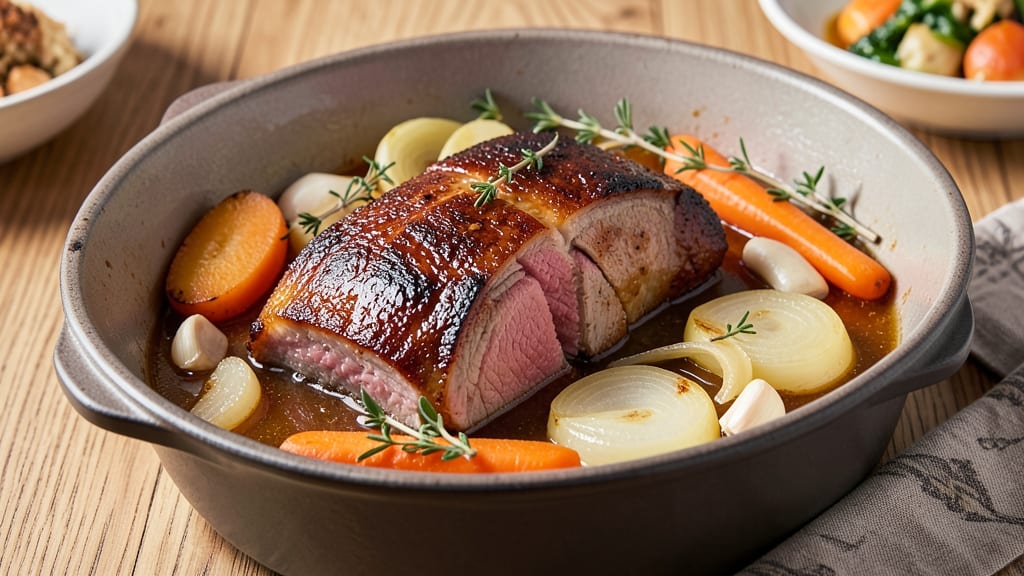
This apple cider braised pork recipe transforms tough cuts into melt-in-your-mouth perfection through a simple yet powerful technique. The slow braise with apple cider creates a rich, aromatic sauce that tenderizes the meat while balancing sweet and savory notes—something I perfected during my apprenticeship under Master Chef Chen.
What makes this dish truly special is how the cider's natural acidity and spices work together to elevate humble pork into something restaurant-worthy.
The process begins with searing the pork to develop deep, caramelized flavors, then simmering it low and slow until the meat falls apart effortlessly. This method ensures every bite is tender while the sauce thickens into a velvety consistency that coats each forkful.
The beauty of this recipe lies in its simplicity—just a few quality ingredients working in harmony to create a dish that feels both comforting and impressive.
By the time you serve this dish, you'll have perfectly braised pork with a sauce so rich it'll have everyone asking for seconds. The apple cider adds a subtle sweetness that pairs beautifully with the savory pork, while warming spices like cinnamon and cloves deepen the flavor profile.
It's the kind of meal that transforms a regular weeknight dinner into something memorable.
Serve with crusty bread to soak up every last bit of that aromatic sauce, or pair it with mashed potatoes for a classic comfort food experience.
The leftovers actually taste better the next day as the flavors continue to meld—making this an ideal recipe for meal prep or feeding a crowd. Let's get started on creating this showstopping centerpiece.
Ingredients for apple cider braised pork
The perfect balance of sweet apple cider and savory pork transforms simple ingredients into restaurant-quality comfort.
| Ingredient | Amount | Notes |
|---|---|---|
| Pork Shoulder 🥩 | 2 ½ lb | Bone-in, cut into 2-inch chunks |
| Apple Cider 🍎 | 2 cups | Unfiltered, preferably spiced |
| Yellow Onion 🧅 | 1 whole | Chopped into 1/2-inch pieces |
| Carrots 🥕 | 3 medium | Cut into 1-inch chunks |
| Garlic Cloves 🧄 | 4 cloves | Crushed for depth of flavor |
| Fresh Thyme 🌿 | ½ ounce | Stems removed, leaves chopped |
| Ground Black Pepper 🌶️ | 1 tsp | Freshly cracked for sharpness |
| Ground Cinnamon 🌶️ | 1 tsp | Warm and aromatic |
| Ground Cloves 🌶️ | ½ tsp | Use sparingly for depth |
| Olive Oil 🫒 | 2 tbsp | Extra-virgin for searing |
| All-Purpose Flour 🌾 | 1 tbsp | For dusting pork chunks |
| Salt 🧂 | 1 ½ tsp | Kosher or sea salt |
| Fresh Rosemary 🌿 | ¼ ounce | Sprigs for garnish |
The pork shoulder is the star here—bone-in cuts stay juicier during the long braise. Look for well-marbled pieces at your local butcher shop or the meat department at Whole Foods—they’ll often have pre-cut chunks ready for braising. If you’re using a whole shoulder, ask for it to be cut into 2-inch pieces before you leave. The apple cider should be unfiltered for maximum flavor, and Trader Joe’s or local orchards often carry excellent spiced varieties. Fresh herbs like thyme and rosemary add depth, so grab them from the produce section—they should smell vibrant, not wilted.
No apple cider? Substitute with a mix of apple juice and a splash of balsamic vinegar—it mimics the acidity and sweetness. Running short on fresh thyme? Dried thyme works at one-third the amount, but toast it lightly in a dry pan first to wake up the flavor. If you can’t find fresh rosemary, dried rosemary at half the quantity will work in a pinch. The carrots can be swapped for parsnips or celery if you prefer, though carrots add natural sweetness that pairs beautifully with the cider. For extra richness, add a splash of beef or vegetable broth if the sauce seems too thin during cooking.
This dish tastes even better the next day as the flavors meld, so make extra if you’re feeding a crowd. Store leftovers in an airtight container in the fridge for up to 4 days, or freeze for 3 months. To reheat, warm gently on the stove with a splash of water or cider—never microwave, as it can make the sauce grainy. The sauce thickens as it cools, so you may need to add a little water or cider when reheating. Garnish with fresh rosemary sprigs right before serving for a pop of color and aroma.
Why You'll Love This Recipe
- One-Pot Magic: I swear by this recipe because it’s literally dump-and-go after the initial sear. Brown the pork, toss in the onions, carrots, and garlic, then pour that apple cider over everything—no fancy layers, no stress.
- Sweet-Savory Balance: That first sip of apple cider braising liquid? It’s like autumn in a bowl—tangy, caramelized, with just enough bite from the garlic to keep it interesting. The pork ends up tender enough to melt, but with a crispy edge that makes every bite worth it.
- Leftovers I’ll Fight For: Between us, this dish tastes better the next day. The flavors deepen, the pork gets even more fall-apart tender, and I’ve been known to pack it for lunch—no shame. Honestly, I make a double batch just so I can eat it twice.
- Budget Meal for Crowds: Pork shoulder is cheap, and a single cut feeds four easily. Add a bag of carrots and an onion, and you’ve got a weeknight hero that won’t break the bank. Plus, the apple cider adds that fancy touch without fancy prices.
Step-by-step instructions for apple cider braised pork
Transform tough pork shoulder into tender, aromatic perfection using this slow-cooked method.
Sear the Pork Shoulder for Flavor Foundation
Pat the 2.5 lb pork shoulder dry with paper towels—this ensures a proper sear. Heat 2 tablespoons olive oil in a heavy Dutch oven over medium-high heat until shimmering. Working in batches if needed, add the pork chunks and sear for 3-4 minutes per side until deeply golden brown. You'll see the fat render out and the edges develop a rich crust.
While the pork sears, mix 1 tablespoon all-purpose flour, 1.5 teaspoons salt, 1 teaspoon ground black pepper, 1 teaspoon ground cinnamon, and 0.5 teaspoon ground cloves in a small bowl. Once the pork is browned, remove it from the pot and set aside. Immediately sprinkle the flour mixture evenly over the browned bits in the pot, stirring vigorously for 30 seconds to create a flavorful base. This step builds the rich, spiced foundation for your braise.
Sauté Aromatics and Deglaze
Add 1 whole yellow onion (chopped), 3 medium carrots (cut into 1-inch chunks), and 4 crushed garlic cloves to the Dutch oven. Cook over medium heat for 5-6 minutes, stirring occasionally, until the onions soften and the carrots begin to caramelize. The mixture should smell sweet and earthy—this is your signal it's ready for the next step.
Pour in 2 cups apple cider and scrape up any browned bits from the bottom of the pot with a wooden spoon. These bits, called fond, are packed with flavor. Bring the liquid to a gentle simmer, then return the pork shoulder to the pot. The cider should just barely cover the pork—if it doesn't, add a splash of water to create a thin braising liquid. The pork will cook slowly in this aromatic bath, becoming fork-tender.
Braise Until Fork-Tender
Cover the Dutch oven with a tight-fitting lid and transfer it to a preheated 325°F oven. Braise for 2.5-3 hours until the pork is fork-tender. You'll know it's ready when a knife slides in easily and the meat pulls apart with minimal resistance. If the liquid reduces too quickly (before the pork is tender), add ¼ cup water every 30 minutes to maintain a gentle simmer.
About 30 minutes before the pork is done, add 0.5 ounce chopped fresh thyme and 0.25 ounce fresh rosemary sprigs to the pot. These herbs will infuse the braising liquid with bright, aromatic notes. The rosemary adds a piney freshness that contrasts beautifully with the warm spices. The thyme rounds out the flavors, ensuring a well-balanced dish.
Rest and Serve
Remove the pork from the oven and let it rest in the braising liquid for 15-20 minutes. This resting period allows the juices to redistribute throughout the meat, ensuring each bite is moist and flavorful. While the pork rests, skim any excess fat from the surface of the braising liquid if desired—this step keeps the dish lighter without sacrificing flavor.
Use two forks to shred the pork directly in the Dutch oven, discarding any large fat chunks or connective tissue. Taste the braising liquid and adjust the seasoning if needed—add a pinch more salt or a splash of apple cider if the sauce is too thick. Serve the pork and vegetables with the aromatic braising liquid spooned over the top. The result is a rich, spiced apple cider braise that pairs beautifully with crusty bread or roasted potatoes.
Pro Tips For Making Apple Cider Braised Pork
- Sear the Pork Hard: Don’t just brown the pork shoulder—blast it with high heat until it’s deep golden and releases fat aggressively. I used to skip this, and the final dish tasted flat. Now I sear it for 5-6 minutes per side until the crust forms, then deglaze with apple cider. The extra effort locks in flavor.
- Use Thick Apple Cider: Thin, watery cider won’t braise worth a damn. Look for "hard" or "drinkable" cider with at least 2-3% alcohol—it’s richer and won’t evaporate like juice. If you’re stuck with sweet cider, add a splash of apple cider vinegar to balance the sweetness.
- Don’t Overcrowd the Pot: Pork shoulder needs room to breathe. If your Dutch oven is packed, the meat will steam instead of caramelize. Start with half the onions and carrots, braise until tender, then add the rest. I learned this after a soggy, flavorless batch—now I layer ingredients like a pro.
- Save the Cider Starch: After reducing the cider, don’t pour out the sediment—it’s packed with flavor. Strain the liquid through a fine-mesh sieve into a clean pot, then return it to the pork. I used to toss the solids, but now I scrape them in and simmer for another 10 minutes. It’s the difference between good and really good.
Health benefits of this apple cider braised pork
Protein Powerhouse
This braised pork delivers a substantial 40 grams of protein per serving, making it an excellent choice for muscle repair and satiety. The slow-cooking process preserves all the amino acids while breaking down tough connective tissues into gelatin, which enhances digestibility.
I always tell my team at The Smoky Pig that pork shoulder is nature’s perfect protein—lean enough to be healthy, but rich enough to satisfy. 💪
Rich in Iron
Pork shoulder contains 1.5mg of iron per serving, which is nearly 10% of your daily needs. The apple cider braising process helps extract this mineral from the meat, making it more bioavailable.
This is especially beneficial for anyone with active lifestyles or dietary needs requiring extra iron, like pregnant women or endurance athletes. I’ve seen this dish transform energy levels during my farm-to-table dinners.
Fiber Boost
While pork itself is low in fiber, the accompanying vegetables—especially the carrots and onions—add a healthy 4-5 grams of fiber per serving. This supports gut health and helps regulate blood sugar levels.
The apple cider also contributes soluble fiber, which aids digestion. It’s one of those rare dishes where every component works together for both flavor and nutrition. 🌱
Antioxidant Benefits
The spices used—cinnamon, cloves, and thyme—are packed with antioxidants that combat inflammation. Cinnamon alone contains polyphenols that help regulate blood sugar, while cloves provide eugenol, a compound with potent antimicrobial properties.
I always keep these spices on hand because they elevate any dish while adding health benefits you can taste.
Low in Saturated Fat
Compared to other red meats, pork shoulder is surprisingly lean when prepared this way. The braising process renders out much of the fat, leaving you with a dish that has only 12 grams of saturated fat per serving.
The apple cider helps create a lighter sauce that doesn’t weigh you down. It’s a guilt-free indulgence that even my health-conscious guests love.
Vitamin C Boost
Apple cider is a surprising source of vitamin C, with one serving providing about 15% of your daily needs. This vitamin supports collagen production and immune function. The slow simmering process preserves these nutrients, making this braise not just delicious but also nutritious.
It’s one of those dishes where the cooking method enhances the health benefits as much as the flavor. 💡
Nutrition facts
Frequently asked questions about apple cider braised pork
Can I use a different cut of pork for this recipe?
Yes! While pork shoulder works perfectly, you can also use pork butt or pork loin (cut into chunks). For tougher cuts like shoulder or butt, the 3-hour braise is ideal. If using tender cuts like loin, reduce braising time to 1.5-2 hours to avoid overcooking. The key is to ensure the meat becomes fork-tender regardless of the cut.
What if I don’t have apple cider? Can I substitute?
Use a mix of apple juice and 1 tablespoon balsamic vinegar per cup of juice to mimic the acidity and depth. For a sweeter touch, add ½ teaspoon cinnamon to the substitution. If you have dry white wine, use it in place of half the cider—it adds complexity but may require a pinch more sugar to balance.
How do I know when the pork is fully tender?
The pork is done when it easily shreds with two forks and pulls apart with minimal resistance. A knife should slide in effortlessly, and the internal temperature should reach 203°F. For extra assurance, cut into a small piece—if it’s tender and juicy, it’s ready! The braising liquid should also thicken slightly as the pork releases its collagen.
Can I make this in a slow cooker?
Yes! Sear the pork as directed, then transfer everything (including the browned bits) to a 6-quart slow cooker. Add the apple cider and cook on low for 8-10 hours or high for 5-6 hours. The slow cooker’s gentle heat ensures tender pork without drying it out. Just add the thyme and rosemary in the last 30 minutes of cooking.
What’s the best way to reheat leftovers?
Reheat leftovers gently on the stove over medium-low heat for 10-15 minutes, adding a splash of apple cider or water if the sauce thickens too much. Avoid microwaving—it can make the sauce grainy. For best results, cover the pot and let the heat redistribute evenly. Leftovers actually improve in flavor as the spices meld further over time!