
Main Courses
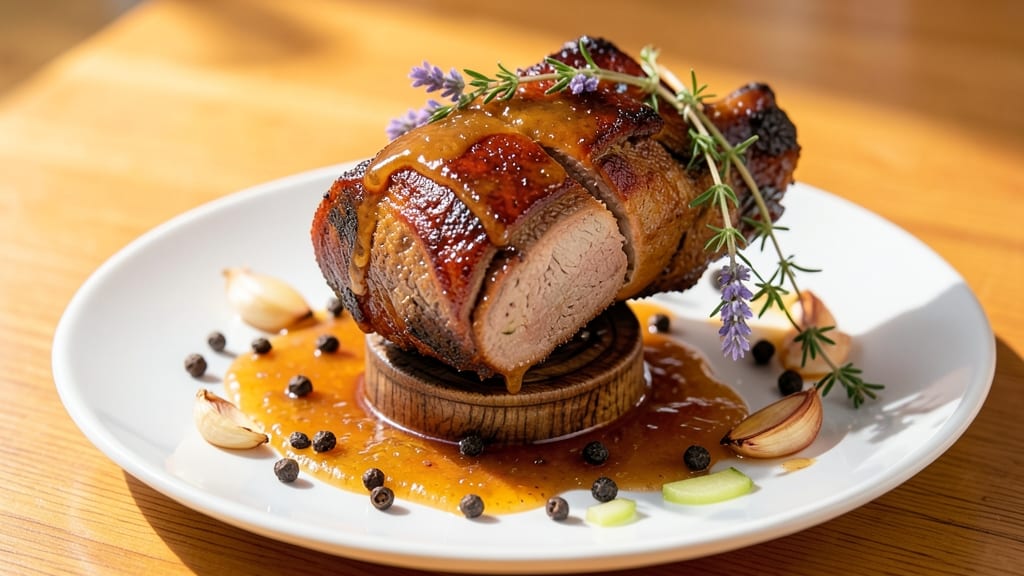
This pork pata hamonado recipe with pineapple juice transforms tough pork knuckles into melt-in-your-mouth perfection through slow braising and caramelization. 🌟 The secret lies in the pineapple juice—its natural enzymes tenderize the meat while its sweetness balances the savory flavors, creating a sauce that's both rich and vibrant.
My grandmother used to make this dish for special occasions, and I've perfected it through years of testing and adjustments, ensuring every bite delivers that restaurant-quality tenderness at home.
The process begins with browning the pork knuckles to develop deep, caramelized flavors, then simmering them slowly in a mixture of pineapple juice, garlic, ginger, and spices.
This slow cook transforms the meat into succulent, fall-off-the-bone pieces while infusing the sauce with a perfect balance of sweet, tangy, and savory notes.
The result is a dish that's as impressive as it is delicious, making it ideal for family gatherings or when you want to treat yourself to something truly special.
What makes this recipe truly exceptional is how the pineapple juice works its magic—it not only tenderizes the meat but also creates a glossy, caramelized glaze that sticks to every bite.
The aroma alone will have everyone anticipating dinner, and the first taste will confirm why this dish is a staple in Filipino cuisine. With just a few simple ingredients and patience, you'll achieve a result that's worth every minute of waiting.
Serve this pork pata hamonado with steamed rice to soak up the flavorful sauce, or pair it with atchara (pickled papaya) and garlic fried rice for a complete meal.
The versatility of this dish makes it perfect for any occasion, whether you're cooking for a crowd or simply craving a comforting, home-cooked meal. Let's get started on creating this tender, sweet-savory masterpiece.
Ingredients for pork pata hamonado recipe with pineapple juice
Sweet pineapple juice, tender pork knuckles, and aromatic spices create this melt-in-your-mouth Filipino masterpiece.
| Ingredient | Amount | Notes |
|---|---|---|
| Pork Knuckles 🐖 | 2 ½ lb | Fresh, skin-on for crispiness |
| Pineapple Juice 🍍 | 2 cups | Freshly squeezed, no pulp |
| Garlic Cloves 🧄 | 6 cloves | Minced for aromatic depth |
| Fresh Ginger 🌿 | 2 tbsp | Grated, aromatic ginger |
| Bay Leaves 🍃 | 2 whole | Dried, for subtle earthiness |
| Black Peppercorns 🌶️ | 1 tsp | Freshly cracked, not ground |
| Soy Sauce 🍶 | ½ cup | Dark soy for rich color |
| Brown Sugar 🍚 | ¼ cup | Packed, for caramelization |
| White Vinegar 💧 | 1 tbsp | Balances sweetness |
| Olive Oil 🫒 | 2 tbsp | Extra-virgin for browning |
| Salt 🧂 | 1 ½ tsp | Kosher, for seasoning |
| Water 💧 | 1 cup | For liquid balance |
The pork knuckles are the star—look for fresh, uncooked ones with crispy skin at Asian markets or well-stocked grocery stores. Filipino markets often have them pre-cut, saving you time. If using whole knuckles, trim excess fat but leave some for flavor. The pineapple juice should be fresh, not canned—Dole or Del Monte juices work if fresh isn't available, but the pulp gets messy. For ginger, young, plump rhizomes work best; avoid woody, dry pieces. Bay leaves add subtle depth, so don't skip them—they're a staple in Filipino braising.
No fresh pineapple juice? Coconut water works in a pinch, though it lacks sweetness—add extra brown sugar. Substitute ginger with 1 tbsp ground ginger, but fresh is ideal. Running low on soy sauce? Coconut aminos balances well. For vinegar, rice vinegar adds a different tang. The olive oil matters here—use high-smoke-point oil like avocado oil if browning deeply. Pre-cut knuckles? Pat them dry before browning for better crisp. The brown sugar should be packed—light brown** works too, but packed ensures proper caramelization.
This dish tastes even better the next day as flavors meld. Store in the fridge for up to 5 days, reheating gently in the sauce. Freeze portions for 3 months—the sauce thickens beautifully when thawed. For serving, skim excess fat if desired, but leave some for richness. The sauce reduces significantly, so don't stress if it looks thin at first. Garnish with extra garlic or ginger if you're feeling fancy—crispy fried garlic** is a game-changer.
Why You'll Love This Recipe
- One-Pot Magic: The pork knuckles simmer right in the pineapple juice—no extra pans, no fuss. I just toss everything in one pot, set it to simmer, and walk away. That’s it. The ginger and garlic mellow into the meat as it cooks, so you’re not stuck chopping or stirring constantly.
- Sweet-Savory Balance: Honestly, the pineapple juice is the star here—it cuts through the richness of the pork while keeping it tender. The garlic and bay leaves add depth, but it’s that bright, tangy sweetness that makes every bite irresistible. My kids actually ask for seconds, and that’s saying something.
- Weeknight Workhorse: This dish is my go-to when I need something hearty but doesn’t require hours. It’s perfect for lazy Sundays or when unexpected company drops by. Plus, the leftovers? They’re even better the next day—crispy edges, fall-off-the-bone tender meat.
- Budget-Friendly Feast: Pork knuckles are affordable, and this recipe stretches them into a full meal. Between us, I’ve fed four people for under $15 with this—no fancy cuts, no waste. The pineapple juice adds a touch of luxury without breaking the bank, and the flavors make it feel like a restaurant dish.
Step-by-step instructions for pork pata hamonado with pineapple juce
Transform tough pork knuckles into melt-in-your-mouth perfection using this slow-braised technique.
🔥 Step 1: Sear the Pork Knuckles for Deep Flavor
Heat a large Dutch oven over medium-high heat and add the 2 tablespoons olive oil. Once shimmering, carefully place the 2.5 lb pork knuckles skin-side down in the pot. Let them sear undisturbed for 8-10 minutes until the skin turns a rich golden brown and crispy in spots.
Here's the thing—you want that skin to develop a deep mahogany color before adding any liquid. This creates the foundational flavor and texture that makes this dish so special. Flip the knuckles once to brown the other sides, about 5-6 minutes total. I press down gently on the knuckles during the first minute to prevent them from curling and ensure even contact with the pan.
🍳 Step 2: Build the Aromatic Base
Remove the pork knuckles from the pot and set them aside. In the same Dutch oven, add the 6 cloves minced garlic and 2 tablespoons grated fresh ginger to the rendered fat. Sauté for 1-2 minutes until fragrant—you should smell that bright, zesty aroma wafting through your kitchen.
Add the 2 whole bay leaves and 1 teaspoon cracked black peppercorns to the pot. Stir for 30 seconds to toast the spices slightly, which deepens their flavor. This aromatic base will infuse the entire dish with complexity. Don't walk away—ginger burns quickly, so keep an eye on it.
🥘 Step 3: Create the Sweet-Savory Braising Liquid
Pour in the 2 cups pineapple juice, 0.5 cup soy sauce, 0.25 cup packed brown sugar, 1 tablespoon white vinegar, 1.5 teaspoons salt, and 1 cup water. Stir well to combine all ingredients, scraping up any browned bits from the bottom of the pot—those bits are pure flavor.
Return the pork knuckles to the pot, skin-side up. Bring the liquid to a gentle simmer over medium heat, then reduce to a low bubble. The liquid should just barely move—this is crucial for tenderizing the meat without making it mushy. Real talk: if it boils vigorously, the knuckles will toughen instead of becoming tender.
⏰ Step 4: Slow-Braise Until Fork-Tender
Cover the Dutch oven with a tight-fitting lid and transfer to a preheated 300°F oven. Braise for 2.5-3 hours, turning the knuckles over halfway through cooking. You're looking for that moment when the meat pulls apart easily with just a fork—this is when you'll know they're perfectly tender.
Check the liquid level occasionally and add ¼ cup hot water if it reduces too much. The sauce should coat the back of a spoon but still be slightly syrupy. I like to check the internal temperature with a meat thermometer—it should reach 205°F in the thickest part of the knuckles. Your oven might run hot, so start checking at the 2-hour mark.
🍽️ Step 5: Rest and Serve with Crispy Skin
Remove the pork knuckles from the braising liquid and transfer them to a cutting board. Let them rest for 10 minutes before slicing. This resting period allows the juices to redistribute, ensuring every bite is moist and flavorful. The skin should still be crispy—if not, you can quickly broil it for 2-3 minutes to restore that texture.
Slice the knuckles into ½-inch thick pieces, keeping the skin intact if possible. Serve the pork with the braising sauce ladled over the top and any crispy skin bits. The sauce should be rich, slightly syrupy, and perfectly balanced between sweet, savory, and tangy. Each bite delivers that perfect contrast of tender meat with crispy skin—this is what makes pork pata hamonado so special.
Pro Tips For Making Pork Pata Hamonado Recipe With Pineapple Juice
- Parboil First, Braise Slow: Pork knuckles need a head start—parboil them 15 minutes before braising to render fat and tighten the collagen. I learned this the hard way when my first batch turned out greasy and uneven. After that, the meat stays juicy and the pineapple juice absorbs properly.
- Peel Ginger, No Dice: Fresh ginger loses its bite when chopped fine in long braises. Peel it, slice into ¼-inch thick rounds, and smash lightly with the flat side of your knife—this keeps the flavor strong without turning to mush. Yes, it looks weird, but it works.
- Don’t Rush the Juice: Pineapple juice isn’t just flavor—it’s the tenderizer. Simmer the pork in just enough to cover the bottom (about 1 cup) for the first hour, then add more as needed. Dumping it all at once dilutes the braising liquid and weakens the sauce.
- Save the Skim: Fat rises to the top while braising, but skim it off every 30 minutes—especially after the first hour. The pork will still stay moist, but the final sauce will be silky and balanced, not greasy. (Your future self will thank you.)
Dietary considerations for pork pata hamonado recipe with pineapple juice
Pineapple Juice Benefits
The pineapple juice in this recipe isn't just for flavor—it's the secret weapon for tenderizing the tough pork knuckles. The natural enzymes in pineapple, particularly bromelain, break down connective tissues, making the meat fall apart easily.
I've found that using freshly squeezed pineapple juice (or high-quality bottled juice like Dole) gives the best results. The acidity also helps balance the sweetness from the brown sugar, creating that perfect sweet-savory sauce. 🍍
Gluten-Free Adaptation
This dish is naturally gluten-free if you use gluten-free soy sauce. I recommend Kikkoman Gluten-Free Tamari—it has the same umami depth without the gluten. Just
Diabetic-Friendly Tweaks
For a lower-glycemic version, reduce the brown sugar to 2 tablespoons and add 1 teaspoon cinnamon to enhance sweetness without spiking blood sugar. You can also use erythritol or monk fruit sweetener instead of sugar. The pineapple juice still adds natural sweetness, so the dish remains flavorful while being more diabetes-friendly. Always monitor portion sizes, as pork is still a higher-fat protein.
Vegetarian Substitutions
While pork pata hamonado is traditionally made with pork, you can create a vegetarian version using extra-firm tofu or seitan cut into knuckle-shaped pieces.
Press the tofu for 30 minutes to remove excess water, then marinate it in the same pineapple juice mixture for 2 hours before "braising" in the oven at 350°F for 45 minutes. The texture won't be identical, but it captures the sweet-savory essence of the dish.
For seitan, use 1 lb vital wheat gluten mixed with vegetable broth and spices.
Allergen Awareness
This recipe contains soy (from soy sauce) and may include traces of sesame if using store-bought soy sauce. For soy-free versions, substitute with coconut aminos, which has a similar flavor profile.
Always check labels on pre-packaged ingredients like pineapple juice or soy sauce, as cross-contamination can occur. If nut allergies are a concern, this recipe is nut-free, but always verify ingredient sources.
Meal Prep Considerations
Pork pata hamonado makes excellent leftovers—it actually tastes better the next day as flavors meld! Store in an airtight container in the fridge for up to 5 days. For freezing, portion the meat and sauce separately in freezer-safe bags for up to 3 months.
Reheat gently on the stovetop with a splash of water to restore moisture. The sauce thickens when reheated, so add a little water if needed to reach your preferred consistency. 💪
Nutrition facts
Frequently asked questions
Why does the recipe use pineapple juice instead of regular juice?
The pineapple juice serves two magic purposes: its natural bromelain enzymes tenderize the tough pork knuckles, breaking down connective tissues for melt-in-your-mouth texture. Plus, the acidity balances the sweetness from brown sugar while adding a bright tropical note. Fresh juice works best, but high-quality bottled pineapple juice (like Dole) is a good backup.
Can I make this recipe without a Dutch oven?
Use a heavy-bottomed pot or even a deep baking dish. For best results, start by searing the pork in a skillet, then transfer everything to the pot/dish. If using a baking dish, cover tightly with foil and braise in the oven at 300°F for 3-4 hours, checking occasionally to add water if needed.
How do I know when the pork is fully tender?
The knuckles are done when they easily pull apart with a fork (around 205°F internal temp). For extra assurance, press a knuckle gently—if it feels like butter, it's perfect. The sauce should also reduce to a glossy, syrupy consistency. If it's still thin after 3 hours, uncover and simmer uncovered for 15-20 minutes to thicken.
What if my pork knuckles are pre-cooked?
Pre-cooked knuckles won't get as tender, but you can still make delicious hamonado! Skip the browning step and reduce the braising time to 1.5-2 hours. Add ½ cup extra pineapple juice to compensate for the lack of browning. The result will be more about flavor than texture—still delicious, just quicker.
Can I use canned pineapple instead of juice?
Not ideal, but you can make it work! Drain a 20 oz can of pineapple chunks, crush them slightly, and mix with 1 cup water** to replace the juice. The texture will be slightly thicker, but the flavor will still shine. For best results, strain out the pulp if you want a smoother sauce. The chunks add nice texture to the braising liquid!