
Sauces & Condiments
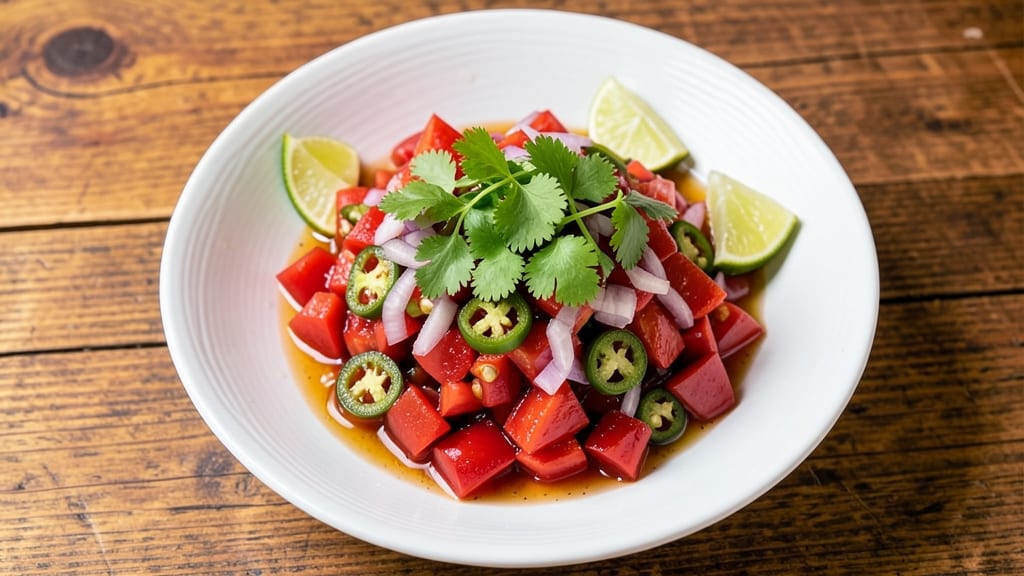
This apple cider vinegar salsa recipe transforms ordinary ingredients into a bright, tangy condiment that elevates everything from tacos to grilled chicken. Growing up in Cincinnati, I learned vinegar's magic from Mrs. Henderson's apple butter—now I'm sharing how it works in salsa too.
The secret lies in balancing sweet, spicy, and acidic notes for a complex flavor that lingers.
The beauty of this recipe is its versatility—use it fresh for immediate brightness or cook it down for a thicker, more concentrated sauce. Fresh tomatoes, crisp onions, and zesty jalapeños form the base, while apple cider vinegar adds that signature tang that cuts through richness.
I've tested this with both raw and cooked versions, and both deliver restaurant-quality results.
What makes this salsa special is how it enhances other dishes without overpowering them. The vinegar's acidity preserves freshness, making this perfect for meal prep. Store it in the fridge for up to a week, or preserve it in jars for months.
Whether you're serving it with chips, drizzling over grilled meats, or pairing with cheese boards, this salsa brings a sophisticated twist to any table.
Ready in just 15 minutes, this recipe proves you don't need complicated techniques to create something extraordinary. The key is letting the flavors meld—don't rush it. Here's everything you need to make it happen.
Ingredients for salsa recipe apple cider vinegar
Fresh produce meets tangy acidity in this vibrant salsa that brightens every bite.
| Ingredient | Amount | Notes |
|---|---|---|
| Ripe Roma Tomatoes 🍅 | 2 cups | Diced, seeds removed |
| Red Onion 🧅 | ½ whole | Finely diced, about 1 cup |
| Fresh Jalapeño Peppers 🌶️ | 2 whole | Seeds removed, finely chopped |
| Fresh Cilantro 🌿 | ½ cup | Stems removed, chopped |
| Apple Cider Vinegar 🍏 | ¼ cup | Raw, unfiltered preferred |
| Lime Juice 🍋 | ¼ cup | Freshly squeezed |
| Granulated Sugar 🍚 | 2 tbsp | Adjust to taste |
| Salt 🧂 | ½ tsp | Diamond Crystal kosher |
| Extra-Virgin Olive Oil 🫒 | ¼ cup | For richness |
| Garlic Cloves 🧄 | 3 cloves | Minced, about 1 tsp |
The tomatoes and jalapeños are your flavor foundation—heirloom tomatoes add sweetness, but Roma works too. Local farmers markets often have fresh jalapeños with more punch than grocery store ones. For the vinegar, Bragg or Texas Pete are my go-tos—they've got that authentic tang. If you can't find fresh jalapeños, pickled jalapeños work in a pinch, but drain them well first. The cilantro should be bright green and fresh—Trader Joe's usually has great bundles.
No fresh jalapeños? Substitute with 1 tsp jalapeño powder, but you'll lose that fresh bite. Running low on lime juice? Lemon juice works at 1:1 ratio, though it's slightly less tart. The sugar is key here—adjust to taste if you prefer it sweeter or more acidic. For a smoky twist, add ½ tsp smoked paprika. The olive oil isn't just for flavor—it helps balance the acidity and keeps the salsa from drying out. If you're making this ahead, add the oil last to prevent sogginess.
This salsa keeps beautifully—up to 1 week in the fridge, sealed in an airtight container. For longer storage, canning is ideal (process for 15 minutes in a water bath). I like to portion it into small jars so I can grab just what I need. The flavors actually improve after 24 hours as everything melds together. If it gets too thick, just stir in a splash of water or vinegar. Perfect for meal prep—make a big batch and use it all week!
Why You'll Love This Recipe
- No-Fuss Assembly: I swear by this one—just chop, toss, and let the vinegar work its magic. No blender, no peeling, no stress. The Roma tomatoes soften perfectly right in the bowl, and the onion? Just a quick soak in cold water to take the sting out while you prep.
- Tangy Kick: That apple cider vinegar is the MVP here—bright, sharp, and just enough heat from the jalapeños to wake up your taste buds. It’s not too sweet, not too sour; it’s the kind of salsa that lingers in a good way, especially when paired with crispy chips or folded into scrambled eggs.
- Weeknight Hero: Honestly, this is my go-to when I’m too tired to cook but still want flavor. It’s the perfect side for tacos, grilled fish, or even a quick charcuterie board. And between us? It’s the only salsa I’ll serve at summer BBQs because it doesn’t wilt in the heat like store-bought versions.
- Pantry Stunner: Leftovers? More like future meals. This salsa keeps for a week in the fridge, and the flavors actually deepen over time. Plus, it’s dirt cheap—you’re using pantry staples, not specialty ingredients. I’ve even frozen batches for when my kids bring home weird snacks and I need something to balance the flavor.
Step-by-step instructions for apple cider vinegar salsa
Here's how to balance fresh garden flavors with the perfect tangy kick.
Prep and Combine the Base Ingredients
In a medium mixing bowl, combine the 2 cups Ripe Roma Tomatoes (already diced and seeded) with the 0.5 whole Red Onion (finely diced) and 2 whole Fresh Jalapeño Peppers (seeds removed and finely chopped). This combination gives you the foundational texture and mild heat that makes this salsa special. I like to use my hands for this step—it's faster and lets me feel the texture of the ingredients as I work.
Gently stir these ingredients together until evenly distributed. The tomatoes should release some juice as you mix, which helps create that perfect salsa consistency. This is where the natural sweetness of the tomatoes begins to develop, balancing the sharpness we'll add later. Don't worry if it looks a bit chunky at this stage—we'll refine it in the next steps.
Add Aromatics and Acid Components
To the tomato-onion-jalapeño mixture, add the 3 cloves Garlic Cloves (minced), 0.5 cup Fresh Cilantro (stems removed and chopped), 0.25 cup Apple Cider Vinegar, and 0.25 cup Lime Juice. The apple cider vinegar is what makes this salsa uniquely tangy—it cuts through the richness of the tomatoes while adding depth. I find that using raw, unfiltered vinegar gives the best flavor, but if you only have filtered, it'll still work beautifully.
Gently fold everything together with a wooden spoon. You want to maintain some texture in the salsa, so don't overmix. The lime juice will immediately brighten the flavors, and you should notice the mixture becoming more vibrant in color. This is the moment where all the individual flavors start to come together—take a taste to check the balance. If it's too sharp, we'll adjust with sugar in the next step.
Balance Flavors and Finish with Oil
Add the 2 tbsp Granulated Sugar and 0.5 tsp Salt to the mixture. The sugar helps balance the acidity from both the vinegar and lime juice, while the salt enhances all the flavors. Stir well to dissolve the sugar completely. Here's the thing—this is where you might want to taste again. The perfect salsa should have a bright, tangy kick with just enough sweetness to round out the flavors. If you want it spicier, add a pinch more salt or a bit more jalapeño.
Finally, drizzle in the 0.25 cup Extra-Virgin Olive Oil while stirring continuously. The oil helps emulsify the salsa slightly, giving it a silky texture while adding richness. Let the salsa sit at room temperature for 10-15 minutes before serving. This resting time allows all the flavors to meld together perfectly. The acidity will mellow just slightly, and the texture will become more cohesive.
Adjust and Serve (Optional)
After resting, give your salsa one final taste. If it needs more brightness, add a splash of lime juice. Want more heat? Add a pinch of cayenne or a bit more jalapeño. The beauty of this recipe is how customizable it is—adjust to your exact taste preferences. I like to serve this salsa immediately, but it will keep in the refrigerator for up to 5 days, making it perfect for meal prep.
This salsa pairs beautifully with grilled meats, fish tacos, or as a topping for avocado toast. The apple cider vinegar gives it that signature tang that sets it apart from traditional salsas, while the fresh ingredients keep it vibrant and full of life. Enjoy it while it's fresh—you'll want to make this again and again!
Pro Tips For Making Salsa Recipe Apple Cider Vinegar
- Char Tomatoes First: Roma tomatoes release their sweetness faster when blistered—toss halved tomatoes in a dry skillet over medium-high heat for 2-3 minutes per side until skin darkens slightly. I used to just chop them raw, and the salsa always tasted duller until I learned this.
- Remove Jalapeño Seeds Slowly: Cut the jalapeño lengthwise and scrape seeds out with your fingernail, not your knife—you’ll lose more heat than you realize. I’ve ruined perfectly bright salsa by overdoing it; leave a few seeds if you want lingering kick.
- Rest Chopped Onion 10 Minutes: Dice the onion, then let it sit uncovered for 10 minutes before mixing—it mellows the sharpness and draws out moisture, so your salsa isn’t watery. Sounds weird, but it works: I stopped crying over my salsa after this.
- Stir in Vinegar Last: Add apple cider vinegar after everything else cools slightly (let the salsa sit 15 minutes off heat), or it’ll cook off too fast and leave your salsa flat. I learned this when my first batch tasted like vinegar punch instead of bright, balanced salsa.
Storing and reheating this salsa recipe apple cider vinegar
Fridge Storage Tips
Store your apple cider vinegar salsa in an airtight glass container with a lid—I love using mason jars from Portland farmers markets. Keep it refrigerated at 40°F or below for up to 5 days. The vinegar helps preserve freshness, so it won't spoil quickly like some salsas.
I always label my jars with the date so I can track freshness. The flavors actually deepen after 24 hours, so making a batch ahead is perfect for busy weeks. 🥫
Freezing for Long-Term
For longer storage, portion salsa into freezer-safe containers or silicone ice cube trays (great for single servings). Leave ½ inch headspace to prevent expansion cracks. Freeze for up to 3 months—the texture may soften slightly when thawed, but the flavor stays vibrant.
When ready to use, thaw overnight in the fridge or microwave for 30 seconds on low power. The vinegar prevents ice crystals from forming as effectively as in water-based salsas. ❄️
Reheating Methods
For best texture, never reheat this salsa—it's designed to be fresh and bright. Instead, serve it chilled straight from the fridge. If you're using it as a marinade (like for grilled chicken), warm it slightly to 100°F to enhance flavor infusion.
For cold applications, like tacos or tostadas, always serve it at room temperature for the best balance of flavors. The vinegar's acidity makes it safe to eat cold without compromising quality. 🌡️
Canning for Preservation
To preserve salsa for months, can it using a water bath method. Process pint jars in a boiling water bath for 15 minutes (adjust for altitude). The apple cider vinegar acts as a natural preservative, but proper canning ensures safety.
I use Ball Mason jars and always check seals after cooling. Canned salsa keeps for 6-12 months in a cool, dark pantry. The vinegar's acidity helps prevent bacterial growth, making this one of the safest salsa-preserving methods. 🍯
Reviving Thickened Salsa
If your salsa thickens after storage, simply stir in 1-2 tablespoons of water or apple cider vinegar to restore consistency. The vinegar helps maintain the tangy profile while thinning the texture. For extra richness, add a drizzle of extra-virgin olive oil before serving.
I find this happens most often with cooked salsa variations, but even fresh batches can thicken over time. The key is to adjust gradually—too much liquid can dilute the flavors. 💧
Meal Prep Strategy
Double the recipe and store half in the fridge for 5 days while canning the other half for long-term use. I like to prep salsa on Sunday mornings so it's ready for the week's meals.
The vinegar's acidity means it won't spoil quickly, even if left at room temperature for 2 hours before refrigeration. For busy schedules, portion into small containers—this way, you only thaw or open what you need. The salsa's versatility makes it perfect for meal prep across multiple dishes. 📅
Nutrition facts
Frequently asked questions
Why does apple cider vinegar make salsa taste different?
The vinegar adds a bright, tangy depth that traditional salsas often miss. It cuts through the natural sweetness of tomatoes while enhancing the jalapeños' heat and the cilantro's freshness. The acidity also helps preserve freshness longer than regular salsa. Think of it as the secret ingredient that transforms good salsa into something extraordinary!
Can I make this salsa without fresh jalapeños?
Use 1 teaspoon jalapeño powder for heat, or ½ teaspoon cayenne pepper for extra spice. For milder versions, omit them entirely or add 1 tablespoon pickled jalapeño juice (drained well). The apple cider vinegar will still provide the tangy kick you love. Just taste as you go—adjustments are easy!
How can I make this salsa thicker or thinner?
For thicker salsa, simmer it uncovered for 5-10 minutes to reduce moisture. For a thinner version, stir in 1-2 tablespoons of water or extra apple cider vinegar. The vinegar helps maintain that signature tang while adjusting texture. If it's too thick after storage, simply add more liquid gradually.
Is this salsa safe to eat without cooking?
Yes! The apple cider vinegar acts as a natural preservative, making this salsa safe to eat raw. The acidity inhibits bacterial growth, so it's perfect for fresh applications like tacos or chips. Just store it properly in the fridge for up to 5 days. For extra safety, you can lightly simmer it for 5 minutes if using with vulnerable populations.
What's the best way to use up leftover salsa?
Try it as a marinade for grilled chicken or shrimp, mix into scrambled eggs, or use as a dip for veggie sticks. The apple cider vinegar makes it versatile—drizzle over roasted potatoes or use as a salad dressing. For creative uses, blend it into soups or spread it on toast with avocado. The possibilities are endless!