
Sauces & Condiments
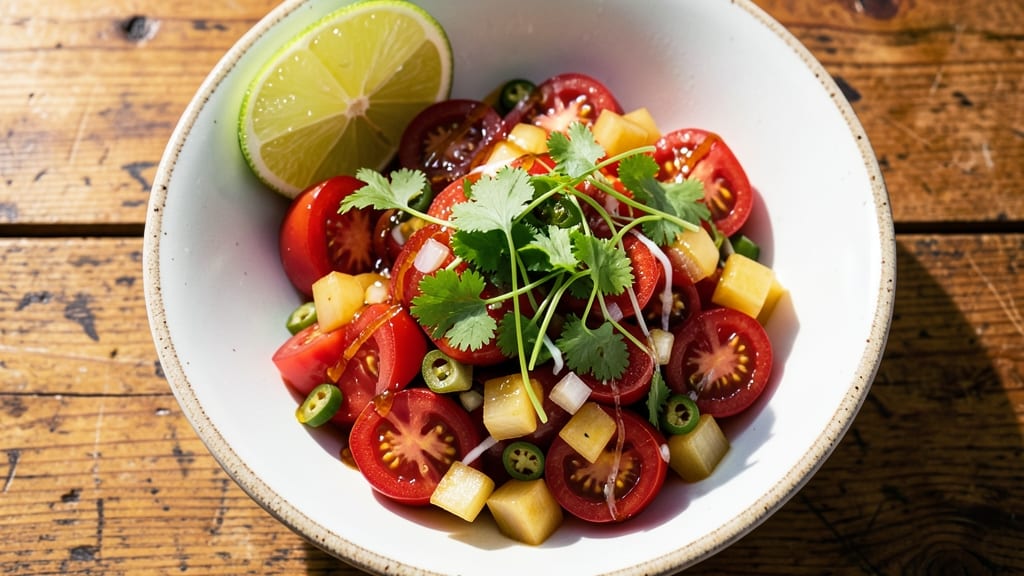
This fresh salsa recipe with apple cider vinegar delivers a bright, tangy kick that transforms ordinary meals into something extraordinary. The vinegar's sharp acidity cuts through rich flavors while preserving the crisp freshness of the vegetables—no cooking required.
What makes this version special is the balance: vibrant tomatoes, crisp onions, and a touch of jalapeño for heat, all brightened by apple cider vinegar instead of lime.
The beauty of this recipe lies in its simplicity—just 8 ingredients that come together in minutes for a salsa that's restaurant-quality without the fuss. Apple cider vinegar adds depth and complexity that regular vinegar can't match, creating a tangy sweetness that pairs perfectly with chips, tacos, or grilled meats.
The texture is fresh and chunky, with just enough bite from the onions and peppers.
What you'll end up with is a versatile salsa that stays fresh-tasting for days in the refrigerator. The apple cider vinegar not only enhances flavor but also acts as a natural preservative, keeping the vegetables crisp.
Whether you're serving it as a dip, topping for tacos, or drizzle for grilled fish, this salsa brings a bright, zesty contrast that elevates every bite.
Perfect for batch cooking—make a big batch and keep it on hand for quick meals all week. The recipe scales easily, so you can double or triple it without losing quality. Here's everything you need to create this vibrant, tangy salsa that will become your new go-to condiment.
Ingredients for fresh salsa recipe apple cider vinegar
Eight simple ingredients that pack a bright, tangy punch—no cooking required.
| Ingredient | Amount | Notes |
|---|---|---|
| Ripe Roma Tomatoes 🍅 | 2 lb | Seeded and roughly chopped |
| Yellow Onion 🧅 | 1 whole | Diced into small pieces |
| Fresh Jalapeño Pepper 🌶️ | 2 whole | Seeds removed, finely chopped |
| Apple Cider Vinegar 🍎 | ¼ cup | Raw, unfiltered preferred |
| Fresh Cilantro 🌿 | ½ cup | Stems removed, chopped |
| Lime Juice 🍋 | ¼ cup | Freshly squeezed |
| Kosher Salt 🧂 | 1 ½ tsp | Diamond Crystal preferred |
| Extra-Virgin Olive Oil 🫒 | ¼ cup | For richness and balance |
The tomatoes are the backbone here. Roma tomatoes have fewer seeds and more flesh, but any ripe tomatoes work. I grab the heirloom or vine-ripened ones when they're on sale at Whole Foods or the farmers market—they're sweeter and more flavorful. The apple cider vinegar is non-negotiable though. Raw, unfiltered vinegar like Bragg or Hodgson Mill has more flavor than the white vinegar you'd normally use. If you can't find it, white vinegar works in a pinch, but it'll taste more like vinegar. The jalapeños? Fresh is best, but if you're sensitive to heat, use just one or remove all the seeds.
No cilantro? Fresh parsley or mint works in a pinch—just use the same amount. Short on lime? Extra lemon juice gives a similar tang, though it's a little sharper. The olive oil might seem like an odd addition, but it actually helps balance the acidity. Use a fruity, extra-virgin oil—cheap olive oil will make the whole thing taste bitter. The salt is where you can get fancy: Diamond Crystal dissolves better than table salt and has a cleaner flavor. If you're making this ahead, add the salt at the end—it'll keep the veggies crisp longer. The onions? Yellow or white both work, but yellow has a touch more sweetness.
This salsa keeps beautifully in the fridge for 5-7 days—the vinegar acts like a natural preservative. Store it in a glass jar with a tight seal, and the flavors actually deepen over time. For longer storage, freeze it in ice cube trays—perfect for adding to tacos or bowls later. The texture stays fresh and chunky, unlike some salsas that turn mushy. If it gets too thick after a few days, just stir in a splash of water or more vinegar. Trust me, you'll want to make a big batch—it disappears fast.
Why You'll Love This Recipe
- No Chopping Chaos: I swear by this recipe because it’s the only salsa where I actually want to use a knife—just a quick dice of onion and a rough chop of tomatoes. The apple cider vinegar does half the work for you, brightening everything up without extra effort.
- Tangy Kick Without Guilt: That vinegar twist? It’s the secret weapon—cuts through the heat of the jalapeño while keeping the fresh cilantro bright. Honestly, it’s the only salsa I’ll make when I’m craving something bold but not overwhelming.
- Game for Any Meal: Slather it on tacos, toss it with grilled chicken, or just eat it straight with chips—this salsa doesn’t care what you throw at it. I’ve even used it as a marinade for shrimp (yes, really), and it never lets me down.
Step-by-step instructions for fresh salsa with apple cider vinegar
Here's how to make a vibrant, tangy salsa that stays fresh for days.
Prep and Combine the Base Ingredients
In a large mixing bowl, add the 2 lb seeded and roughly chopped ripe Roma tomatoes, 1 whole diced yellow onion, and 2 whole finely chopped jalapeño peppers (seeds removed). I like to use my hands for this part—it's faster and gives you better control over the texture. You want everything roughly chopped, not minced, so the salsa maintains some texture.
Give everything a quick stir with a wooden spoon to distribute the ingredients evenly. The tomatoes should be the bulk of the mixture, with the onion and jalapeños evenly dispersed. This is where the foundational flavors come together, so don't skip this mixing step—it ensures balanced flavor in every bite.
Add the Acid and Seasonings
Pour in the 0.25 cup apple cider vinegar and 0.25 cup freshly squeezed lime juice. The vinegar adds that signature tang that makes this salsa different from traditional ones, while the lime brightens everything up. Sprinkle in the 1.5 tsp kosher salt and 0.5 cup chopped fresh cilantro (stems removed).
Stir everything together thoroughly. You'll notice the mixture starts to soften slightly as the acid begins to break down the tomato fibers. This is normal and actually helps create a smoother texture. Taste at this point—you might want to adjust the salt or lime to your preference. I usually add a little more lime for extra brightness, but it depends on how tart your tomatoes are.
Incorporate the Olive Oil and Let It Rest
Drizzle in the 0.25 cup extra-virgin olive oil while stirring continuously. The oil helps balance the acidity and adds richness to each bite. You want it to be fully incorporated but not over-stirred—just enough to coat everything evenly. This is where the salsa comes together as a cohesive dish rather than just a mix of ingredients.
Let the salsa sit at room temperature for 10-15 minutes before serving. This resting period allows all the flavors to meld together beautifully. You'll notice the colors deepen slightly and the textures soften just enough to make it more approachable. Don't skip this step—it makes a huge difference in the final result.
Adjust and Serve
After resting, give the salsa one final taste. You might want to add a pinch more salt, a splash more lime juice, or even a tiny bit more vinegar if you prefer it tangier. The beauty of fresh salsa is that you can customize it to your exact taste preferences.
Transfer the salsa to a serving bowl or airtight container. For the best texture, I recommend serving it at room temperature. It pairs perfectly with tortilla chips, grilled meats, or even as a topping for tacos. This salsa keeps well in the refrigerator for up to 5 days, making it perfect for meal prep.
Pro Tips For Making Fresh Salsa Recipe Apple Cider Vinegar
- Char the Onion First: I learned this the hard way—raw onion in salsa tastes harsh and watery. Slice the yellow onion thin, then sear it in a dry skillet over medium-high heat until the edges turn deep golden and slightly crispy. That caramelized bite cuts through the acidity and makes the whole salsa sing.
- Seed the Jalapeño Right: Cut the jalapeño lengthwise and scrape out the seeds and membranes with a spoon—don’t just eyeball it. Those seeds pack heat, and unless you’re going for nuclear-level spice, they’ll overpower the bright, tangy notes from the apple cider vinegar. A quick rinse after seeding removes lingering capsaicin too.
- Salt the Tomatoes Early: Toss the chopped Roma tomatoes with a generous pinch of salt the second they hit the cutting board. Let them sit for 5 minutes while you prep the rest—this draws out excess moisture and keeps the salsa from turning into a watery mess. Trust me, your future self will thank you when the texture stays chunky and vibrant.
- Use Cold Vinegar: I was skeptical until I tried it: chill the apple cider vinegar in the fridge for 10 minutes before adding it to the salsa. The cold acid brightens the flavors instantly and prevents the salsa from heating up too much if you’re blending or mixing right after cooking. It also keeps the cilantro from wilting faster. Sounds weird, but it works.
Best sauces and condiments for this fresh salsa recipe apple cider vinegar
Taco Topping Magic
This apple cider vinegar salsa is a game-changer for tacos—it adds a bright, tangy contrast that cuts through rich meats like pulled pork or carnitas. I like to spoon it over warm corn tortillas with a sprinkle of crumbled cotija cheese and pickled red onions for extra texture.
For fish tacos, the vinegar's acidity balances the oiliness of fried fish beautifully. 🌶️
For vegetarian tacos, pile it high on black beans, grilled zucchini, and avocado slices. The apple cider vinegar's sweet-tart profile makes it especially complementary to smoky chipotle or creamy cashew crema.
Serve it slightly warm to enhance the aromatics—just heat for 1-2 minutes in a skillet over low heat before serving.
Grilled Meat Pairings
Marinate your grilled meats in a mix of apple cider vinegar and olive oil before cooking—it creates a delicious bridge between the salsa and the protein. I love it on grilled chicken thighs or ribeye steak slices.
The vinegar in both the marinade and salsa creates a cohesive, tangy experience that keeps every bite exciting. 🔥
For burgers, use this salsa as a topping instead of ketchup or mayo. The chunky texture and bright acidity elevate the flavors of beef, turkey, or even portobello mushrooms. Add a dollop of sour cream or Greek yogurt to balance the heat from the jalapeños.
Dip for Chips and Crudités
This salsa is perfect for dipping—it's chunky enough to hold its shape but still smooth enough to spread easily. Serve it with blue corn tortilla chips or pita chips for a restaurant-quality experience.
For a healthier twist, pair it with sliced bell peppers, cucumbers, and jicama sticks for a crunchy, fresh snack. 🥕
For a spicy dip, add 1 tsp of smoked paprika or ½ tsp of cayenne pepper to the salsa before serving. The apple cider vinegar mellows out the heat while keeping the kick. I also love drizzling it over baked sweet potato fries for a sweet-and-tangy contrast.
Breakfast Boost
Yes, salsa for breakfast! Spread this salsa on warm tortillas with scrambled eggs, crumbled chorizo, and crumbled feta cheese for a Mexican-inspired huevos rancheros twist. The apple cider vinegar adds a bright note that cuts through the richness of the eggs. 🍳
For a brunch platter, serve it alongside avocado toast, breakfast tacos, or even pancakes (yes, really!). The tangy, fresh flavors wake up your palate and balance out sweet or savory dishes beautifully. Try it with a sprinkle of everything bagel seasoning for extra crunch.
Global Twist: Salsa Beyond Mexico
This salsa works surprisingly well in Asian-inspired dishes. Toss it with grilled shrimp or tofu for a sweet-and-sour vibe. The apple cider vinegar pairs well with soy sauce and sesame oil—just add 1 tbsp soy sauce and 1 tsp sesame oil to the salsa before serving. 🍜
For an Italian twist, serve it with grilled chicken skewers or bruschetta. The vinegar bridges the gap between Mexican and Italian flavors beautifully. Add fresh basil or sun-dried tomatoes to the salsa for an extra Mediterranean touch.
Nutrition facts
Frequently asked questions
Why does this recipe use apple cider vinegar instead of lime juice?
The apple cider vinegar adds a unique sweet-tart depth that brightens the salsa without overpowering it. Unlike traditional lime-based salsas, this version develops richer flavors over time—especially when stored in the fridge. The vinegar also acts as a natural preservative, keeping your salsa fresh for 5-7 days while maintaining crisp texture.
Can I make this salsa without jalapeños?
For a milder version, simply omit the jalapeños or replace them with ½ tsp ground cumin or 1 tsp smoked paprika for warmth without heat. The apple cider vinegar's tang will still shine through, creating a bright, flavorful salsa perfect for those who prefer no spice.
How do I adjust the thickness of this salsa?
If your salsa is too thick, stir in 1-2 tablespoons of water or apple cider vinegar until you reach your desired consistency. For extra chunkiness, use a potato masher instead of a blender. The key is balancing texture—this recipe's chunky style works best for dipping and topping, while a smoother version pairs well with grilled meats.
Can I make this salsa ahead of time?
Yes! This salsa actually tastes better after 24 hours as the flavors meld together. Store it in an airtight container in the fridge for up to 7 days. The apple cider vinegar helps preserve freshness while deepening the tangy sweetness. For longer storage, freeze in ice cube trays and thaw as needed.
What can I substitute if I don't have fresh cilantro?
Try ½ cup fresh parsley or 2 tablespoons dried cilantro (but fresh is always better). For a different flavor profile, add 1 tablespoon chopped mint or 1 teaspoon dried oregano. The apple cider vinegar's bright acidity will still dominate, so don't worry about losing that signature tang.