
Salads
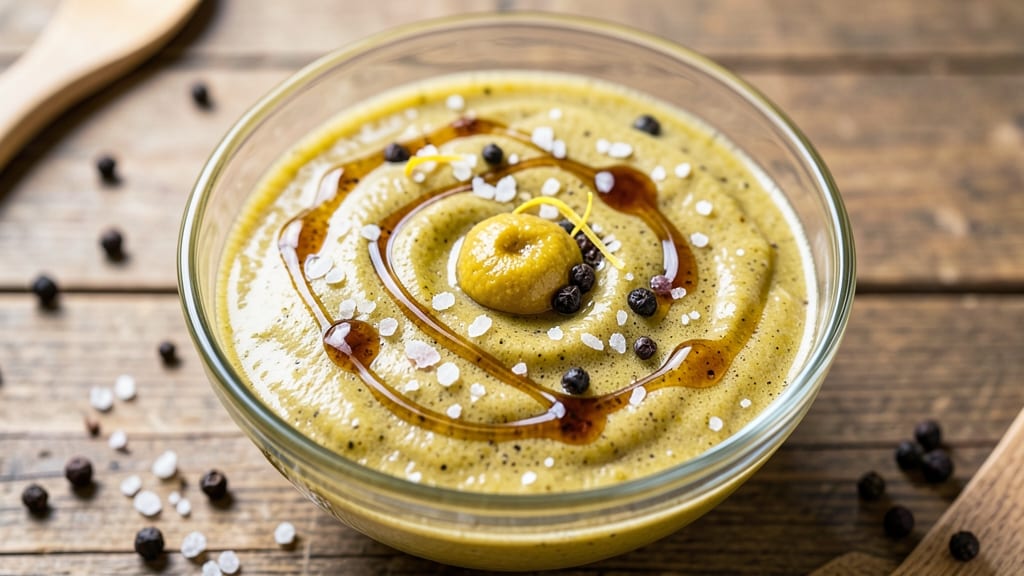
This apple cider vinegar and olive oil salad dressing recipe transforms simple greens into a vibrant, tangy masterpiece with just five ingredients and 10 minutes of prep.
The bright acidity of apple cider vinegar cuts through rich ingredients, while extra-virgin olive oil adds a luxurious finish—no emulsifiers or complicated steps required. I developed this dressing after years of testing, and it’s become my go-to for everything from hearty kale salads to fresh summer greens.
The secret lies in balancing sweetness, acidity, and fat for a dressing that clings perfectly to leaves without overpowering them. A touch of maple syrup or honey (or agave for vegan) rounds out the sharpness, while Dijon mustard adds subtle depth.
The result? A dressing that’s restaurant-quality but takes less time to make than ordering takeout. Plus, it keeps for up to two weeks in the fridge, making it a pantry staple.
What makes this recipe stand out is its versatility—drizzle it over grain bowls, toss it with roasted vegetables, or use it as a marinade for grilled chicken. The emulsification happens naturally thanks to the mustard and gentle whisking, so no blender or special tools are needed.
You’ll notice the difference immediately: crisp greens stay crisp, and every bite is bright, balanced, and irresistibly fresh.
For an extra boost, add fresh herbs like thyme or rosemary, or a pinch of smoked paprika for warmth. The dressing’s simplicity doesn’t mean it’s boring—it’s the kind of condiment that elevates even the most basic meal. Let’s make it.
Ingredients for apple cider vinegar and olive oil salad dressing
Five ingredients, restaurant-quality balance—this dressing elevates every salad with vibrant tang and luxurious richness.
| Ingredient | Amount | Notes |
|---|---|---|
| Extra-Virgin Olive Oil 🫒 | ¾ cup | High-quality, fruity, cold-pressed |
| Apple Cider Vinegar 🍏 | ¼ cup | Raw, unfiltered preferred |
| Pure Maple Syrup 🍁 | 2 tbsp | Grade B for depth of flavor |
| Dijon Mustard 🌶️ | 1 tbsp | Whole-grain, not powdered |
| Sea Salt 🧂 | ½ tsp | Fine grain, Diamond Crystal preferred |
| Freshly Ground Black Pepper 🌶️ | ¼ tsp | Freshly cracked for maximum aroma |
| Fresh Thyme Leaves 🌿 | 1 tsp | Optional, for herbal depth |
The extra-virgin olive oil must be of premium quality—look for cold-pressed, first-press labels at specialty grocers like Whole Foods or Trader Joe's. The apple cider vinegar should be raw and unfiltered for maximum probiotic benefits and depth of flavor; brands like Bragg or Annie's deliver consistent quality. For the sweetener, Grade B maple syrup adds subtle caramel notes that complement the acidity, while still being vegan-friendly. The Dijon mustard acts as a natural emulsifier—whole-grain varieties provide better texture than powdered alternatives. Fresh thyme, if used, should be finely chopped for even distribution throughout the dressing.
No maple syrup? Agave nectar works in a 1:1 ratio, though it lacks the same depth of flavor. Substitute apple cider vinegar with white wine vinegar for a lighter tang, though the dressing will lack the subtle sweetness. For a smoky twist, add 1/4 teaspoon smoked paprika directly to the dressing. If you prefer a sweeter profile, increase the maple syrup to 3 tablespoons and reduce the vinegar slightly. The sea salt should be fine-grained—Diamond Crystal dissolves more easily than kosher varieties. For pepper, freshly cracked black pepper provides the most aromatic punch, though pre-ground works in a pinch.
This dressing emulsifies naturally with gentle whisking, so no special equipment is required. Store it in a glass jar with a tight-sealing lid in the refrigerator for up to two weeks. The flavors actually improve over time as the ingredients meld together. For single-serving convenience, portion into small containers—perfect for lunches or quick salads. If the dressing separates slightly, simply whisk again before using. The dressing pairs beautifully with kale, arugula, or any hearty greens, and its bright acidity cuts through rich ingredients like roasted nuts or avocado.
Why You'll Love This Recipe
- Five-Ingredient Magic: I swear by this combo—just swirl those five staples (olive oil, vinegar, maple syrup, mustard, salt) in a jar, and boom, you’ve got dressing. No measuring cups, no fancy tools, just eyeballing it until it looks like something you’d actually pour on food.
- Sweet-Tart Balance: That maple syrup isn’t just for sweetness—it rounds out the sharp vinegar and mustard into something ridiculously good. Honestly, the first time I tasted it, I immediately grabbed the jar and drizzled it on everything (yes, even my eggs).
- Jar-to-Table Flexibility: Make a big batch and keep it in the fridge—it’s perfect for salads, roasted veggies, or even a quick marinade. Between us, I’ve used it to wake up takeout chicken, and it’s the only dressing that doesn’t turn soggy greens into a sad pile.
- Budget-Friendly Staples: You’re already buying these ingredients for other things—olive oil for cooking, vinegar for cleaning, maple syrup for pancakes. This dressing costs pennies per serving and stretches across weeks without losing its zing. (Yes, even on a Tuesday night.)
Step-by-step instructions for apple cider vinegar and olive oil salad dressing
This bright, tangy dressing comes together in minutes with precise technique.
Whisk Olive Oil and Vinegar Together
In a medium bowl, combine the 0.75 cup extra-virgin olive oil and 0.25 cup apple cider vinegar. Use a whisk or fork to emulsify the mixture thoroughly. You'll notice the vinegar initially separates from the oil, but with vigorous whisking, it will gradually form a smooth, cloudy emulsion. This initial step creates the foundational balance between acidity and richness that defines the dressing.
I recommend whisking for about 2 minutes until the mixture appears uniformly cloudy with no visible separation. The olive oil should be fully incorporated, creating a creamy base. This emulsification process is crucial—it prevents the dressing from separating later. If you prefer a smoother texture, you can use an immersion blender for 10-15 seconds instead of whisking.
Incorporate Sweetness and Mustard
Add the 2 tbsp pure maple syrup and 1 tbsp Dijon mustard to the oil-vinegar mixture. The maple syrup will begin to dissolve almost immediately, but the Dijon mustard may require more vigorous whisking. Continue whisking for another 1-2 minutes until the mustard is fully incorporated and the mixture is completely smooth.
Here's where the flavor profile starts to develop. The maple syrup rounds out the sharpness of the vinegar, while the Dijon mustard adds depth and a subtle tang. You'll notice the dressing becoming slightly thicker as the ingredients combine. If you find the mixture too thick at this stage, you can adjust the consistency later by adding a splash of water or more vinegar.
Season with Salt, Pepper, and Thyme
Sprinkle in the 0.5 tsp sea salt, 0.25 tsp freshly ground black pepper, and 1 tsp fresh thyme leaves. Whisk continuously for 30-45 seconds until the salt and pepper are fully dissolved and the thyme is evenly distributed. The thyme leaves will add a subtle herbal note that complements the bright acidity of the vinegar.
Taste the dressing at this stage and adjust the seasoning if needed. You might find you need a touch more salt to enhance the flavors or a bit more vinegar to sharpen the tang. Remember, the dressing will mellow slightly as it sits, so don't be afraid to season it boldly now. The freshly ground black pepper should be visible as tiny specks throughout the dressing, adding both visual appeal and a peppery kick.
Final Emulsification and Tasting
Give the dressing one final whisk to ensure everything is fully combined. The mixture should now be smooth, with a balance of sweet, tangy, and herbal notes. Let it sit for 5-10 minutes before using—this allows the flavors to meld together completely. During this time, you can give it another quick stir to maintain the emulsion.
For the best results, I recommend using the dressing within 24 hours of making it. While it will keep in the refrigerator for up to 5 days, the freshest flavor comes from using it immediately. The dressing should coat the back of a spoon with a silky texture, and each component—olive oil, vinegar, maple syrup, and herbs—should be distinguishable yet harmonious.
Pro Tips For Making Apple Cider Vinegar And Olive Oil Salad Dressing
- Whisk in Stages: Pour the vinegar and maple syrup first, then whisk until fully combined—this prevents a gloopy mess when you add the oil. I learned this the hard way after ending up with a dressing that separated like oil and water the second I tossed it.
- Use Raw Apple Cider Vinegar: Skip the pasteurized stuff—raw, unfiltered vinegar has depth and sediment that adds complexity. The cloudy bits aren’t gross; they’re flavor. (Yes, even if it looks weird in your jar.)
- Salt the Oil First: Dissolve the sea salt in the olive oil before mixing—it distributes evenly and prevents graininess. I used to add it at the end, and the dressing always tasted like salt crystals hiding in plain sight.
- Measure Maple Syrup by Weight: If you’re serious about balance, use a scale for the syrup (about 15g per tablespoon). Volume measurements vary wildly, and this is the thing that matters most when you’re aiming for that perfect sweet-tangy ratio. (Your future salads will thank you.)
Serving suggestions for apple cider vinegar and olive oil salad dressing
Salad Pairings
This dressing shines brightest on kale salads with crispy roasted chickpeas and shaved fennel. The apple cider tang cuts through the earthy greens while the olive oil keeps everything luscious.
For a summer twist, toss it with arugula, sliced strawberries, and candied pecans—the sweetness of the fruit balances the acidity perfectly. 🌿
Try it on grain bowls too—drizzle over quinoa, roasted sweet potatoes, and avocado for a hearty meal. The dressing’s natural sweetness complements the smoky notes of roasted vegetables, while the acidity prevents the bowl from feeling too heavy.
I love adding crispy prosciutto for a savory crunch that contrasts beautifully with the dressing’s brightness.
Protein Pairings
Use this dressing as a marinade for grilled chicken or shrimp—just toss your protein with ¼ cup dressing and marinate for 20-30 minutes before cooking. The apple cider vinegar tenderizes the protein while adding a tangy crust.
For a vegetarian option, drizzle it over grilled tofu or tempeh with a sprinkle of sesame seeds and scallions. The dressing’s acidity helps balance the earthiness of soy-based proteins.
It’s also fantastic with seared salmon or pan-seared scallops. The richness of the fish pairs beautifully with the dressing’s bright acidity, while the olive oil adds a luxurious finish.
For a complete meal, serve with warm crusty bread to soak up any leftover dressing. The contrast of warm bread and cool dressing is pure comfort food magic. 🍽️
Vegetable Sides
This dressing elevates roasted Brussels sprouts or blistered shishito peppers like nothing else. Toss the hot vegetables with 1-2 tablespoons of dressing right after roasting to keep them crisp-tender. The acidity cuts through the bitterness of Brussels sprouts, while the olive oil adds a silky finish.
For a smoky twist, add ½ teaspoon smoked paprika to the dressing before tossing.
Drizzle it over warm, buttery corn on the cob for a summer favorite. The sweetness of the corn pairs perfectly with the dressing’s tang, while the olive oil adds richness. For a lighter option, use it as a dip for crudités like cucumber, bell pepper, and carrot sticks.
The dressing’s balance of sweet, tangy, and herby notes makes it irresistible for snacking. 🌽
Breakfast Boost
Yes, you read that right—this dressing is a game-changer for breakfast. Drizzle it over avocado toast with a sprinkle of flaky sea salt and red pepper flakes. The acidity balances the creaminess of the avocado, while the olive oil adds a luxurious touch.
For a heartier breakfast, toss it with scrambled eggs or sautéed mushrooms—the dressing adds a bright, herby note that cuts through the richness.
Use it as a dipping sauce for breakfast tacos or breakfast burritos. The tangy dressing complements the smoky flavors of chorizo or black beans, while the olive oil adds a satisfying mouthfeel.
For a lighter option, drizzle it over Greek yogurt** with fresh berries and granola. The dressing’s acidity brightens the yogurt, making it feel like a gourmet treat. 🍳
Nutrition facts
Frequently asked questions
Why does my dressing separate after sitting?
This happens when oil and vinegar aren't fully emulsified. Whisk more vigorously for 3-4 minutes initially, or use an immersion blender for 15-20 seconds. The Dijon mustard acts as a natural emulsifier—if your dressing still separates, add ½ teaspoon mustard and whisk again. Store in a tightly sealed jar to prevent separation.
Can I make this dressing without Dijon mustard?
Yes! For a vegan alternative, use 1 tablespoon ground flaxseed or chia seeds mixed with 1 tablespoon water (let sit for 5 minutes to thicken) as an emulsifier. Or swap for 1 teaspoon arrowroot powder mixed with 1 tablespoon water—both work well. The texture will be slightly thicker, but the flavor remains bright and tangy.
How do I adjust the sweetness or tanginess?
Need more sweetness? Add ½ teaspoon maple syrup at a time. Too sharp? Reduce vinegar by 1 tablespoon and add 1 teaspoon water. For extra tang, add ½ teaspoon lemon juice. Always adjust gradually—taste as you go! The dressing should balance sweet, tangy, and herby notes harmoniously.
What’s the best way to store leftover dressing?
Transfer to a clean, airtight glass jar and refrigerate for up to 2 weeks. The flavors actually deepen over time! Before using, give it a quick whisk—if it separates slightly, the emulsion will return instantly. For single servings, portion into small containers to grab-and-go. Freezing isn’t recommended as it alters the texture.
Can I use this dressing as a marinade?
Use it as a marinade for grilled chicken, shrimp, or tofu by combining ¼ cup dressing with 1 tablespoon olive oil. Marinate proteins for 20-30 minutes** (no longer for fish) to tenderize without overpowering. The apple cider vinegar adds a bright crust, while the olive oil keeps everything moist. Drain before cooking to avoid flare-ups.