
Main Courses
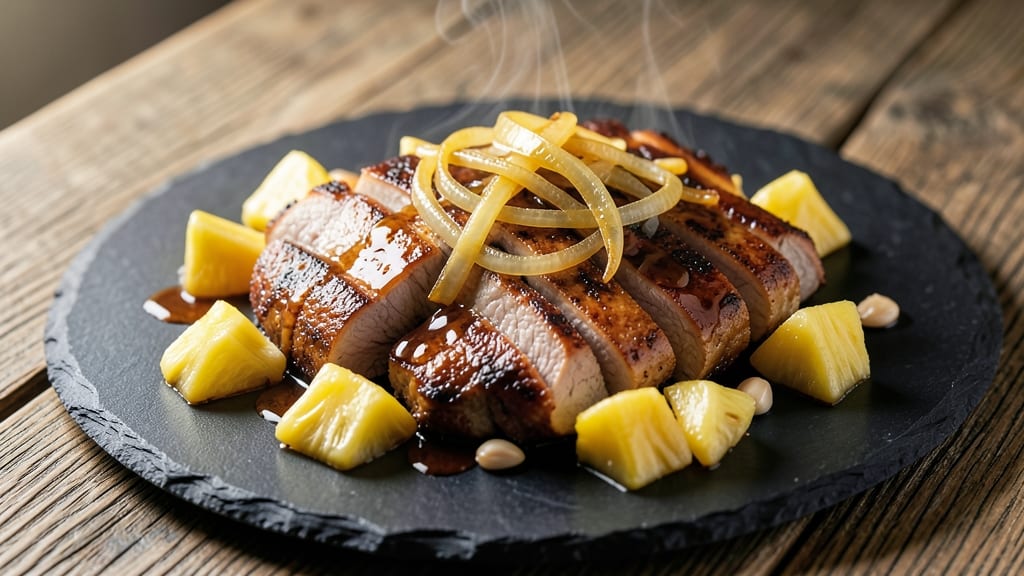
This pork and pineapple Chinese recipe delivers the perfect balance of sweet, savory, and crispy textures that make every bite unforgettable. 🔥 After years of perfecting stir-fries in my Atlanta kitchen, I've cracked the code for achieving that signature wok hei—smoky, charred edges that pack maximum flavor.
The secret lies in high-heat searing and a marinade that tenderizes without overpowering the natural sweetness of the pork and pineapple.
What sets this dish apart is the crispy contrast between the caramelized pork slices and the juicy, slightly charred pineapple chunks. We start with a simple yet effective marinade of soy sauce, honey, and garlic that infuses the pork while keeping it tender.
The stir-fry technique—using a screaming-hot wok or cast iron—creates those coveted crispy edges that define great Chinese stir-fry, while the pineapple adds a bright, tropical sweetness that cuts through the richness.
The result is a dish that's restaurant-quality but easy enough for weeknight cooking. The pork emerges perfectly seared on the outside with a tender, juicy interior, while the pineapple caramelizes just enough to release its natural sugars.
This balance of textures and flavors makes it a crowd-pleaser—whether you're serving it over steamed jasmine rice or with a side of stir-fried bok choy.
For an extra touch, I like to finish the dish with a sprinkle of toasted sesame seeds and a drizzle of chili oil, which adds depth and a subtle kick.
The combination of sweet, savory, and slightly spicy elements creates a harmony that's impossible to resist. Let's get cooking—this stir-fry is about to become your new weeknight staple.
Ingredients for pork and pineapple chinese
Sweet, savory, and crispy—just nine ingredients transform into restaurant-style stir-fry magic.
| Ingredient | Amount | Notes |
|---|---|---|
| Boneless Pork Loin 🥩 | 1 ½ lb | Thinly sliced against grain |
| Fresh Pineapple Chunks 🍍 | 2 cups | Freshly cut, 1-inch pieces |
| Yellow Onion 🧅 | 1 whole | Thinly sliced |
| Garlic Cloves 🧄 | 6 cloves | Minced finely |
| Fresh Ginger 🌿 | 1 tbsp | Finely grated |
| Low-Sodium Soy Sauce 🥄 | ½ cup | For marinade and stir-fry |
| Honey 🍯 | 2 tbsp | For sweet-savory balance |
| Sesame Oil 🫒 | 1 tbsp | For aroma (not cooking) |
| Neutral Oil 🫒 | 2 tbsp | Vegetable or canola |
| Cornstarch 🌾 | 1 tbsp | For crispy coating |
| Toasted Sesame Seeds 🌱 | 1 tbsp | For garnish |
| Chili Oil 🌶️ | 1 tbsp | For finishing touch |
| Jasmine Rice 🍚 | 2 cups | Uncooked, for serving |
| Salt 🧂 | ½ tsp | Kosher or sea salt |
| Black Pepper 🌶️ | ¼ tsp | Freshly ground |
The pork is everything here. Look for well-marbled pork loin at the butcher counter—it stays juicier. I grab mine from Whole Foods when I want the highest quality, but the regular supermarket cut works too. Slice it paper-thin against the grain (that's the key to tender bites). For the pineapple, fresh is non-negotiable—canned chunks taste like sad, mushy disappointment. Grab a fresh pineapple, cut it yourself, and save the rind for smoothies. The cornstarch is your secret weapon for crispy edges—don't skip it, even if you're in a hurry.
No sesame oil? Toasted peanut oil works in a pinch, though it's not the same. Short on honey? Maple syrup or agave gets you close. The stir-fry technique matters more than exact measurements here—crowd the pan and let those edges caramelize. For extra smokiness, char the garlic and ginger first until fragrant. The chili oil can be store-bought (like Lao Gan Ma) or homemade—just blend chili flakes with neutral oil. And if you're feeling fancy, swap the jasmine rice for forbidden black rice for a visual upgrade.
Pork marinates best overnight, but 30 minutes minimum makes a difference. Pineapple chunks keep fresh for 3 days in the fridge—store them in a sealed container with a paper towel to absorb moisture. The cooked stir-fry reheats beautifully—just warm in a wok or skillet with a splash of water. I always make double batches because it tastes even better the next day. Freezes for 3 months if you're planning ahead. Pro tip: Serve with a side of steamed bok choy to soak up all that delicious sauce.
Why You'll Love This Recipe
- One-Pan Magic: I swear by this recipe when I’m too tired to scrub pots—just sear the pork, toss in the pineapple and onions, and let the garlic-ginger sauce do its thing. The sheet pan handles everything, and honestly? I’ve never felt guilty about leaving it in the sink overnight.
- Sweet-Savory Balance: That first bite of caramelized pork with juicy pineapple? It’s like a flavor hug. The ginger and garlic cut through the sweetness just enough to make it feel sophisticated, not cloying. My husband still steals the last piece, even when he’s full.
- Weeknight to Dinner Party: I make this for lazy Tuesdays, but it also impresses guests—no one needs to know it’s my 20-minute secret. Double the batch for potlucks, or serve it over rice for a crowd. The pineapple keeps it bright, so it never feels heavy.
- Budget-Friendly Leftovers: Pork loin stretches far, and pineapple adds freshness without breaking the bank. I’ll make a big batch, reheat slices in the air fryer, and still have enough for lunch the next day. (Yes, even the kids beg for seconds.)
Step-by-step instructions for sweet-savory pork and pineapple stir-fry
Here's how to create that perfect balance of sweet, savory, and crispy edges we all love.
👨🍳 Step 1: Prep the Pork for Maximum Crispiness
Slice the 1.5 lb boneless pork loin against the grain into ¼-inch thick strips. This ensures tender bites that cook quickly and evenly. Place the sliced pork in a bowl and toss with 1 tbsp cornstarch, 0.5 tsp salt, and 0.25 tsp black pepper until evenly coated. Let it sit for 10 minutes—this helps the cornstarch create that irresistible crispy crust.
While the pork marinates, cut the 2 cups fresh pineapple chunks into 1-inch pieces if they aren't already. Thinly slice the whole yellow onion and finely mince the 6 garlic cloves. Grate the 1 tbsp fresh ginger using a microplane or fine grater. Having everything prepped now means your stir-fry will cook faster and stay hotter.
🍳 Step 2: Cook the Pork Until Golden and Crispy
Heat a large skillet or wok over medium-high heat until hot. Add 2 tbsp neutral oil and swirl to coat the pan. Working in batches (don't overcrowd!), add the pork strips and cook undisturbed for 2-3 minutes per side until golden brown and crispy. You want those edges to develop that perfect caramelization—this is where all the flavor happens.
Transfer the cooked pork to a plate and set aside. If the pan isn't hot enough to get crispy edges, let it heat up a bit more before adding the next batch. The pork should release easily from the pan when it's ready to flip—if it sticks, your pan isn't hot enough yet.
🍳 Step 3: Stir-Fry the Aromatics and Pineapple
In the same pan (no need to clean it—those browned bits are flavor!), add a bit more neutral oil if needed and stir in the sliced onion. Cook for 2 minutes until softened. Add the minced garlic and grated ginger, cooking for 30 seconds until fragrant—this is where the magic happens.
Toss in the pineapple chunks and cook for 2-3 minutes until heated through. The pineapple should be tender but still hold its shape. Here's the thing—don't overcook the pineapple or it'll turn mushy. You want it to stay bright and juicy, adding that sweet contrast to the savory pork.
🥘 Step 4: Combine and Create the Sauce
Return the pork to the pan along with the pineapple mixture. Pour in the 0.5 cup low-sodium soy sauce and 2 tbsp honey, stirring everything together. Let it simmer for 1-2 minutes until the sauce thickens slightly and coats the pork and pineapple. Taste and adjust seasoning if needed—you might want to add a bit more soy sauce for saltiness or honey for sweetness.
Drizzle with 1 tbsp sesame oil and finish with 1 tbsp toasted sesame seeds and 1 tbsp chili oil. The sesame oil adds that nutty aroma, while the chili oil brings just the right amount of heat. Toss everything together one last time to combine all those delicious flavors.
🍚 Step 5: Serve Over Jasmine Rice
While the stir-fry cooks, prepare the 2 cups jasmine rice according to package instructions. Fluffy jasmine rice is the perfect base for this dish—it soaks up all those delicious flavors without overpowering them.
Divide the hot stir-fry over the rice and serve immediately. The contrast of the warm, crispy pork and pineapple over cool rice is what makes this dish so special. Garnish with extra toasted sesame seeds and chili oil if you're feeling fancy. This stir-fry tastes even better the next day, so make extra if you can!
Pro Tips For Making Pork And Pineapple Chinese
- Slice Pork Thin: I learned this the hard way—thick pork chunks stay chewy. Cut the loin against the grain into ¼-inch slices, then freeze for 20 minutes before cooking. The cold firmness makes clean cuts, and the thin slices cook through in seconds.
- Prep Pineapple Right: Fresh pineapple is sweeter, but it’s finicky. Peel and core it, then cut into ½-inch cubes—no smaller, or they’ll turn mushy. Toss the chunks in a splash of rice vinegar while you prep the rest; it keeps them bright and prevents browning.
- Bloom the Aromatics: Skip the crowding—garlic and ginger need space to sing. Mince them finely, then cook in a hot wok with 1 tablespoon oil for 30 seconds until fragrant. If you rush this, the flavors will taste raw, no matter how long you stir-fry later.
- Deglaze with Soy Sauce: After searing the pork, don’t just dump sauce. Splash in 2 tablespoons of dry sherry first, let it bubble for 10 seconds, then add the soy sauce. The alcohol lifts the caramelized bits, making the sauce richer and glossier—worth the extra 30 seconds.
Creative variations of pork and pineapple chinese
Sweet-Spicy Fusion Twist
For a modern twist, add 1 tbsp gochujang (Korean chili paste) to the marinade along with the soy sauce and honey. The fermented heat deepens the umami while keeping the sweetness intact.
I like to finish with 1 tsp toasted sesame oil and ½ tsp crushed red pepper flakes for extra zing. This fusion approach bridges Chinese and Korean flavors beautifully—trust me, your taste buds will thank you. 🌶️
Honey-Glazed Pork Skewers
Transform this into skewers by threading the marinated pork strips onto soyaki skewers (or soaked wooden skewers) alternating with pineapple chunks. Grill or broil for 8-10 minutes, turning occasionally, until the pork reaches 145°F internal temperature.
Brush with extra honey during the last 2 minutes for a caramelized finish. Serve with a side of cucumber salad and steamed rice for a complete meal. The skewer format makes this perfect for BBQs or family gatherings.
Coconut Curry Stir-Fry
Swap the soy sauce for ½ cup coconut milk and add 1 tsp curry powder to the stir-fry sauce. The coconut milk creates a luscious, creamy texture that pairs perfectly with the tropical pineapple.
I recommend adding 1 tsp fish sauce for depth and finishing with cilantro and lime wedges. This Thai-inspired version feels like a vacation in every bite—especially when served with jasmine rice and a side of mango slices.
Spicy Pineapple Salsa Topping
Turn the pineapple into a vibrant salsa by dicing it into ½-inch cubes and mixing with ¼ cup finely chopped red onion, 2 tbsp chopped cilantro, 1 tbsp lime juice, ½ tsp chili powder, and 1 tsp honey.
Use this fresh salsa as a topping for the crispy pork strips, or serve it alongside as a palate cleanser. The bright acidity cuts through the richness, making each bite feel fresh and exciting. This works especially well with the sweet-spicy fusion version.
Slow-Cooker Braised Version
For a hands-off approach, combine all ingredients in a 6-quart slow cooker on low for 4-5 hours. The pork becomes fork-tender while the pineapple caramelizes naturally. Stir in an extra 1 tbsp cornstarch mixed with 2 tbsp water during the last 30 minutes to thicken the sauce.
This method is perfect for busy weeknights—just throw everything in and let it work its magic. Serve with steamed rice or crusty bread to soak up the delicious sauce.
Vegan Pork Substitute
For a plant-based version, replace the pork with 1.5 lb extra-firm tofu pressed and sliced into strips. Toss the tofu in 1 tbsp cornstarch and 1 tbsp nutritional yeast for a chewy texture. Follow the same stir-fry method, but reduce cooking time to 2-3 minutes per side.
The result is just as satisfying—crispy on the outside, tender inside. This version works especially well with the coconut curry twist, creating a fully plant-based tropical feast. 🌱
Nutrition facts
Frequently asked questions
Can I use frozen pineapple instead of fresh?
Fresh pineapple is ideal for this recipe because it holds its shape and natural sweetness better. If you must use frozen, thaw it completely first and pat it very dry with paper towels to prevent excess moisture from steaming the pork. For best results, use 1 cup thawed frozen pineapple plus an extra ½ cup fresh to maintain texture.
What's the best cut of pork for this stir-fry?
Look for well-marbled pork loin or pork tenderloin—they stay juicy when sliced thin. The key is slicing ¼-inch thick against the grain for tender bites. For extra flavor, try pork shoulder (braised first) or pork belly (pan-fried until crispy), but these require longer cooking times.
How do I make this recipe spicier?
Add ½ tsp chili flakes or 1 tsp sriracha to the stir-fry sauce, or finish with an extra 1 tbsp chili oil. For heat lovers, swap the soy sauce for dark soy sauce (1 tbsp) and add 1 tsp doubanjiang (Chinese fermented chili bean paste) to the marinade. Always taste as you go!
Can I make this dish ahead of time?
Yes! The flavors actually improve overnight. Cook the stir-fry completely, then refrigerate in an airtight container for up to 3 days. Reheat in a skillet over medium heat with a splash of water to restore crispiness. For best texture, serve over freshly cooked rice rather than reheating leftovers.
What if my pork turns out tough?
Overcooking is the usual culprit—pork should cook for 2-3 minutes per side max for tender results. Use a meat thermometer: 145°F internal temp is perfect. For extra tenderness, marinate the pork for 1-2 hours (or overnight) in the soy-honey-garlic mix. Thin slicing and high heat are your friends!