
Sauces & Condiments
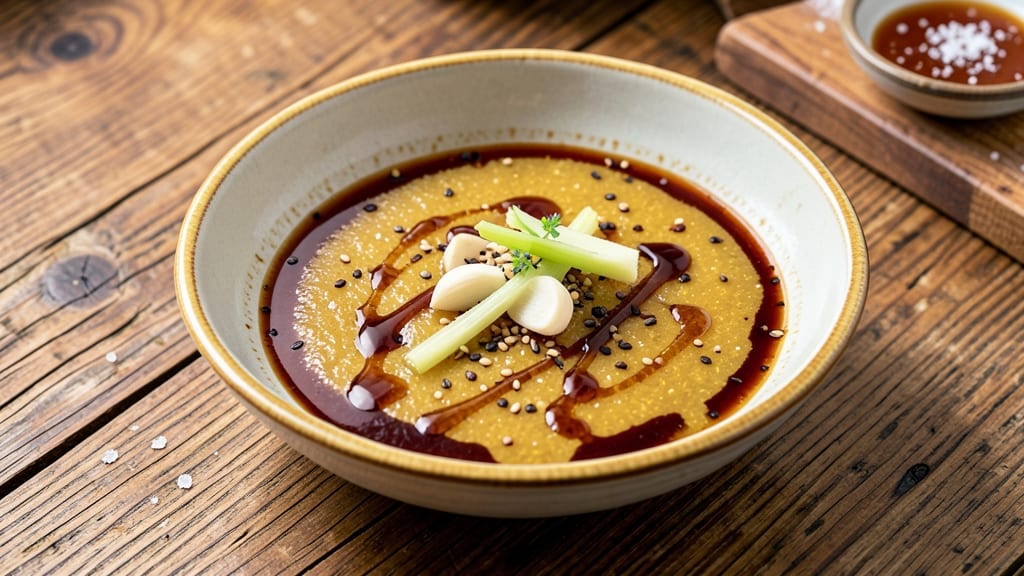
This pineapple stir-fry sauce transforms ordinary stir-fries into vibrant, tropical masterpieces with just a few simple ingredients. The perfect balance of sweet pineapple, tangy soy, and aromatic garlic creates a sauce that's both bold and approachable—ideal for beginners and seasoned cooks alike.
What makes this recipe special is its versatility; it works equally well with crispy tofu, succulent chicken, or fresh vegetables, elevating any dish with minimal effort.
The foundation of this sauce lies in its simple yet powerful combination: pineapple juice for natural sweetness, soy sauce for umami depth, and a touch of garlic and ginger for aromatic warmth. Unlike store-bought versions, this recipe avoids artificial additives, delivering a fresh, bright flavor that brightens every bite.
The sauce thickens beautifully when simmered, creating a glossy finish that coats ingredients perfectly—no lumps or aftertaste.
Once you taste this sauce, you’ll never go back to bottled versions. It’s restaurant-quality at home, with just the right balance of sweet, savory, and tangy notes that complement both mild and spicy stir-fry dishes.
The best part? It keeps well in the fridge for up to a week or freezes for months, making it a pantry staple for quick weeknight meals.
Pair it with your favorite stir-fry proteins—think shrimp, chicken, or beef—or use it as a glaze for grilled meats. The possibilities are endless, and the process is foolproof. Let’s get started on this tropical twist that will change how you enjoy stir-fry forever.
Ingredients for pineapple stir fry sauce
Pantry staples meet tropical vibes—this sauce delivers restaurant-quality flavor in minutes.
| Ingredient | Amount | Notes |
|---|---|---|
| Fresh Pineapple Juice 🍍 | 1 cup | From ripe pineapple, not canned |
| Low-Sodium Soy Sauce 🍶 | ½ cup | Kikkoman preferred for balance |
| Garlic Cloves 🧄 | 4 cloves | Minced for aromatic depth |
| Fresh Ginger 🌿 | 1 tbsp | Grated, not powdered |
| Honey 🍯 | 2 tbsp | Wildflower for floral notes |
| Rice Vinegar 🍶 | 1 tbsp | Seasoned preferred for depth |
| Sesame Oil 🫒 | 1 tbsp | Toasted for nutty aroma |
| Cornstarch 🌾 | 1 tsp | Dissolved in 1 tbsp water |
| Red Pepper Flakes 🌶️ | ½ tsp | Adjust for heat preference |
| Salt 🧂 | ½ tsp | Diamond Crystal preferred |
The pineapple juice is non-negotiable here—freshly squeezed from ripe fruit gives that bright, tangy sweetness store-bought can't match. Trader Joe's carries pre-cut pineapples if you don't want to deal with peeling, but the juice is worth the effort. For the soy sauce, Kikkoman is my go-to (low-sodium keeps the balance perfect), but any good-quality brand works. The garlic and ginger should be freshly grated or minced—pre-minced garlic lacks that aromatic punch. Pro tip: Toast the ginger slices in a dry pan for 30 seconds before grating to deepen the flavor. The honey adds that tropical sweetness, but agave works too if you're avoiding refined sugar.
No pineapple juice? Mango nectar or orange juice in a pinch (reduce by half). Running low on soy sauce? Coconut aminos or even a splash of Worcestershire (if not vegan) can substitute. The sesame oil is what gives this sauce its signature richness—don't skip it, but if you're sensitive to strong flavors, reduce to 0.5 tbsp. For heat, Sichuan peppercorn powder adds a different kind of kick if you want to experiment. The cornstarch slurry is key for that glossy finish—arrowroot works too—but don't overmix or you'll get lumps. And if you're making this ahead, add the sesame oil last to preserve its aroma.
This sauce keeps beautifully—1 week in the fridge sealed in a jar, or 3 months in the freezer in ice cube trays for single servings. The flavors actually improve after a day as everything melds together. For extra shine, add a splash of water before serving. It's perfect for marinating proteins, drizzling over noodles, or even as a glaze for grilled veggies. Double the batch—you'll want it on everything.
Why You'll Love This Recipe
- Pantry Stash Magic: I swear by this sauce because it uses things I already have—no special shopping trips. The honey and soy sauce balance the tart pineapple juice perfectly, and I’m always stocked with ginger and garlic. Honestly, it’s the kind of recipe that turns a "what’s for dinner?" panic into a "oh, that was easy" moment.
- Sweet-Savory Balance: That first taste of the sauce—bright pineapple cutting through the deep umami of soy, with ginger and garlic adding warmth—is ridiculously good. It’s not too sweet, not too salty, just that perfect harmony that makes you want to pour it on everything. My kids even fight over the last spoonful.
- Double-Duty Sauce: This isn’t just for stir-fries. Drizzle it over grilled chicken, toss it with rice, or even use it as a marinade. I’ve even glopped it on top of scrambled eggs when I’m lazy—yes, really. It’s my secret weapon for turning simple meals into something special without extra effort.
- Make-Ahead Gold: Between us, I make a big batch and keep it in the fridge for weeks. The flavors deepen over time, and it’s cheaper than buying pre-made sauces. Plus, no last-minute chopping—just grab and go. Even my picky husband grabs the bottle when he’s in a hurry.
Step-by-step instructions for pineapple stir-fry sauce
A perfect balance of tropical sweetness and savory depth awaits—let's create this vibrant sauce.
Prepare the Aromatic Base
In a small saucepan over medium heat, combine the 1 cup fresh pineapple juice, 0.5 cup low-sodium soy sauce, and 1 tbsp rice vinegar. Bring to a gentle simmer, then reduce heat to low and let it cook for 3-4 minutes until the mixture begins to reduce slightly and the aroma becomes more concentrated. This step builds the foundation for the sauce's complex flavor profile.
While the liquid simmers, add the 4 minced garlic cloves and 1 tbsp grated fresh ginger to the pan. Stir gently to distribute the aromatics evenly. Let them cook for 1 minute until fragrant but not browned—this ensures their flavors infuse without bitterness. The garlic should smell sweet and the ginger should release its zesty aroma. If you notice any browning, reduce the heat slightly to prevent burning.
Sweeten and Add Depth
Next, stir in the 2 tbsp honey and 1 tbsp toasted sesame oil. The honey will dissolve quickly, creating a glossy sheen on the surface. Let the sauce simmer for another 2-3 minutes until it thickens slightly and the flavors meld together. You'll see the sauce transform from a thin liquid to a more cohesive, syrupy consistency.
Here's the thing—this is where the sauce's character really starts to shine. The honey balances the acidity of the rice vinegar, while the sesame oil adds a nutty, toasty depth. Taste the mixture now and adjust the seasoning if needed. If it feels too sweet, add a pinch more of the 0.5 tsp salt or a splash of water to thin it out. The goal is harmony, not overwhelming sweetness.
Thicken and Season
In a small bowl, whisk together the 1 tsp cornstarch and 1 tbsp water until smooth. This slurry is your secret weapon for achieving the perfect glossy finish. Slowly pour the cornstarch mixture into the simmering sauce while stirring constantly. The sauce will begin to thicken almost immediately—keep stirring for 1-2 minutes until it reaches a smooth, coatable consistency.
Once thickened, stir in the 0.5 tsp red pepper flakes and taste again. The sauce should now have a perfect balance of sweet, tangy, umami, and a hint of heat. If you prefer more heat, add a pinch more red pepper flakes. If it's too spicy, a touch more honey will help balance it out. The sauce should coat the back of a spoon with a glossy sheen, indicating it's ready to elevate any stir-fry.
Finish and Rest
Remove the sauce from heat and let it cool for 5 minutes. This resting period allows the flavors to fully develop and the sauce to thicken slightly more as it cools. The texture should be smooth and velvety, with a beautiful amber color that hints at its complex flavor profile.
Real talk: this sauce tastes even better after sitting for 30 minutes at room temperature. The flavors continue to meld, creating a deeper, more cohesive taste. Store any leftovers in an airtight container in the refrigerator for up to 1 week, though I doubt you'll have any leftovers—it disappears fast!
Pro Tips For Making Pineapple Stir Fry Sauce
- Simmer Low and Slow: That pineapple juice isn’t water—don’t boil it off like you’re making soup. Keep the heat at a gentle simmer (tiny bubbles, not rolling) or you’ll turn the sauce into syrup and kill the fresh flavor. I learned this the hard way when my first batch tasted like overcooked fruit leather.
- Mince Ginger Like You Mean It: Fresh ginger is non-negotiable here, but don’t just chop it—actually mince it into tiny, even pieces. The finer the texture, the smoother the sauce. (Yes, even if you’re impatient like me.) Skip the food processor unless you’re willing to strain it afterward—grated ginger leaves behind gritty bits that ruin the silky finish.
- Balance the Honey Early: Honey’s sweetness can overpower the tangy pineapple if you dump it in all at once. Start with half the amount, taste, then adjust. You’re aiming for a bright, balanced flavor—not cloying. (Your future self will thank you when the sauce doesn’t taste like dessert.)
- Strain the Garlic: This isn’t the prettiest method, but it’s the tastiest. After simmering the garlic, strain it through a fine-mesh sieve to remove the cooked bits—raw garlic flavor lingers, but cooked garlic turns bitter. (I know, I know, but trust the process.) The sauce will be smoother and more aromatic.
Flavor customization for these flavors
Sweetness Level
Adjust the honey to pineapple ratio for your preferred sweetness. For a more pronounced tropical taste, increase honey to 3 tbsp—this works especially well with spicy stir-fries. If you prefer subtler sweetness, reduce to 1 tbsp and add ½ tsp maple syrup for depth.
I find 2 tbsp honey strikes the perfect balance for most dishes. 🍯
Spice Level
Control the heat with the red pepper flakes—start with ½ tsp for mild, 1 tsp for medium, or 1½ tsp for spicy. For a different kind of heat, swap in ½ tsp gochujang (Korean chili paste) for a smoky, fermented kick.
I love adding ½ tsp toasted Sichuan peppercorn powder for a numbing, citrusy heat that pairs beautifully with the pineapple's tang.
Umami Boost
Enhance the savory depth by adding 1 tbsp fish sauce (for non-vegan versions) or 1 tsp mushroom powder (for vegan). A splash of Worcestershire sauce (about ½ tsp) also works wonders.
I often add 1 tsp oyster sauce for a richer, more complex umami profile that complements the pineapple's brightness.
Tropical Twist
Infuse the sauce with other tropical flavors by adding ½ tsp lime zest or 1 tbsp lime juice for brightness. For a mango variation, replace ½ cup pineapple juice with mango nectar.
I also love adding ½ tsp toasted coconut flakes at the end for texture—it gives the sauce a beautiful crunchy finish that contrasts perfectly with silky stir-fry ingredients.
Nutty Depth
Swap sesame oil for 1 tbsp toasted peanut oil or 1 tbsp tahini for a nutty, creamy richness. Both options work beautifully with the pineapple's sweetness. For extra crunch, stir in ½ tsp crushed peanuts or sesame seeds before serving.
This variation feels especially cozy and pairs well with chicken or tofu stir-fries.
Herbal Infusions
Add fresh herbs like 1 tbsp chopped cilantro or 1 tsp Thai basil for a fragrant finish. For a more complex flavor, steep 1 tsp dried lemongrass (finely chopped) in the pineapple juice for 10 minutes before simmering.
I also love adding ½ tsp galangal (if available) for a citrusy, peppery note that elevates the sauce to new heights.
Nutrition facts
Frequently asked questions
Can I substitute canned pineapple juice for fresh?
While canned juice works in a pinch, fresh pineapple juice delivers that bright, tangy sweetness you can't get from canned. For the best results, use 1 cup of freshly squeezed juice from ripe pineapple. If you must use canned, opt for 100% pineapple juice (no added sugar) and reduce the honey to 1 tbsp to avoid over-sweetness.
How do I adjust this sauce for vegan diets?
Swap the honey for agave syrup or maple syrup, and use coconut aminos instead of soy sauce. For umami depth, add 1 tsp mushroom powder or 1 tbsp nutritional yeast. The sauce will still taste rich and flavorful while keeping it completely plant-based.
Can I make this sauce thicker or thinner?
For a thicker sauce, add ½ tsp more cornstarch (mixed with water) and simmer for 1-2 minutes. For a thinner consistency, stir in 1-2 tbsp water while warm. The ideal texture should coat the back of a spoon with a glossy finish—neither too watery nor glue-like.
What's the best way to store leftovers?
Store in an airtight container in the fridge for up to 1 week, or freeze in ice cube trays for 3 months. The sauce actually tastes better after resting—let it sit at room temperature for 30 minutes before using for the best flavor. Thaw frozen portions in the fridge overnight for even texture.
Why did my sauce turn cloudy or separate?
This usually happens if the cornstarch wasn't fully dissolved or if the sauce was heated too vigorously. To fix it, whisk in 1 tsp water and stir over low heat for 1 minute until smooth. For future batches, ensure the cornstarch slurry is completely smooth before adding to the pan.