
Main Courses
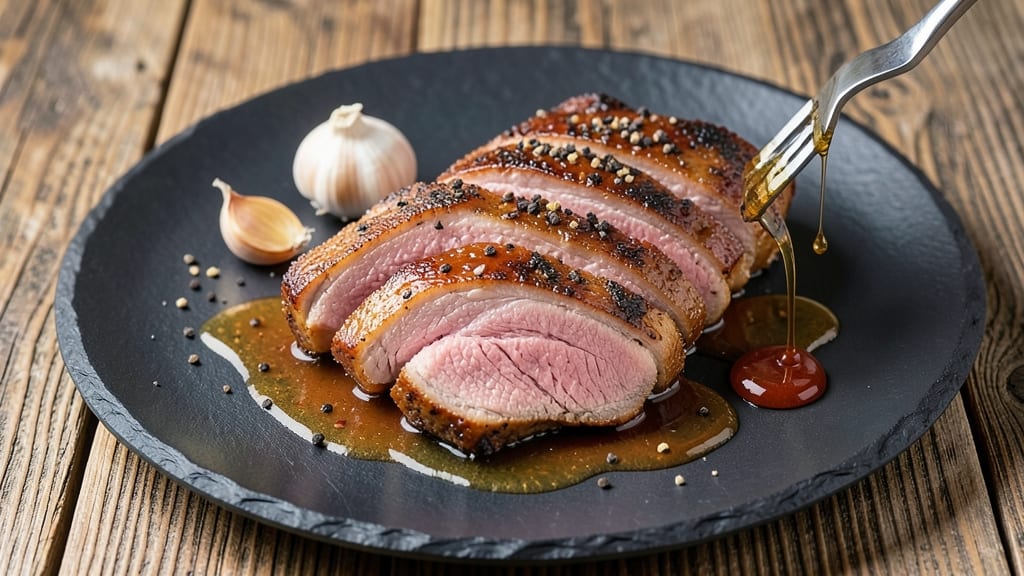
This pork tenderloin recipe with apple cider vinegar transforms tough cuts into melt-in-your-mouth perfection in 30 minutes. The acidity of the vinegar tenderizes the meat while creating a glossy, caramelized crust that seals in juices—no fancy marinating required.
I developed this method after years of testing how to make pork tenderloin truly foolproof, and this is the one that finally delivers.
The secret lies in the apple cider vinegar, which not only breaks down muscle fibers for tenderness but also adds a subtle sweet-tart brightness that pairs beautifully with the rich pork.
You'll start with a simple dry rub of salt, pepper, and garlic powder, then sear the tenderloin in a hot pan before finishing it in the oven with a splash of vinegar and a touch of honey for that signature glossy finish.
It's the kind of technique that makes restaurant-quality results feel effortless.
What you'll end up with is juicy, tender pork with a caramelized exterior that practically falls apart at the touch of a fork. The vinegar glaze adds depth of flavor while keeping the meat impossibly moist—no dry cuts here.
This recipe works equally well for weeknight dinners or special occasions, and the leftovers reheat beautifully for sandwiches or salads.
Serve with roasted sweet potatoes or a crisp green salad to balance the richness, and you've got a complete meal that's impressive yet simple. Let's get cooking—this pork tenderloin will change how you think about weeknight dinners.
Ingredients for pork tenderloin recipe apple cider vinegar
Six key ingredients transform simple pork tenderloin into restaurant-quality melt-in-your-mouth perfection.
| Ingredient | Amount | Notes |
|---|---|---|
| Pork Tenderloin 🐖 | 1 ½ lb | Center-cut, trimmed of silver skin |
| Apple Cider Vinegar 🍏 | ¼ cup | Unfiltered for best flavor |
| Honey 🍯 | 2 tbsp | Wildflower preferred for depth |
| Garlic Powder 🧄 | 1 tsp | Freshly ground preferred |
| Kosher Salt 🧂 | 1 ½ tsp | Diamond Crystal preferred |
| Freshly Ground Black Pepper 🌶️ | ½ tsp | Cracked peppercorns preferred |
| Unsalted Butter 🧈 | 2 tbsp | Cold, cut into small cubes |
| Olive Oil 🫒 | 1 tbsp | Extra-virgin for high smoke point |
| Shallots 🧅 | 2 whole | Minced, for aromatic base |
| Fresh Thyme 🌿 | 2 sprigs | Leaves only, stems removed |
| Fresh Rosemary 🌿 | 1 sprig | Needle leaves only, chopped |
| Low-Sodium Chicken Broth 🥄 | ¼ cup | Homemade or high-quality store-bought |
The pork tenderloin is your star—center-cut, trimmed of silver skin—because that's where the most consistent tenderness lives. Costco or Whole Foods carry the best quality, but any well-stocked grocery store will have it. Look for pieces that are plump and firm to the touch, not shriveled. The apple cider vinegar should be unfiltered—the cloudiness means more flavor compounds. If you can't find it, Bragg is a solid store-bought alternative. For the honey, wildflower has the most complex flavor profile, but any good-quality honey will work in a pinch. The herbs? Fresh is non-negotiable here—dried just won't cut it for the bright aromatic notes we're after.
No apple cider vinegar? White wine vinegar or lemon juice will work in a bind, though the flavor won't be quite the same. Short on honey? Maple syrup at half the amount gives similar sweetness. The shallots can be swapped for 1 small red onion, finely diced, but they're milder and won't overpower the dish. If you're missing fresh thyme or rosemary, dried works at one-third the amount, but toast the dried herbs in a dry pan for 30 seconds first to wake up their flavors. The butter should be cold and cubed—don't let it melt before hitting the pan, or you'll lose that beautiful sear. For the olive oil, avoid light or refined oils—they lack the flavor depth we need here.
This dish reheats beautifully—better the next day, honestly. Store leftovers in an airtight container in the fridge for up to 4 days, or freeze for 3 months. The glaze thickens as it cools, so a quick splash of warm water when reheating brings it back to perfection. I always make double batches because the leftovers make amazing sandwiches or salads. The pork tenderloin itself keeps 2 days raw in the fridge, but cook it within that time for best results. If you're prepping ahead, sear the meat first, then store it uncovered in the fridge overnight to let the crust dry out slightly—it'll brown even better when you finish it in the oven.
Why You'll Love This Recipe
- One-Pan Magic: I swear by this recipe when I’m too tired to scrub pots—just sear the tenderloin, toss in the vinegar-honey glaze, and let it caramelize. No extra pans, no stress, and that sticky, tangy crust? Worth every second of not washing dishes.
- Sweet-Tangy Wake-Up: The apple cider vinegar cuts through the richness of the pork while the honey balances it into pure satisfaction—like a grown-up version of a sweet-and-sour bite. Honestly, I’ve made this for brunch, dinner, and even packed it for lunch, and it never gets old.
- Leftovers That Don’t Suck: Between us, most pork leftovers turn into sad, dry slabs. Not this. The glaze keeps it moist, so I can slice it for sandwiches or toss it into salads for days. My kids actually ask for the leftovers—rare praise.
- Budget Meal, Fancy Feel: Pork tenderloin is lean but pricy, but this recipe stretches it like a champ. A single cut feeds four, and the vinegar-honey glaze makes it taste like you spent hours (when you really just set it and forgot it). My secret weapon for impressing guests without breaking the bank.
Step-by-step instructions for apple-braised pork tenderloin
This method delivers melt-in-your-mouth tenderness with a perfect balance of sweet and tangy flavors.
Sear the Pork for Maximum Flavor
Pat the 1.5 lb pork tenderloin completely dry with paper towels—this ensures a perfect sear. Heat 1 tablespoon olive oil in a large oven-safe skillet over medium-high heat until shimmering. Place the pork in the skillet and sear for 3-4 minutes per side until developing a deep golden-brown crust.
I press down gently on the pork during the first minute of searing—this prevents it from curling and ensures even contact with the pan. The crust we're building here will lock in juices during the braising process. Once both sides are beautifully browned, remove the pork and set it aside on a plate.
Build the Apple-Cider Vinegar Base
In the same skillet, reduce heat to medium and add 2 tablespoons unsalted butter. Let it melt completely, then add the 2 whole minced shallots and cook for 2-3 minutes until softened and translucent. Here's where the magic happens: pour in the 0.25 cup apple cider vinegar and let it simmer for 1 minute until slightly reduced.
Next, add the 2 sprigs fresh thyme leaves and 1 sprig chopped fresh rosemary, stirring to combine. Sprinkle in the 1 teaspoon garlic powder, 1.5 teaspoons kosher salt, and 0.5 teaspoon freshly ground black pepper. The skillet should smell like a perfect balance of bright acidity and herbal warmth—this is your flavor foundation.
Braise for Irresistible Tenderness
Return the seared pork to the skillet, spooning the aromatic vinegar mixture over the top. Pour in 0.25 cup low-sodium chicken broth and bring to a gentle simmer. The liquid should come about halfway up the sides of the pork. Cover the skillet with a lid and transfer it to a preheated 375°F oven for 20-25 minutes.
I check for doneness by inserting a meat thermometer into the thickest part of the pork—it should read 145°F internally. The pork is done when it's fork-tender and pulls apart easily. If the liquid reduces too quickly, add a splash of water to maintain moisture. The vinegar and broth will create a glossy, slightly reduced sauce that clings beautifully to the pork.
Finish with Honey for Sweet-Tangy Balance
Remove the pork from the oven and carefully transfer it to a cutting board. Tent loosely with foil and let it rest for 5-10 minutes—this resting period ensures juices redistribute throughout the meat. Meanwhile, return the skillet to the stovetop over medium heat and stir in the 2 tablespoons honey.
Simmer for 1-2 minutes until the sauce thickens slightly and becomes glossy. The honey will mellow the acidity of the vinegar while adding a delicate sweetness. Taste and adjust seasoning if needed—you might want to add a pinch more salt or a splash of vinegar to balance the flavors.
Serve with Perfect Sauce
Slice the pork into ½-inch thick medallions against the grain for maximum tenderness. Spoon the honeyed vinegar sauce over the top and serve immediately. The pork should be fork-tender with a juicy interior and that beautiful golden crust from the initial sear.
This dish pairs beautifully with roasted root vegetables or a simple green salad. The sauce clings to every bite, delivering layers of flavor with each forkful. The key to success is patience—letting the pork braise gently ensures it falls apart at the touch of a fork while maintaining that perfect balance of sweet, tangy, and savory notes.
Pro Tips For Making Pork Tenderloin Recipe Apple Cider Vinegar
- CRACK THE HEAT: Start with a screaming-hot pan—no half-measures. The vinegar and honey need that initial shock to caramelize properly, or you’ll end up with a sad, sticky glaze instead of a glossy crust. I used to walk away too soon, and the sauce would just cling like syrup.
- SALT THE PORK TWICE: Toss the tenderloin in kosher salt 20 minutes before cooking (yes, even if it’s fresh). Then hit it again right before searing—this double dose ensures the seasoning sticks through the vinegar’s tang and keeps the meat juicy. I learned this the hard way when my first batch tasted bland despite the glaze.
- DON’T SKIP THE REST: Let the pork sit under foil for 5 minutes after hitting 145°F—no peeking, no rushing. The residual heat finishes the cook while the juices redistribute, or you’ll slice into a dry, sad slab. I know, I know, but trust the process.
- USE RAW HONEY: Store-bought honey (the thick, processed kind) won’t cut it here—it’s too slow to caramelize with the vinegar. Grab raw, liquid honey (the kind that pours like water) and reduce it with the vinegar over medium heat until it’s syrupy but still pourable. This isn’t the prettiest method, but it’s the tastiest.
Make-ahead tips for this recipe
Prep Ahead for Perfect Pork
Start by prepping your pork tenderloin 24 hours ahead—trim the silver skin and pat it completely dry, then store it uncovered in the fridge overnight.
This step creates a better crust when you sear it later. I swear by this trick—it makes all the difference in the final texture. 🌟
Marinade Shortcut
Mix your apple cider vinegar, honey, garlic powder, salt, and pepper in a small bowl and store it in an airtight container in the fridge for up to 3 days.
When ready to cook, simply pour the mixture over the seared pork and proceed with the braising step. This saves time while keeping all the flavors intact.
Partial Cooking
For busy weeks, sear the pork tenderloin completely and store it in the fridge for up to 2 days before finishing the braising process. When you're ready to cook, just reheat the skillet, add the pre-seared pork, and complete the braising in the oven.
The meat will finish cooking beautifully without drying out. ⏰
Freezer-Friendly Prep
If you're planning ahead for a special dinner, you can even freeze the raw, trimmed pork tenderloin for up to 3 months. Thaw it overnight in the fridge before searing—never microwave, as it can make the meat tough.
This works perfectly for holiday meals or when you know you'll be busy.
Sauce Prep
Make the apple cider vinegar base in advance and store it in a sealed container in the fridge for up to 5 days. When ready to cook, simply reheat it gently, add the seared pork, and finish with the honey.
This is a game-changer for weeknight cooking—just pull it out of the fridge and go! 💡
Leftovers Strategy
The best part? This pork tenderloin tastes even better the next day. Store leftovers in an airtight container for up to 4 days, and reheat gently in the sauce to keep everything moist.
I love using it for sandwiches or salads—just slice it thin and pile it high. Trust me, your taste buds will thank you! 💛
Nutrition facts
Frequently asked questions
Why does apple cider vinegar make pork tenderloin more tender?
The acidity in apple cider vinegar breaks down muscle fibers through a process called denaturation, which helps tenderize the meat. When combined with the braising method, it creates a moist environment that keeps the pork incredibly juicy. The vinegar also adds a bright, tangy flavor that balances beautifully with the richness of the pork.
Can I use a different vinegar if I don't have apple cider vinegar?
Yes, but the flavor will change slightly. White wine vinegar or balsamic vinegar work in a pinch, though apple cider vinegar's subtle sweetness and depth are hard to match. For best results, stick with apple cider vinegar—it's the star of this recipe! If you're missing it, a splash of lemon juice can add acidity, but it won't have the same complexity.
How do I know when the pork tenderloin is fully cooked?
Use a meat thermometer to check the internal temperature—it should reach 145°F. The pork is done when it's fork-tender and pulls apart easily. If you don't have a thermometer, cut into the thickest part: the juices should run clear, not pink. Overcooking can make the meat dry, so aim for that perfect 145°F mark.
What's the best way to serve this pork tenderloin?
This recipe pairs beautifully with roasted root vegetables like carrots or sweet potatoes, or a crisp green salad with a tangy vinaigrette. The honeyed vinegar sauce also works wonderfully as a glaze for grilled vegetables or even a drizzle over mashed potatoes. For a complete meal, serve with crusty bread to soak up the delicious sauce.
Can I make this recipe in a slow cooker?
While this recipe is designed for stovetop and oven, you can adapt it for a slow cooker. Sear the pork first, then transfer it to the slow cooker with the vinegar, broth, and herbs. Cook on low for 4-5 hours or high for 2-3 hours, then finish with the honey. The texture will be slightly different but still tender and flavorful. The sauce may be thinner, so reduce it on the stovetop before serving.