
Sauces & Condiments
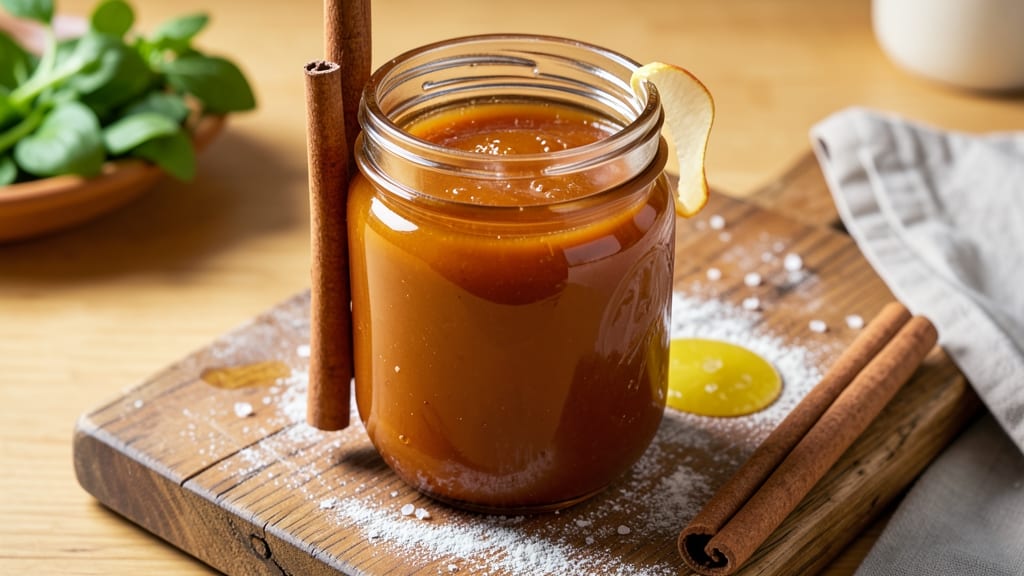
This sugar-free applesauce recipe for canning transforms your pantry into a year-round spice cabinet with naturally sweetened, shelf-stable batches that skip added sugar entirely. The secret lies in balancing acidity—lemon juice and citric acid—while preserving the fruit’s natural sweetness and texture, ensuring both flavor and safety without compromising on that classic applesauce comfort.
Perfect for canners who want to avoid refined sugar, this method uses only whole fruit, water, and natural preservatives to create a smooth, velvety sauce with a 6-12 month shelf life.
The process is straightforward: peel, cook, and can using tested times for high-acid environments, guaranteeing both safety and that familiar, comforting taste without the sugar crash.
What you’ll achieve is a batch of applesauce so rich and naturally sweet that no one will guess it’s sugar-free—ideal for baking, topping yogurt, or spreading on toast. The key is precise cooking to maintain texture while ensuring acidity levels meet USDA canning guidelines for long-term storage.
Whether you’re prepping for winter or stocking your pantry for health-conscious meals, this recipe delivers restaurant-quality results with the simplicity of home canning. Let’s get started with a method that’s both foolproof and delicious.
Ingredients for sugar free apple sauce recipe for canning
Six core ingredients, zero added sugar—just fruit, acidity, and patience for perfect canned applesauce.
| Ingredient | Amount | Notes |
|---|---|---|
| Apples (mixed varieties, peeled and cored) 🍎 | 12 lbs | Use firm, sweet-tart varieties like Honeycrisp or Fuji |
| Water 💧 | 4 cups | Filtered preferred for best flavor |
| Lemon Juice (freshly squeezed) 🍋 | ½ cup | Brightens flavor and boosts acidity |
| Citric Acid 🧂 | ½ tsp | Ensures proper acidity for canning |
| Cinnamon Sticks (optional) 🌿 | 4 whole | For subtle warmth during canning |
| Salt 🧂 | ½ tsp | Diamond Crystal preferred for balance |
| Pectin (optional, for thicker texture) 🍇 | 1 tbsp | Powdered fruit pectin works best |
The apples are everything here. Mixed varieties like Honeycrisp and Fuji give you that perfect balance of sweet and tart—12 pounds yields about seven quarts. Look for firm fruit with no bruises at Trader Joe's or local orchards (they often have seconds bins). If you can't find Honeycrisp, Gala or Granny Smith work too. Peel and core them right away—oxidation starts immediately. For maximum yield, don't skip the peeling, but if you're in a rush, a vegetable peeler works faster than a knife. The cinnamon sticks are optional but add a subtle warmth that disappears once canned, so don't worry about overdoing it.
No fresh lemon juice? Bottled lemon juice works at double the amount, but it lacks that bright punch. Citric acid is non-negotiable for safe canning—it's what ensures your applesauce stays shelf-stable for months. Penzeys or Ball brand are reliable sources if you're buying it separately. Want thicker sauce? Add powdered pectin at the end of cooking, but it's not required—this recipe works beautifully without it. The salt might seem negligible, but it rounds out the flavors. Diamond Crystal kosher salt
Applesauce can safely for 6-12 months once sealed, but the texture improves after a few weeks as flavors meld. Store unopened jars in a cool, dark place—pantry or root cellar is ideal. Once opened, refrigerate and use within 2 weekswater bath canner for 15 minutes (adjust for altitude). The lemon juice and citric acid combo ensures safety while keeping it naturally sweet. Freezing is an option too—just leave 1-inch headspace and freeze for up to 8 months. The sauce thickens further when reheated, so add a splash of water if it's too stiff.
Why You'll Love This Recipe
- No-Sugar Guilt: I’ll be honest—this recipe keeps the sweetness without the sugar crash. That bright lemon juice and just a pinch of citric acid make it tangy enough to satisfy, while the apples hold their natural flavor. No weird aftertaste, just pure, clean apple goodness that actually tastes like it belongs in a jar.
- Canning Simplified: Between us, canning can feel intimidating—but this? It’s foolproof. You boil the apples whole, then crush them in the jar, leaving the peels for natural pectin. The lemon juice and citric acid do the acidification work for you, so no pH strips or second-guessing. Honestly, it’s the only canning recipe I don’t stress over.
- Pantry Staple Power: This sauce isn’t just for applesauce. Spread it on toast, stir it into oatmeal, or dollop it on yogurt—it’s the unsung hero of my breakfast rotation. And because it’s shelf-stable, I keep a jar in the pantry for when I’m too tired to cook. (Yes, even on a Tuesday night.)
- Budget-Friendly Bounty: Apples are cheap, and this recipe stretches them far. A few bags of mixed varieties mean you’re not tied to one pricey apple. Plus, the citric acid and cinnamon (if you use it) are pennies’ worth of magic. Make a big batch, can it up, and you’ve got a year’s worth of sweetness without breaking the bank—or your diet.
Step-by-step instructions for preserving sugar-free apple sauce
Here's how to transform fresh apples into a naturally sweetened, shelf-stable sauce that keeps beautifully.
Prepare the Apples and Cook to Softness
Core and peel the 12 lbs of apples, cutting them into ½-inch chunks. I like to work in batches to keep the prep manageable—toss each batch into a large stockpot as you go. Add the 4 cups of water, all 4 whole cinnamon sticks if using, and the 0.5 tsp citric acid. Bring to a boil over medium-high heat, then immediately reduce to medium-low.
Simmer uncovered for 20-25 minutes, stirring occasionally, until the apples break down completely and the mixture resembles a thick sauce. You'll know it's ready when you can mash a piece between your fingers with no resistance—this ensures proper texture for canning. The sauce should smell richly apple-y with a subtle citrus note from the citric acid.
Add Acid and Pectin for Stability
Remove the pot from heat and stir in the 0.5 cup lemon juice and 0.5 tsp salt. If you're using the 1 tbsp pectin, whisk it into 2 tablespoons of cold water first to create a slurry, then add it to the hot apple mixture. This step is crucial for both flavor balance and texture control—pectin helps thicken the sauce slightly while maintaining that smooth, velvety consistency.
Return the mixture to a gentle simmer for an additional 5 minutes, stirring constantly. The sauce should thicken noticeably during this time. Taste and adjust seasoning if needed—you might want to add a pinch more salt or a splash more lemon juice to enhance the brightness. Let it cool slightly to about 180°F before canning, which takes about 15 minutes.
Fill Jars and Process for Long Shelf Life
Ladle the hot apple sauce into clean, sterilized pint or half-pint jars, leaving ½-inch headspace at the top. Use a funnel if needed to avoid spills. Wipe the jar rims with a clean, damp cloth to ensure perfect seals. Place lids on the jars and screw on bands until fingertip-tight.
Process the jars in a boiling water bath for 15 minutes for half-pints or 20 minutes for pints. Start timing as soon as the water returns to a full rolling boil. This heat treatment creates a vacuum seal that preserves the sauce for up to 1 year in a cool, dark pantry. The sauce should have a glossy sheen and maintain its texture after processing.
Pro Tips For Making Sugar Free Apple Sauce Recipe For Canning
- Use Two Heat Stages: I learned this the hard way—boiling apples at a rolling simmer turns them mushy fast. Start with a hard boil for 5 minutes to soften them, then drop to a gentle simmer (tiny bubbles at the edges) for the remaining 15-20 minutes. This keeps texture intact while breaking down pectin naturally.
- Strain Before Acidifying: Citric acid needs to dissolve completely, and pulp clogs the job. After cooking, strain the apples through a fine-mesh sieve or food mill while still hot—this removes skin strings and lets the acid mix evenly. Don’t skip this; uneven acidity risks spoilage during canning.
- Measure Lemon Juice Precisely: Fresh lemon juice varies wildly in acidity. Use a scale: 1 tablespoon of juice equals roughly 15ml, but weigh it for accuracy (15g per pint of sauce). If you’re short, add a pinch of citric acid (¼ teaspoon per pint) to guarantee safe pH levels—your jars will thank you later.
- Skip the Cinnamon Stick in Jars: Whole cinnamon sticks look pretty but mold in sealed jars. If you love the flavor, simmer them with the apples, then strain them out before canning. For that warm aroma later, add a crushed cinnamon stick after opening the jar—it’ll still smell amazing without the risk.
Troubleshooting perfect results
Cloudy Sauce Fix
If your applesauce looks cloudy after canning, it’s usually from insufficient cooking time or improper acidity. Extend simmering to 30 minutes for a clearer texture, and double-check your lemon juice and citric acid measurements—0.5 cup lemon juice + 0.5 tsp citric acid is the magic combo for clarity.
Always use fresh, high-quality apples like Honeycrisp or Fuji, as their natural pectin helps achieve that polished look. 💧
Weak or Broken Seals
Jars that don’t seal properly often mean headspace was too large or lids weren’t tightened enough. Leave exactly ½-inch headspace, and use a jar lifter to adjust lids to fingertip-tight pressure—don’t over-tighten.
If a jar fails, reprocess it within 24 hours for safety. I’ve found that Ball or Kerr brand jars consistently seal better, so they’re my go-to for canning projects. 🔄
Fermentation or Mold
Fermentation or mold usually means the acidity level was too low. Always test pH before canning—it should be below 4.6. If you’re unsure, add an extra ¼ tsp citric acid per quart to play it safe.
Store jars in a cool, dark place (60°F or below) to prevent spoilage. Discard any jars with bulging lids, off smells, or mold immediately—they’re unsafe to eat. 🚨
Sauce Too Thin or Watery
Thin sauce happens when apples weren’t cooked long enough or too much water was added. Simmer uncovered for 5-10 extra minutes to thicken naturally, or stir in 1 tbsp powdered pectin dissolved in 2 tbsp cold water at the end.
For canning, use a slotted spoon to skim excess liquid before filling jars. If the sauce separates after canning, simply reheat it gently and stir—it’ll recombine. ✨
Off or Bitter Taste
Bitterness often comes from overcooking or using overly tart apples like Granny Smith. Balance flavors by adding 1-2 tbsp honey or maple syrup (optional, but natural) or a pinch more salt.
For best results, stick to sweet-tart varieties like Gala or Honeycrisp, and avoid cooking beyond 30 minutes to preserve natural sweetness. 🍎
Jars Not Filling Properly
If your jars aren’t filling easily, the sauce might be too thick or the apples weren’t broken down enough. Use a potato masher to crush any remaining chunks before canning, or add ¼ cup water to thin the mixture slightly.
Preheat your jars in warm water for 10 minutes before filling to ensure smooth pouring. I also recommend using a wide-mouth funnel to avoid spills and air pockets. 🥫
Nutrition facts
Frequently asked questions
Can I use any apples for this sugar-free recipe?
Sweet-tart varieties like Honeycrisp, Fuji, or Gala work best—they balance natural sweetness without needing added sugar. Avoid overly tart apples like Granny Smith, as they can make the finished sauce taste bitter. If you only have tart apples, add 1-2 tbsp honey or maple syrup at the end to enhance sweetness.
Why do I need citric acid if I'm already using lemon juice?
Citric acid ensures your applesauce meets the pH 4.6 requirement for safe canning—lemon juice alone may not provide enough acidity. The combination of 0.5 cup lemon juice + 0.5 tsp citric acid guarantees proper preservation while keeping the sauce naturally sweet.
How do I know when the apples are fully cooked?
The sauce is ready when you can mash a piece of apple between your fingers with no resistance and it resembles a thick, smooth consistency. This usually takes 20-25 minutes of simmering. Overcooking can make the sauce bitter, so aim for just until fully broken down.
Can I can this applesauce without a water bath?
No, water bath canning is required for safety. The 15-20 minute processing time ensures proper sterilization and creates a vacuum seal. Pressure canning isn't needed because applesauce is high-acid, but never skip the water bath step—it's what makes your preserved sauce safe to store for months.
Will this applesauce thicken more after opening?
Yes! The sauce naturally thickens further as it sits. If it becomes too stiff, simply reheat with 1-2 tbsp water and stir until smooth. For best texture, store opened jars in the refrigerator and use within 2 weeks. The canning process preserves flavor while allowing this natural thickening.