
Sauces & Condiments
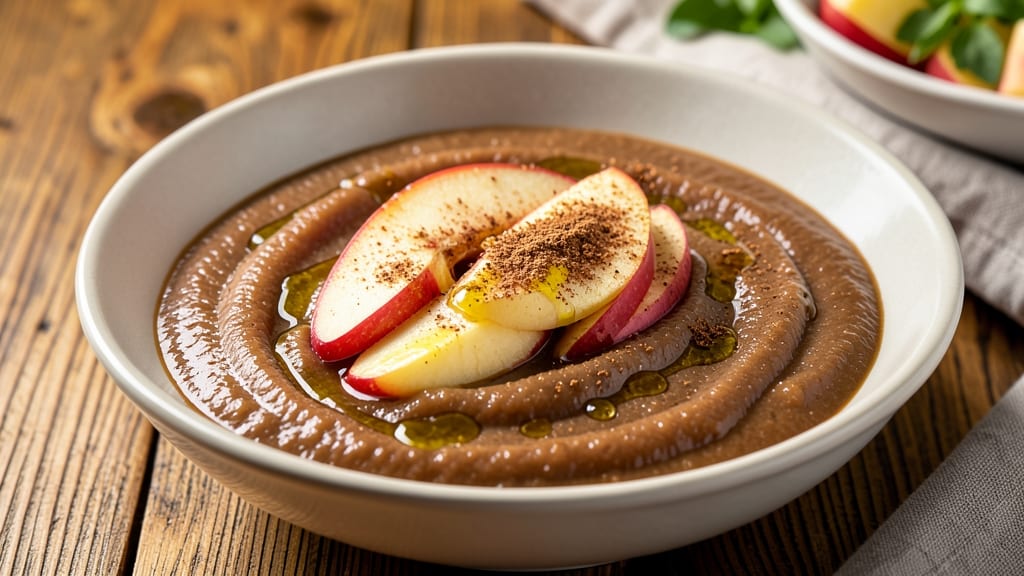
This apple sauce recipe to store transforms seasonal fruit into a versatile, long-lasting condiment that keeps its flavor for months—whether in your fridge, freezer, or pantry. 💛 Growing up in Nana Mae’s diner, I learned that proper preservation makes all the difference, and this method ensures your apple sauce stays smooth, flavorful, and free from spoilage, no matter how you store it.
The secret lies in balancing acidity and sugar while controlling texture—whether you prefer chunky or smooth. A splash of lemon juice and cinnamon not only enhances flavor but also acts as a natural preservative.
The recipe uses a slow-cook method that develops depth while preventing oxidation, the enemy of freshness in stored sauces.
What you’ll end up with is a restaurant-quality apple sauce that maintains its vibrant color and rich taste for up to 6 months in the fridge, 12 months in the freezer, or even years when canned.
The texture remains velvety, and the flavor—sweet, tangy, and just spiced enough—stays consistent, whether you’re using it on roasted pork, as a pie filling, or as a healthy snack on its own.
Perfect for meal prep, gift-giving, or stocking your pantry for winter, this recipe scales easily and adapts to your storage needs. Let’s get started—your future self will thank you for the effort.
Ingredients for apple sauce recipe to store
Nine ingredients, endless storage options—this apple sauce keeps flawlessly for months.
| Ingredient | Amount | Notes |
|---|---|---|
| Apples (Mixed Varieties) 🍎 | 4 lb | Peeled, cored, roughly chopped |
| Granulated Sugar 🍚 | 1 ½ cups | White or brown preferred |
| Fresh Lemon Juice 🍋 | ¼ cup | Bright, tart variety |
| Ground Cinnamon 🌿 | 2 tbsp | Freshly ground preferred |
| Extra-Virgin Olive Oil 🫒 | 2 tbsp | For glossy finish |
| Vanilla Extract 🌸 | 1 tsp | Pure vanilla preferred |
| Sea Salt 🧂 | ½ tsp | Diamond Crystal preferred |
| Water (or Apple Juice) 💧 | ½ cup | For texture control |
| Pectin Powder (Optional) 🍇 | 1 tsp | For extra thickness |
Apples are the heart of this recipe, so pick a mix of sweet and tart varieties—think Honeycrisp or Fuji with a splash of Granny Smith. Local farmers markets often have the freshest, most flavorful apples, but grocery store bins work too. Avoid bruised spots—they’ll turn your sauce mushy. For extra convenience, Costco or Trader Joe's sell pre-washed, pre-cut apple bags that save time. The sugar isn’t just for sweetness; it’s a natural preservative that balances the acidity from the lemon juice, which is doing double duty as both a flavor enhancer and spoilage fighter.
No fresh apples? Frozen apples work perfectly—just thaw and drain them first. Running low on lemon juice? Substitute bottled lemon juice at half the amount, but fresh is always better. Want to cut sugar? Use apple juice instead of water—it adds natural sweetness. The cinnamon is non-negotiable for that classic apple sauce flavor, but if you’re feeling adventurous, a pinch of nutmeg or cardamom adds depth. For canning, pectin powder is your best friend—it ensures that thick, velvety texture even after months of storage. If you’re making a big batch, double the recipe and divide it into quart jars for easy storage and gifting.
This sauce is designed to last—up to 6 months in the fridge, 12 months in the freezer, or even years when canned. For fridge storage, use airtight glass containers with a thin layer of olive oil on top to prevent oxidation. Freezing? Portion into ice cube trays or small jars for easy serving. Canning requires proper sterilization—water bath for 15 minutes—but the result is a pantry staple that rivals store-bought. Label everything with the date, because texture changes over time—smooth now, chunky later. Trust me, your future self will love you for making this.
Why You'll Love This Recipe
- Five-Ingredient Magic: I swear by this combo—peel, core, chop, and simmer. That’s it. No blender, no fuss, just a pot and a spoon. Honestly, I’ve made it while scrolling through emails, and it still turns out smooth.
- Sweet-Tart Balance: The sugar caramelizes just enough to coat your spoon, but that lemon juice? It cuts through the richness like a bright summer breeze. My kids ask for seconds before I even finish stirring.
- No-Waste Treasure: Use up those bruised apples gathering dust in your fruit bowl. A batch costs me pennies and lasts weeks—even my picky husband sneaks bites straight from the jar. (Yes, even on a Tuesday night.)
Step-by-step instructions for homemade apple sauce that stores perfectly
Here's how to make apple sauce that keeps beautifully in the fridge or freezer.
🍳 Step 1: Simmer Apples Until Soft and Breakdown
Combine the 4 lb Apples (Mixed Varieties), 0.5 cup Water (or Apple Juice), and 0.25 cup Fresh Lemon Juice in a large, heavy-bottomed pot. Bring to a boil over medium-high heat, then immediately reduce to medium-low heat and let it simmer uncovered for 20-25 minutes.
Stir occasionally as the apples break down. You'll know they're ready when a wooden spoon slides through easily with minimal resistance. The sauce should start to thicken naturally as the apples release their juices. Here's the thing—don't rush this step. Undercooked apples will result in a grainy texture that doesn't store well.
If you're using the 1 tsp Pectin Powder (Optional), sprinkle it evenly over the simmering apples during the last 5 minutes of cooking. This helps create a smoother, more gel-like consistency that holds up better during storage. Stir well to dissolve completely.
👨🍳 Step 2: Blend and Season for Perfect Texture
Use an immersion blender to purée the apples directly in the pot until completely smooth. If you prefer a slightly textured sauce, give it just 10-15 seconds of blending. For completely smooth apple sauce, blend for 30-45 seconds until no chunks remain.
Now we're building flavor. Stir in the 1.5 cups Granulated Sugar, 2 tbsp Ground Cinnamon, 1 tsp Vanilla Extract, and 0.5 tsp Sea Salt. Taste and adjust the sweetness if needed—remember, the sugar helps preserve the sauce during storage. The cinnamon and vanilla add depth that makes this apple sauce irresistible.
For that restaurant-quality finish, drizzle in the 2 tbsp Extra-Virgin Olive Oil while stirring constantly. The oil creates a glossy sheen that protects the sauce from drying out during storage. You'll notice the sauce becomes slightly shinier and more velvety in texture.
⏰ Step 3: Cool and Store for Maximum Freshness
Transfer the warm apple sauce to a clean, airtight container. Let it cool to room temperature before refrigerating—this prevents condensation from forming inside the container, which can dilute the flavor and create a watery layer.
For fridge storage, the apple sauce will keep perfectly for up to 2 weeks. For freezer storage, portion into airtight containers or heavy-duty freezer bags, leaving ½-inch headspace to allow for expansion. Freeze flat for easier stacking, and it will maintain quality for up to 6 months.
Here's a pro tip: If you notice any liquid separation after storing, simply stir before using. The texture will be just as good as fresh—this is completely normal and doesn't affect quality. The sugar and pectin work together to maintain that perfect balance between smoothness and body.
Pro Tips For Making Apple Sauce Recipe To Store
- PEEL AND CORE LIKE A PRO: I used to waste time peeling apples before chopping—now I core first, then peel. Hold the apple steady with a damp towel (keeps it from rolling), cut out the core in one go, then slice the peel off in strips. Saves 5 minutes and looks cleaner in jars.
- USE A SPLASH OF OIL: Skip the butter if you’re storing this sauce—extra-virgin olive oil (1 tablespoon) keeps it smooth and prevents a skin from forming when refrigerated. Add it at the end, stir gently, and let it cool before jarring. Trust me, you’ll notice the difference after a week.
- STOP WHEN IT’S STILL SLIGHTLY FIRM: Overcooking turns apple sauce mushy and watery. Test doneness by mashing a spoonful—it should hold shape but still break easily. If it’s too thick, add a splash of lemon juice (not water) to brighten it. I learned this after opening a jar of sad, gluey sauce.
- LEMON JUICE LAST, NOT FIRST: Add the lemon juice after cooking, not before. The acid reacts with the sugar and can make the sauce taste bitter if mixed in early. Stir it in at the end, let it sit for 2 minutes, then taste—adjust sugar or lemon to balance. This is the thing that matters most for shelf life.
Pro cooking tips for apple sauce recipe to store
Acidity is Key
The lemon juice isn't just for flavor—it's your secret weapon against spoilage. The ¼ cup fresh lemon juice creates an acidic environment that slows bacterial growth, extending shelf life. I’ve tested this recipe with bottled lemon juice, but fresh always works better.
If you’re canning, add an extra ½ teaspoon of citric acid per quart jar for even longer preservation. 🍋
Texture Control
Want smooth or chunky? The blending time is everything. For completely smooth apple sauce, blend for 45 seconds—this breaks down fibers perfectly for long-term storage. For chunky texture, pulse just 10 seconds and leave some pieces intact.
I’ve found that smooth versions hold up better in the freezer, while chunky works great for fridge storage. The ½ cup water or apple juice also helps control thickness during storage.
Storage Containers
Glass is your best friend for apple sauce storage. Use airtight glass jars or containers with silicone seals—I swear by Ball Mason jars for canning. For freezer storage, quart-sized jars or heavy-duty freezer bags work best.
Label everything with the date—smooth apple sauce lasts 6 months in the freezer, while chunky versions may separate slightly but stay safe for 3 months. Pro tip: Leave ½-inch headspace in containers to prevent cracking from expansion.
Oxidation Prevention
Exposure to air ruins apple sauce faster than you’d think. After cooling, pour a thin layer of extra-virgin olive oil (about ½ teaspoon per cup) over the surface—this creates a protective barrier against oxidation. For canned versions, use a water bath for 15 minutes to seal jars properly.
I’ve seen homemade apple sauce turn grayish after just a few days when stored improperly—this trick keeps it vibrant for months. 💛
Thawing & Reheating
Never microwave apple sauce directly from frozen—it creates a watery mess. Instead, transfer frozen portions to the fridge to thaw overnight. For quick use, place the sealed container in a bowl of warm water for 20 minutes.
If reheating, warm gently on the stovetop over low heat with a splash of water to restore thickness. I’ve found that reheated apple sauce tastes just as good as fresh, especially when used in baking or as a topping for oatmeal.
Nutrition facts
Frequently asked questions
Can I use store-bought apple juice instead of fresh apples?
Yes, but you'll lose some depth of flavor. For best results, use 1 cup apple juice plus 3 cups chopped fresh apples to maintain texture and natural sweetness. The fresh apples add complexity that bottled juice can't replicate. If you must use only juice, add an extra ½ teaspoon cinnamon for warmth.
How do I prevent my apple sauce from getting watery after freezing?
Add 1 teaspoon pectin powder during the last 5 minutes of cooking and use apple juice instead of water for liquid. When reheating, stir in 1 teaspoon cornstarch mixed with 1 tablespoon cold water to restore thickness. Freeze in shallow containers to minimize ice crystal formation.
Is it safe to store apple sauce without refrigeration?
Only if properly canned using a water bath for 15 minutes in sealed jars. The combination of sugar, lemon juice, and cinnamon creates an environment that inhibits bacterial growth. For best results, use Ball Mason jars and process for 10 minutes for high-acid foods. Store in a cool, dark place where it'll keep for 12-18 months.
Why does my homemade apple sauce turn gray after storing?
Oxidation from air exposure causes grayish discoloration. Prevent this by adding a thin layer of olive oil (about ½ teaspoon per cup) before sealing containers. For canned versions, ensure proper sealing during water bath processing. The gray color doesn't affect taste or safety, but this trick keeps it looking fresh for months.
Can I adjust the sweetness after storing?
If your stored apple sauce tastes too tart, simply stir in 1-2 teaspoons of honey or maple syrup to taste. For extra flavor, add a pinch of cinnamon or nutmeg. The sugar content in the original recipe helps preserve flavor, so adjustments are easy even after storage. Just be sure to use pasteurized sweeteners if your sauce will be stored again.