
Sauces & Condiments
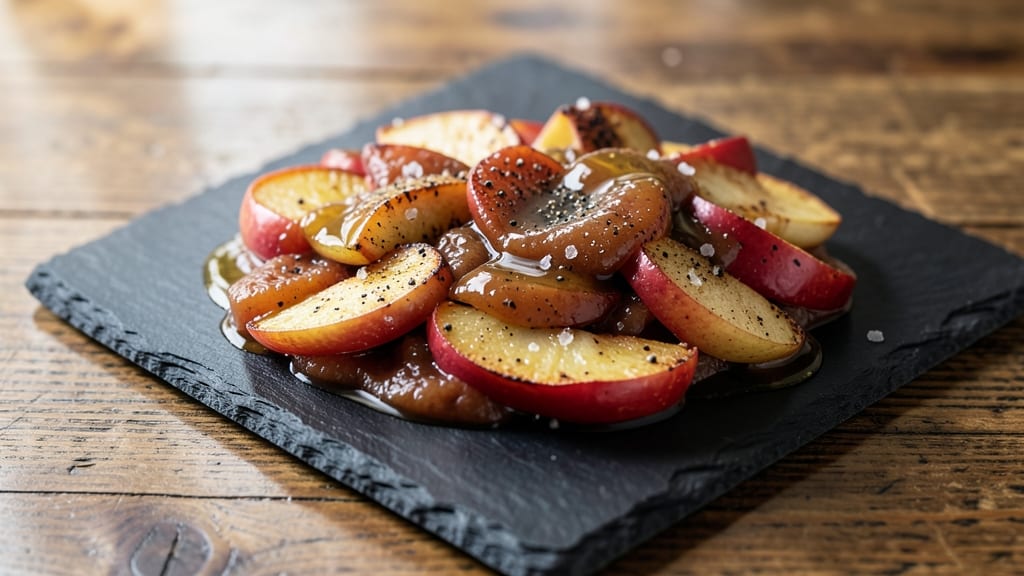
This roasted apple grille sauce recipe transforms simple apples into a spiced caramelized masterpiece that elevates grilled meats from good to unforgettable. 🍏✨ The secret lies in slow-roasting apples until they're tender and deeply aromatic, then blending them with warm spices and a touch of tangy vinegar for balance.
I developed this sauce during a coastal cookout when I wanted something that could stand up to smoky grilled pork—it became an instant crowd-pleaser.
The beauty of this sauce is its versatility—it works as a glaze for ribs, a dip for cheese boards, or even a dessert drizzle. The roasting process concentrates the natural sweetness while developing complex caramel notes, and the spices add warmth without overpowering.
With just five simple ingredients and 20 minutes of hands-on time, you'll have a sauce that's restaurant-quality at home.
What makes this sauce truly special is how it enhances rather than competes with your main dish. The caramelized apples create a sticky, flavorful crust when brushed on grilled meats, while the subtle spice blend adds depth that complements everything from pulled pork to roasted chicken.
The sauce keeps well in the refrigerator for up to one week, making it perfect for meal prep.
Pair it with your favorite grilled proteins or even use it as a glaze for roasted vegetables. The possibilities are endless—let's make this sauce that'll have everyone asking for seconds.
Ingredients for roasted apple grille sauce
Five simple ingredients transform humble apples into a showstopping grilled sauce.
| Ingredient | Amount | Notes |
|---|---|---|
| Honeycrisp Apples 🍏 | 2 lbs | Cored, peeled, cut into chunks |
| Extra-Virgin Olive Oil 🫒 | ¼ cup | High quality, fruity variety |
| Apple Cider Vinegar 🍎 | ¼ cup | Raw, unfiltered preferred |
| Ground Cinnamon 🌿 | 1 tbsp | Freshly ground for warmth |
| Ground Ginger 🌶️ | ½ tsp | Freshly grated preferred |
| Salt 🧂 | ½ tsp | Kosher or sea salt |
| Fresh Rosemary 🌿 | 2 sprigs | Stems removed, finely chopped |
The apples make or break this sauce. Honeycrisp or Fuji are ideal—they hold up to roasting without turning mushy. Local farmers markets often have the best selection, but any crisp apple works in a pinch. Look for firm, unblemished fruit. I usually grab mine from Whole Foods when I'm making a big batch, but regular grocery stores carry them too. The key is to peel and core them right before roasting—oxidation starts immediately, so don't prep too far ahead. For extra caramelization, toss the apple chunks with a drizzle of olive oil before roasting.
No apple cider vinegar? White vinegar or lemon juice works in a bind, though it'll be slightly less tangy. Fresh rosemary hard to find? Dried rosemary at one-third the amount gets you close. The ginger can be swapped for ground allspice at half the quantity if you're out. For a deeper flavor, toast the cinnamon and ginger in a dry pan for 30 seconds before adding to the sauce. The olive oil matters here—avoid light or refined varieties that lack fruity notes. The sauce will thicken as it cools, so don't stress if it looks too thin right after blending.
This sauce tastes even better the next day once the flavors meld. Store it in an airtight container in the fridge for up to one week. I like to portion it into small jars so I can grab just what I need for a quick glaze. For longer storage, freeze in ice cube trays—perfect for single-use portions. The sauce reheats beautifully in the microwave or stovetop, though it'll be thinner. Brush it on grilled meats in the last 2-3 minutes of cooking for maximum caramelization.
Why You'll Love This Recipe
- Five-Ingredient Magic: The pantry already has most of this—just dice apples, toss with olive oil and spices, and roast. No fancy techniques, no stress. (Yes, even on a Tuesday night.)
- Sweet-Spiced Kick: That Honeycrisp caramelizes into something ridiculously good—like apple pie meets grilled cheese, but better. The cinnamon and ginger? Pure flavor gold.
- Double-Duty Sauce: Slather it on burgers, drizzle over roasted chicken, or toss with fries. It’s the kind of sauce that makes you want to buy apples just to roast them again.
- Make-Ahead Hero: Roast a big batch on Sunday, store it in the fridge, and grab it all week. No reheating needed—just pop it straight from the fridge onto whatever you’re cooking. Budget-friendly too.
Step-by-step instructions for roasted apple grille sauce
Transform sweet apples into a rich, spiced sauce that'll elevate any grilled dish.
🔥 Step 1: Prep and Roast the Apples
Preheat your oven to 400°F. Toss the 2 lbs Honeycrisp Apples with 0.25 cup Extra-Virgin Olive Oil, 1 tbsp Ground Cinnamon, 0.5 tsp Ground Ginger, and 0.5 tsp Salt on a large baking sheet. Spread them in a single layer—they should have room to caramelize without crowding.
Roast for 25-30 minutes until the edges are deep golden brown and the apples are tender when pierced with a fork. Here's the thing—you want them to break down but not turn to mush. If they're browning too quickly, tent the pan with foil to prevent burning. The aroma will fill your kitchen, and that's your signal they're ready.
🍳 Step 2: Caramelize the Apples
Once roasted, transfer the apples to a food processor or blender. You'll want to scrape up any caramelized bits from the baking sheet—they're packed with flavor. Add the 2 sprigs Fresh Rosemary (stems removed) and pulse until you get a thick, chunky puree. If it's too thick, add 1-2 tablespoons of water to help it blend smoothly.
Taste the mixture—it should be sweet with warm cinnamon and ginger notes. If it needs more depth, add a pinch of salt. The rosemary will add a fresh herbal brightness that balances the sweetness perfectly. Don't skip this tasting step; it's where you adjust the flavors before committing to the full recipe.
🥘 Step 3: Simmer and Thicken the Sauce
Pour the apple mixture into a saucepan and stir in the 0.25 cup Apple Cider Vinegar. Bring to a gentle simmer over medium heat, then reduce to low and let it cook for 8-10 minutes, stirring occasionally. You're looking for the sauce to thicken slightly and develop a glossy sheen.
Here's where it gets good—the vinegar cuts through the sweetness, creating a perfect balance. If the sauce is too thick, add a splash of water or apple juice to reach your desired consistency. It should coat the back of a spoon but still be pourable. Strain it through a fine-mesh sieve if you prefer a smoother texture, or leave it slightly chunky for rustic appeal.
⏰ Step 4: Rest and Finish
Remove the sauce from heat and let it cool for 10 minutes. This resting period allows the flavors to meld and the sauce to thicken further. Taste again and adjust seasoning if needed—maybe a pinch more salt or cinnamon to elevate the flavors.
For the ultimate presentation, drizzle the sauce over grilled meats like pork chops, chicken, or even steak. The warm spices and caramelized sweetness will complement the smoky flavors perfectly. Store any leftovers in an airtight container in the refrigerator for up to 5 days, or freeze for 3 months. Reheat gently over low heat, stirring occasionally to prevent scorching.
Pro Tips For Making Roasted Apple Grille Sauce
- CUT APPLES IN EVEN SLICES: Honeycrisp apples have a stubborn core—if you don’t trim the stem and blossom ends and cut them into ¼-inch slices, you’ll end up with uneven cooking. Thin slices caramelize faster and soak up the olive oil and spices better, so don’t rush this step.
- ROAST AT 400°F—NOT HIGHER: I learned this the hard way—blasting them at 425°F turns the edges black before the centers soften. Keep it steady at 400°F for 15-20 minutes, flipping halfway, and the apples will be tender with just a hint of crispness. Trust the oven, not your impatience.
- USE COLD-SPOONED SPICES: Scoop your cinnamon and ginger from the jar with a cold metal spoon—it packs more flavor per tablespoon than a damp measuring spoon. Sprinkle them over the apples after tossing with oil and vinegar so they stick to the fruit instead of clumping into useless dust.
- SIMMER THE SAUCE SHORT: After roasting, don’t let the sauce reduce for more than 5 minutes—Honeycrisp apples release enough natural pectin to thicken it fast. If it’s still too thin, mash a few roasted slices into it instead of adding cornstarch. The texture stays rich, not gluey.
Flavor customization for roasted apple grille sauce
Spiced Variations
Want to kick things up a notch? Swap the cinnamon for 1 tbsp smoked paprika and add ½ tsp cayenne pepper—this version pairs perfectly with grilled pork ribs. I once made this at a coastal BBQ competition, and the smoky-sweet combo won first place. 🔥
For a cozy fall twist, toast ½ tsp ground nutmeg and ½ tsp allspice in a dry pan before mixing into the roasted apples. The warm, earthy notes make this sauce ideal for roasted chicken or even as a dessert glaze for apple crisp.
Sweet Heat Balance
If you love a little kick, add 1 tsp hot honey or ½ tsp chili flakes to the finished sauce. The honey adds natural sweetness while the chili flakes bring a subtle heat that cuts through the richness.
I drizzle this version over grilled peaches for a dessert that feels like a hug.
For a honey-free option, stir in 1 tbsp blackberry jam after simmering. The tartness of the jam balances the apple sweetness beautifully, and it adds a vibrant purple hue that looks stunning drizzled over grilled salmon or roasted carrots.
Herb Swaps
Fresh rosemary hard to find? No problem—swap it for thyme or tarragon for a different herbal profile. Thyme adds an earthy depth, while tarragon brings a slightly anise-like sweetness. I keep dried herbs on hand for quick substitutions, but fresh is always better if you can get it.
For a citrusy twist, add 1 tbsp finely grated orange zest to the roasted apples before blending. The bright citrus notes pair amazingly with grilled lamb or even as a marinade for chicken. The zest adds a pop of color too, making the sauce visually appealing.
Dairy Additions
For a creamy version, stir in ¼ cup sour cream or Greek yogurt after simmering. The tanginess cuts through the sweetness, and the texture becomes lusciously smooth. This works especially well as a dip for warm pretzels or as a glaze for grilled vegetables.
Craving something richer? Fold in 2 oz softened goat cheese at the end. The creamy, slightly tangy cheese elevates the sauce to new heights, making it perfect for drizzling over grilled steak or as a topping for charcuterie boards. 🧀
Nutrition facts
Frequently asked questions
Can I use this sauce on non-meat dishes?
While it's perfect for grilled meats, this sauce also works beautifully as a glaze for roasted vegetables like carrots or Brussels sprouts. Try drizzling it over warm pretzels or even as a dip for fresh fruit like sliced pears. The warm spices and caramelized sweetness make it surprisingly versatile for both sweet and savory applications.
How do I adjust the sweetness level?
If the sauce tastes too sweet, add 1-2 teaspoons of apple cider vinegar or lemon juice to cut through the sweetness. For less sweetness upfront, reduce the apple quantity by 0.5 lb and add 1 extra tablespoon of ginger to enhance the spice profile. The roasting process concentrates the natural sugars, so precise measurement is key.
What's the best way to reheat this sauce?
Reheat gently over low heat in a saucepan, stirring constantly to prevent scorching. For microwave reheating, use 20-second intervals on medium power, stirring between each. Add a splash of water or apple juice if the sauce thickens too much during reheating. Never boil the sauce—just warm through to 160°F for safety.
Can I make this sauce without a food processor?
Yes! Mash the roasted apples with a potato masher or fork, then press through a fine-mesh sieve to remove skins. For a chunkier texture, simply chop the apples finely with a knife before blending with other ingredients. The sauce will be slightly less smooth but still delicious—just stir in the vinegar and spices as directed.
How can I use up leftover sauce?
Freeze leftovers in ice cube trays for single-use portions perfect for quick glazes. Spread on toast with goat cheese for an open-faced sandwich, or use as a dip for warm baked apples. The sauce also makes an excellent base for homemade granola clusters—just mix with oats and bake until golden.