
Sauces & Condiments
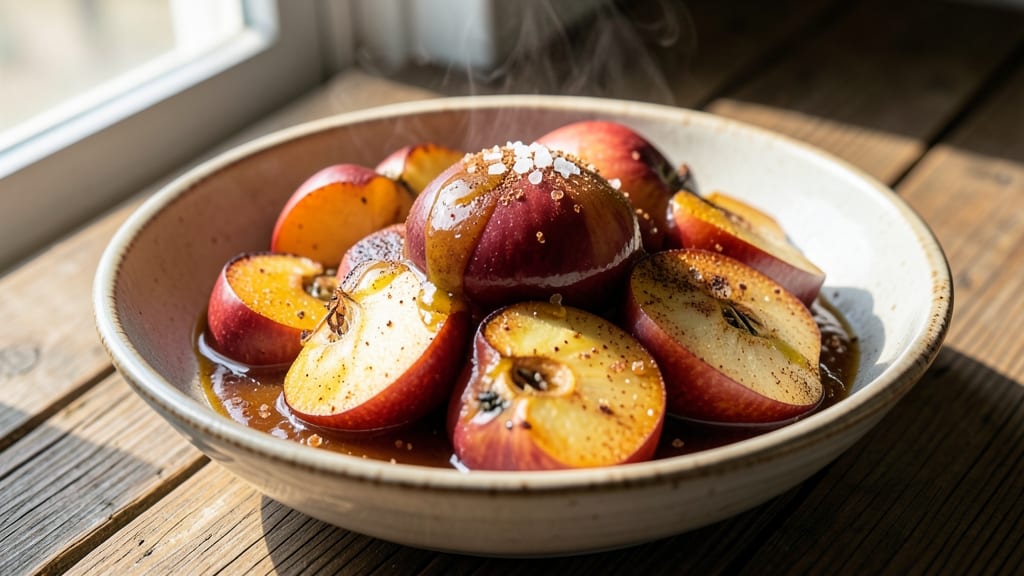
This roasted apple sauce recipe transforms simple apples into a fragrant, velvety condiment that elevates everything from oatmeal to roasted pork. The key lies in caramelizing the fruit until tender, then blending it with warm spices into a smooth, naturally sweetened sauce.
What starts as crisp apples becomes a rich, aromatic base perfect for both sweet and savory dishes.
The process is simpler than you’d think: just core and roast the apples until they break down easily, then blend with cinnamon, nutmeg, and a touch of sugar for depth. No peeling required—just scrub, core, and roast for a hands-off approach that yields restaurant-quality results.
This sauce thickens beautifully as it cools, making it ideal for dipping, glazing, or swirling into yogurt.
What makes this recipe stand out is its versatility—use it as a topping for pancakes, a glaze for roasted meats, or a dip for fresh bread. The spices deepen as it sits, so making a batch ahead of time enhances the flavor even more.
With just five ingredients and minimal effort, you’ll have a sauce that tastes like a fall afternoon in every spoonful.
Perfect for meal prep, holiday baking, or spontaneous entertaining, this roasted apple sauce is a pantry staple once you try it. The natural sweetness means no added sugars are needed, though a pinch of brown sugar can intensify the caramel notes if desired.
Let’s get started—your taste buds will thank you.
Ingredients for roasted apple sauce
Five simple ingredients transform crisp apples into velvety spiced sauce perfect for dipping, baking, or glazing.
| Ingredient | Amount | Notes |
|---|---|---|
| Apples 🍎 | 2 lb | Honeycrisp or Granny Smith, cored |
| Extra-Virgin Olive Oil 🫒 | ¼ cup | For roasting apples |
| Ground Cinnamon 🌿 | 1 tbsp | Freshly ground preferred |
| Ground Nutmeg 🌿 | ½ tsp | Freshly grated for depth |
| Brown Sugar 🍯 | 2 tbsp | Light or dark, packed |
| Pinch of Salt 🧂 | ¼ tsp | Enhances spice flavors |
| Lemon Juice 🍋 | 1 tbsp | Freshly squeezed, optional |
Honeycrisp or Granny Smith apples are ideal—they hold up to roasting and caramelize beautifully. Local farmers markets often have them in season, but the regular grocery store works too. Look for firm, vibrant apples with no soft spots. If you can't find Honeycrisp, Fuji or Pink Lady are great substitutes. Skip the peeling—it adds color and texture. The olive oil helps the apples roast evenly without drying out, so don't skip it even if you're not a fan of oil in desserts.
No brown sugar? Maple syrup or agave works in a pinch—use the same amount. Fresh nutmeg is a game-changer, but if you only have pre-ground, toast the spices in the pan for 30 seconds to wake up the flavors. The lemon juice brightens the sauce and balances sweetness, but it's optional if you're using tart apples. For a deeper spice profile, add a pinch of cardamom or allspice. And if you're feeling fancy, toss in a cinnamon stick while roasting for extra aroma.
This sauce thickens as it cools, so blend it right after roasting for a smooth texture. Store in an airtight container in the fridge for up to 2 weeks—it actually tastes better the next day as the flavors meld. Freezes beautifully for 6 months, making it perfect for holiday prep. Portion into ice cube trays for easy single-use servings, or freeze in small jars for quick thawing.
Why You'll Love This Recipe
- Foolproof Simplicity: I swear by this recipe because it’s the kind of thing you can make while scrolling through emails—just toss apple wedges on a sheet pan with olive oil, cinnamon, and nutmeg, then roast. No peeling, no blender drama, just hands-off magic.
- Spice-Forward Magic: That caramelized brown sugar and nutmeg combo? It’s like autumn in a bowl—warm, deep, and just sweet enough to make you reach for seconds. The olive oil adds this unexpected richness that takes it from basic to ridiculously good.
- Weeknight & Holiday Star: Slather it on toast with butter, stir it into oatmeal, or drizzle it over vanilla ice cream—this sauce disappears fast. Honestly, I’ve used it as a glaze for pork chops when I’m feeling fancy, and no one’s ever questioned my genius.
- Budget-Friendly Staple: Apples stay cheap, spices last forever, and a little brown sugar stretches far. I make a big batch, freeze half, and still have leftovers for days—no waste, all flavor, and my wallet thanks me.
Step-by-step instructions for roasted apples sauce
Here's how to create a velvety, aromatic apples sauce with caramelized edges and perfect spice balance.
🍳 Step 1: Prep and Roast the Apples
Preheat your oven to 375°F and line a large baking sheet with parchment paper. Cut the 2 lb apples into 1-inch chunks, removing any cores or seeds. Toss the apple pieces with the 0.25 cup extra-virgin olive oil until they're evenly coated—this helps them caramelize beautifully.
Spread the apples in a single layer on the prepared baking sheet, leaving a little space between each piece. Roast for 25-30 minutes until the edges are golden brown and the apples are tender when pierced with a fork. Here's the thing—don't overcrowd the pan or the apples will steam instead of roast, which dulls the flavor. If using a convection oven, reduce the time by about 5 minutes.
👨🍳 Step 2: Mix in Spices and Sugar
While the apples roast, combine the 1 tbsp ground cinnamon, 0.5 tsp ground nutmeg, 2 tbsp brown sugar, and 0.25 tsp pinch of salt in a small bowl. Once the apples are tender, transfer them to a large mixing bowl and sprinkle the spice mixture evenly over the top.
This is where the magic happens: the spices cling to the caramelized surfaces, creating layers of flavor. Use a wooden spoon to gently fold everything together, making sure the spices distribute evenly. Add the 1 tbsp lemon juice (if using) and stir again. The acidity brightens the sweetness and balances the spices beautifully.
🍳 Step 3: Simmer for Rich, Thick Texture
Transfer the spiced apples to a medium saucepan and place it over medium heat. Let the mixture cook for 5-7 minutes, stirring occasionally, until it begins to bubble gently. You'll notice the apples breaking down and releasing their juices—this is when the sauce starts to thicken.
Here's the trick: if the sauce seems too thick after simmering, add 1-2 tablespoons of water to loosen it to your desired consistency. For a smoother texture, use an immersion blender or transfer the mixture to a food processor and pulse until smooth. If you prefer a rustic look, leave it slightly chunky—both styles work beautifully.
⏰ Step 4: Cool and Serve
Remove the saucepan from heat and let the apples sauce cool for 10 minutes before serving. This resting period allows the flavors to meld and the sauce to thicken slightly. Taste and adjust seasoning if needed—you might want to add a pinch more salt or a sprinkle of cinnamon to enhance the flavor.
Serve the apples sauce warm over vanilla ice cream, mixed into yogurt, or drizzled over pancakes. It also pairs wonderfully with roasted pork or as a topping for oatmeal. The caramelized edges and warm spices make this sauce irresistibly comforting—perfect for fall gatherings or cozy weeknight meals.
Pro Tips For Making Roasted Apple Sauce
- Peel the Apples First: I learned this the hard way—roasting unpeeled apples leaves you scraping bitter skin off your sauce later. Spend 10 minutes peeling and coring now to save 20 minutes of scrubbing later. (Yes, even if you’re impatient like me.)
- Roast at 400°F: Too low, and your apples turn to mush; too high, and they burn before softening. 400°F is the sweet spot—cut apples into even 1-inch chunks so they cook uniformly. No, they won’t caramelize like in a pan, but they’ll break down perfectly.
- Drizzle Oil After Seasoning: Toss your apples with cinnamon, nutmeg, and brown sugar first, then drizzle the olive oil over the top. This lets the spices cling to the fruit instead of pooling at the bottom of the pan—trust me, it makes a real difference.
- Mash While Warm: Let the roasted apples sit for 5 minutes after pulling from the oven, then mash them with a fork while still hot. Cold apples resist breaking down, and you’ll end up with a lumpy, sad sauce. Warm apples? Pure velvet.
Dietary considerations for this recipe
Vegan Adaptations
This roasted apple sauce is naturally vegan—just skip the optional lemon juice if you're avoiding citrus entirely. The recipe relies on apples, olive oil, and spices, all of which are plant-based. For extra richness, stir in 1 tbsp maple syrup or 1 tbsp coconut cream during the simmering stage.
The sauce thickens beautifully without dairy or eggs, making it perfect for vegan baking or as a topping for vegan pancakes. 🌱
Gluten-Free Friendly
All ingredients in this recipe are inherently gluten-free, so no substitutions are needed. The cinnamon, nutmeg, and brown sugar used are typically certified gluten-free, but always check labels if you're highly sensitive. For added safety, purchase spices from brands like Penzeys or Simply Organic, which clearly label their products.
The sauce works wonderfully as a glaze for gluten-free baked goods or as a dip for gluten-free crackers.
Low-Sugar Options
If you're watching sugar intake, reduce the brown sugar to 1 tbsp or omit it entirely—the natural sweetness of roasted apples will still shine. For extra depth, add ½ tsp vanilla extract during the simmering stage.
The sauce will still caramelize beautifully, offering a lower-sugar alternative without sacrificing flavor. This version pairs perfectly with Greek yogurt or as a topping for chia pudding.
Nut-Free Considerations
This recipe is already nut-free, but if you're serving it to guests with nut allergies, double-check that your cinnamon and nutmeg aren't processed in facilities that handle nuts. Brands like McCormick and Badia offer nut-free spice options.
For added safety, prepare the sauce in a nut-free kitchen area. The sauce's creamy texture makes it a safe and delicious option for nut-free diets.
Diabetic-Friendly Adjustments
For a diabetic-friendly version, reduce the brown sugar to 1 tsp or use a sugar substitute like erythritol or monk fruit sweetener (½ tsp). The natural fiber in apples helps regulate blood sugar, making this a better choice than many store-bought sauces.
Serve in small portions—about 2 tbsp per serving—to manage carbohydrate intake while enjoying the warm, spiced flavor.
Allergen-Free Tips
This recipe is free from common allergens like dairy, eggs, nuts, and gluten, but always verify ingredient labels. For example, some brands of cinnamon may contain traces of soy or other allergens. If you're avoiding citrus, simply omit the lemon juice.
The sauce's versatility makes it a great option for allergy-conscious meals, whether served with roasted chicken, as a yogurt topping, or paired with fresh fruit.
Nutrition facts
Frequently asked questions
Can I use any type of apple for roasted apple sauce?
Honeycrisp or Granny Smith apples work best because they hold up well to roasting and develop rich caramelized flavors. However, you can use other firm varieties like Fuji or Pink Lady—just avoid overly soft apples like Red Delicious. The skin adds color and texture, so no peeling is needed!
How do I adjust the thickness of the sauce?
If the sauce is too thick after simmering, stir in 1-2 tablespoons of water or apple cider. For a smoother texture, blend with an immersion blender or food processor. If you prefer a chunkier version, simply mash the roasted apples with a fork instead of blending.
Can I make this sauce ahead of time?
This sauce actually tastes better the next day as the flavors meld. Store in an airtight container in the fridge for up to 2 weeks or freeze for 6 months. For easy serving, portion into ice cube trays or small jars.
What are the best ways to use leftover roasted apple sauce?
Use it as a glaze for roasted pork or chicken, swirl into yogurt, or drizzle over pancakes. It also makes an excellent dip for fresh bread or a topping for oatmeal. The warm spices make it perfect for fall desserts too!
Why does my sauce taste bland after roasting?
This usually happens if the apples weren't caramelized enough or spices weren't toasted first. Next time, roast apples until deeply golden, and toast your spices in a dry pan for 30 seconds before mixing. A pinch of salt or extra cinnamon can also boost flavor.