
Sauces & Condiments
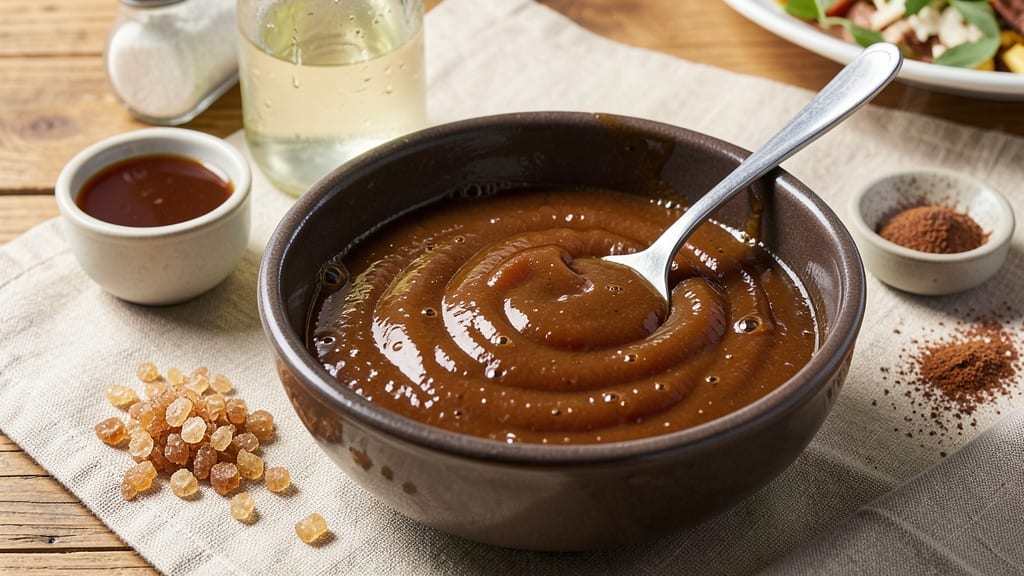
This BBQ sauce recipe without apple cider vinegar delivers that perfect smoky-sweet balance you crave, using molasses for depth and white vinegar for tang. The secret lies in a slow simmer that reduces the sauce to a thick, glossy consistency—no thin, watery mess here.
I developed this version after realizing how often apple cider vinegar was the missing ingredient in pantries, and the results are just as rich and complex.
The foundation starts with a blend of molasses and brown sugar for that signature caramelized sweetness, while white vinegar brings the necessary acidity to cut through the richness. A touch of tomato paste adds depth, and smoked paprika infuses that unmistakable BBQ aroma.
The sauce thickens beautifully as it simmers, creating a glossy finish that clings perfectly to ribs, pulled pork, or even grilled vegetables.
What sets this apart is the smoky depth that comes from a combination of spices and a long reduction time—no shortcuts here. The sauce keeps well in the fridge for up to two weeks, making it perfect for meal prep or gifting.
Whether you're a pitmaster or a weeknight cook, this versatile sauce will elevate your dishes without the need for apple cider vinegar.
Use it as a glaze for meats, a dipping sauce for fries, or a marinade for extra flavor. The balance of sweet, tangy, and smoky notes makes it a crowd-pleaser every time. Let’s get started on creating your own batch—no apple cider vinegar required.
Ingredients for bbq sauce recipe no apple cider vinegar
Nine simple ingredients transform into a smoky-sweet BBQ sauce without apple cider vinegar.
| Ingredient | Amount | Notes |
|---|---|---|
| Molasses 🍯 | ½ cup | Dark molasses for rich flavor |
| Brown Sugar 🍚 | ½ cup | Packed firmly for sweetness |
| White Vinegar 💧 | ½ cup | For tangy brightness |
| Tomato Paste 🍅 | ¼ cup | Squeeze tube preferred |
| Smoked Paprika 🌶️ | 2 tbsp | For authentic BBQ aroma |
| Garlic Powder 🧄 | 1 tbsp | Fresh ground preferred |
| Onion Powder 🧅 | 1 tbsp | For depth of flavor |
| Ground Black Pepper 🌶️ | ½ tsp | Freshly cracked for heat |
| Salt 🧂 | 1 ½ tsp | Kosher or sea salt |
| Water 💧 | ½ cup | For thinning consistency |
Molasses and brown sugar are the heart of this sauce—Goya or Brer Rabbit brands keep it authentic. The white vinegar (not apple cider) brings that tangy punch, so grab the white vinegar from the salad dressing aisle, not the balsamic. Tomato paste? Trader Joe's squeeze tubes are perfect—no waste, lasts forever. For smoked paprika, Penzeys has the best quality, but any smoked variety works. The key is using freshly ground spices—if your garlic powder smells stale, toss it.
No white vinegar? Lemon juice or rice vinegar works in a pinch, but the flavor won't be identical. Short on molasses? Maple syrup at half the amount adds sweetness, though it lacks depth. The tomato paste can be skipped if you're using a tomato-based broth (like V8 juice), but you'll lose some richness. For extra smokiness, add a dash of liquid smoke—just a teaspoon, or it'll overpower. The water is just to thin it out; adjust to your preferred consistency.
This sauce thickens as it cools, so don't stress if it looks too thin right after simmering. Store in a glass jar in the fridge for up to 2 weeks, or freeze for 6 months. I like to double the batch—one jar for the fridge, one for the freezer. Perfect for ribs, pulled pork, or even drizzling over grilled veggies. The longer it sits, the better it tastes—flavors meld beautifully.
Why You'll Love This Recipe
- Pantry Magic: I swear by this sauce because it uses stuff I already have—no special trips to the store. That molasses and brown sugar combo? It’s like a shortcut to depth without extra effort.
- Smoky Sweet Bang: The smoked paprika and white vinegar cut through the richness, giving it that perfect balance of tang and warmth. Honestly, it’s the kind of flavor that makes you reach for the brush again.
- Weeknight Workhorse: Slap it on burgers, drizzle it over baked beans, or toss it with grilled chicken—this sauce doesn’t care what you throw at it. (Yes, even on a Tuesday night when you’re exhausted.)
- Budget Win: A single batch stretches across meals, and the ingredients cost pennies. Between us, this is how I feed a crowd without breaking the bank—no fancy labels, just pure satisfaction.
Step-by-step instructions for smoky-sweet BBQ sauce
Here's how to craft a rich, balanced sauce with deep molasses flavor and perfect tang.
Combine Wet Ingredients in a Saucepan
In a medium saucepan, combine the 0.5 cup molasses, 0.5 cup brown sugar, 0.5 cup white vinegar, and 0.25 cup tomato paste. Stir over medium heat for 5-7 minutes until the sugar dissolves completely and the mixture begins to bubble gently. You'll notice the molasses and sugar blend into a thick, syrupy base—this is where all the rich flavor develops.
Use a wooden spoon to scrape the bottom of the pan occasionally. This prevents any sugar from sticking and burning, which would create bitter notes in your sauce. The mixture should thicken slightly but remain pourable at this stage. If it starts to bubble too vigorously, reduce the heat to medium-low to maintain gentle simmering.
Add Spices and Seasonings
Once the wet ingredients are fully combined, reduce the heat to low and stir in the 2 tbsp smoked paprika, 1 tbsp garlic powder, 1 tbsp onion powder, 0.5 tsp ground black pepper, and 1.5 tsp salt. Let the sauce simmer for 5 minutes, stirring frequently, until the spices are fully incorporated and the aroma becomes deeply aromatic.
The smoked paprika will release its signature BBQ scent, while the garlic and onion powders add subtle depth. This is where the sauce's complexity builds—don't rush this step. If you notice any spices settling at the bottom, stir vigorously to ensure even distribution throughout the sauce.
Thin and Simmer to Perfection
Pour in the 0.5 cup water and stir well to combine. Increase the heat to medium-high and bring the sauce to a boil. Once boiling, reduce the heat to medium-low and let it simmer uncovered for 15-20 minutes, stirring occasionally. You're looking for the sauce to thicken to a glossy, spoonable consistency—it should coat the back of a spoon without being overly thick.
As it simmers, the vinegar's tang will mellow while the molasses deepens in flavor. The sauce should reduce by about one-third, becoming rich and velvety. If it thickens too quickly, add 1-2 tablespoons of water at a time to reach your desired consistency. Taste and adjust seasoning—you may need a touch more salt or sugar to balance the flavors perfectly.
Cool and Store for Best Results
Remove the sauce from heat and let it cool for 5 minutes. Transfer to a clean jar or airtight container and refrigerate until fully cooled. This cooling period allows the flavors to meld completely, resulting in a more harmonious sauce. The texture will thicken further as it cools, so don't be alarmed if it appears slightly thicker when cold.
For the best flavor, let the sauce sit in the refrigerator for at least 1 hour before using. This resting time enhances the depth of the molasses and allows the spices to fully infuse. The sauce will keep in the refrigerator for up to 2 weeks or can be frozen for 3 months for longer storage. When ready to use, simply reheat gently on the stovetop or in the microwave, stirring occasionally until warm.
Pro Tips For Making Bbq Sauce Recipe No Apple Cider Vinegar
- Simmer Slow and Steady: I learned this the hard way—dumping everything in a hot pan and walking away only to come back to a scorched, bitter mess. Simmer your sauce on medium-low for at least 20-25 minutes, stirring occasionally. The molasses and brown sugar need time to caramelize properly, not burn.
- Bloom the Paprika First: Toss in that smoked paprika before adding liquids—let it toast in the dry pan for 30 seconds until the aroma hits you. This unlocks its flavor way better than just stirring it in cold. (Yes, even if you’re impatient like me.)
- Thin with Vinegar Gradually: White vinegar is potent—add it slowly while tasting as you go. Start with half the amount called for, then adjust. Too much too soon and your sauce turns into a tangy syrup. (Your future self will thank you for testing as you stir.)
- Strain for Smoothness: Skip the straining if you love texture, but if you want a silky sauce, use a fine-mesh sieve after simmering. The tomato paste and molasses can leave gritty bits behind—especially if you’re using unsweetened or chunky versions. (Does it look weird? Yes. Does it work? Every single time.)
Pro cooking tips for perfect results
Simmering Secrets
Keep your saucepan uncovered during the final 15-20 minute simmer—this prevents a skin from forming and allows excess moisture to evaporate evenly. I use a medium-low heat setting to maintain a gentle bubble, which prevents burning while concentrating flavors.
If your sauce starts to boil too vigorously, immediately reduce to low heat to avoid over-reducing and creating a bitter taste. 🌡️
Spice Infusion
Whisk the spices into the sauce while on low heat—this ensures they dissolve completely and distribute evenly. I like to use freshly ground spices (like Penzeys smoked paprika) because they release more aroma and flavor.
Let the mixture simmer for 5 minutes after adding spices so they fully bloom and meld with the sweet and tangy base. This step is where the sauce develops its signature depth.
Consistency Control
If your sauce thickens too quickly during simmering, add 1-2 tablespoons of water at a time until you reach a glossy, spoonable consistency. The ideal texture should coat the back of a spoon but still be pourable.
I test this by dipping a clean spoon into the sauce—if it leaves a smooth, even trail, it’s ready. Over-reducing can make the sauce too thick, so keep an eye on it and adjust heat as needed.
Flavor Balancing
Taste your sauce before cooling—this is when flavors are most accurate. If it’s too sweet, add 1-2 teaspoons of white vinegar to cut through. Too tangy? Stir in ½ teaspoon of brown sugar to mellow it out.
The goal is a perfect balance of sweet, smoky, and tangy notes. I often adjust seasoning twice during the simmering process to fine-tune the flavor profile. ✨
Storage Hacks
Let your sauce cool completely before storing to prevent condensation, which can dilute flavors. I use glass jars with airtight lids for fridge storage—glass preserves the sauce’s rich color and prevents absorption of fridge odors.
For freezing, portion into small containers (like ice cube trays) so you can thaw only what you need. The sauce thickens further when refrigerated, so don’t over-thicken it before storing.
Reheating Like a Pro
Reheat your sauce gently on the stovetop over low heat, stirring frequently to prevent scorching. If using the microwave, heat in 20-second intervals, stirring between each, until warmed through. I avoid high heat because it can break down the molasses and make the sauce grainy.
A splash of water or apple juice** can help restore consistency if the sauce thickens too much after reheating.
Nutrition facts
Frequently asked questions
Can I substitute white vinegar with another acid in this recipe?
Yes! For a milder tang, use lemon juice (same amount) or rice vinegar (reduce by 1 tablespoon since it's stronger). Avoid balsamic vinegar—it adds too much complexity. The key is balancing sweetness with acidity, so adjust to taste after simmering.
Why does my sauce turn out too thin after simmering?
This usually happens if you didn't simmer long enough or used too much water. The sauce should reduce by about one-third during the 15-20 minute simmer. If needed, return it to low heat uncovered for 5-10 extra minutes, stirring often. For immediate help, mix 1 tablespoon cornstarch with 1 tablespoon water and stir in while hot.
How can I make this sauce spicier?
Add ½ teaspoon cayenne pepper or 1 teaspoon hot sauce (like Frank's RedHot) to the simmering sauce. For smoky heat, increase smoked paprika to 3 tablespoons. Always taste first—you can add more heat but can't remove it! For a layered effect, serve with extra hot sauce on the side.
Can I use this sauce on vegetables or just meat?
This sauce works beautifully on grilled or roasted portobello mushrooms, eggplant, or brussels sprouts. For vegetables, brush on lightly and bake at 400°F for 15-20 minutes. The smoky depth complements savory veggies perfectly. Just reduce cooking time by 50% compared to meat since vegetables cook faster.
Will this sauce keep without refrigeration?
No, this sauce should always be refrigerated. The molasses and tomato paste create an ideal environment for bacteria growth at room temperature. Store in a clean glass jar in the fridge for up to 2 weeks. For short-term use (like tailgating), keep it in a cooler with ice packs—never leave it out for more than 2 hours.