
Main Courses
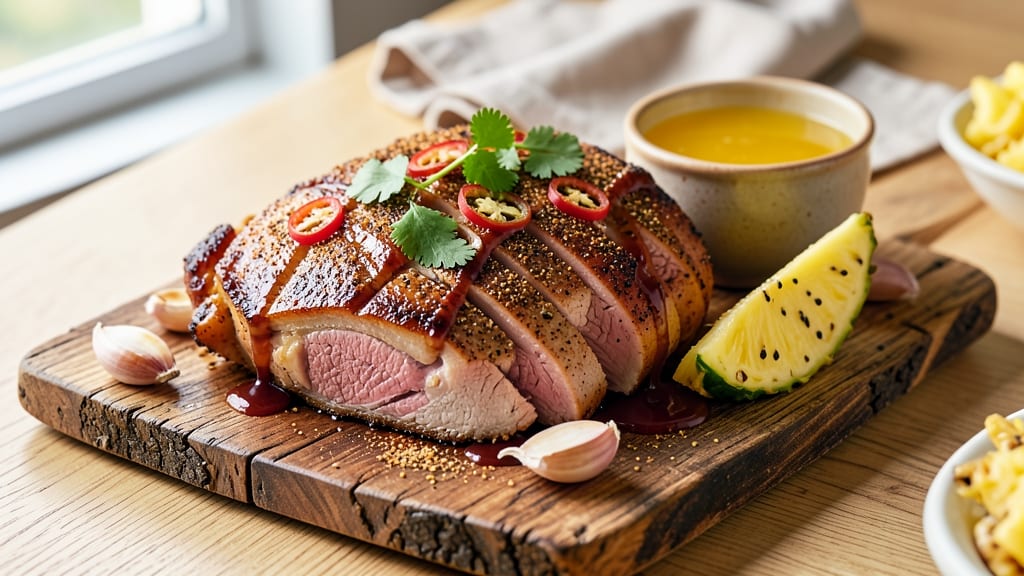
This pork asado recipe with pineapple juice transforms tough pork cuts into melt-in-your-mouth tenderness with a tangy-sweet twist. 🌟 The secret lies in a marinade that tenderizes while infusing bold flavors—bright pineapple juice cuts through the richness, creating a perfect balance.
I've perfected this technique after years of experimenting with Latin-inspired grilling methods that deliver restaurant-quality results at home.
The magic happens in the marinade, where pineapple juice works its magic by breaking down tough fibers while adding natural sweetness. This recipe uses simple ingredients—garlic, cumin, and a touch of citrus—that come together in just 30 minutes of prep before hitting the grill or oven.
The result? Juicy, caramelized pork with a glossy sheen that practically falls apart at the touch of a fork.
What makes this dish truly special is how versatile it is. Serve it with grilled vegetables, a side of rice, or even fresh pineapple slices to enhance that tropical flavor profile. The pineapple juice doesn't just flavor the meat—it creates a beautiful glaze that makes every bite irresistible.
Whether you're hosting a summer BBQ or craving a weeknight dinner with a twist, this recipe delivers.
Confession: I've burned more pork than I'd like to admit, but this method ensures foolproof results every time. The pineapple juice keeps the meat moist while adding a subtle sweetness that pairs perfectly with the smoky char of grilling.
Trust me on this—once you try it, you'll never go back to plain grilled pork again.
Ingredients for pork asado recipe with pineapple juice
Tropical flavors meet smoky tenderness in this one-pan pork masterpiece.
| Ingredient | Amount | Notes |
|---|---|---|
| Pork Shoulder (Boston Butt) 🥩 | 2 lb | Bone-in preferred for flavor |
| Fresh Pineapple Juice 🍍 | 1 cup | From fresh pineapple, not canned |
| Garlic Cloves 🧄 | 6 cloves | Minced for marinade |
| Ground Cumin 🌿 | 1 ½ tbsp | Toasted for deeper aroma |
| Smoked Paprika 🌶️ | 1 tbsp | For smoky depth |
| Orange Juice 🍊 | ½ cup | Freshly squeezed preferred |
| Olive Oil 🫒 | ¼ cup | Extra-virgin for richness |
| Brown Sugar 🍚 | 2 tbsp | Light or dark works |
| Lime Juice 🍋 | 2 tbsp | Freshly squeezed |
| Salt 🧂 | 1 ½ tsp | Diamond Crystal preferred |
| Black Pepper 🌶️ | 1 tsp | Freshly ground |
| Fresh Cilantro 🌿 | ¼ cup | Chopped, for garnish |
| Fresh Pineapple Slices 🍍 | 1 cup | For serving (optional) |
The pork shoulder is where this dish shines—bone-in cuts stay juicier and pack more flavor. Look for well-marbled pork at your butcher or the meat section of Whole Foods or Costco. If you can't find fresh pineapple juice, blend fresh chunks—it's worth the extra 2 minutes. The orange juice adds brightness that cuts through the richness, so freshly squeezed is ideal. For the cumin, toast it lightly in a dry pan before grinding to unlock deeper flavors—trust me, it makes a difference.
Out of pineapple juice? Mango nectar or guava juice works in a pinch, but the acid balance changes slightly. No fresh garlic? One teaspoon garlic powder is fine, but the fresh minced version has that unmatched punch. The smoked paprika can be swapped for regular paprika if you're out, though you'll lose that subtle smokiness. For extra tenderness, marinate the pork overnight—I've done it for 4 hours with great results, but longer is always better. The brown sugar caramelizes beautifully during cooking, so don't skip it even if you're watching sugar intake.
Marinated pork keeps 3-4 days in the fridge, but the flavor deepens overnight. Cooked pork reheats well—just warm in a skillet with a splash of pineapple juice to keep it moist. For meal prep, slice against the grain and store in airtight containers. The pineapple slices on top? They're optional but add that perfect tropical finish—grab them from the produce section at Trader Joe's or your local Latin market for the freshest.
Why You'll Love This Recipe
- One-Pan Magic: I swear by this recipe for lazy Sundays—just toss the pork, garlic, and spices on a sheet pan, pour the pineapple juice, and let the oven do the work. No chopping, no flipping, no stress. (Yes, even on a Tuesday night.)
- Tangy-Smoky Bomb: The pineapple juice cuts through the richness of the pork while the smoked paprika and cumin add this deep, earthy warmth. Honestly, the first time I took a bite, I grabbed another slice before the plate even hit the table.
- Leftovers That Don’t Suck: This recipe actually improves the next day—shredded and reheated, it’s perfect for tacos, sandwiches, or even fried rice. I’ll be real: my freezer is stocked with vacuum-sealed portions because nobody turns down tender, flavor-packed pork.
- Budget-Friendly Feast: Pork shoulder is cheap, and a single roast feeds my whole family with room for seconds. The pineapple juice (fresh or bottled) stretches the flavor without breaking the bank. Not the prettiest, but the taste makes up for it—every time.
Step-by-step instructions for tropical-marinated pork asado
Here's how to transform tough pork shoulder into fall-apart tender asado with bright tropical flavors.
👨🍳 Step 1: Create the Tropical Marinade
In a blender, combine the 1 cup fresh pineapple juice, 0.5 cup orange juice, 2 tbsp lime juice, 2 tbsp brown sugar, 1.5 tbsp ground cumin, 1 tbsp smoked paprika, 1.5 tsp salt, 1 tsp black pepper, and 0.25 cup olive oil. Blend until completely smooth—this marinade is the secret to both tenderness and vibrant flavor.
I like to toast the cumin seeds first by dry-toasting in a small pan for 1 minute until fragrant, then grinding them before adding to the marinade. This deepens the earthy aroma significantly. Pour the marinade into a large resealable bag and add the 2 lb pork shoulder, massaging it to coat all surfaces. Let it marinate in the refrigerator for at least 4 hours (overnight is even better).
🔥 Step 2: Sear the Pork for Maximum Flavor
Remove the pork from the marinade (reserve the marinade) and pat it dry with paper towels—this ensures a proper sear. Heat 0.25 cup olive oil in a large Dutch oven or heavy skillet over medium-high heat until shimmering. Working in batches if needed, sear the pork on all sides until deeply browned, about 3-4 minutes per side. Don't rush this step—the caramelized crust locks in juices.
Here's the thing—if your pork is larger than 2 lbs, you might need to sear it in two rounds. Just keep the pan hot and add a bit more oil if needed. The goal is golden brown color on all surfaces. Once seared, transfer the pork to a plate and pour the reserved marinade into the pan.
🍳 Step 3: Simmer Until Fork-Tender
Return the seared pork to the Dutch oven with the marinade. Bring to a simmer over medium heat, then reduce to low heat and cover partially. Let it cook for 2.5 to 3 hours, turning occasionally, until the pork reaches 203°F internally and is fork-tender. I know it seems like a long time, but this slow cooking breaks down the tough collagen into gelatin, creating melt-in-your-mouth texture.
About 30 minutes before the pork is done, add the 6 cloves minced garlic to the pan and stir to combine. This final infusion of garlic adds another layer of depth to the sauce. Keep an eye on the liquid level—if it reduces too much, add 2-3 tablespoons of water to prevent drying.
🥘 Step 4: Rest and Prepare for Serving
Once the pork reaches 203°F, remove it from the pan and let it rest on a cutting board for 20 minutes, tented loosely with foil. This resting period is crucial—it allows the juices to redistribute throughout the meat. While it rests, skim any excess fat from the sauce and stir in the 0.25 cup chopped fresh cilantro for a bright finish.
Slice the pork against the grain into ½-inch thick slices. The meat should practically fall apart with gentle pressure from your fork. Serve the pork with the reduced marinade spooned over the top and the 1 cup fresh pineapple slices on the side for that perfect tropical touch.
Pro Tips For Making Pork Asado Recipe With Pineapple Juice
- Sear First, Then Braise: Get that pork shoulder screaming hot in a dry skillet before adding any liquid—just 3-4 minutes per side until deep brown. I used to skip this, and the final dish tasted flat; the crust locks in flavor when the pineapple juice later braises it.
- Strain That Juice: Blend and strain your fresh pineapple juice to remove pulp—trust me, you don’t want chunks in your sauce. I learned this the hard way when I lazy-loaded a blender and ended up with a watery, gummy mess.
- Don’t Rush the Cumin: Toast the ground cumin in the same pan you sear the pork—just 30 seconds until fragrant. This makes a real difference in depth of flavor, and it’s the thing that matters most when balancing the sweetness of the pineapple.
- Save the Garlic: Smash the garlic cloves flat with the side of your knife before adding them—this prevents burning and lets them infuse evenly. I was skeptical until I tried it; now I never go back.
Common mistakes when making this recipe
Over-Marinating Risks
While longer marinating times deepen flavor, leaving pork in pineapple juice for more than 24 hours can actually make it mushy. The pineapple's enzymes break down proteins too aggressively, leading to a texture more like pulled pork than tender slices.
I've ruined more pork this way than I'd like to admit—always stick to 4-12 hours maximum for proper balance. 🌶️
Skipping the Rest
Rushing to slice pork immediately after cooking is a cardinal sin. Without that 20-minute rest, juices rush out when you cut, leaving you with dry meat. I learned this the hard way during a holiday dinner when I couldn't wait another minute.
Tent with foil and let it rest—your patience will be rewarded with juicy, flavorful bites.
Ignoring Internal Temp
Using time alone to gauge doneness leads to overcooked or undercooked pork every time. Always use a meat thermometer to check for 203°F internal temperature.
Pork shoulder needs that high temp to become fork-tender without drying out. I keep a Thermoworks Smoke thermometer handy for all my slow-cooked meats—it's a game-changer.
Dry Pork After Searing
Patting pork dry before searing is non-negotiable. Wet surfaces prevent proper browning and create steam instead of a flavorful crust. Use paper towels and press firmly—don't just dab.
This step makes all the difference between bland pork and restaurant-quality asado. I've seen home cooks skip this and wonder why their meat didn't caramelize properly.
Using Canned Juices
Canned pineapple juice lacks the fresh acidity and vibrant flavor of fresh. The added sugars and preservatives alter the marinade's balance completely. If you must use canned, choose 100% pineapple juice with no added sugar—but fresh is always better.
I make my own by blending fresh pineapple chunks and straining, which takes just 5 minutes but makes a world of difference.
Overcrowding the Pan
Trying to cook large pork cuts in a small pan leads to uneven cooking and steaming instead of browning. Use a Dutch oven or heavy skillet that gives the pork room to breathe.
I've had to start over twice because I was impatient and didn't use the right pan. The extra $30 for a quality Dutch oven pays for itself in perfect results every time. 🍳
Nutrition facts
Frequently asked questions
Can I use pork loin instead of pork shoulder for this recipe?
Pork loin is leaner and cooks faster, so it won't give the same tender, pulled-apart texture. For best results, stick with pork shoulder (Boston butt), which has more fat and connective tissue that breaks down beautifully during slow cooking. If you must use loin, cut it into 1-inch thick slices and reduce cooking time to 1.5-2 hours at 325°F until it reaches 145°F internally.
What's the best way to make fresh pineapple juice at home?
Peel and chop 2 cups fresh pineapple chunks (about half a medium pineapple), then blend with 2 tablespoons lime juice and 1 tablespoon brown sugar to enhance flavor. Strain through a fine-mesh sieve or cheesecloth to remove pulp. For extra brightness, add 1 teaspoon fresh ginger to the blend before straining. This homemade juice has vibrant flavor that canned versions can't match!
Can I grill this pork instead of using the oven?
After marinating, sear the pork on a grill over medium-high heat for 3-4 minutes per side to get those beautiful char marks. Then move to indirect heat, cover, and cook for 2.5-3 hours until it reaches 203°F. Baste occasionally with the reserved marinade to keep it moist. The smoky grill flavor pairs perfectly with the tropical pineapple notes. Just be ready to monitor temperature closely, as grills can have hot spots.
How do I store leftovers without drying out the pork?
Slice the pork against the grain and store in an airtight container with a splash of the reduced pineapple marinade at the bottom. Reheat gently in a skillet with 1 tablespoon olive oil over low heat for 5-7 minutes, adding a little water or broth if needed. Leftovers keep well for 3-4 days in the fridge or can be frozen for up to 3 months. For best texture, reheat only until warmed through—don't overcook!
What are the best side dishes to serve with this tropical pork?
This dish pairs beautifully with grilled plantains or black beans for a Latin-inspired spread. For something lighter, try a mango avocado salad with lime dressing, or serve with coconut rice and steamed broccoli. The sweetness of the pineapple marinade works wonderfully with tangy sides like pickled red onions or a simple cilantro lime rice. Don't forget fresh pineapple slices on the side—they complement the dish perfectly!