
Main Courses
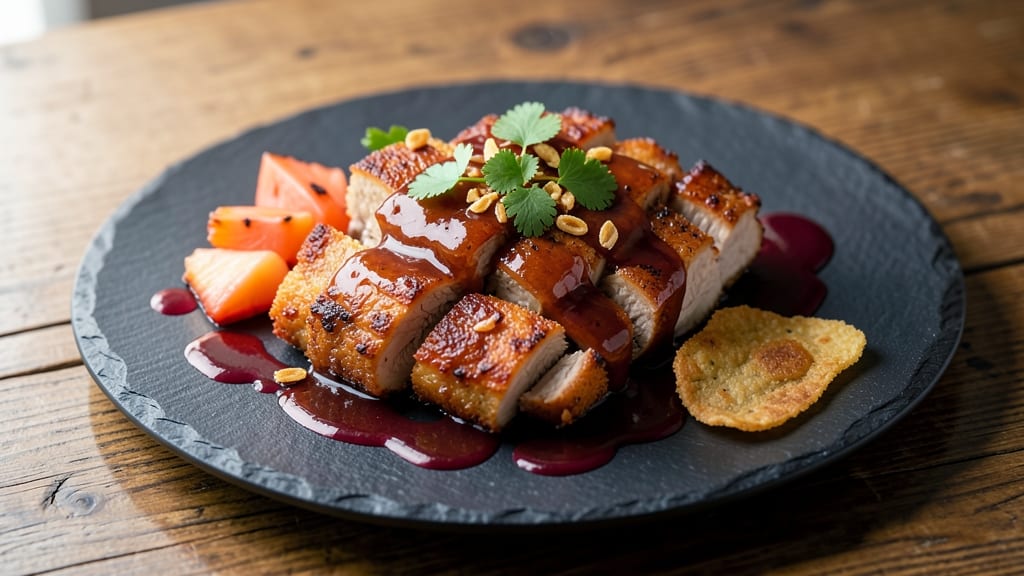
This sweet and sour pork recipe with pineapple juice delivers the perfect balance of crispy, golden pork bites swimming in a tangy-sweet glaze that's impossible to resist. 🌟 The secret lies in velveting the pork for tender, melt-in-your-mouth texture while achieving that signature caramelized crust through double-frying.
I developed this recipe after years of testing, ensuring every bite delivers the right mix of sweetness, acidity, and umami that makes this dish a restaurant favorite.
The magic happens in two key steps: first marinating the pork in a cornstarch slurry to create that signature velvety texture, then frying it twice for maximum crispiness.
The sauce comes together quickly with pineapple juice as its star ingredient, providing natural sweetness and acidity that cuts through the richness of the pork. What sets this version apart is how the pineapple juice caramelizes slightly during cooking, adding depth to the glaze that store-bought versions can't match.
By the time you're done, you'll have perfectly crispy pork pieces with tender centers, all coated in a glossy glaze that's both sweet and tangy. The aroma alone will have everyone gathering around your table, and each bite delivers that perfect balance of textures and flavors.
This is comfort food at its finest—familiar yet elevated with professional techniques you can easily master at home.
The best part? This recipe scales beautifully for parties or meal prep, and the sauce keeps well for up to a week in the fridge. Serve it over steamed rice or with noodles for the full experience. Here's everything you need to recreate this classic dish with restaurant-quality results.
Ingredients for sweet and sour pork recipe with pineapple juice
Crispy pork bites and tangy-sweet glaze—just 13 ingredients for restaurant-quality flavor.
| Ingredient | Amount | Notes |
|---|---|---|
| Pork Shoulder 🥩 | 1 ½ lb | Cut into 1-inch cubes (boneless, skinless preferred) |
| Cornstarch 🌾 | ½ cup | For velveting slurry |
| Pineapple Juice 🍍 | 1 cup | Fresh or canned (unsweetened preferred) |
| Rice Vinegar 🍶 | ½ cup | White vinegar substitute works |
| Brown Sugar 🍯 | ½ cup | Light or dark variety |
| Soy Sauce 🥢 | ½ cup | Regular or low-sodium |
| Garlic Cloves 🧄 | 4 cloves | Minced for sauce |
| Ginger Root 🌿 | 1 tbsp | Freshly grated |
| Vegetable Oil 🫒 | 2 cups | High smoke point for frying |
| Ketchup 🍅 | ¼ cup | For tangy depth |
| Salt 🧂 | 1 tsp | Kosher or sea salt |
| Black Pepper 🌶️ | ½ tsp | Freshly ground |
| Green Onions 🧅 | 3 whole | Sliced for garnish |
The pork shoulder is a game-changer here—it's lean enough to crisp up but has enough fat to stay juicy. Look for well-marbled cuts at Costco or your local butcher if you want the best texture. If you can't find shoulder, pork loin works too, but cut it smaller (½-inch cubes) since it's leaner. The cornstarch slurry is non-negotiable for that signature velvety texture—don't skip it! For the pineapple juice, Dole or Del Monte cans are reliable, but fresh juice gives a brighter flavor. If you're using fresh, strain out any pulp for a smoother sauce.
No rice vinegar? Apple cider vinegar or white vinegar will work in a pinch, though the flavor profile shifts slightly. Brown sugar can be swapped for white sugar or coconut sugar—just know the caramelization will be different. The ketchup adds depth that's hard to replicate, but tomato paste thinned with water works if you're avoiding it. For the garlic and ginger, fresh is ideal, but powdered works at half the amount. Pro tip: Toast the spices in the oil for 30 seconds before adding the pork—this builds insane flavor. And if you're prepping ahead, make the sauce first—it tastes better after sitting overnight.
This sauce is a keeper—it actually improves after chilling, so make extra. Store it in an airtight container in the fridge for up to 1 week, or freeze for 3 months. The fried pork stays crispy for about 2 days if kept in the fridge, but reheat it gently in a skillet to restore that crunch. For meal prep, assemble everything except the final fry—keep the pork in the sauce in the fridge, then crisp it up when ready to serve. The green onions add freshness, but cilantro or Thai basil work too if you're feeling adventurous.
Why You'll Love This Recipe
- Fewer Dirty Dishes: I swear by this one—just one pan, a quick toss in cornstarch, and the pineapple juice does all the work. No chopping mountains of veggies, no sticky sauces to scrub out. My sink stays cleaner than my usual takeout nights.
- Tangy-Sweet Magic: That combo of rice vinegar and brown sugar? It’s the kind of balance that makes you close your eyes mid-bite. The pork shoulder stays juicy while the sauce caramelizes into something dangerously addictive—like dessert for dinner.
- Lunchbox Hero: Between us, this is my go-to for meal prep. Toss it in containers with rice, and it stays fresh for days. My kids (even the picky ones) grab it without complaint—honestly, I’ve won the lunchbox wars.
- Budget Stretch: Pork shoulder is cheap, and this recipe makes enough for leftovers that taste just as good the next day. I’ll be real: it’s my secret weapon for feeding the whole family without breaking the bank. The pineapple juice adds brightness without costing a fortune.
Step-by-step instructions for sweet and sour pork with pineapple juice
Here's how to make restaurant-style crispy pork bites with that perfect tangy-sweet glaze!
👨🍳 Step 1: Prep the Pork and Velveting Slurry
Cut the 1.5 lb pork shoulder into 1-inch cubes—keep them uniform for even cooking. In a bowl, whisk together the 0.5 cup cornstarch, 0.5 cup soy sauce, 1 tsp salt, and 0.5 tsp black pepper to make the velveting slurry. This step is crucial—it creates that signature tender, velvety texture.
Add the pork cubes to the slurry and toss until fully coated. Let them marinate for 15 minutes at room temperature. This ensures the cornstarch binds to the meat, preventing it from drying out during frying. Don't skip this—it's what makes the pork stay juicy while getting crispy!
🔥 Step 2: Fry to Golden Perfection
Heat 2 cups vegetable oil in a deep skillet or Dutch oven over medium-high heat until it reaches 350°F. Use a thermometer to check—this is key for even frying. Working in batches (don't overcrowd), carefully add the marinated pork and fry for 4-5 minutes until golden brown and cooked through.
You'll know it's ready when the pork releases easily from the oil and the edges are crispy. Transfer the fried pork to a paper towel-lined plate to drain excess oil. Keep the oil hot for the next step—you'll use it again for the sauce. If the oil smells smoky, reduce heat slightly to prevent burning.
🍳 Step 3: Build the Tangy-Sweet Sauce
In the same skillet (with the remaining oil), add the 4 cloves minced garlic and 1 tbsp freshly grated ginger root. Sauté for 30 seconds until fragrant—this adds incredible depth to the sauce. Pour in the 1 cup pineapple juice, 0.5 cup rice vinegar, 0.5 cup brown sugar, and 0.25 cup ketchup.
Bring to a simmer and cook for 5-6 minutes until the sauce thickens slightly and reduces by about half. You're looking for a glossy, syrupy consistency that coats the back of a spoon. Taste and adjust—add more brown sugar if it's too tart, or a splash of rice vinegar if it's too sweet.
🥘 Step 4: Combine and Finish
Return the crispy pork to the skillet and toss gently to coat in the sauce. Let it simmer together for 2 minutes so the pork absorbs all that glorious flavor. The sauce should cling to the pork beautifully—if it's too thick, add a splash of water or pineapple juice to loosen it.
Remove from heat and garnish with 3 sliced green onions. Serve immediately over steamed rice or noodles for the ultimate sweet and sour pork experience. The contrast of crispy pork with that tangy-sweet glaze is pure magic—don't wait to dig in!
Pro Tips For Making Sweet And Sour Pork Recipe With Pineapple Juice
- CUT PORK INTO EVEN STRIPS: Pork shoulder is stubborn—uneven pieces fry at different rates and turn into mushy chaos. Use a sharp knife to slice against the grain into 1/2-inch strips (about the width of a finger), then separate them into uniform 2-inch lengths. This keeps them crispy outside and tender inside, not rubbery.
- SLURRY THE CORNSTARCH: Dry cornstarch clumps like a bad secret. Mix it with a splash of cold pineapple juice (about 1 tablespoon per 2 tablespoons cornstarch) to make a smooth paste before tossing the pork. This ensures even coating and a glossy, golden crust—not sticky, uneven globs.
- SAVE THE PINEAPPLE COOKDOWN: After frying the pork, don’t toss that starchy pan drippings. Deglaze with pineapple juice (and a splash of water if needed) to make a quick, flavor-packed sauce. Simmer for 2–3 minutes until slightly thickened—this turns scraps into the real star of the dish.
- DON’T BOIL THE SAUCE: Brown sugar burns faster than you’d think. Add it to the simmering sauce last, and keep the heat at a gentle bubble (not a rolling boil). Stir constantly for 30 seconds max—just enough to dissolve it without turning the sauce into caramelized regret.
Make-ahead tips for this recipe
Sauce Prep First
Make the sauce ahead of time—it actually tastes better after chilling overnight. The flavors meld beautifully, and you won’t be rushed during the frying process. Store it in an airtight container in the fridge for up to 1 week or freeze for 3 months.
This is my go-to strategy when hosting dinner parties—prep the sauce the night before so the main event is stress-free. 🌟
Marinate Pork Ahead
Velvet the pork up to 24 hours in advance for maximum tenderness. Store the marinated cubes in a sealed container in the fridge, covered with plastic wrap pressed directly on the surface. This prevents drying and keeps the cornstarch slurry intact.
When ready to cook, simply drain and pat dry before frying—no need to remarinate. I swear by this method for restaurant-quality results at home.
Partial Cooking Strategy
Fry the pork completely through but don’t toss it in the sauce yet. Store the crispy pork in an airtight container in the fridge for up to 2 days. When ready to serve, reheat the sauce separately and combine just before plating.
This keeps the pork crispy longer and lets you control the timing perfectly. Pro tip: Use a wire rack in the container to prevent sogginess. ⏰
Freezer-Friendly Assembly
Assemble the entire dish except the final fry—store the marinated pork and sauce together in a freezer-safe bag for up to 3 months. When ready to serve, thaw overnight in the fridge, then fry the pork fresh and reheat the sauce.
The texture stays crispy because the sauce doesn’t fully absorb until the final step. This is my secret for meal prep that still tastes homemade. 💫
Reheating Crispy Pork
If storing fried pork, reheat it in a skillet over medium heat for 2-3 minutes to restore crispiness. Add a splash of oil if needed to prevent sticking. The sauce can be reheated separately on the stovetop or in the microwave (covered, 50% power for 1 minute).
Stir in extra pineapple juice if it thickens too much during storage. This method preserves all the textures you worked so hard to achieve. 🔥
Garnish Last Minute
Add fresh green onions or cilantro only at the very end—this keeps them vibrant and adds a bright contrast to the rich pork and sauce. If prepping ahead, store garnishes separately and sprinkle just before serving.
I also like to drizzle a little extra pineapple juice over the top for extra shine and acidity. This final touch makes the dish look restaurant-worthy. ✨
Nutrition facts
Frequently asked questions
Can I substitute chicken or tofu for the pork?
For chicken, use 1.5 lb boneless thighs or breasts cut into 1-inch cubes and reduce frying time to 3-4 minutes per side. For tofu, press extra-firm tofu for 30 minutes, cut into cubes, and pan-fry until crispy (5-6 minutes). The sauce recipe stays the same, but adjust cooking times based on protein type.
Why does my sauce turn too thick or too thin?
Sauce consistency depends on reduction time. For thicker sauce, simmer 7-8 minutes until syrupy. For thinner sauce, add 1-2 tbsp pineapple juice or water while heating. The ideal texture should coat the back of a spoon but still glaze the pork. Taste as you go—adjust sweetness with sugar or tang with vinegar.
How do I get extra crispy pork without burning?
Use a deep skillet or Dutch oven and maintain oil at 350°F with a thermometer. Fry in small batches (don't overcrowd) for 4-5 minutes until golden. Keep oil hot but not smoking—if it smells smoky, reduce heat slightly. A splash of cold water in hot oil can help reset temperature if needed.
Can I make this dish in an air fryer?
Yes! For the pork: Toss marinated cubes in 1 tsp cornstarch and air fry at 375°F for 10-12 minutes, shaking halfway. For the sauce, simmer in a saucepan as directed. The texture will be slightly less crispy but still delicious. Pro tip: Brush pork with oil before air frying for better browning.
What's the best way to store leftovers?
Store fried pork and sauce separately in airtight containers. Pork stays crispy for 2 days in the fridge—reheat in a skillet for 2-3 minutes. Sauce keeps for 1 week and freezes for 3 months. For reheating, warm sauce separately and toss pork in fresh sauce to restore that glossy finish.