
Sauces & Condiments
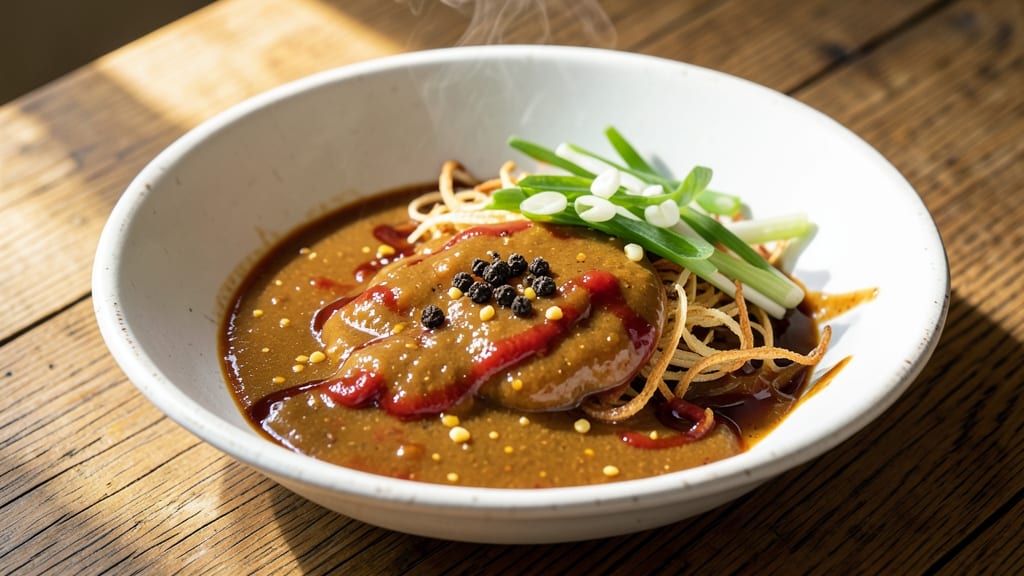
This sweet and sour sauce recipe no pineapple juice delivers the perfect balance of tangy brightness and rich umami—ideal for stir-fries, dipping, or marinades. The secret lies in a vinegar base (apple cider or rice) paired with ketchup for depth, while sugar and soy sauce create that signature harmony.
I developed this version after testing countless substitutions, and it never fails to elevate dishes with restaurant-quality flavor. The sauce comes together in just 10 minutes with pantry staples: vinegar for acidity, sugar for sweetness, and soy sauce for that unmistakable savory kick.
Unlike traditional recipes, this version skips pineapple entirely, using apple cider vinegar to brighten the flavors while maintaining that classic tang. The result? A glossy, balanced sauce that clings beautifully to proteins and vegetables without overpowering them.
What sets this sauce apart is its versatility—use it as a stir-fry glaze, dipping sauce for spring rolls, or even a marinade for grilled chicken. The texture stays silky-smooth, and the flavor develops even more richness when reduced slightly.
Once you taste the difference between this homemade version and store-bought, you’ll never go back. For extra depth, add a splash of tomato paste or a pinch of red pepper flakes to adjust heat levels.
Store in the fridge for up to 2 weeks, or freeze for longer shelf life. Let’s make this sauce—the perfect tangy, sweet companion for any meal.
Ingredients for sweet and sour sauce recipe no pineapple juice
Pantry staples with a bold umami twist—this sauce skips pineapple for vibrant depth.
| Ingredient | Amount | Notes |
|---|---|---|
| Apple Cider Vinegar 🍏 | ½ cup | Bragg or organic preferred |
| Ketchup 🍅 | ½ cup | Heinz or organic brand |
| Granulated Sugar 🍚 | ½ cup | White or brown sugar |
| Soy Sauce 🍜 | ¼ cup | Kikkoman or tamari |
| Tomato Paste 🍅 | 1 tbsp | Trader Joe's squeeze tube |
| Garlic Cloves 🧄 | 3 cloves | Minced for depth |
| Ginger Root 🌿 | 1 tbsp | Freshly grated |
| Red Pepper Flakes 🌶️ | ½ tsp | Adjust for heat |
| Cornstarch 🌾 | 1 tsp | For thickening |
| Water 💧 | ¼ cup | For thinning if needed |
The vinegar is your flavor anchor—Bragg Organic or Apple & Eve add subtle fruit notes. Ketchup brings that classic tang, so Heinz or organic brands work best. Sugar is non-negotiable; white sugar for classic sweetness or brown sugar for caramel depth. Soy sauce? Kikkoman for balance or tamari for gluten-free. Tomato paste from Trader Joe's squeeze tubes saves time—no waste, just flavor. Fresh ginger and garlic are worth the extra minute; pre-minced jars work in a pinch but lack brightness.
No apple cider vinegar? Rice vinegar works, but the apple notes disappear. Ketchup missing? Crushed tomatoes + sugar mimics the tang-sweet combo. Skip the tomato paste? Extra sugar + pinch of salt compensates. Ginger too spicy? Substitute lemon zest for citrus punch. The cornstarch is key—arrowroot powder works too, but cornstarch gives that classic gloss. Need it thinner? Water or broth adjusts texture without diluting flavor.
Sauce thickens as it cools, so start with slightly less cornstarch if you prefer a runnier consistency. Keeps in the fridge for 2 weeks in an airtight jar, or 3 months frozen. I double the batch—one for stir-fry, one for spring roll dipping. The flavor actually improves after 24 hours as ingredients meld. Freeze in ice cube trays for portion control.
Why You'll Love This Recipe
- I’ll be real: this sauce costs me pennies per serving. No fancy ingredients, no waste—just a few tablespoons of vinegar, a splash of ketchup, and boom, you’ve got a sauce that tastes like it cost a fortune. Plus, leftovers? They last forever, so I’m always covered when cravings hit.
- Pantry Magic: I swear by this sauce because it uses stuff I already have—no special trips to the store. The apple cider vinegar cuts through the sugar’s sweetness while the tomato paste adds depth, and honestly? It’s the kind of recipe that turns "what’s for dinner?" into a 10-minute win.
- Tangy-Sweet Balance: Between us, this isn’t your basic cloyingly sweet sauce. The soy sauce brings umami, the vinegar keeps it bright, and that sugar? It’s just enough to make your taste buds sing without overpowering. My kids dip their fries in it like it’s dessert—no guilt, just flavor.
- Weeknight Workhorse: This sauce is my go-to for takeout nights when I’m too tired to order. Toss it with chicken, toss it with tofu, or just eat it with crackers—it’s that versatile. And because it thickens well, it’s perfect for meal prep too; I make a big batch and keep it in the fridge for lazy evenings.
Step-by-step instructions for sweet and sour sauce without pineapple
This umami-rich sauce builds layer by layer—start with aromatics, then balance sweetness and acidity.
Bloom the Aromatics in Oil
Heat 2 tablespoons neutral oil (like vegetable or canola) in a medium saucepan over medium heat. Add the 3 cloves minced garlic and 1 tablespoon freshly grated ginger root, stirring constantly for 30-45 seconds until fragrant but not browned. Here's the thing—ginger burns faster than garlic, so watch closely.
Once the aromatics release their scent (you'll know by the kitchen aroma), add the 1 tablespoon tomato paste and stir for another 30 seconds until it darkens slightly. This step develops the sauce's depth—those caramelized tomato notes become the foundation. Keep the heat at medium throughout this process to prevent burning.
Combine Wet Ingredients and Simmer
Pour in the 0.5 cup apple cider vinegar and 0.25 cup soy sauce, stirring to deglaze the pan and scrape up any browned bits. Add the 0.5 cup ketchup and 0.5 cup granulated sugar, then bring the mixture to a gentle boil over medium-high heat.
Once boiling, reduce heat to medium-low and let it simmer uncovered for 8-10 minutes, stirring occasionally. You're looking for the sugar to dissolve completely and the mixture to thicken slightly. If it reduces too quickly (you'll see it getting syrupy), add 1-2 tablespoons of the 0.25 cup water to maintain balance.
Thicken and Season to Perfection
In a small bowl, whisk together the 1 teaspoon cornstarch with 2 tablespoons of the 0.25 cup water until smooth. Slowly pour this slurry into the simmering sauce while stirring continuously. The sauce should begin thickening almost immediately—keep stirring for 2-3 minutes until it reaches your desired consistency.
Taste and adjust seasoning: Add more apple cider vinegar if you want more tang, or more sugar if it needs sweetness. For heat, sprinkle in the 0.5 teaspoon red pepper flakes now. The sauce should coat the back of a spoon with a glossy sheen and have a perfect balance of sweet, sour, and umami flavors.
Cool and Store for Maximum Flavor
Remove the sauce from heat and let it cool to room temperature, stirring occasionally. The flavors will meld beautifully during this time—this is when the sauce develops its complexity. For best results, refrigerate the sauce for at least 1 hour before using, as the flavors continue to develop in the fridge.
This sauce keeps well in an airtight container in the refrigerator for up to 2 weeks. The longer it sits, the more the flavors integrate—it's worth the wait. When ready to use, gently reheat over low heat, stirring occasionally, until warmed through. The texture should remain glossy and thick, ready to elevate any dish from stir-fries to grilled meats.
Pro Tips For Making Sweet And Sour Sauce Recipe No Pineapple Juice
- Simmer Slow and Low: I used to blast this sauce on high, thinking it’d cook faster—bad move. After 20 minutes of stirring and checking, I realized the flavors meld best at a gentle simmer. Let it bubble quietly, uncovered, so the vinegar’s sharpness softens and the sugar caramelizes without burning. (Yes, even if you’re impatient like me.)
- Bloom the Tomato Paste: Skip the instant dump of tomato paste, or you’ll end up with a clumpy, bitter mess. First, heat your vinegar and a splash of water in the pot, then whisk in the paste while it’s still cool. Let it cook for 2–3 minutes until it’s fully dissolved and smooth—this guarantees a silky texture, not a gluey one.
- Balance the Vinegar: Apple cider vinegar is bold, and if you’re not careful, it’ll overpower the sauce. Taste as you go, but here’s the trick: add sugar gradually while simmering, not all at once. Start with half the recipe’s sugar, let it cook for 5 minutes, then adjust. You’ll avoid that harsh, tangy aftertaste that ruins the harmony.
- Thicken with Soy Sauce: The sauce will look thin when you first mix it, but don’t panic and dump in extra ketchup—that’s how you end up with a sticky, one-note glaze. Instead, let the sauce reduce naturally for 10–15 minutes. The soy sauce’s salt will help draw out moisture, thickening it as it goes. (Your future self will thank you.)
Troubleshooting perfect results
Overly Thick Sauce
If your sauce thickens too much during cooking, you’ve likely over-reduced it or added too much cornstarch. To fix this, whisk in 1-2 tablespoons of water or broth while stirring constantly over low heat.
For prevention, reduce heat to medium-low once boiling and stir frequently. I’ve found that arrowroot powder (½ tsp) works better than cornstarch for delicate textures if you’re worried about over-thickening. 💧
Sauce Too Thin
A runny sauce usually means the cornstarch didn’t activate properly or the heat wasn’t high enough. Simmer the sauce uncovered for an extra 3-5 minutes to evaporate excess moisture.
If it’s still too thin, mix ½ tsp cornstarch with 1 tsp water, stir into the sauce, and cook for 1-2 minutes until thickened. For future batches, ensure your pan is at a steady medium-high heat during the thickening phase.
Flat or Bland Flavor
If your sauce lacks depth, it’s often due to skipping the aromatics step or using low-quality ingredients. Always bloom the garlic and ginger in oil for 30-45 seconds to release their flavors. For extra umami, add 1 tsp fish sauce or ½ tsp MSG (if you have it).
I also recommend using Bragg Organic apple cider vinegar—its complexity elevates the sauce significantly compared to generic brands.
Sauce Separates
Separation happens when the sauce cools too quickly or the cornstarch isn’t fully dissolved. To fix it, whisk the sauce vigorously over low heat until smooth. For prevention, let the sauce cool gradually at room temperature before refrigerating.
If storing, transfer it to an airtight container and refrigerate—this helps maintain consistency. A splash of hot water while reheating can also help reintegrate separated elements.
Too Sweet or Sour
Balance is key! If your sauce is too sweet, add 1-2 tablespoons of vinegar (apple cider or rice) and simmer for 1-2 minutes to integrate. For extra tang, a squeeze of lemon juice works wonders.
If it’s too sour, stir in ½ tsp sugar at a time until the flavors harmonize. Taste as you go—this sauce is all about finding that perfect equilibrium between sweet, sour, and umami. 🍯
Grainy Texture
Gritty bits usually mean undissolved sugar or cornstarch. To fix it, strain the sauce through a fine-mesh sieve while hot. For future batches, ensure the sugar is fully dissolved during the simmering phase—stir constantly for 2-3 minutes once boiling.
If using brown sugar, it’s especially important to dissolve it completely to avoid graininess. A quick blend with an immersion blender can also smooth out any lingering texture issues.
Nutrition facts
Frequently asked questions
Can I substitute apple cider vinegar in this recipe?
Yes, but the flavor will change slightly. For a similar tang, use rice vinegar or white vinegar in equal amounts. If you want fruit notes without pineapple, try lemon juice (reduce by 1 tablespoon) or mango puree (2 tablespoons) for a tropical twist. The vinegar is key for that classic sweet and sour balance.
How can I make this sauce spicier?
Start with the ½ teaspoon red pepper flakes** included in the recipe, then adjust to taste. For extra heat, add 1 teaspoon sriracha or ½ teaspoon cayenne pepper while the sauce simmers. If using fresh chili peppers, remove seeds for less heat and finely chop them first. Always taste as you go!
Is this sauce gluten-free?
Not as written, but it’s easy to adapt! Replace the regular soy sauce with tamari (a gluten-free alternative) in the same amount. Check your ketchup label too—some brands contain wheat. For extra umami without gluten, add 1 teaspoon coconut aminos or ½ teaspoon fish sauce.
Can I use this sauce for other dishes besides stir-fry?
This versatile sauce works as a dipping sauce for spring rolls or egg rolls, a marinade for grilled chicken or tofu, or even a glaze for roasted vegetables. For marinades, reduce the sugar slightly (¼ cup) to prevent caramelization. The tangy-sweet balance shines in all these applications!
Why does my sauce taste different from store-bought?
Homemade sauce has fresher, brighter flavors! Store-bought versions often contain preservatives and artificial colors. The apple cider vinegar and fresh ginger/garlic in this recipe add depth that processed sauces can’t match. Plus, you control the sweetness and acidity—no aftertaste! The texture is also smoother when made from scratch.