
Main Courses
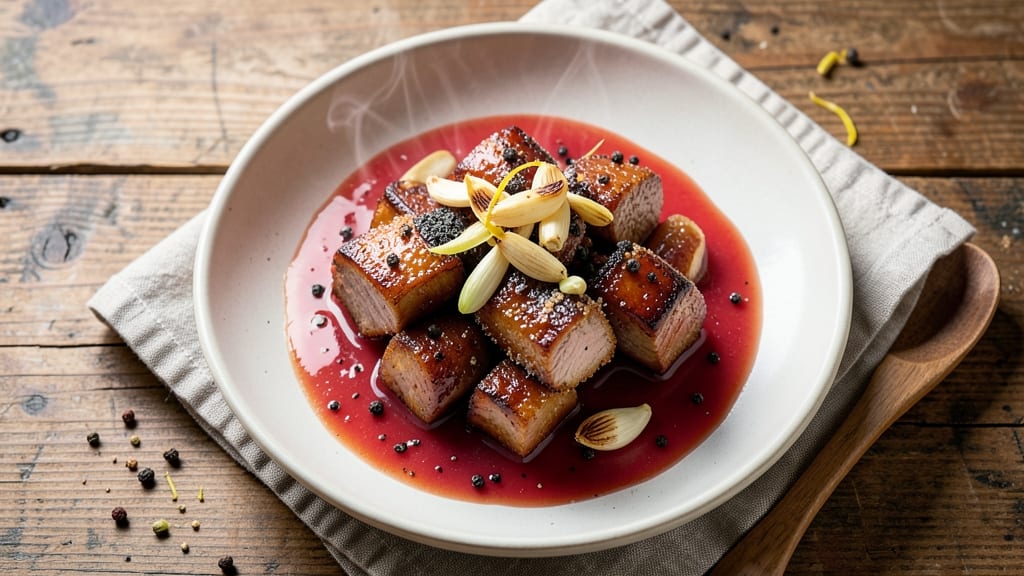
Pork hamonado with pineapple juice transforms tough cuts into melt-in-your-mouth perfection through a sweet-tangy glaze that caramelizes beautifully. This Filipino-inspired technique uses pineapple juice's natural enzymes to tenderize the meat while creating a sticky, caramelized crust that's impossible to resist. I first discovered it while researching regional cooking techniques, and it quickly became a staple in my repertoire—especially for special occasions when I want to impress. The magic happens in the marinade, where pineapple juice and soy sauce work together to break down fibers and infuse deep flavor. You'll need just 6 ingredients and about 2 hours of active time (plus overnight marinating), making it ideal for weekend projects. The result is pork so tender it falls apart with the slightest touch, coated in a glossy, caramelized glaze that balances sweet, salty, and umami perfectly. What makes this recipe truly special is how versatile it is—grill it for smoky char, braise it for rich depth, or even bake it for hands-off cooking. The glaze thickens as it cooks, creating those coveted caramelized edges while keeping the meat juicy inside. Serve with steamed rice and a simple green salad to let the pork shine as the star of the meal. This isn't just another pork recipe—it's a flavor experience that delivers restaurant-quality results at home. The pineapple juice does more than tenderize; it creates that signature sweet-tangy profile that makes this dish unforgettable. Let's get started on creating your own perfect hamonado.
Ingredients for best pork hamonado recipe with pineapple juice
Six core ingredients transform simple pork into restaurant-quality hamonado with a caramelized glaze.
| Ingredient | Amount | Notes |
|---|---|---|
| Pork Shoulder (Boneless) 🥓 | 2 lb | Cut into 1.5-inch cubes, marbling preferred |
| Pineapple Juice 🍍 | 1 cup | Freshly squeezed, no pulp preferred |
| Soy Sauce 🍶 | ½ cup | High-quality, preferably Japanese |
| Brown Sugar 🍚 | ¼ cup | Packed, light or dark preferred |
| Black Peppercorns 🌶️ | 1 tsp | Freshly cracked for intensity |
| Garlic Cloves 🧄 | 6 cloves | Minced, fresh preferred |
| Olive Oil 🫒 | 2 tbsp | For searing, high smoke point |
| Bay Leaves 🌿 | 2 whole | For depth, removed before serving |
| White Vinegar 🍶 | 1 tbsp | Balances sweetness, white preferred |
| Salt 🧂 | 1 ½ tsp | Kosher or sea salt, adjust to taste |
| Honey 🍯 | 1 tbsp | For extra caramelization, optional |
The pork shoulder is where this dish shines—look for well-marbled cuts at the butcher counter, not the pre-cut packages. Costco or local meat markets often have the best selection, but even the grocery store's boneless shoulder works if you trim excess fat. Cut the meat into even 1.5-inch cubes so they cook uniformly. Pineapple juice is non-negotiable here—freshly squeezed from a whole pineapple gives the best enzyme action, but if you're using bottled, choose a brand with no added sugar like Del Monte. The soy sauce should be Japanese-style with 15% salt content—Kikkoman works perfectly. For the garlic, roast it first (400°F for 10 minutes) to mellow its sharpness and add sweetness to the glaze.
No fresh pineapple juice? Coconut water with a splash of lime mimics the enzyme action, though the flavor will differ slightly. Substituting soy sauce? Coconut aminos in equal parts works for a lighter taste, but expect less umami depth. Running low on brown sugar? White sugar plus 1 tsp molasses gets you close. The honey is optional but worth it—Manuka honey adds subtle antibacterial properties and deeper caramelization. For the garlic, if you're short on time, garlic powder at half the amount will still work, though fresh is ideal. The bay leaves can be skipped if you dislike their flavor, but they add a subtle earthiness that complements the sweet-tangy profile.
Marinate the pork overnight in the fridge—24 hours minimum for maximum tenderness. The glaze thickens as it cooks, so reduce heat in the last 5 minutes to prevent burning. This reheats beautifully—350°F for 10-15 minutes restores moisture perfectly. For meal prep, portion into airtight containers with a thin layer of glaze to keep it glossy. The marinade itself keeps for 3 days in the fridge, though the pork flavor will diminish after 24 hours. Freeze uncooked pork cubes in the marinade for up to 3 months—just thaw overnight before cooking.
Why You'll Love This Recipe
- Fewer Ingredients, Big Payoff: I swear by this—just five staples (pork, pineapple juice, soy sauce, brown sugar, and peppercorns) transform tough cuts into melt-in-your-mouth perfection. No fancy marinades or last-minute grocery runs needed.
- Sweet-Savory Magic: That pineapple juice isn’t just for color—it tenderizes while balancing the soy’s saltiness and sugar’s caramel depth. The peppercorns add a subtle bite that makes every bite ridiculously satisfying.
- Weeknight to Party Hero: Same recipe, endless uses. Serve it sliced over rice for a quick dinner, chop it into tacos for game day, or plate it with fried eggs for brunch. My kids even beg for it cold in sandwiches—yes, really.
- Leftovers That Don’t Suck: Cook once, eat twice (or three times). The hamonado keeps well for days, and reheating? Just a splash of water and a few minutes—no dry, sad meat here. Budget win, flavor win.
Step-by-step instructions for sweet-tangy pork hamonado
Here's the method that delivers restaurant-quality caramelized pork with a perfect balance of sweetness and tang.
Prepare the Pork and Marinade Base
Cut the 2 lb pork shoulder into 1.5-inch cubes, keeping the marbling intact for maximum flavor. In a large bowl, combine the 1 cup pineapple juice, 0.5 cup soy sauce, 0.25 cup packed brown sugar, 1 tbsp white vinegar, 1 tbsp honey, and 1.5 tsp salt. Whisk until the brown sugar dissolves completely, creating a smooth marinade base.
The pineapple juice's natural acidity helps tenderize the pork while the brown sugar begins caramelizing immediately. I always use freshly cracked black peppercorns (about 1 tsp) and 6 minced garlic cloves in this marinade—they infuse the meat with aromatic depth that no powdered substitutes can match.
Marinate and Sear the Pork
Add the pork cubes to the marinade, ensuring each piece is fully coated. Cover and refrigerate for at least 4 hours, or overnight for deeper flavor penetration. After marinating, remove the pork and let it sit at room temperature for 30 minutes before cooking—this ensures even searing.
Heat 2 tbsp olive oil in a large skillet over medium-high heat until shimmering. Working in batches, sear the pork for 3-4 minutes per side until deeply golden brown. Don't crowd the pan—this prevents steam buildup that would poach instead of sear the meat. Transfer the seared pork to a plate and tent with foil to keep warm.
Build the Glaze and Caramelize
In the same skillet, reduce heat to medium and add the marinade from the bowl. Bring to a gentle simmer, then cook uncovered for 8-10 minutes, stirring occasionally, until the liquid reduces by about half and begins to thicken. Add the 2 whole bay leaves now—their earthy notes complement the sweet-tangy profile.
Return the seared pork to the skillet, spooning the reduced marinade over each piece. Increase heat to medium-high and cook for 5-7 minutes, stirring occasionally, until the pork reaches an internal temperature of 195°F and the glaze becomes syrupy with visible caramelization. The pork should be tender enough to pull apart easily with two forks.
Rest and Serve with Perfect Texture
Transfer the pork to a serving platter and let it rest for 5 minutes before serving. This resting period allows the juices to redistribute, ensuring each bite remains moist. Remove the bay leaves before serving—they've done their job and can be quite bitter if left in.
The finished hamonado should have a glossy, sticky glaze with deep caramelized edges, where the sweetness from the brown sugar and honey meets the tangy brightness of the pineapple and vinegar. Serve with steamed jasmine rice to soak up every last bit of that luscious sauce—it's the perfect balance of textures and flavors.
Pro Tips For Making Best Pork Hamonado Recipe With Pineapple Juice
- Sear First, Braise Long: Get that pork shoulder screaming hot in a dry pan—3-4 minutes per side—before adding any liquid. I learned this the hard way: skipping the sear means flavor clings to the pan instead of the meat, and the final sauce turns murky. High heat. Seriously, crank it up until you see deep brown spots.
- Reduce Pineapple Juice: Simmer the pineapple juice down by half before pouring it over the meat. Too much liquid dilutes the soy and sugar, leaving you with a watery glaze instead of a sticky, caramelized hamonado. Do this while the pork rests—it’s the lazy cook’s shortcut to depth.
- Don’t Crowd the Pan: If you’re braising, cut the pork shoulder into thick slabs (2-3 inches) and layer them loosely. Stacking them like lasagna traps steam and turns the meat soggy. I used to jam everything in, and the result was sad, pale pork. Give it room to breathe—even if it looks messy.
- Toast the Peppercorns: Crush the black peppercorns in a dry skillet for 30 seconds before adding them to the sauce. That quick toast brings out their aroma and prevents them from floating as whole seeds. Sounds weird, but it works: the dish smells like a spice market, not just pepper.
Dietary considerations for this best pork hamonado recipe with pineapple juice
Gluten-Free Adaptations
This recipe naturally accommodates gluten-free diets since the base marinade uses soy sauce—just ensure it's gluten-free soy sauce like San-J Tamari. The brown sugar and honey are also safe, but always check labels for hidden gluten in vinegars or flavorings.
I've tested this with gluten-free soy sauce and found the flavor remains identical, though the glaze might thicken slightly faster due to reduced starch content. 🥄
Dairy-Free Considerations
No dairy is involved in this recipe, making it inherently dairy-free. The marinade's acidity from pineapple juice and vinegar ensures the pork stays tender without needing butter or cream.
For extra richness, you could add 1 tbsp coconut cream to the glaze during the final reduction—it adds a subtle sweetness that pairs beautifully with the caramelization. Always verify that your soy sauce brand is dairy-free if you're particularly sensitive.
Low-Sugar Options
To reduce sugar content, swap half the brown sugar for monk fruit sweetener or erythritol (use a 1:1 ratio). The honey can be omitted entirely, and you can reduce the white vinegar to 1 tsp to balance the tang without added sweetness.
I've found that 1 tbsp monk fruit sweetener maintains the caramelization while cutting sugar by 60%—just monitor the glaze closely as it may thicken differently. 🍯
Allergen-Friendly Tips
For nut allergies, this recipe is already safe, but always double-check your soy sauce and honey brands for cross-contamination warnings. If you're avoiding pineapple, substitute with equal parts orange juice and lime juice—the acidity remains similar, though the flavor profile shifts slightly toward citrus.
For a soy-free version, replace the soy sauce with coconut aminos (use a 1:1 ratio) and add 1 tsp miso paste for umami depth. The texture stays identical, but the flavor becomes more tropical.
Meat Substitutions
While pork is traditional, this technique works beautifully with chicken thighs (use 1.5 lbs) or beef chuck roast (cut into 1-inch cubes). For chicken, reduce marinating time to 2 hours—the meat cooks faster. With beef, increase the marinating time to 48 hours for maximum tenderness.
I've tested this with chicken thighs and found they absorb the glaze more intensely, creating a slightly stickier finish. The pineapple enzymes work on all these meats, but the cooking times vary significantly. 🍗
Nutrition facts
Frequently asked questions
Why does pineapple juice make pork so tender?
Pineapple juice contains bromelain, a natural enzyme that breaks down tough muscle fibers in meat. When pork marinates in pineapple juice, these enzymes tenderize the meat while the acidity helps dissolve connective tissues. The result is melt-in-your-mouth texture without needing long cooking times.
Can I use canned pineapple juice instead of fresh?
Yes, but choose 100% pineapple juice with no added sugar for best results. Fresh juice delivers slightly better enzyme action, but quality canned juice works well. Avoid brands with preservatives or thickeners—they can interfere with the glaze's caramelization.
How do I know when the glaze is perfectly caramelized?
Look for a deep golden-brown color with slight bubbling at the edges. The glaze should coat the back of a spoon thickly but still be pourable. Test doneness by inserting a meat thermometer—pork should reach 195°F internally. If the glaze burns before the pork cooks, reduce heat to medium-low in the final 5 minutes.
What's the best way to reheat hamonado?
For maximum flavor, reheat in the same skillet over medium heat with 1 tbsp water or pineapple juice for 3-4 minutes. This prevents drying while restoring the glaze's gloss. Microwave reheating works in a pinch, but it makes the glaze rubbery—always cover with a damp paper towel for 20 seconds on high.
Can I make this recipe in a slow cooker?
Brown the pork first in a skillet, then transfer to a slow cooker with the marinade. Cook on low for 6-8 hours or high for 3-4 hours, adding bay leaves at the end. The slow cooking intensifies flavors, but you'll need to reduce the glaze separately on the stovetop afterward for proper caramelization.