
Main Courses
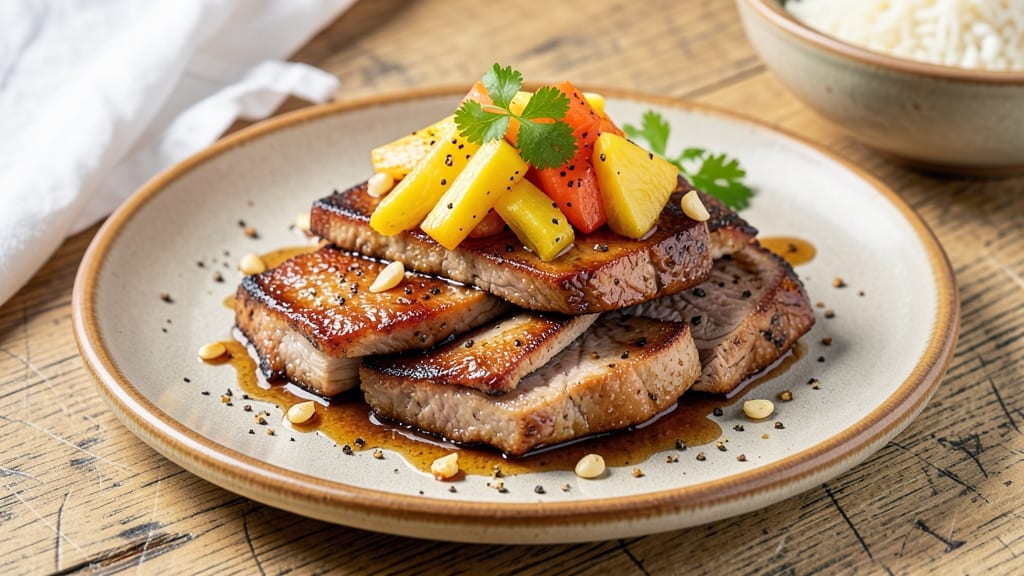
This panlasang Pinoy pork hamonado with pineapple recipe delivers the perfect balance of sweet, savory, and smoky flavors—just like the beloved Filipino dish you crave. 🌟 The secret lies in a rich glaze that caramelizes beautifully in one pan, transforming simple ingredients into a restaurant-worthy meal.
I developed this version after years of perfecting the technique, ensuring tender pork and perfectly sweetened pineapple in every bite. The beauty of this dish is its simplicity: just a few pantry staples and about 45 minutes of active time.
The pork gets marinated in a blend of soy sauce, vinegar, and spices, then slow-cooked until fork-tender while the pineapple adds natural sweetness that cuts through the richness. The glaze thickens as it simmers, creating that signature caramelized crust that makes this dish irresistible.
What you'll end up with is perfectly tender pork slices swimming in a glossy, sweet-savory sauce, with pineapple chunks that stay juicy and bright. The aroma alone will have everyone gathering at the table—it's the kind of meal that tastes like a celebration.
Serve it over steamed rice for the full Filipino experience, or pair it with roasted vegetables for a lighter option. This recipe is foolproof for home cooks and delivers professional results without complicated techniques. The key is patience—letting the glaze develop its depth while keeping the pork moist.
Once you try this version, you'll never settle for anything less than homemade again. Let's get cooking!
Ingredients for pork hamonado with pineapple recipe panlasang pinoy
Pantry staples meet Filipino flavors in this one-pan pork and pineapple masterpiece.
| Ingredient | Amount | Notes |
|---|---|---|
| Pork Shoulder 🥩 | 1 ½ lb | Cut into 1-inch thick slices |
| Fresh Pineapple Chunks 🍍 | 1 ½ cups | Fresh or canned in juice |
| Soy Sauce 🍶 | ½ cup | High-quality Filipino brand preferred |
| White Vinegar 💧 | ¼ cup | White or cane vinegar |
| Brown Sugar 🍚 | ½ cup | Light or dark preferred |
| Garlic Cloves 🧄 | 6 cloves | Minced for marinade |
| Fresh Ginger 🌿 | 2 tbsp | Grated finely for marinade |
| Black Peppercorns 🌶️ | 1 tsp | Crushed lightly |
| Bay Leaves 🍃 | 2 whole | Dried or fresh |
| Olive Oil 🫒 | 2 tbsp | For searing pork |
| Salt 🧂 | 1 tsp | Kosher or sea salt |
| Water 💧 | ¼ cup | For deglazing pan |
| Cornstarch 🌾 | 1 tbsp | For thickening glaze |
The pork shoulder is non-negotiable here—look for well-marbled cuts at Asian markets or Costco for the best flavor. Fresh pineapple is ideal (that vibrant, juicy kind), but canned pineapple in juice works in a pinch—just drain and pat dry. The soy sauce makes all the difference: Golden Mountain or Lee Kum Kee brands elevate this dish. If you can't find them, any high-quality soy sauce will do, but don't skip the Filipino touch. For the ginger, freshly grated is a must—it adds depth the powdered version can't match.
No soy sauce? Coconut aminos in a 1:1 ratio works surprisingly well. Short on brown sugar? Honey or maple syrup (reduce by 1 tbsp) gives similar sweetness. The pineapple chunks can be swapped for mango slices if you prefer, though the tropical acidity balances the pork perfectly. If you're feeling adventurous, add 1 tbsp of calamansi juice (or substitute with lemon) for that signature Filipino tang. The cornstarch is key for that glossy glaze—don't skip it, but if you're out, arrowroot powder works just as well.
The pork marinates best overnight, but at least 2 hours works if you're short on time. Store any leftovers in the fridge for 3-4 days—the flavors actually improve as the sauce reduces. For freezing, portion into airtight containers with a thin layer of sauce on top to prevent drying. This reheats beautifully—just warm in a skillet with a splash of water for that same caramelized glaze. Double the recipe if you're feeding a crowd; it's that good.
Why You'll Love This Recipe
- One-Pan Magic: I swear by this recipe—just toss the pork, pineapple, and sauce in one pan, cover it, and walk away. No flipping, no fussing, no extra dishes. The vinegar and soy sauce do all the work while you sip coffee or scroll through your phone.
- Sweet-Savory Balance: That caramelized brown sugar glaze on the pork? Chef’s kiss. But the real magic is the fresh pineapple—its tang cuts through the richness, making every bite bright and addictive. Honestly, I’ve never met a hamonado that didn’t benefit from the pineapple’s zing.
- Leftover Hero: This dish tastes better the next day, I’m not joking. The flavors meld into something deeper, and reheating it is a breeze—just a quick microwave or pan sear. My freezer’s always stocked with portions because it’s my go-to for lazy lunches or impromptu potlucks.
- Budget-Friendly Feast: Pork shoulder is cheap, pineapple’s affordable in bulk, and you’re using pantry staples. For under $15, you feed four people a meal that feels fancy. Between us, this is how I stretch groceries without sacrificing flavor—no guilt, just satisfaction.
Step-by-step instructions for pork hamonado with pineapple
Here's how to create that signature Filipino sweet-savory glaze in one pan.
🔥 Step 1: Sear the Pork Shoulder for Deep Flavor
Heat a large skillet over medium-high heat and add the 2 tablespoons olive oil. Once shimmering, add the 1.5 lb pork shoulder cut into 1-inch thick slices, working in batches if needed to avoid crowding. Sear for 3-4 minutes per side until golden brown with crispy edges.
This initial sear creates the Maillard reaction that builds flavor. Press down gently on the pork slices during the first minute to prevent curling. Remove the pork and set aside on a plate, leaving all the browned bits in the pan - they're pure flavor gold.
🍳 Step 2: Build the Sweet-Savory Marinade
In the same skillet, add the 6 cloves minced garlic cloves and 2 tablespoons fresh ginger and cook for 30 seconds until fragrant. Pour in the 0.5 cup soy sauce, 0.25 cup white vinegar, and 0.5 cup brown sugar, scraping up all those browned bits from the bottom.
Add the 2 whole bay leaves and 1 teaspoon crushed black peppercorns, then return the pork to the pan. Pour in 0.25 cup water and bring to a simmer. Cover and cook on medium-low heat for 25-30 minutes until the pork is tender and the sauce has reduced by half.
🍳 Step 3: Add Pineapple and Thicken the Glaze
Increase heat to medium-high and add the 1.5 cups fresh pineapple chunks. Stir gently to combine with the pork and sauce. In a small bowl, whisk together 1 tablespoon cornstarch with 2 tablespoons cold water to make a slurry. Slowly pour this into the pan while stirring constantly.
The pineapple will release its juices and the cornstarch will thicken the sauce into that signature glossy glaze. Cook for another 3-4 minutes until the sauce coats the back of a spoon and the pineapple is heated through. Taste and adjust seasoning with the 1 teaspoon salt if needed.
⏰ Step 4: Rest and Serve with Perfect Glaze
Transfer the pork and pineapple to a serving platter. Let it rest for 5 minutes before serving - this allows the juices to redistribute and the glaze to set slightly. The pork should be fork-tender with a caramelized exterior, and the pineapple should be tender with a glossy coating.
Serve immediately with steamed rice to soak up that delicious sauce. The combination of sweet pineapple, savory soy, and caramelized pork creates the perfect balance of flavors that makes this dish so beloved in Filipino cuisine.
Pro Tips For Making Pork Hamonado With Pineapple Recipe Panlasang Pinoy
- Sear the Pork First: Hit the pork shoulder with a screaming-hot pan for 3-4 minutes per side before adding any sauce. I learned this the hard way—skipping the sear means the meat turns out soggy and dull instead of caramelized and flavorful. The soy-vinegar-browning here needs that initial crust to stick.
- Cut Pineapple Small: Dice the pineapple into ½-inch chunks, not rings. Rings burn unevenly and release too much juice, diluting the sauce faster than you can stir. Small pieces also cook through quicker, so they stay tender instead of mushy.
- Deglaze Aggressively: After searing the pork, splash in the vinegar immediately—don’t wait for the pan to cool. Scrape up every browned bit with a wooden spoon while it’s hot. That’s where half the flavor hides, and letting it sit turns it into a sticky mess.
- Simmer Low and Slow: Once everything’s in the pot, reduce heat to medium-low and let it bubble gently. High heat makes the sauce turn gluey and the pork dry out before the pineapple softens. Ten minutes of steady simmering at this stage is worth the wait.
Best sauces and condiments for this recipe
Classic Soy-Glaze Sauce
This is the foundation of your pork hamonado, where ½ cup soy sauce and ½ cup brown sugar create the signature sweet-savory balance. I always use Golden Mountain soy sauce for its deep umami flavor—it's worth the splurge for this dish.
The key is letting the sauce reduce by half during cooking, which concentrates the flavors and creates that perfect caramelized crust. 🌟
For extra depth, add 1 tbsp of calamansi juice (or substitute with lemon) to brighten the sauce. The acidity cuts through the richness of the pork beautifully. If you can't find calamansi, a splash of rice vinegar works in a pinch.
The sauce should coat the back of a spoon when finished—this is what makes the dish shine.
Pineapple Reduction Sauce
Fresh pineapple chunks are essential here—they add natural sweetness and a bright acidity that balances the pork. I prefer fresh pineapple because it releases more juice during cooking, but canned pineapple in juice (drained well) works too.
For a richer sauce, reduce the pineapple juice separately until it thickens slightly before mixing it back in.
To elevate this sauce, stir in 1 tsp of toasted sesame oil at the end for a nutty aroma. A pinch of ground white pepper adds warmth without overpowering the sweetness.
This sauce is versatile—use it as a dipping sauce for the pork or drizzle it over rice for extra flavor.
Spicy Chili-Lime Glaze
For a kick, add 1 tbsp of chili paste (like Sriracha or Sambal Oelek) and 1 tsp of lime zest to the sauce during the final 3 minutes of cooking.
The heat from the chili balances the sweetness, while the lime adds a refreshing tang. This variation is perfect for those who love a little spice with their Filipino flavors.
If you're feeling adventurous, top the dish with crushed red pepper flakes and cilantro leaves for a fresh, spicy finish. The contrast of heat and freshness makes every bite exciting. This glaze works especially well with grilled pork or as a marinade for chicken.
Creamy Coconut Sauce
For a richer, creamier sauce, stir in ¼ cup of coconut milk during the final 5 minutes of cooking. The coconut adds a subtle sweetness and a velvety texture that pairs beautifully with the pork.
I like to use full-fat coconut milk for the best results—it creates a luxurious sauce that feels indulgent.
To enhance the flavor, add ½ tsp of ground turmeric for a golden hue and earthy depth. This sauce is perfect for serving over rice or as a dipping sauce for spring rolls. The creaminess balances the tangy pineapple and savory pork beautifully.
Ginger-Soy Drizzle
For a lighter, more aromatic sauce, mix 2 tbsp of the reduced soy glaze with 1 tbsp of fresh ginger juice (from grated ginger) and 1 tsp of honey.
Drizzle this over the pork just before serving to add a bright, fresh finish. The ginger juice adds a zesty kick that cuts through the richness of the pork.
This drizzle is perfect for those who prefer a lighter sauce but still want bold flavors. It’s also great for topping grilled vegetables or noodles. The simplicity of this sauce lets the natural flavors of the pork and pineapple shine through.
Nutrition facts
Frequently asked questions about pork hamonado with pineapple
Can I use pork loin instead of pork shoulder?
Pork shoulder is ideal for this recipe because of its fat content, which keeps the meat tender during the long cooking process. If you must use pork loin, cut it into ½-inch thick slices and reduce the cooking time to 15-20 minutes to prevent drying out. The texture will be leaner, but still delicious!
How do I make this dish spicier?
Add 1-2 tablespoons of chili flakes or 1 tbsp of sambal oelek to the marinade for heat. For extra kick, stir in 1 tsp of chili crisp during the final 2 minutes of cooking. If you love spice, top with fresh cilantro and lime wedges to balance the heat.
Can I prepare this dish ahead of time?
This dish tastes even better the next day. Cook the pork and sauce as directed, then refrigerate in an airtight container for up to 3 days. Reheat gently in a skillet with a splash of water to restore the glaze. The flavors deepen as the sauce reduces further.
What if my sauce isn't thick enough?
Simmer the sauce uncovered for an extra 5-10 minutes to reduce it further. If it's still too thin, mix 1 tsp cornstarch with 1 tbsp water and stir it into the sauce while heating. The glaze should coat the back of a spoon when finished.
Is canned pineapple okay to use?
Yes! Just use canned pineapple in juice (not syrup) and drain it well before adding. For extra flavor, reduce the pineapple juice separately until it thickens slightly before mixing it back in. Fresh pineapple is preferred, but canned works perfectly in a pinch.