
Sauces & Condiments
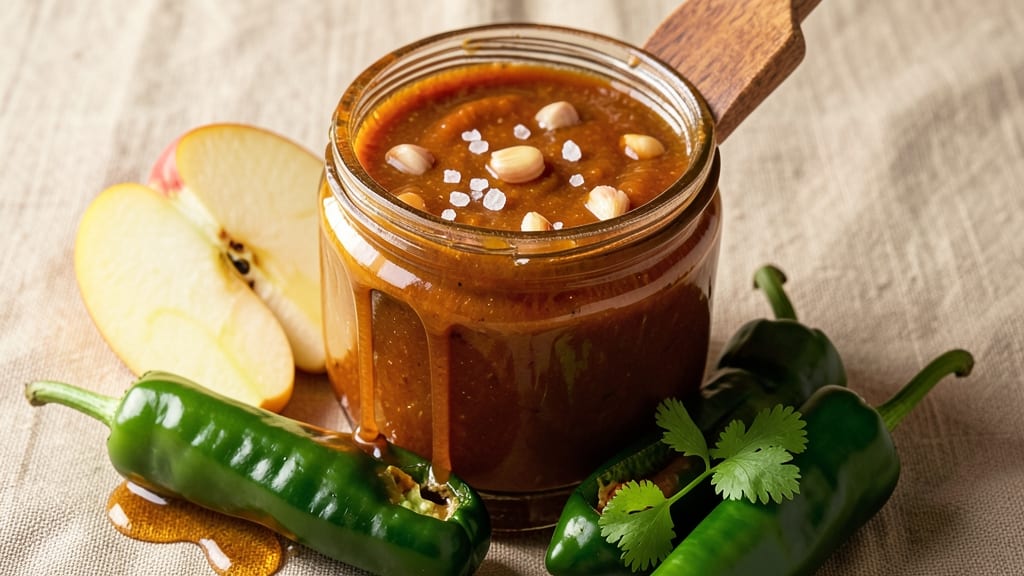
This apple habanero hot sauce delivers a perfect balance of sweet, tangy, and fiery flavors without requiring any cooking—just fermentation. The natural sugars in apples caramelize during fermentation, creating a complex depth that pairs beautifully with the habanero’s heat.
I developed this recipe after years of experimenting with fruit-based hot sauces, and it’s now my go-to for adding bold, sweet-spicy punch to everything from tacos to grilled meats.
The process is simple: finely chop habaneros (adjust for heat level) and apples, then mix with apple cider vinegar, salt, and a touch of garlic for depth. Let the blend ferment for 3-5 days, and you’ll end up with a vibrant, tangy sauce that’s both sweet and fiery.
The fermentation also mellows the habanero’s sharpness, leaving behind a smooth, complex heat that lingers without overwhelming.
What makes this sauce special is its versatility—drizzle it over tacos, mix it into marinades, or use it as a dip for fries. The sweetness from the apples balances the heat, making it approachable for those who love spice but want depth, not just burn.
Store it in the fridge for up to 3 months, and the flavors will only intensify over time.
For those who prefer less heat, reduce the habanero quantity or add a splash of honey to the final blend. If you love bold, fruity heat, this sauce is a game-changer—simple to make but packed with flavor. Let’s get started!
Ingredients for apple habanero hot sauce
Sweet apples and fiery habaneros create this tangy, fermented hot sauce with zero cooking.
| Ingredient | Amount | Notes |
|---|---|---|
| Habanero Peppers 🌶️ | 4 whole | Seedless for milder heat |
| Apples 🍎 | 2 medium | Sweet variety like Fuji |
| Apple Cider Vinegar 🍏 | 1 cup | Raw, unfiltered preferred |
| Garlic Cloves 🧄 | 3 cloves | Freshly minced for depth |
| Sea Salt 🧂 | 1 tbsp | Diamond Crystal preferred |
| Honey 🍯 | 2 tbsp | Optional for sweetness |
| Fresh Cilantro 🌿 | ¼ cup | Chopped, for freshness |
| Filtered Water 💧 | ½ cup | For thinning if needed |
Habaneros are the star here—pick fresh, firm ones from the produce section, not the hot sauce aisle. Trader Joe's or Whole Foods usually carry the best selection. For apples, Fuji or Gala work perfectly—their natural sweetness balances the heat. If you can't find habaneros, serrano peppers at half the quantity will give you a similar kick. The vinegar should be raw and unfiltered for extra depth; Bragg is my go-to brand. Don't skip the garlic—it adds layers of flavor that make this sauce truly special.
No habaneros? Serrano or jalapeño peppers work in a pinch, but you'll need about half the quantity for similar heat. Fresh cilantro is ideal, but dried cilantro at one-third the amount works if you're in a bind. The honey is optional—add it if you want extra sweetness to balance the heat, but skip it if you prefer a more tangy profile. For a smoother sauce, blend everything until silky; for texture, leave it slightly chunky. If the mixture seems too thick after fermenting, add a splash of filtered water to reach your desired consistency.
Ferment in a clean glass jar with a lid—airtight but not sealed—for 3-5 days at room temperature. Once fermented, transfer to the fridge where it'll keep for 3 months. The flavors deepen over time, so don't rush it. For best results, shake the jar daily during fermentation. If you make extra, freeze portions in ice cube trays for easy single-use servings later.
Why You'll Love This Recipe
- Sweet Heat in Minutes: I swear, this sauce comes together faster than you can say "burning tongue." Just toss habaneros, diced apples, and vinegar into a pot—no peeling, no fancy prep. The apples soften while the habaneros mellow into smoky sweetness, and honestly? That’s the magic.
- Garlic-Apple Fireball: Between us, the flavor combo is ridiculous. The sharpness of raw garlic and the bright tang of apple cider vinegar cut through the habanero’s heat, leaving a finish that’s weirdly addictive. Drizzle it on eggs, mix into mayo, or just eat it straight from the jar—no judgment.
- Pantry Staple Upgrade: This sauce turns boring meals into events. Slather it on grilled chicken, stir into marinades, or even drizzle over roasted veggies. It’s my go-to for weeknight dinners, potlucks, or when I’m craving something that packs a punch but still feels familiar.
- Lasts All Week: Make a big batch—it keeps for months in the fridge. The vinegar preserves it, and the heat actually intensifies over time (yes, really). I’ve got jars tucked in my freezer for emergencies, and it’s the only hot sauce I ever buy after making this. Budget win.
Step-by-step instructions for apple habanero hot sauce
Here's how to blend sweetness and heat into a vibrant, no-cook hot sauce that's ready in minutes.
Prepare the Habanero and Apples
Start by cutting the 4 whole seedless habanero peppers in half lengthwise. Remove seeds and membranes to reduce heat intensity while keeping the flavor. Place them in a high-quality blender along with the 2 medium apples, peeled and cored. I like to use a sweet variety like Fuji for the perfect balance of sweetness that cuts through the habanero's heat.
Pulse the mixture briefly—just enough to break down the apples into small chunks while keeping the habanero pieces intact. This creates texture contrast in your sauce. The habanero should still be visible, not completely pureed. If you prefer a smoother sauce, blend longer, but I find the texture adds character.
Add Vinegar, Garlic, and Salt
Pour in the 1 cup apple cider vinegar and add the 3 cloves freshly minced garlic. The vinegar acts as a natural preservative while adding tangy depth. Sprinkle in the 1 tablespoon sea salt—this enhances all the flavors and helps balance the sweet and spicy notes.
Pulse again just until everything combines. You want the garlic to be finely minced but still visible—this ensures you get that fresh, aromatic punch without it being overwhelming. The mixture should look like a chunky, vibrant red-orange blend with apple pieces scattered throughout.
Sweeten and Finish with Cilantro
Drizzle in the 2 tablespoons honey and pulse once more to distribute evenly. The honey not only adds sweetness but also helps balance the heat from the habanero. Add the 0.25 cup chopped fresh cilantro and pulse one final time. The cilantro adds freshness that brightens the whole sauce.
Taste the mixture now—you should notice a perfect balance between sweet apple, tangy vinegar, and habanero heat. If you want it sweeter, add a bit more honey. If it's too spicy, you can thin it with the 0.5 cup filtered water later, but the current balance should be just right.
Thin and Adjust to Preference
If the sauce is too thick, add the 0.5 cup filtered water one tablespoon at a time while blending until you reach your desired consistency. I like mine slightly thick but pourable—it should coat the back of a spoon without being gluey.
Let the sauce sit for 10-15 minutes at room temperature. This allows the flavors to meld together. Give it one final taste and adjust seasoning if needed—maybe a pinch more salt or a drizzle of honey. Once you're happy with the balance, transfer it to a clean glass jar and seal it tightly.
Store and Enjoy
This hot sauce will keep in the refrigerator for up to 2 weeks. The flavors actually improve over time as they develop. Use it to spice up tacos, drizzle over grilled meats, or mix into dressings for a sweet and fiery kick.
Remember, habanero heat varies by pepper, so taste as you go. If you prefer milder heat, reduce the habanero to 2 peppers next time. For extra depth, let it infuse for an hour before blending. This versatile sauce is your blank canvas for balancing sweet and spicy flavors!
Pro Tips For Making Apple Habanero Hot Sauce
- Simmer Slow and Low: After three batches of scorched apple-vinegar sludge, I learned: keep the heat at a bare simmer—no boiling. You want the habaneros and garlic to infuse, not burn, and a gentle roll keeps the apples from turning to mush. If you rush it, you’ll end up with a bitter, one-dimensional sauce instead of that bright, balanced heat.
- Seed the Habaneros: I used to leave the seeds in, thinking more heat equals better sauce. Wrong. The seeds add bitterness and overpower the apple’s sweetness. Remove them carefully—wear gloves, because these peppers will sting—and you’ll get a cleaner, fruitier heat that lets the apple shine.
- Core the Apples Right: Don’t just chop them raw—core them first, then slice or dice. A whole core in your pot means uneven cooking, and you’ll end up with a chunky, undercooked center while the edges turn to paste. Core them, then toss the pieces in a splash of vinegar while you prep the rest. Trust me, your sauce will be smoother.
- Strain for Smoothness: Skimping on straining? Your sauce will taste like it’s chewing on apple skins. Use a fine-mesh sieve or cheesecloth to press out every last drop—yes, it takes an extra 10 minutes, but the result is silky, not gritty. I used to skip it; now I don’t. The difference is night and day.
Regional styles of apple habanero hot sauce
Caribbean Fusion Twist
In the Caribbean, hot sauces often blend tropical fruits with fiery peppers—this recipe gets a local upgrade by adding 1 tablespoon lime juice and ½ teaspoon allspice to the fermenting blend. The lime brightens the apple’s sweetness while allspice adds a warm, earthy depth reminiscent of Jamaican jerk seasoning.
Use this version on jerk chicken or grilled pineapple for an island-inspired kick. 🌴
Southern US Sweet Heat
Southern hot sauces lean into sweetness, so swap the honey for ¼ cup maple syrup and add 1 teaspoon smoked paprika to mimic the flavor of classic BBQ sauces. This variation works perfectly as a glaze for ribs or a dipping sauce for fried green tomatoes.
The maple syrup deepens the caramelization during fermentation, creating a richer, more complex sauce. 🔥
Mexican Mango-Habanero
For a Mexican-inspired twist, replace the apples with 1 ripe mango (peeled and diced) and add 1 teaspoon ground cumin and ½ teaspoon oregano to the blend. The mango’s tropical sweetness pairs beautifully with the habanero’s heat, making this sauce ideal for tacos al pastor or grilled shrimp.
Ferment for an extra day to let the cumin’s earthiness shine through. 🌶️
Pacific Northwest Smoky Apple
In the Pacific Northwest, where apples thrive, this sauce gets a smoky twist by adding ½ teaspoon liquid smoke (like Elmer’s) and 1 teaspoon apple cider vinegar reduction (simmer ¼ cup vinegar until syrupy).
This version is perfect for drizzling over smoked salmon or roasted root vegetables. The smoky depth complements the region’s love of charred and wood-fired flavors. 🍃
Asian-Inspired Ginger Heat
For an Asian fusion, add 1 tablespoon freshly grated ginger and 1 teaspoon fish sauce (like Red Boat) to the blend. The ginger adds a zesty brightness, while the fish sauce deepens the umami profile.
This sauce is fantastic with sushi rolls, grilled tofu, or as a marinade for skewers. Ferment for 4 days to let the ginger’s sharpness mellow into a warm, spicy depth. 🌿
Nutrition facts
Frequently asked questions
How long does it take for the apple habanero hot sauce to ferment?
Fermentation takes 3-5 days at room temperature for optimal flavor development. Store it in an airtight jar with the lid slightly loose to allow airflow. The longer it ferments (up to 7 days), the deeper and more complex the flavors become, but 3-5 days is perfect for a bright, tangy balance.
Can I adjust the heat level in this hot sauce?
For milder heat, reduce habaneros to 2 peppers or remove seeds completely. For extra spice, add 1 extra habanero or swap in 1 serrano pepper (which is hotter). Taste as you go—you can always thin with filtered water to balance the intensity.
What’s the best way to store leftover hot sauce?
Transfer to a clean glass jar and refrigerate for up to 3 months. The flavors actually improve over time! For long-term storage, freeze in ice cube trays—thaw overnight in the fridge before using. Avoid metal containers, as they can react with the acidic vinegar.
Why does my sauce look cloudy after fermenting?
Cloudiness is normal and indicates fermentation! The natural yeasts and bacteria breaking down sugars create this effect. If you prefer clarity, strain through a fine-mesh sieve after fermenting. For extra body, leave it slightly cloudy—it adds character.
What are the best uses for this hot sauce?
Drizzle over tacos, grilled meats, or fried chicken for sweet-spicy flavor. Mix into marinades, dressings, or even cocktails (try it in a margarita!). It’s also fantastic as a dip for fries or a glaze for roasted vegetables. The apple’s sweetness makes it versatile for both savory and slightly sweet dishes.