
Sauces & Condiments
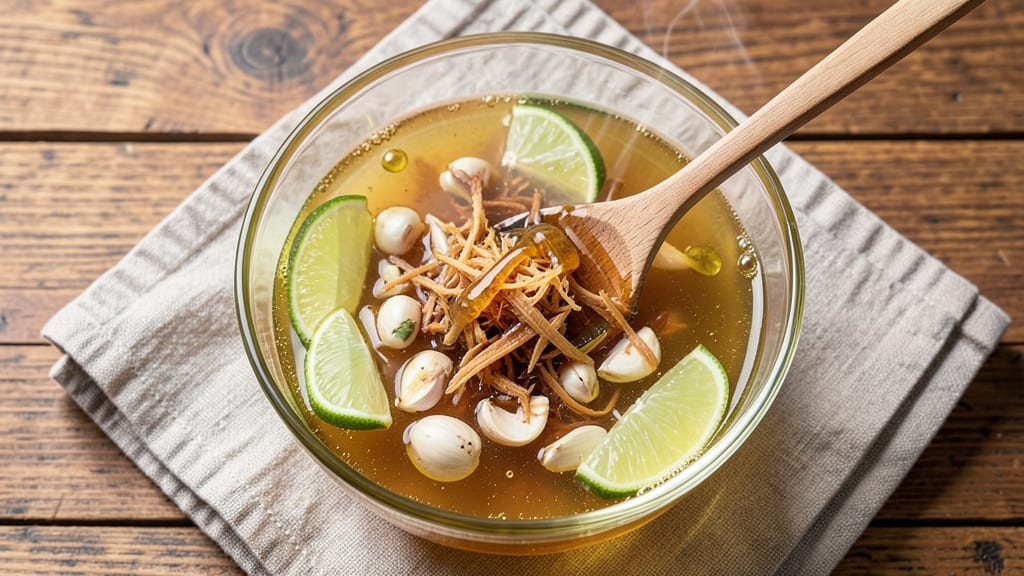
This ginger garlic lime apple cider vinegar honey recipe transforms simple pantry staples into a vibrant, tangy-sweet glaze that elevates everything from grilled chicken to fresh salads.
The secret lies in balancing sharp apple cider vinegar with honey's warmth, while fresh garlic and lime brighten every spoonful—creating a sauce that's equally at home as a marinade or finishing drizzle.
What makes this recipe stand out is its versatility. The combination of ginger's zing, garlic's depth, and lime's acidity creates a complex flavor profile that works with both bold and delicate dishes.
Unlike store-bought dressings, this sauce builds flavor as it sits, making it perfect for meal prep or last-minute cooking.
You'll end up with a glossy, aromatic glaze that caramelizes beautifully when brushed on proteins or tossed with vegetables. The acidity tenderizes meats while adding a bright contrast, while the honey balances the sharpness for a perfectly harmonious finish.
This isn't just another dressing—it's a flavor multiplier that turns ordinary meals into something extraordinary.
Best of all, this recipe keeps well in the refrigerator for up to two weeks, making it ideal for stocking your pantry. Whether you're glazeing roasted vegetables, marinating seafood, or drizzling over grilled meats, this sauce delivers restaurant-quality results with minimal effort. Let's create it together.
Ingredients for ginger garlic lime apple cider vinegar honey
Eight vibrant ingredients create a complex, restaurant-quality glaze perfect for marinades and finishing touches.
| Ingredient | Amount | Notes |
|---|---|---|
| Fresh Ginger Root 🌿 | ½ cup | Finely grated, skin removed |
| Garlic Cloves 🧄 | 6 cloves | Peeled, minced into fine paste |
| Fresh Lime Juice 🍋 | ½ cup | Strained, seeds removed |
| Apple Cider Vinegar 🍎 | ½ cup | Raw, unfiltered preferred |
| Raw Honey 🍯 | ½ cup | Wildflower or clover variety |
| Extra-Virgin Olive Oil 🫒 | ¼ cup | Light, fruity variety preferred |
| Diamond Crystal Kosher Salt 🧂 | 1 tsp | For seasoning balance |
| Freshly Ground Black Pepper 🌶️ | ½ tsp | Cracked peppercorns preferred |
The ginger and garlic form the flavor foundation—freshly grated ginger delivers bright, zesty notes while minced garlic paste adds depth. For ginger, Whole Foods or local Asian markets often carry the freshest roots with vibrant color and firm texture. Look for plump garlic bulbs with tight cloves—Costco or Trader Joe's typically stock excellent quality. The lime juice should be freshly squeezed; bottled versions lack the aromatic oils that make this glaze truly exceptional. Store-bought lime juice simply can't replicate the bright acidity needed to balance the honey's sweetness.
No fresh ginger? Powdered ginger at half the amount works in a pinch, though it lacks the complexity. Substitute garlic powder for minced garlic, but reduce to one-third the amount—it's more concentrated. Running low on raw honey? Maple syrup or agave nectar provide similar viscosity, though honey's floral notes are irreplaceable. The apple cider vinegar should be raw and unfiltered—brands like Bragg's deliver the tangy depth needed. For olive oil, California-grown varieties with fruity undertones elevate the glaze's finish without overpowering the citrus notes.
This glaze develops deeper flavor when refrigerated for 24-48 hours before use, allowing the ingredients to meld. Store in an airtight glass jar with a thin layer of olive oil on top to preserve freshness. Keeps for up to 2 weeks refrigerated and 6 months frozen—perfect for meal prep. The glaze thickens when chilled, so simply whisk in a splash of warm water before using. For best results, bring to room temperature before applying to meats or vegetables.
Why You'll Love This Recipe
- Five-Ingredient Magic: I swear by this combo—peel and slice ginger, crush garlic, squeeze lime, then toss with vinegar and honey. That’s it. No fancy tools, no waiting for anything to come to temperature. Honestly, it’s the kind of recipe where you can make it while chatting with someone or scrolling through your phone.
- Zesty Fireball: The lime cuts through the honey’s sweetness while the ginger and garlic add heat that lingers. Between us, that first sip is like a bright, tangy hug—especially when you’re craving something that wakes up your taste buds without being heavy. (Yes, even on a Tuesday night.)
- Dress-Up Any Meal: Drizzle it over grilled chicken or fish, toss it with roasted veggies, or stir it into marinades—it’s my go-to for adding depth. I’ll be real: I’ve even poured it over popcorn for a savory-sweet twist that disappears faster than you can say “second helping.”
- Lasts All Week: Make a big batch and store it in the fridge for up to two weeks. It’s my secret weapon for quick dressings, emergency flavor boosts, or even a soothing sore throat remedy. Plus, apple cider vinegar and honey are budget-friendly staples—no fancy grocery runs needed.
Step-by-step instructions for zesty glaze preparation
This vibrant glaze combines bold flavors into a versatile sauce perfect for marinades, dressings, or finishing touches.
Process the Ginger and Garlic
Using a microplane or fine grater, carefully remove the skin from the 0.5 cup fresh ginger root and grate it into a fine paste. I press down firmly to extract maximum juice and flavor without creating a watery mixture. Transfer the grated ginger to a medium mixing bowl.
In a separate small bowl, mince the 6 peeled garlic cloves into a fine paste using the flat side of your chef's knife. This texture ensures even distribution throughout the glaze. The key here is consistency—both ingredients should be finely textured so they dissolve completely when combined with the other liquids.
Combine Wet Ingredients
Add the 0.5 cup fresh lime juice, 0.5 cup apple cider vinegar, and 0.5 cup raw honey to the bowl with the ginger and garlic. Stir vigorously with a silicone spatula until all ingredients are thoroughly incorporated. The mixture will be thick and syrupy at this stage, with visible flecks of ginger and garlic.
This is where the magic happens—the acidity of the vinegar and lime begins to break down the honey's viscosity while the ginger and garlic infuse their bold flavors. Let the mixture sit at room temperature for 5 minutes to allow the flavors to meld slightly before proceeding.
Incorporate Oil and Seasonings
Slowly drizzle in the 0.25 cup extra-virgin olive oil while whisking continuously. The oil should emulsify with the other ingredients, creating a smooth, glossy texture. Add the 1 teaspoon diamond crystal kosher salt and 0.5 teaspoon freshly ground black pepper, mixing well until fully dissolved.
At this point, you should notice the glaze beginning to take on a deep amber color with subtle flecks of ginger and garlic suspended throughout. The texture should be thick enough to coat the back of a spoon but still pourable. If it's too thick, you can thin it slightly with 1-2 teaspoons of warm water, but it should naturally reach the perfect consistency for most applications.
Simmer for Enhanced Flavor Development
Transfer the glaze to a small saucepan and place it over medium-low heat. Bring to a gentle simmer, then reduce heat to maintain a bare simmer for 5-7 minutes. This step intensifies the flavors by reducing some of the liquid content while allowing the ginger and garlic to soften further.
Stir occasionally with a wooden spoon, scraping the bottom of the pan to prevent any ingredients from sticking. You'll know it's ready when the glaze coats the spoon smoothly and has a rich, aromatic scent. Remove from heat immediately to prevent over-reduction, which could make the glaze too thick and lose its vibrant color.
Cool and Adjust Consistency
Allow the glaze to cool completely at room temperature. As it cools, it will naturally thicken slightly. If you find it's too thick for your intended use, you can adjust the consistency by adding small amounts of warm water, 1 teaspoon at a time, until you reach your desired pouring consistency.
The finished glaze should have a glossy sheen and a balanced flavor profile where the heat of the ginger, the sharpness of the garlic, and the brightness of the lime all come together harmoniously. This versatile sauce can be used immediately as a marinade, drizzled over grilled meats, or incorporated into dressings for salads and vegetables.
Pro Tips For Making Ginger Garlic Lime Apple Cider Vinegar Honey
- Peel ginger in strips: Fresh ginger loses its bite when grated into mush—peel it first, then slice into thin matchsticks. The surface area stays intact longer, so the heat pulls out the zing without turning it into paste. (Yes, even if you’re impatient like me, resist the urge to mince it.)
- Smash garlic, don’t chop: Use the flat side of your knife to crush whole garlic cloves before mincing—this releases more allicin (the good stuff) right away. No food processor? A heavy skillet works too. Skip this, and your dish tastes like it’s missing half its soul.
- Balance acid first: Taste the vinegar and honey mix before adding lime juice—vinegar’s sharpness can overpower honey’s sweetness. Start with 1:1 vinegar to honey, then adjust lime to taste. I learned this the hard way after making a batch that tasted like a science experiment gone wrong.
- Simmer low and slow: If you’re using this as a marinade or sauce base, keep the heat low after adding vinegar—high heat turns it bitter fast. A gentle simmer for 10 minutes lets flavors meld without turning the honey into caramelized regret. (Your future self will thank you.)
Wine and beer pairings for these flavors
White Wine Pairings
For this zesty glaze, I reach for crisp, aromatic white wines that cut through its bold flavors. A Sauvignon Blanc from New Zealand—like Kim Crawford—works beautifully with its citrusy notes and herbal undertones that mirror the ginger and lime.
The wine's acidity matches the glaze's tang, while its slight sweetness complements the honey. 🍷
Alternatively, a dry Riesling from Germany, such as Dr. Loosen Blue Slate, brings a mineral brightness that enhances the apple cider vinegar's sharpness. The wine's floral notes also pair wonderfully with the glaze's aromatic ginger and garlic.
Serve chilled to fully appreciate the contrast between the wine's crispness and the glaze's warmth.
Light Beer Options
For beer lovers, a wheat beer like Blue Moon or Allagash White offers a refreshing contrast. The beer's citrusy hop profile and light body won't overpower the glaze's complexity, but instead enhance its bright flavors. The slight sweetness in these beers balances the vinegar's acidity beautifully. 🍺
A Belgian witbier, such as Hoegaarden, is another fantastic choice. Its coriander and orange peel notes complement the glaze's ginger and lime, creating a harmonious flavor combination. The beer's effervescence also cleanses the palate between bites, making it ideal for pairing with grilled dishes drizzled with this sauce.
Red Wine Pairings
If you prefer red wine, opt for a light-bodied Pinot Noir from Oregon, like Domaine Serene. Its bright acidity and red fruit notes stand up to the glaze's bold flavors without overwhelming them. The wine's delicate tannins also allow the glaze's complexity to shine through. 🍇
For a bolder option, a Chianti Classico from Italy adds earthy undertones that complement the glaze's garlic and ginger. The wine's acidity and herbal notes create a perfect match, especially when paired with grilled meats or roasted vegetables coated in this vibrant sauce.
Non-Alcoholic Options
For a refreshing non-alcoholic pairing, try a sparkling apple cider like Martinelli's. The effervescence and apple notes echo the glaze's apple cider vinegar, while the slight sweetness balances the ginger and lime. It's a perfect match for summer dishes or light meals. 🍎
Alternatively, a ginger beer like Feather's adds a spicy kick that enhances the glaze's bold flavors. The effervescence and ginger notes create a harmonious pairing that feels both nostalgic and sophisticated. Serve chilled to fully appreciate the contrast between the glaze's warmth and the beer's cool, spicy finish.
Nutrition facts
Frequently asked questions
Can I adjust the sweetness in this glaze?
If you prefer a sweeter finish, add 1-2 extra tablespoons of honey and simmer for 2-3 minutes longer to meld the flavors. For less sweetness, reduce honey by 1 tablespoon and increase apple cider vinegar by the same amount to maintain balance. The key is adjusting in small increments to avoid overpowering the other flavors.
How long can I store this glaze?
This glaze stays fresh for up to 2 weeks in an airtight glass jar in the refrigerator. For longer storage, freeze it for up to 6 months. Thaw overnight in the fridge and whisk to restore smoothness. Adding a thin layer of olive oil on top before storing preserves freshness and prevents mold.
Can I use this as a marinade?
Yes! This glaze makes an excellent marinade for chicken, pork, or seafood. Use it for 30 minutes to 2 hours maximum to tenderize without overcooking. For tougher cuts like beef, marinate for 4-6 hours in the fridge. Always pat dry before cooking to ensure a good sear. The acidity helps break down proteins while the honey creates a beautiful caramelized crust.
What if my glaze separates?
If the glaze separates, simply whisk vigorously or use an immersion blender to re-emulsify. The oil and vinegar may naturally separate during storage, but this doesn't affect flavor. For a smoother texture, gently reheat the glaze over low heat for 1-2 minutes while stirring constantly. If it's too thick after reheating, thin with 1 teaspoon warm water at a time.
Are there substitutions for honey?
You can substitute honey with maple syrup or agave nectar in a 1:1 ratio, though honey's floral notes are unique. For a lighter sweetness, try date syrup or molasses, but reduce by 10% since they're more concentrated. If you're avoiding sugar entirely, a sugar-free date syrup works but may alter the glaze's glossy finish.