
Sauces & Condiments
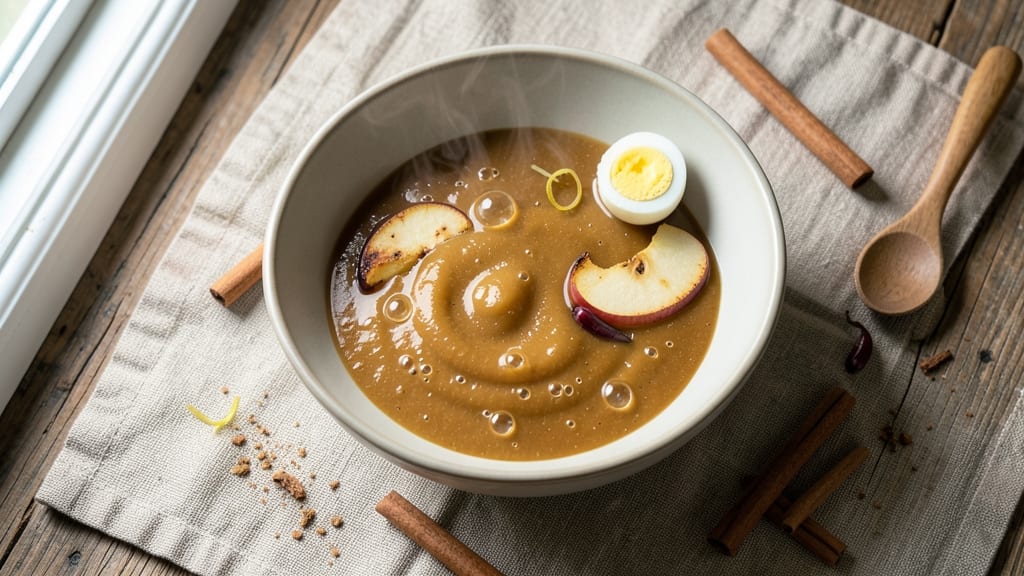
This apple mustard sauce recipe transforms simple pantry staples into a versatile, tangy-sweet condiment that elevates grilled meats, sandwiches, and charcuterie boards. The perfect balance of sharp Dijon mustard and caramelized apple cider creates a sauce that’s rich yet bright, with just a hint of warmth from cinnamon and cloves.
I developed this recipe after craving a sauce that could bridge the gap between sweet and savory—something that works as a glaze, dipping sauce, or even a marinade.
The foundation starts with simmering apple cider until it reduces to a thick, fragrant syrup, then combining it with Dijon mustard, vinegar, and a touch of sugar for depth. Optional spices like cinnamon and cloves add complexity without overpowering, while a splash of lemon juice brightens the finish.
The sauce thickens as it cools, making it ideal for drizzling over grilled pork or chicken, slathering on sandwiches, or pairing with sharp cheeses on a board.
What makes this sauce stand out is its dual-purpose flexibility—use it warm as a glaze for roasted vegetables or cold as a tangy spread for deli meats.
It keeps well in the fridge for up to two weeks or can be stored in the pantry for three months if canned properly, making it a pantry staple for quick meals.
The flavor profile is bold enough to complement rich dishes but subtle enough to let the main ingredients shine.
Start with grilled pork tenderloin or roasted Brussels sprouts to test its versatility, then experiment with it on burgers, meatloaf, or even as a dip for pretzels.
The key is balancing the sweetness and tang, so taste as you go—this sauce is all about adjusting to your preference. Let’s make it!
Ingredients for apple mustard sauce
Pantry staples meet refined technique in this balanced, dual-purpose apple mustard sauce.
| Ingredient | Amount | Notes |
|---|---|---|
| Apple Cider 🍎 | 1 ½ cups | Unfiltered for deeper flavor |
| Dijon Mustard 🌶️ | ½ cup | High-quality, sharp variety |
| Apple Cider Vinegar 🍶 | ¼ cup | Organic preferred |
| Granulated Sugar 🍚 | ¼ cup | Light brown sugar for depth |
| Ground Cinnamon 🌿 | ½ tsp | Freshly ground preferred |
| Ground Cloves 🌶️ | ¼ tsp | Whole cloves toasted first |
| Fresh Lemon Juice 🍋 | 1 tbsp | From organic lemons |
| Extra-Virgin Olive Oil 🫒 | 2 tbsp | For richness and finish |
| Salt 🧂 | ½ tsp | Diamond Crystal kosher |
| Black Pepper 🌶️ | ¼ tsp | Freshly cracked preferred |
The apple cider forms the sauce's aromatic backbone—unfiltered varieties from Mott's or Woodchuck deliver the richest flavor. For the mustard, Maille or Brianna brands provide that signature sharpness without bitterness. The vinegar should complement rather than compete, so Bragg or Texas Pete work perfectly. When selecting sugar, light brown adds subtle molasses notes that elevate the sauce's complexity. Toast the whole cloves in a dry pan for 30 seconds before grinding to intensify their aroma—this step transforms them from background spice to flavor anchor.
No Dijon mustard? Whole-grain mustard thinned with water mimics its texture, though the flavor will be milder. Substitute apple cider vinegar with white vinegar at half the amount, but reduce the sugar by 25% to prevent over-sweetness. Short on sugar? Date syrup or maple syrup work beautifully, though they'll shift the sauce toward caramel notes. The spices are flexible—nutmeg at half the cinnamon amount adds warmth without overpowering. For a smoother finish, strain the sauce through a fine-mesh sieve after simmering, but leave it slightly textured for that artisanal touch. The olive oil should be peppery, extra-virgin quality—Colavita or California Olive Ranch are excellent choices that won't overpower the sauce's bright profile.
This sauce thickens as it cools, so store it in an airtight container with a thin layer of olive oil on top to preserve freshness. In the fridge, it maintains peak quality for two weeks, though the flavors deepen after the first 24 hours. For longer storage, transfer to a sterilized glass jar and refrigerate for up to three months. The sauce reheats beautifully—simmer gently for 2-3 minutes to restore its glossy texture. Portion into small jars for easy use as a glaze or dipping sauce, and always taste before serving to adjust sweetness or tang to your preference.
Why You'll Love This Recipe
- Five-Ingredient Magic: I swear, this sauce comes together faster than you can grab a spoon. Just simmer those pantry staples—apple cider, mustard, vinegar—and let the sugar and cinnamon do their thing. No peeling, no dicing, no stress.
- Tangy-Sweet Balance: That first bite? Chef’s kiss. The Dijon mustard cuts through the sweetness of the apples while the vinegar adds a bright snap. Honestly, the cinnamon ties it all together like a warm hug in sauce form—perfect for when you want something familiar but exciting.
- Weeknight Workhorse: Drizzle it over grilled chicken, toss it with roasted veggies, or slather it on a sandwich—this sauce plays nice everywhere. I’ve used it for holiday meals, lazy Sundays, and even as a dipping sauce for fries. (Yes, even on a Tuesday night.)
- Makes More Than You Think: A small batch stretches further than you’d expect, especially if you’re using it as a marinade or glaze. Between us, I’ve had this sauce last me three dinners before I even think about making more. Budget-friendly? Absolutely. Waste-free? Even better.
Step-by-step instructions for apple mustard sauce
This sauce balances sweet, tangy, and savory notes perfectly—ideal for glazing meats or elevating sandwiches.
Toast the Spices for Depth of Flavor
In a small dry skillet over low heat, toast the 0.5 teaspoon ground cinnamon and 0.25 teaspoon ground cloves for 30-45 seconds until fragrant. You'll smell a warm, aromatic intensity—this step activates the spices' natural oils and deepens their flavor profile. Transfer immediately to a small bowl and set aside to cool slightly.
I always toast spices first because it transforms their flavor from subtle to bold. If you're using whole cloves, lightly toast them for 1 minute before grinding them—this prevents bitterness and enhances their warmth. The spices should be warm but not darkening—just aromatic.
Whisk Together Wet Ingredients for a Smooth Base
In a medium saucepan, combine the 1.5 cups apple cider, 0.5 cup Dijon mustard, 0.25 cup apple cider vinegar, and 0.25 cup granulated sugar. Place the pan over medium-low heat and bring to a gentle simmer, stirring occasionally to prevent scorching. You'll notice the sugar begins to dissolve almost immediately, creating a clear, amber liquid.
Simmer for 5-7 minutes until the mixture reduces slightly and thickens enough to coat the back of a spoon. This reduction concentrates the flavors and removes any sharp acidity from the vinegar. Taste occasionally—you want the sweetness to balance the tang without overpowering it. If the sauce seems too thick, add 1-2 tablespoons water to adjust consistency.
Incorporate Acid and Oil for Balance
Remove the pan from heat and whisk in the 1 tablespoon fresh lemon juice and 2 tablespoons extra-virgin olive oil. The lemon juice brightens the sauce, cutting through the richness of the apple cider and mustard. The olive oil adds a velvety texture and subtle earthiness that rounds out the flavors. Stir well to emulsify the oil into the sauce—this creates a silky, cohesive texture.
Return the pan to low heat and stir in the toasted spices, 0.5 teaspoon salt, and 0.25 teaspoon black pepper. Simmer gently for another 2-3 minutes, stirring constantly, until the sauce thickens to a glossy, pourable consistency. It should coat the back of a spoon smoothly without being gluey. If it's still too thin, simmer uncovered for another 1-2 minutes to reduce further.
Finish and Adjust for Perfect Balance
Taste the sauce and make final adjustments: add a pinch more salt if it tastes flat, or a splash of lemon juice if the sweetness feels dominant. The ideal balance should harmonize the apple's natural sweetness with the mustard's sharpness and the spices' warmth. Transfer the sauce to a clean jar or bowl and let it cool to room temperature—this allows the flavors to meld even more.
This sauce keeps well in the refrigerator for up to 1 week, though it's best used within 3-4 days for maximum freshness. The flavors deepen as it sits, making it even more versatile for glazing roasted meats, drizzling over sandwiches, or serving as a dip for crusty bread. For a smoother texture, strain through a fine-mesh sieve before serving if you prefer no visible spice flecks.
Pro Tips For Making Apple Mustard Sauce
- Simmer Slow and Steady: I learned this the hard way—rushing the sauce on high heat turns it grainy. Keep it at a gentle bubble (just small ripples) for 8–10 minutes. The sugar needs time to fully dissolve, and the flavors meld better when they’re not fighting for attention.
- Strain the Mustard: Dijon has those tiny seeds that turn your sauce gritty if you don’t handle them. Press the mustard through a fine-mesh sieve or whisk it vigorously in a bowl first—yes, even if the jar says it’s "smooth." Trust me, your sauce will thank you.
- Balance the Vinegar Last: Apple cider vinegar is potent, and adding it too early can make the sauce taste sharp before the sweetness catches up. Taste as you go, and stir in just 1 tablespoon at a time—you can always add more, but you can’t take it out.
- Use Real Cinnamon, Not the Ground Stuff: I was skeptical until I tried it: a single 2-inch cinnamon stick simmered in the sauce infuses way deeper flavor than pre-ground powder. Crush it slightly before removing—this releases the oils without turning your sauce into a cinnamon-colored disaster. (Yes, it’s one extra step, but it’s worth it.)
Troubleshooting great apple mustard sauce
Too Thin or Watery
If your sauce is too thin after simmering, reduce it further by simmering uncovered over medium-low heat for 2-3 additional minutes, stirring constantly. The evaporation will concentrate the flavors and thicken the consistency.
Alternatively, whisk in 1 teaspoon cornstarch mixed with 1 tablespoon cold water and simmer for 1 minute—this creates a natural thickener without altering the flavor. 🔥
Too Thick or Gluey
For a gluey sauce, thin it with 1 tablespoon warm water or apple cider vinegar, stirring until smooth. If the texture is too stiff after cooling, reheat gently and whisk in 1 teaspoon extra-virgin olive oil—this helps restore silky consistency.
Avoid adding liquid too quickly, as this can break the sauce’s emulsified texture.
Overpowering Spices
If the cinnamon or cloves taste too strong, balance them with ½ teaspoon fresh lemon juice or 1 teaspoon honey. For a smoother finish, strain the sauce through a fine-mesh sieve to remove excess spice particles. If using whole cloves, ensure they’re toasted lightly—over-toasting can turn them bitter.
Flat or Bland Flavor
A bland sauce often needs more acidity or salt. Boost brightness with 1 extra tablespoon lemon juice or ½ teaspoon apple cider vinegar. For depth, add ¼ teaspoon smoked paprika or a pinch of ground coriander—these spices enhance the apple’s natural sweetness without overpowering.
Taste as you go! 💡
Sauce Separates
Separation usually happens when oil and liquid ingredients aren’t properly emulsified. Fix it by whisking vigorously while reheating the sauce over low heat for 1-2 minutes. For a stronger bond, add ½ teaspoon Dijon mustard—its natural emulsifiers help stabilize the mixture. Stir constantly to prevent further separation.
Mustard Dominates
If the mustard flavor overpowers the apple, dilute it with 1 tablespoon apple cider or lemon juice to balance the sharpness. Alternatively, add ½ teaspoon honey or maple syrup to soften the tang. For a smoother texture, strain the sauce through a cheesecloth-lined sieve to remove excess mustard particles.
Nutrition facts
Frequently asked questions
Can I use regular mustard instead of Dijon?
You can substitute, but the flavor will differ. Regular mustard lacks Dijon's smooth, sharp depth. If using it, add 1 extra teaspoon of apple cider vinegar to compensate for the milder tang. For best results, stick with Dijon—its finer texture blends seamlessly into the sauce.
How long does this sauce keep in the pantry?
When properly canned in a sterilized jar, this sauce stays fresh for up to 3 months in a cool, dark pantry. For fridge storage, it lasts 2 weeks at peak quality. Always store with a thin layer of olive oil on top to preserve freshness and prevent oxidation.
What's the best way to reheat this sauce?
Gently reheat in a small saucepan over low heat for 2-3 minutes, stirring constantly until warmed through. Avoid boiling to prevent separation. For quick use, microwave in 20-second intervals, stirring between each, until just heated—this preserves the sauce's silky texture.
Can I make this sauce without sugar?
Yes, but the flavor profile will shift. For a sugar-free version, replace it with 2 tablespoons maple syrup or 1 tablespoon date syrup. These alternatives add natural sweetness while maintaining the sauce's balance. Taste as you go—you may need to adjust the vinegar slightly to compensate.
What are the best dishes to pair with this sauce?
This versatile sauce shines on grilled pork tenderloin, roasted chicken thighs, and charcuterie boards. It also elevates Reuben sandwiches, pretzel bites, and roasted Brussels sprouts. The sweet-tangy balance makes it perfect for both savory mains and lighter appetizers.