
Sauces & Condiments
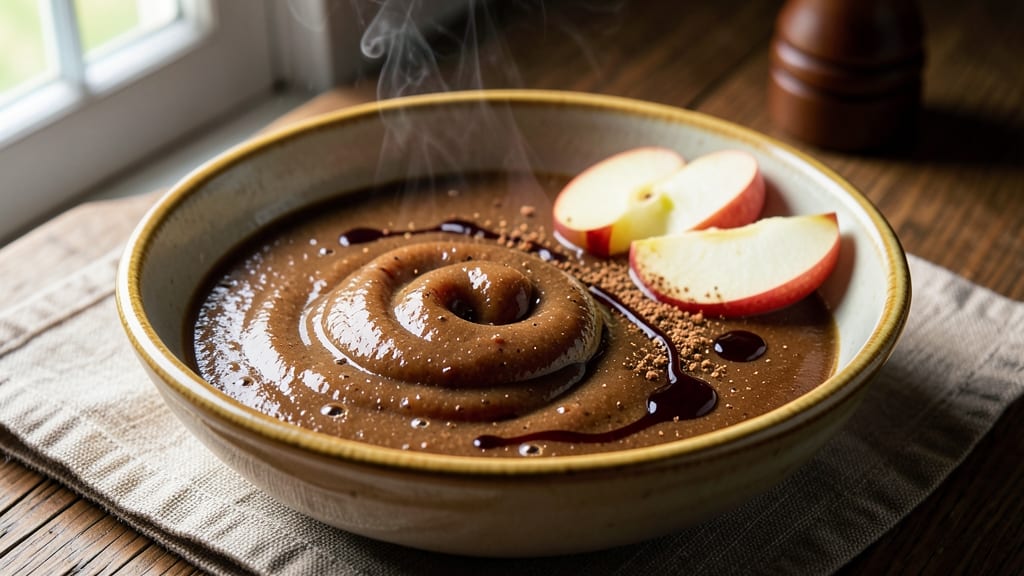
This apple butter sauce recipe transforms simple apples into a velvety, spiced spread that elevates everything from toast to roasted pork. The slow-simmered process caramelizes the fruit naturally, creating deep, warm flavors without added sugar.
I developed this version after years of testing—it’s rich enough to stand alone but balanced enough to complement savory dishes too.
The key to perfect apple butter lies in patience: simmering the mixture low and slow until it thickens into a glossy, spreadable consistency. You’ll use just four core ingredients—apples, sugar, spices, and a splash of vinegar—but the spices (cinnamon, cloves, and nutmeg) are where the magic happens.
They infuse the sauce with aromatic warmth that lingers long after the first bite.
What makes this sauce so versatile is its ability to shine in both sweet and savory applications. Drizzle it over pancakes, swirl it into yogurt, or brush it onto roasted chicken for a caramelized finish.
The texture is smooth yet slightly chunky, with pockets of tender apple that add depth to every spoonful. Best of all, it keeps beautifully in the fridge for weeks.
Ready to make it? The process is straightforward, but the flavors deepen with time—so don’t rush. Once you taste the difference between this homemade version and store-bought, you’ll never go back. Let’s get started!
Ingredients for apple butter sauce
Four apples and a handful of spices transform into this velvety, slow-simmered apple butter sauce.
| Ingredient | Amount | Notes |
|---|---|---|
| Apples (Mixed Variety) 🍎 | 4 medium | Peeled, cored, chopped |
| Granulated Sugar 🍚 | ¾ cup | Light or dark brown preferred |
| Ground Cinnamon 🌿 | 1 ½ tbsp | Freshly ground for best flavor |
| Ground Cloves 🌶️ | ½ tsp | Whole cloves crushed works too |
| Ground Nutmeg 🌿 | ½ tsp | Freshly grated preferred |
| Apple Cider Vinegar 🍶 | 2 tbsp | Or white vinegar in a pinch |
| Water 💧 | ¼ cup | For simmering consistency |
The apples are the foundation—mixed varieties like Granny Smith and Honeycrisp give you both tartness and sweetness. Local farmers markets often have perfect apples for this, but any firm, flavorful apples work. I usually grab about 4 medium apples—enough to make roughly 2 cups of sauce. If you're worried about bitterness, peel them; if you want more texture, leave the skin on. The sugar is key here: light brown sugar adds subtle molasses notes, but white works fine if that's what you've got.
No apple cider vinegar? White vinegar or lemon juice does the trick—just use the same amount. Running short on cloves? Allspice works at double the amount. The spices are where the magic happens, so don't skip them. Penzeys or bulk spice bins are great for freshness, but regular grocery store spices are fine too. If you're feeling fancy, toast the cinnamon and cloves in a dry pan for 30 seconds before adding—they'll smell amazing and deepen the flavor. The water keeps everything from sticking, but you can skip it if your apples are juicy.
This sauce gets better with time—2-3 hours of simmering is ideal, but don't rush it. Store in a clean glass jar in the fridge for up to 3 weeks. For longer storage, freeze it in ice cube trays—perfect for single servings. The texture thickens as it cools, so if it seems too stiff, just warm it gently. Trust me, the first time you drizzle this over warm pancakes or brush it on roasted pork, you'll be hooked.
Why You'll Love This Recipe
- No Peel Required: The mixed apples—like Honeycrisp or Granny Smith—are tough-skinned enough to skip peeling. Just core, chop, and toss them in the pot with the spices. Honestly, I’ve made this sauce on lazy Sundays when I couldn’t be bothered with prep, and it still turns out rich and velvety.
- Spice Magic: That tiny pinch of cloves and nutmeg? It’s what makes this sauce ridiculously good. The cinnamon gives it warmth, but the cloves add this deep, earthy kick that pairs perfectly with the sweet apples. I’ll be real: my first batch was missing the nutmeg, and it felt off—now I measure it twice.
- Pantry Staple Upgrade: This sauce transforms basic meals into something special. Drizzle it over oatmeal for a cozy breakfast, swirl it into yogurt for a dessert-like snack, or toss it with roasted pork—it’s my secret weapon for weeknight dinners. Between us, it’s the kind of thing that makes you look like a cooking pro with zero effort.
- Makes More Than You Think: A single batch stretches to four or five uses, and it keeps for months in the fridge. I’ve had jars of this sauce since last fall, and it’s still just as good. Plus, the ingredients are cheap—apples, sugar, and a few spices—and you’ll use them up fast. Not the prettiest, but the taste makes up for it every time.
Step-by-step instructions for slow-simmered apple butter sauce
Here's how to create a rich, aromatic apple butter sauce that's perfect for toasts, meats, or desserts.
Combine Apples and Sweetener in a Saucepan
In a large, heavy-bottomed saucepan, combine the 4 medium Apples (Mixed Variety) that you've peeled, cored, and chopped with the 0.75 cup Granulated Sugar. I like to use a mix of sweet and tart apples like Honeycrisp and Granny Smith for balance. Stir gently to distribute the sugar evenly over the apple pieces.
This initial combination is crucial because the sugar will begin dissolving into the apple juices as they cook, creating a syrupy base for your sauce. Make sure your saucepan is large enough to accommodate the apples without overcrowding—this ensures even cooking and prevents steaming instead of simmering.
Add Spices and Vinegar for Depth of Flavor
Add the 1.5 tbsp Ground Cinnamon, 0.5 tsp Ground Cloves, 0.5 tsp Ground Nutmeg, and 2 tbsp Apple Cider Vinegar to the saucepan. Stir everything together thoroughly to coat the apple pieces with the spices and vinegar. The vinegar will help balance the sweetness and add a subtle tang that brightens the overall flavor.
Here's the thing—don't be shy with the spices. These warm, aromatic notes are what make apple butter sauce so special. If you're using freshly ground spices, you'll notice an even more intense flavor as they release their oils during cooking. Stir well to distribute everything evenly before moving to the next step.
Simmer Until Apples Break Down
Pour in the 0.25 cup Water and bring the mixture to a gentle simmer over medium heat. Once simmering, reduce the heat to low and let it cook uncovered. This sauce needs time—about 30-40 minutes—to develop its signature thickness and rich flavor. Stir occasionally to prevent sticking and ensure even cooking.
You'll know it's ready when the apples have completely broken down into a smooth, chunky consistency. The sauce should thicken noticeably and coat the back of a spoon. If it's not thick enough after 40 minutes, continue simmering for another 10-15 minutes, stirring frequently. Be patient—rushing this step results in a watery sauce that lacks depth.
Mash and Strain for Smooth Texture
Once the apples are fully cooked, use a potato masher or wooden spoon to mash them against the side of the saucepan. This creates a rustic texture with some small apple pieces. If you prefer a completely smooth sauce, press the mixture through a fine-mesh sieve into a clean bowl, discarding the solids. I like to leave a few small apple pieces for texture, but it's entirely up to your preference.
After mashing, return the sauce to the saucepan and continue simmering for another 5-10 minutes to drive off any excess moisture and intensify the flavors. The sauce should now be thick enough to coat the back of a spoon and hold its shape when drizzled. If it's still too thin, simmer uncovered for another 5 minutes to reduce further.
Cool and Store Properly
Remove the sauce from heat and let it cool to room temperature. This cooling period allows the flavors to meld and the sauce to thicken further. Once cooled, transfer the apple butter sauce to a clean, airtight container. It will keep in the refrigerator for up to 2 weeks or can be frozen for up to 6 months—just thaw in the refrigerator before using.
I always like to give the sauce a final taste before storing. Adjust the sweetness or spice level if needed—add a pinch more cinnamon if it's too mild, or a splash of vinegar if it needs more brightness. This final step ensures your apple butter sauce is perfectly balanced every time you make it.
Pro Tips For Making Apple Butter Sauce
- PEEL THE APPLES: I learned this the hard way—peeling saves you from biting into tough skin later. Skip the core too; it’s bitter and gummy. Use a paring knife or vegetable peeler for speed, but don’t rush the cuts—uneven slices burn faster.
- SIMMER LOW AND SLOW: High heat turns apple butter into glue. Start with a medium boil to break down the fruit, then drop to a bare simmer (180°F/82°C) and let it cook for 45–60 minutes. Stir occasionally—this isn’t the time to walk away. Patience here makes the difference between smooth and grainy.
- STRAIN THE SKINS: After cooking, the skins turn rubbery and bitter. Line a fine-mesh sieve with cheesecloth or a clean kitchen towel, then press the apples through with a wooden spoon. (Yes, it’s messy, but your sauce will taste like fall, not cardboard.)
- TOAST THE SPICES FIRST: Bloom the cinnamon, cloves, and nutmeg in the pot for 30 seconds before adding apples and sugar. This wakes up their flavors—no more tasting like dust. Skip this, and your sauce will smell generic. Trust me, it’s worth the extra minute.
Common mistakes when making this dish
Overcooking the Apples
One of the most common mistakes is letting the apples cook too long, which turns your sauce into a mushy, flavorless paste. I’ve seen this happen when people walk away from the stove or get distracted—before you know it, the apples have turned into a dark, watery sludge.
The goal is a chunky, velvety texture, not a smoothie. Keep an eye on it after 40 minutes of simmering and remove it from heat as soon as the apples break down but still hold some shape. 🍎
Skipping the Vinegar
The vinegar isn’t just there to balance sweetness—it’s what gives apple butter sauce its bright, tangy depth. Without it, your sauce can taste flat or overly saccharine. I’ve made this mistake a few times, and the difference is night and day.
Use the full 2 tablespoons of apple cider vinegar (or sub white vinegar) to keep the flavors vibrant. If you’re worried about acidity, taste it as you go—you’ll thank yourself later.
Using the Wrong Apples
Not all apples are created equal when it comes to making sauce. Sweet varieties like Gala or Fuji will turn into a cloying, one-note spread, while tart apples like Granny Smith can make the sauce taste bitter if not balanced properly.
My go-to mix is Honeycrisp and Granny Smith—the sweetness of Honeycrisp rounds out the tartness of Granny Smith, creating a well-rounded flavor. Avoid overly mealy apples like Red Delicious, or you’ll end up with a gluey mess.
Not Simmering Long Enough
Rushing the simmering process is a surefire way to end up with a thin, runny sauce that lacks depth. The spices and sugars need time to meld together, and the apples must fully break down to release their natural sweetness.
If you’re in a hurry, you might be tempted to crank up the heat, but that’ll just burn the spices and make the sauce bitter. Give it at least 2 hours of low-and-slow cooking for the best results. Trust me, the wait is worth it.
Ignoring the Spices
The spices are the soul of apple butter sauce, and cutting corners here can ruin the whole dish. Pre-ground spices lose their potency quickly, so if you’re using them, toast them lightly in a dry pan before adding to the sauce.
Whole spices like cloves and nutmeg should be crushed or ground fresh for maximum flavor. Don’t just dump in whatever’s in your spice rack—measure carefully and taste as you go. A little extra cinnamon or nutmeg can elevate the sauce from good to extraordinary. 🌿
Storing Improperly
Apple butter sauce thickens as it cools, and if you don’t store it correctly, it can become a sticky, unappetizing blob. Always let it cool completely before transferring to an airtight container, and leave about ½ inch of headspace at the top to prevent mold.
I store mine in a glass jar in the fridge, where it keeps for up to 3 weeks. If you’re freezing it, use ice cube trays for single-serving portions—just thaw in the fridge to avoid texture issues. Proper storage makes all the difference in keeping your sauce tasting fresh.
Nutrition facts
Frequently asked questions
Can I use frozen apples for this recipe?
Yes, but thaw them completely first and drain any excess liquid. Frozen apples work in a pinch, but fresh apples give the best texture and flavor. If using frozen, you may need to add an extra 5-10 minutes of simmering time since they start with more moisture.
How do I adjust the sweetness if I prefer it less sugary?
Reduce the sugar by 2-3 tablespoons and increase the apple cider vinegar by 1 tablespoon to balance. Simmer longer (up to 30 extra minutes) to concentrate flavors. Taste as you go—you can always add more sugar later if needed, but you can't remove excess sweetness easily.
What are the best ways to use this apple butter sauce?
This versatile sauce shines on toasted bread, as a glaze for roasted pork or chicken, or stirred into Greek yogurt. Try it as a filling for crepes, drizzled over oatmeal, or mixed with cream cheese for a sweet spread. The possibilities are endless—don't be afraid to experiment!
Why does my sauce turn out too thick or too thin?
Too thick? Add 1-2 tablespoons of water or apple juice and simmer for 5 minutes more. Too thin? Return to low heat and simmer uncovered until reduced. The key is patience—simmering longer naturally thickens the sauce. For extra insurance, mash the apples more thoroughly during cooking.
Can I make this sauce in a slow cooker?
Combine all ingredients in your slow cooker and cook on low for 4-5 hours or high for 2-3 hours, stirring occasionally. The slow cooker method is even better for flavor development. Just