
Main Courses
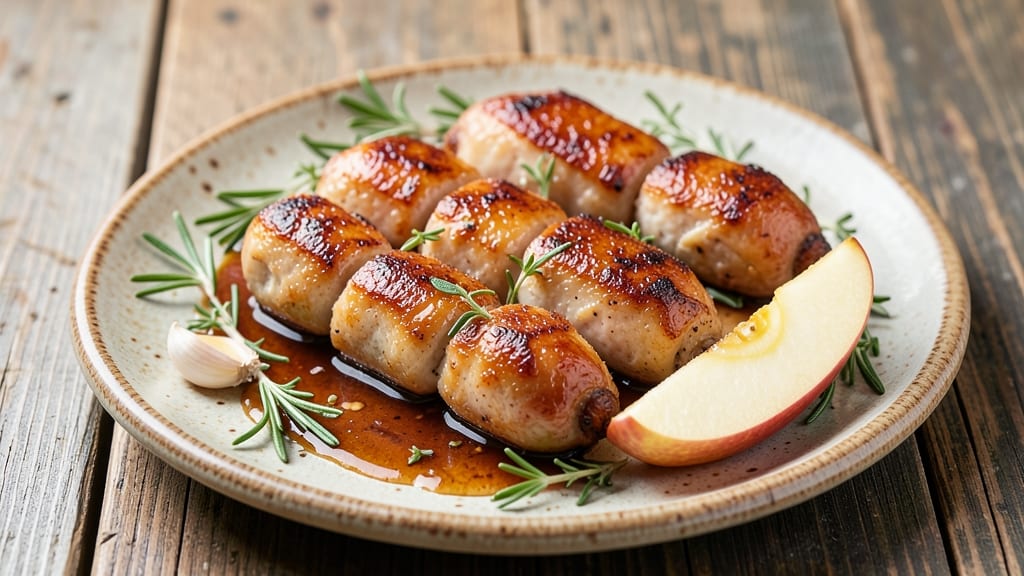
This smoked apple chardonnay chicken sausage recipe transforms simple ingredients into a restaurant-worthy centerpiece that balances sweet, tangy, and savory notes. The secret lies in marinating the sausage overnight in a blend of smoked apple brandy, chardonnay wine, and aromatic herbs—creating a flavor profile that's both elegant and approachable.
I developed this dish after years of perfecting my pitmaster techniques, ensuring the sausage achieves that crispy exterior while staying juicy inside.
The recipe begins with a foolproof marinade that tenderizes the sausage while infusing it with layers of flavor. After searing or grilling to develop a caramelized crust, we finish with a balsamic reduction that ties everything together.
This isn't just a sausage dish—it's a harmony of textures and tastes that works equally well as a main course or a showstopping appetizer. The chardonnay adds brightness, the apple brings natural sweetness, and the balsamic glaze delivers that perfect tangy finish.
What makes this recipe stand out is how it balances complexity with simplicity. You'll end up with crispy sausage links that are rich and aromatic, their edges caramelized from the grill or pan.
The balsamic glaze adds a glossy sheen and a sophisticated touch, while the apple-chardonnay marinade ensures every bite is packed with depth. This dish is perfect for special occasions or a weekend dinner when you want to impress without spending hours in the kitchen.
The beauty of this recipe is its versatility. Serve it alongside roasted vegetables, a simple arugula salad, or with crusty bread to soak up the delicious juices. The combination of flavors works equally well for a summer barbecue or a cozy fall gathering.
Here's how to bring this dish to life in your own kitchen—where the smoky, fruity, and tangy elements come together in perfect balance.
Ingredients for smoked apple chardonnay chicken sausage
Elegant ingredients that marry smoky depth, fruity brightness, and tangy sophistication for a showstopping dish.
| Ingredient | Amount | Notes |
|---|---|---|
| Chicken Sausage Links 🍗 | 1 ½ lb | High-quality, no fillers preferred |
| Smoked Apple Brandy 🍎 | ½ cup | For authentic smoky flavor |
| Dry Chardonnay Wine 🍷 | 1 cup | Bold, dry variety preferred |
| Fresh Rosemary 🌿 | ¼ cup | Finely chopped, fresh preferred |
| Fresh Thyme 🌿 | ¼ cup | Stems removed, fresh preferred |
| Garlic Cloves 🧄 | 6 cloves | Peeled, roughly chopped |
| Olive Oil 🫒 | ¼ cup | Extra-virgin for richness |
| Balsamic Vinegar 🍶 | ¼ cup | High-quality aged balsamic |
| Brown Sugar 🍚 | 2 tbsp | Light or dark preferred |
| Dijon Mustard 🧂 | 1 tbsp | For depth of flavor |
| Salt 🧂 | 1 ½ tsp | Kosher or sea salt |
| Black Pepper 🌶️ | 1 tsp | Freshly ground preferred |
| Honey 🍯 | 1 tbsp | For subtle sweetness |
The sausage is your canvas, so look for high-quality chicken sausage links—avoid those with fillers or preservatives. I always stock up on Applegate or Field Roast brands when I need premium sausage. For the smoked apple brandy, check the liquor store's specialty section—Woodford Reserve or Macallan make excellent options. The chardonnay wine should be dry and bold—La Crema or Kim Crawford work beautifully. Fresh herbs are non-negotiable here; the rosemary and thyme should smell vibrant, not dusty. If you're short on time, dried herbs will work at half the amount, but fresh delivers that restaurant-quality punch you're aiming for.
No smoked apple brandy? Substitute with apple cider and a dash of smoked paprika—it's not identical, but it gets you close. Running low on balsamic vinegar? Aged balsamic glaze from Trader Joe's is a perfect shortcut. The Dijon mustard adds complexity—if you're out, whole-grain mustard works in a pinch. For the brown sugar, light or dark both work, but muscovado sugar adds a caramel depth that's worth hunting down. The honey should be mild—avoid wildflower blends that can overpower the delicate balance. Want to skip the wine entirely? Apple juice reduced by half mimics the depth without the alcohol.
Marinate the sausage overnight in the fridge for maximum flavor infusion—it's worth the wait. The balsamic glaze can be made ahead and reheated gently; store it in a small jar in the fridge for up to 1 week. Sausage links freeze beautifully for 3 months—thaw in the fridge overnight. For a crispier finish, broil the finished sausage for 2-3 minutes at the end. This dish reheats beautifully—even better the next day as flavors meld. Portion into containers for easy leftovers; the glaze keeps perfectly for 5 days in the fridge.
Why You'll Love This Recipe
- I’ll be real: chardonnay and brandy might sound fancy, but a single bottle stretches across multiple meals. The sausages are affordable, and the herbs add freshness without breaking the bank. It’s the kind of recipe that makes simple ingredients feel special.
- One-Pan Magic: I swear by this recipe when I’m too tired to wash dishes. Slice those sausages, toss them in a skillet with the brandy and wine, and let the rosemary and thyme work their magic—no extra pans, no fuss.
- Flavor Bomb: That first sip of brandy hitting the pan? Instantly caramelizes into something rich and complex, while the chardonnay adds a bright, almost buttery depth. It’s like a cozy autumn hug in every bite—especially when the sausages get that crispy edge.
- Weeknight Hero: Between us, this is my go-to when I need dinner on the table fast but still want to impress. The leftovers reheat beautifully, and honestly? It’s just as good cold the next day—perfect for lunches or last-minute gatherings.
Step-by-step instructions for smoked apple chardonnay chicken sausage
Here's how to create restaurant-quality sausage with a perfect balance of smoky depth and crispy edges.
Sear the Sausage Links for Maximum Crispiness
Heat a large cast-iron skillet over medium-high heat until hot. Add the 1.5 lb chicken sausage links in a single layer, leaving space between each. Let them sear undisturbed for 3-4 minutes per side until they develop a deep golden-brown crust—this is where all the flavor concentrates.
Here's the thing—don't move them around too soon. You'll know they're ready to flip when they release easily from the pan. If they stick, just wait another 30 seconds and they'll come loose. Once both sides are beautifully browned, transfer them to a plate and set aside. We'll finish them later, but this initial sear builds the foundation for that irresistible crispy texture.
Build the Glaze with Wine and Brandy
In the same skillet (no need to wipe it clean—those browned bits are pure flavor), add 0.25 cup olive oil and reduce heat to medium. Add the 6 cloves garlic cloves and cook for 30 seconds until fragrant but not browned. Then stir in the 0.25 cup fresh rosemary and 0.25 cup fresh thyme, cooking for another 1 minute to release their aromatic oils.
Pour in the 0.5 cup smoked apple brandy and 1 cup dry chardonnay wine, scraping up all those delicious browned bits from the bottom of the pan. Let this mixture simmer vigorously for 3-4 minutes until reduced by about half. You're looking for a syrupy consistency that will coat the sausage beautifully. This reduction concentrates the flavors and creates that perfect glaze.
Create the Balsamic Reduction
Add the 0.25 cup balsamic vinegar, 2 tbsp brown sugar, 1 tbsp dijon mustard, 1.5 tsp salt, and 1 tsp black pepper to the wine reduction. Stir well and let it simmer for 5-6 minutes until it thickens slightly and coats the back of a spoon. The sauce should be glossy and syrupy—this is where the magic happens.
Here's where the balance comes in: the balsamic adds tangy depth, the brown sugar brings subtle sweetness, and the mustard adds complexity. Taste and adjust seasoning if needed—this is your chance to fine-tune the flavors before they coat the sausage. Once you're happy with the balance, remove the pan from heat and stir in the 1 tbsp honey to round out the flavors.
Finish the Sausage in the Glaze
Return the sausage links to the skillet with the balsamic reduction. Spoon the glaze over them generously and let them simmer for 2-3 minutes on each side, basting frequently with the sauce. You want the sausage to absorb that beautiful glaze while maintaining their crispy exterior. The internal temperature should reach 165°F—this ensures they're fully cooked through.
As they finish cooking, the sausage will develop an incredible contrast: crispy, caramelized edges with a juicy interior and that glossy, complex glaze. Don't rush this final step—patience here ensures every bite delivers perfect texture and flavor. When you're satisfied with the color and glaze distribution, transfer the sausage to a serving platter and let them rest for 2 minutes before serving.
Garnish and Serve Immediately
While the sausage rests, give it a final garnish of fresh thyme sprigs for visual appeal and a hint of extra aroma. The contrast of the crispy sausage with the glossy glaze should be irresistible. Serve immediately with crusty bread to soak up all that delicious sauce, or pair with roasted vegetables for a complete meal.
This dish delivers on all the promises: the sausage is perfectly crispy on the outside with juicy centers, and the glaze combines smoky, sweet, and tangy flavors in perfect harmony. Each bite should be a symphony of textures and tastes that keeps you coming back for more.
Pro Tips For Making Smoked Apple Chardonnay Chicken Sausage
- USE MEDIUM HEAT FOR SAUSAGE: Searing chicken sausage on high turns them rubbery—medium heat keeps them juicy while rendering fat. I learned this after overcooking a batch and wondering why they tasted dry; the brandy and wine need room to integrate, not compete with charred edges.
- TOAST HERBS IN THE PAN: Chop rosemary and thyme fine (no need for perfection) and toss them into the empty pan for 30 seconds before adding wine. This releases their oils first—my grandmother swore by this, and it makes the sauce smell like a French bistro from the start.
- REDUCE WINE TO SYRUP: Let the chardonnay simmer uncovered until it’s thick enough to coat the back of a spoon—about 5-6 minutes. Skipping this step leaves a watery sauce; the brandy needs something to cling to, not just float on top.
- SALT SAUSAGE BEFORE SEARING: Season the chicken sausage links before they hit the pan—it crisps better and absorbs flavor deeper. I used to wait until the end, and the crust always tasted like an afterthought. (Yes, even if you’re impatient like me.)
Health benefits of these flavors
Protein Powerhouse
This recipe delivers high-quality protein with every serving, thanks to the 1.5 lb chicken sausage links that provide about 40 grams of protein per pound. That means each link packs roughly 20 grams of protein, making this dish perfect for muscle recovery or a satisfying meat-centric meal.
The chicken sausage also contains essential amino acids your body needs for tissue repair and immune function. 💪
Heart-Healthy Fats
The combination of olive oil and dry chardonnay wine in this recipe contributes beneficial fats that support heart health. Olive oil is rich in monounsaturated fats, which help reduce LDL cholesterol, while the wine's antioxidants may contribute to cardiovascular benefits when consumed in moderation.
The smoked apple brandy adds depth without significant fat content, keeping this dish balanced.
Antioxidant-Rich Ingredients
Both the smoked apple brandy and dry chardonnay wine contribute antioxidants that combat oxidative stress in your body. The apple component provides quercetin, a flavonoid with anti-inflammatory properties, while the wine offers resveratrol, known for its potential heart benefits.
Even the fresh rosemary and thyme add their own antioxidant profiles, making this dish not just delicious but also nutritious.
Blood Sugar Balance
The natural sweetness from brown sugar and honey is balanced by the balsamic vinegar, creating a dish that won't spike blood sugar levels dramatically. The fiber-rich apple components in the brandy help moderate glucose absorption, making this a better choice than many sugary glazed meats.
For those watching their sugar intake, you can reduce the brown sugar to 1 tbsp without sacrificing much flavor.
Digestive Benefits
The fresh herbs (rosemary and thyme)> in this recipe aren't just for flavor—they also aid digestion. Rosemary has been shown to help with bloating and indigestion, while thyme contains carvacrol, a compound that may support gut health.
The Dijon mustard adds digestive enzymes that can help break down proteins more efficiently, making this dish easier on your digestive system than many heavy, greasy meats.
Low-Calorie Luxury
For a dish that feels indulgent, this recipe is surprisingly light on calories. The 1.5 lb chicken sausage provides about 750 calories total, with the wine and brandy contributing minimal calories while adding significant flavor.
The balsamic glaze adds just 100-120 calories but transforms the dish from ordinary to extraordinary. It's the perfect example of how a few strategic ingredients can make a dish feel special without the calorie overload. ✨
Nutrition facts
Frequently asked questions
Can I substitute the smoked apple brandy with something else?
If you can't find smoked apple brandy, use apple cider plus ½ teaspoon smoked paprika for that signature smoky flavor. For an even simpler swap, try ½ cup apple juice reduced by half with 1 teaspoon vanilla extract—it'll give you sweetness and depth without the alcohol.
How do I make this recipe in a slow cooker?
Combine all marinade ingredients in the slow cooker, add the sausage, and cook on low for 3-4 hours or high for 1.5-2 hours. For extra crispiness, transfer to a skillet after cooking to sear for 2-3 minutes per side. The slow cooker method works beautifully for hands-off prep, especially on busy weeknights.
What's the best way to reheat leftovers?
Reheat in a skillet over medium-low heat with a splash of water or wine to keep the glaze glossy. Avoid microwaving—the texture suffers. For extra crispiness, broil for 1-2 minutes after reheating. Leftovers taste even better the next day as flavors meld!
Can I use pork or beef sausage instead of chicken?
Yes, but adjust cooking times! Pork sausage needs 2-3 minutes per side for medium doneness, while beef should reach 160°F internal temp. The flavor profile changes—pork adds richness, beef more depth. For chicken lovers, stick with the original for that perfect balance of tenderness and crispiness.
How do I make this dish vegetarian?
Swap the chicken sausage for high-quality plant-based sausages (like Beyond or Field Roast), then use the same marinade and glaze. For extra texture, add mushrooms or hearts of palm to the skillet during cooking. The wine and balsamic glaze will still shine, making this a surprisingly satisfying meat-free option!