
Sauces & Condiments
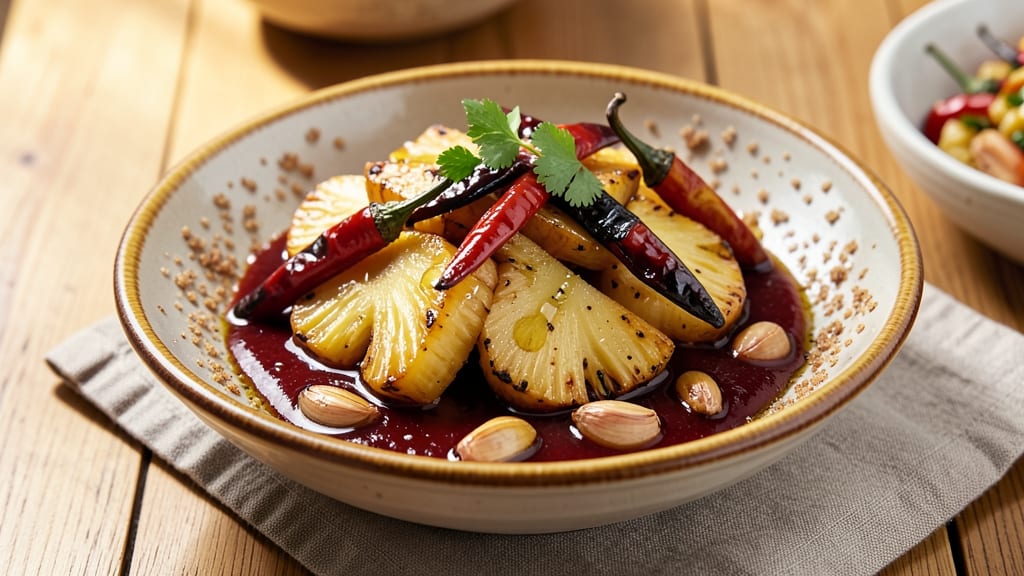
This roasted pineapple and habanero sauce transforms grilled meats into something unforgettable—where sweet caramelized fruit meets controlled, smoky heat. 🔥 The secret lies in slow-roasting pineapple until it develops deep caramel notes, then balancing that natural sweetness with habanero's fiery kick.
I developed this sauce after years of experimenting with tropical-glazed proteins, and it's become my go-to for everything from grilled chicken to fish tacos.
The process is straightforward but requires patience—roasting the pineapple at high heat until it's tender and golden, then simmering it with habanero, garlic, and a touch of vinegar to create a glossy, balanced sauce.
The key is using ripe pineapple (it caramelizes beautifully) and fresh habanero for maximum heat without bitterness. This isn't just a sauce; it's a flavor bomb that elevates any dish it touches.
What you'll end up with is a glossy, sweet-fiery glaze that clings beautifully to grilled meats, adding layers of complexity with every bite. The sauce thickens slightly as it cools, making it perfect for drizzling or brushing.
It stores well in the fridge for up to two weeks, so you can make a big batch and enjoy it all season long.
Pair this sauce with grilled chicken, fish, or even roasted vegetables for a taste of the tropics with a kick. The balance of sweet and heat makes it versatile enough for both adventurous eaters and those who prefer their heat on the milder side. Let's get cooking!
Ingredients for roasted pineapple and habanero sauce
Sweet caramelized pineapple meets fiery habanero—just nine ingredients transform grilled meats into unforgettable bites.
| Ingredient | Amount | Notes |
|---|---|---|
| Fresh Pineapple 🍍 | 2 cups | Cubed, ripe and caramelized |
| Fresh Habanero Peppers 🌶️ | 2 whole | Seeds removed for milder heat |
| Garlic Cloves 🧄 | 4 cloves | Minced for aromatic depth |
| Apple Cider Vinegar 🍏 | ¼ cup | Balances sweetness and heat |
| Extra-Virgin Olive Oil 🫒 | ¼ cup | For richness and gloss |
| Brown Sugar 🍚 | ½ cup | Enhances caramelization |
| Fresh Lime Juice 🍋 | ¼ cup | Brightens the sauce |
| Salt 🧂 | 1 tsp | Diamond Crystal preferred |
| Ground Black Pepper 🌶️ | ½ tsp | Freshly cracked for warmth |
The pineapple is non-negotiable—ripe, yellow-fleshed varieties caramelize best. I always grab Cuban or Golden pineapple from Whole Foods or the Latin market, where they're juicier and sweeter. Habaneros? Fresh is essential—dried loses its punch. If you can't find them, jalapeños with a pinch of cayenne work in a pinch, but you'll lose that tropical heat. The garlic should be freshly minced—pre-minced cloves taste like dust. For the vinegar, Bragg's apple cider vinegar has the perfect balance of tang.
No habanero? Scotch bonnet or ghost pepper at half the amount will give you similar heat, but taste it first—ghost peppers are no joke. Fresh lime juice can be swapped for lemon juice, but lime's brighter acidity cuts through the sweetness better. Brown sugar substitutes? Coconut sugar or maple syrup add subtle depth, but brown sugar's molasses notes are ideal. The olive oil matters—avoid light varieties; you want peppery, fruity oil like California Early Harvest or Kalamata. And if you're sensitive to heat, reduce the habanero to 1 whole pepper—you can always add more later.
This sauce keeps beautifully—2 weeks in the fridge sealed in a jar, or 6 months frozen in ice cube trays for single servings. The flavors actually deepen over time, so make a big batch. If it thickens too much, whisk in 1-2 tbsp water. For extra heat, add a pinch of red pepper flakes when reheating. I always double the batch—half goes on grilled chicken, the other half freezes for tacos later in the week.
Why You'll Love This Recipe
- Caramelized in Minutes: I swear by the roasted pineapple—just toss chunks on a sheet pan with olive oil, salt, and a pinch of sugar, then let the oven do the work while I chop garlic. That deep, buttery sweetness? It’s the secret weapon here, and it takes zero effort.
- Sweet Heat Balance: Between us, the habanero and apple cider vinegar create a sauce that’s ridiculously good—bright, tangy, and just enough fire to make your mouth tingle without burning it out. Honestly, I’ve tried store-bought hot sauces, and this one wins every time.
- Dinner Party Hack: This sauce is my go-to for game day, tacos, or even drizzled over grilled chicken—it’s bold enough to stand alone but flexible enough to play well with others. I’ll be real: I’ve had friends ask for the recipe after one bite, and it’s never failed to impress.
- Leftovers That Last: The sauce keeps for a week in the fridge, and the roasted pineapple? It stays tender and sweet for days. I make a big batch on Sundays, freeze half, and still have enough to jazz up eggs or toast midweek. No waste, all flavor.
Step-by-step instructions for roasted pineapple and habanero sauce
Here's how to transform sweet pineapple and fiery habanero into a perfect glaze for grilled meats.
🔥 Step 1: Roast the Pineapple and Habanero for Depth of Flavor
Preheat your oven to 425°F and line a baking sheet with parchment paper. Arrange the 2 cups Fresh Pineapple (cut into 1-inch cubes) and the 2 whole Fresh Habanero Peppers (halved lengthwise, seeds removed) in a single layer on the sheet. Drizzle with 2 tablespoons of the 0.25 cup Extra-Virgin Olive Oil and sprinkle with 1 teaspoon of the 1 tsp Salt.
Roast for 20-25 minutes until the pineapple is caramelized with golden-brown edges and the habanero skins blister slightly. You'll smell that irresistible sweetness mingling with the pepper's subtle heat—this is where the magic begins. The roasting concentrates the flavors and removes some of the raw acidity from both ingredients.
👨🍳 Step 2: Build the Sauce Base with Aromatics
While the pineapple and habanero roast, heat the remaining 3 tablespoons of 0.25 cup Extra-Virgin Olive Oil in a medium saucepan over medium heat. Add the 4 cloves Garlic Cloves (minced) and cook for 30 seconds until fragrant but not browned—you should smell that fresh garlic aroma without any bitterness.
Add the roasted pineapple and habanero to the pan along with the 0.5 cup Brown Sugar. Stir well to combine, then pour in the 0.25 cup Apple Cider Vinegar. Bring to a gentle simmer and let cook for 5 minutes, stirring occasionally, until the sugar begins to dissolve and the mixture thickens slightly. The sauce should smell complex—sweet, tangy, and with hints of smoky heat from the roasted peppers.
🍳 Step 3: Simmer and Reduce for Perfect Consistency
Reduce the heat to low and stir in the 0.25 cup Fresh Lime Juice and the remaining 0.5 teaspoon Ground Black Pepper. Let the sauce simmer gently for 15-20 minutes, stirring occasionally, until it reduces by about one-third and becomes thick enough to coat the back of a spoon. You're looking for a glossy, syrupy consistency that will cling beautifully to grilled meats.
Taste and adjust seasoning—add more salt if needed or a touch more lime juice if the heat feels too intense. The sauce should balance sweet, tangy, and fiery notes perfectly. If it thickens too much, whisk in 1 tablespoon of water to loosen it slightly. Remove from heat and let cool for 10 minutes before using.
⏰ Step 4: Strain and Finish for Silky Texture
Once cooled slightly, strain the sauce through a fine-mesh sieve into a clean bowl or jar, pressing gently on the solids with a spoon to extract maximum flavor. This step removes any pineapple fibers and habanero skins while keeping the vibrant liquid. The strained sauce should be smooth, glossy, and ready to elevate any grilled dish.
Use immediately over grilled chicken, pork, or shrimp, or store in an airtight container in the refrigerator for up to 1 week. For extra richness, drizzle with a touch more Extra-Virgin Olive Oil before serving. This sauce transforms simple grilled proteins into a restaurant-worthy experience with minimal effort.
Pro Tips For Making Roasted Pineapple And Habanero Sauce
- Char Pineapple First: I used to roast pineapple and habanero together, thinking it’d caramelize faster—but the habanero burns before the pineapple gets sweet. Roast the pineapple chunks (400°F for 15-20 mins) until golden and tender before adding the peppers. That way, you’re blending cooked fruit with fresh, bright heat, not charred bits.
- Peel Habaneros Carefully: Habaneros lose potency when you scrape off the skin, but leaving too much makes the sauce bitter. Wear gloves (seriously), slice off the stem, then peel just the outer membrane—leave the thin, papery skin intact. It’s the white pith that’s the problem, not the pepper itself.
- Balance Heat Early: Toss in the habanero seeds first, then taste. If it’s too fierce, add a splash of apple cider vinegar (start with 1 tablespoon) while blending—it mellows the heat without killing the flavor. I learned this after making my roommate cry the first time. (They’re still friends, but barely.)
- Use Cold Garlic: Toasting garlic in olive oil for this sauce is overkill—it’ll burn before the habanero even gets a chance. Instead, pulse raw, peeled garlic cloves (3-4) into the blend after the habanero and pineapple are mixed. Cold garlic adds sharpness without bitterness, and you won’t waste time watching the pan.
Troubleshooting your roasted pineapple and habanero sauce
Pineapple Not Caramelizing
If your pineapple stays pale and undercooked, it’s likely not roasted long enough or wasn’t cut into even pieces. Cut pineapple into 1-inch cubes (not too small) and roast at 425°F for 20-25 minutes—no peeking!
The edges should be golden brown and slightly crisp. For extra caramelization, toss the pineapple with 1 tablespoon brown sugar before roasting. 🌟
Sauce Too Thin or Watery
A thin sauce usually means it didn’t reduce enough. Simmer uncovered on low heat for 20-30 minutes longer, stirring occasionally, until it thickens to a syrupy consistency. If it’s still too thin, whisk in 1 tablespoon cornstarch mixed with 1 tablespoon water and cook for another 5 minutes.
For a smoother finish, strain again through a fine-mesh sieve.
Heat Too Overpowering
If the habanero heat dominates, reduce the pepper amount to 1 whole pepper (or even half) and add 1 extra tablespoon of lime juice to balance. For a milder but still flavorful sauce, swap habanero for 2 jalapeños + ½ teaspoon cayenne pepper.
Taste as you go—you can always add more sweetness (pineapple or sugar) to mellow the heat.
Sauce Separates or Looks Oily
This happens when the sauce cools too quickly or if too much oil is added. Simmer the sauce longer on low heat to emulsify the ingredients, then whisk in 1 tablespoon of the reserved roasting liquid (from the pineapple tray) to help bind it.
If it still separates, blend briefly with an immersion blender for a silky texture. 💫
Pineapple Too Tart or Raw-Tasting
Overripe pineapple (with brown spots) can taste bitter, while underripe pineapple stays sour. Choose yellow-fleshed, ripe pineapple with a sweet aroma near the base. If your sauce tastes too tart, add 1 extra tablespoon of brown sugar or 1 teaspoon of honey during the simmering phase.
Roasting also mellows tartness—make sure the pineapple is fully caramelized.
Storage Issues (Mold or Off Flavors)
If your sauce develops mold or smells off, it’s likely contaminated. Always store in a sterilized glass jar and refrigerate within 2 hours of cooking. The sauce should last 1-2 weeks in the fridge—if it smells fermented or tastes sour, discard it.
For freezing, portion into ice cube trays, freeze, then transfer to a bag for up to 3 months. Thaw in the fridge overnight before using. ❄️
Nutrition facts
Frequently asked questions
Can I substitute habanero with another pepper?
For milder heat, use 2 jalapeños + ½ teaspoon cayenne or 1 Scotch bonnet. If you want extra smokiness, try 1-2 chipotle peppers in adobo (adjust to taste). Always remove seeds and membranes to control spice levels.
How do I balance the sweet and heat?
Start with equal parts sweet (pineapple/brown sugar) and acid (lime/vinegar). Taste as you go—add more lime juice or brown sugar to mellow the heat. For extra balance, stir in 1 tablespoon of honey during the final simmer. The key is gradual adjustments!
What's the best way to use this sauce?
This sauce excels on grilled meats like chicken, pork, or shrimp, but works beautifully on fish tacos, roasted veggies, or even as a marinade. For extra richness, brush it on during the last 5 minutes of grilling. It also makes a fantastic dipping sauce for spring rolls!
Can I make this sauce ahead of time?
Yes! This sauce actually tastes better after 24 hours as flavors meld. Store in an airtight jar in the fridge for up to 2 weeks or freeze in ice cube trays for single servings. Reheat gently on low heat, stirring occasionally to prevent separation.
Why does my sauce separate?
Separation happens when oil and liquid don't emulsify properly. Fix it by whisking in 1 tablespoon of reserved roasting liquid (from the pineapple tray) or blending briefly with an immersion blender. For prevention, simmer longer on low heat to help ingredients bind naturally.