
Sauces & Condiments
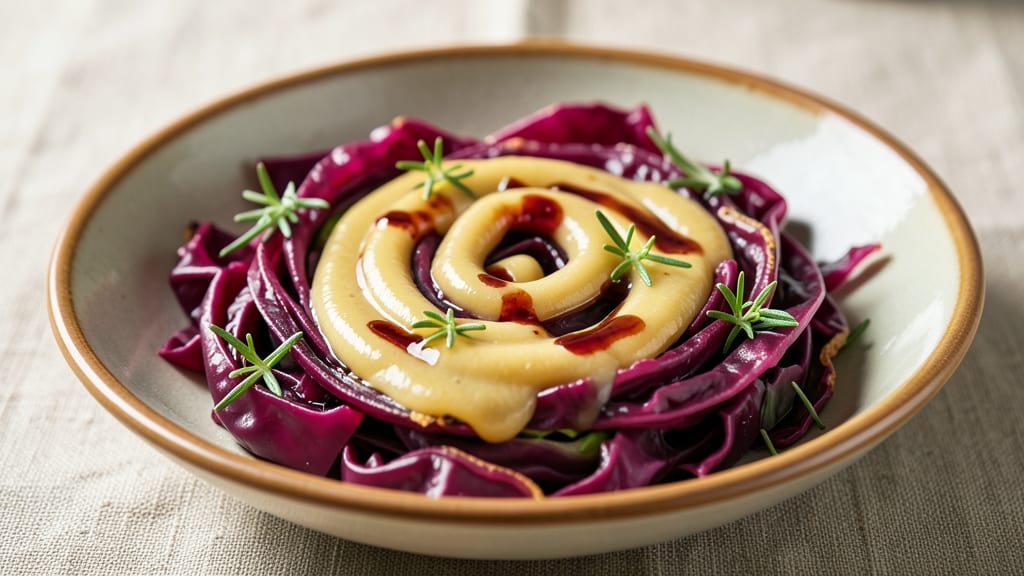
This red cabbage and apple sauce recipe transforms humble ingredients into a vibrant, sweet-tart masterpiece that elevates roasts, sandwiches, and hearty bowls. The secret lies in balancing the cabbage's natural sharpness with applesauce's gentle sweetness, creating a sauce that's rich, velvety, and packed with autumnal warmth.
I developed this recipe after years of experimenting with German-inspired braised cabbage, refining it to be foolproof for home cooks while keeping the depth of flavor intact.
The beauty of this dish is its versatility—it works as a standalone side, a sandwich spread, or even a topping for roasted meats (though it's vegetarian-friendly on its own). The cabbage softens into tender strands while absorbing the applesauce's sweetness, and a touch of vinegar and spices ties everything together.
No special equipment is needed—just a large pot and about 45 minutes of hands-off cooking time.
What you'll end up with is a dish that's deeply flavorful yet approachable, with a glossy sheen from the applesauce and a subtle crunch from the cabbage. The aroma alone will have everyone at the table asking for seconds.
It's the kind of recipe that feels both comforting and sophisticated—perfect for weeknight dinners or holiday gatherings.
Pair it with roasted chicken, serve it alongside mashed potatoes, or spread it on crusty bread for a taste of autumn in every bite. The possibilities are endless, but the method is simple. Let's get started!
Ingredients for red cabbage and apple sauce
Twelve ingredients blend into a velvety, autumnal masterpiece that balances cabbage's sharpness with applesauce's sweetness.
| Ingredient | Amount | Notes |
|---|---|---|
| Red Cabbage 🧅 | 1 ½ lb | Shredded, about 6 cups |
| Unsweetened Applesauce 🍎 | 1 ½ cups | Unsweetened, for natural sweetness |
| Red Wine Vinegar 🍷 | ½ cup | For tangy depth |
| Granulated Sugar 🍚 | ¼ cup | Balances tartness |
| Fresh Thyme Leaves 🌿 | 1 tbsp | Or 1 tsp dried thyme |
| Fresh Rosemary 🌿 | 1 tbsp | Chopped finely |
| Bay Leaves 🌿 | 2 whole | For aromatic depth |
| Vegetable Broth 💧 | 1 ½ cups | Low-sodium preferred |
| Olive Oil 🫒 | 2 tbsp | Extra-virgin for richness |
| Salt 🧂 | 1 ½ tsp | Diamond Crystal kosher salt |
| Black Peppercorns 🌶️ | ½ tsp | Freshly cracked |
| Honey 🍯 | 1 tbsp | Optional, for extra sweetness |
The red cabbage is the foundation—look for heads with vibrant purple leaves and crisp texture. Whole Foods or local farmers markets often carry the freshest, most flavorful varieties. If using pre-shredded cabbage, rinse thoroughly to remove any grit. The applesauce should be unsweetened to maintain balance; brands like Mott's or Starkist work well, but homemade is ideal for deeper flavor. For the vinegar, Bartles & Jaymes or Bragg provide consistent acidity without overpowering the dish. Fresh herbs are non-negotiable here—their bright, aromatic qualities elevate the sauce. If you're using dried herbs, measure them at one-third the amount of fresh.
No red wine vinegar? Apple cider vinegar works in a pinch, though it adds a slightly different fruity note. Substituting the applesauce? Unsweetened applesauce from canned apples (like Muir Glen) maintains consistency, but pureed cooked apples add subtle caramelization. For the sugar, maple syrup can replace half the granulated sugar for a deeper autumnal flavor. Fresh herbs unavailable? Dried thyme and rosemary work at one-third the amount, but toast the dried rosemary first for enhanced aroma. The vegetable broth can be swapped for white wine (use the same amount) for a more sophisticated touch, though it will slightly alter the texture.
This sauce keeps beautifully in the refrigerator for up to 5 days, though it tastes best within the first 3 days as the flavors meld. For longer storage, portion into airtight containers with a thin layer of olive oil on top to preserve freshness. Freezes for up to 3 months, though the texture may become slightly softer upon thawing. Reheat gently on the stove with a splash of water or broth to restore its velvety consistency. The sauce pairs exceptionally well with roasted meats, but its vegetarian-friendly profile makes it equally at home alongside mashed potatoes or as a sandwich spread.
Why You'll Love This Recipe
- Foolproof Simplicity: I swear by this—just shred the cabbage, toss it in a pot with applesauce and vinegar, and let it simmer. No peeling, no dicing, no fuss. My daughter even helps stir it (mostly to taste-test, but still).
- Sweet-Tart Magic: That applesauce softens the cabbage into something tender, while the vinegar and sugar cut through it like a bright, tangy hug. Honestly, the first bite makes me want to make it every week.
- Potluck Hero: Between us, this is my go-to for gatherings. It’s hearty enough for a main (pair with roasted chicken) but light enough for a side. Plus, it’s the one dish that actually gets eaten cold the next day.
- Budget Stretch: A single head of cabbage and a jar of applesauce feed four for dinner and two for lunch. Between us, that’s $5 worth of flavor that lasts. I call that a win.
Step-by-step instructions for red cabbage and apple sauce
This sweet-tart balance comes together with simple technique and careful timing.
Sauté the Cabbage Until Tender
Heat the 2 tablespoons olive oil in a large Dutch oven over medium heat. Add the 1.5 pounds shredded red cabbage and stir to coat evenly. Cook for 8-10 minutes, stirring occasionally, until the cabbage softens slightly and begins to release moisture. This initial cooking prevents the cabbage from turning mushy later.
I like to press down gently on the cabbage with a wooden spoon during the first 3-4 minutes—this helps break down the fibers and ensures even cooking. You'll know it's ready for the next step when the edges start to soften and the cabbage loses its raw, crisp texture. The goal here is to tenderize without browning, so keep the heat steady and avoid letting it darken.
Add Aromatics and Vinegar
Increase the heat to medium-high and add the 1 tablespoon fresh thyme leaves, 1 tablespoon finely chopped fresh rosemary, 2 whole bay leaves, and 1.5 teaspoons salt. Stir for 1 minute to toast the herbs briefly—their aroma will deepen and infuse the cabbage. Then pour in the 0.5 cup red wine vinegar and 0.25 cup granulated sugar, stirring well to combine.
The vinegar will sizzle slightly as it hits the hot pan, and the sugar will begin to dissolve. Let the mixture simmer for 3-4 minutes until the vinegar reduces by about half and the cabbage starts to glisten. This reduction is crucial—it concentrates the flavors and balances the sweetness with tang. Watch carefully to avoid burning the sugar, which would make the sauce bitter.
Simmer with Applesauce and Broth
Reduce the heat to medium-low and stir in the 1.5 cups unsweetened applesauce and 1.5 cups vegetable broth. Bring to a gentle simmer, then cover the Dutch oven with a lid. Let it cook for 25-30 minutes, stirring occasionally, until the cabbage is fork-tender and the sauce has thickened to a glossy consistency. The cabbage should be soft enough to pierce easily with a fork but still hold its shape.
Here's the thing—this step requires patience. The cabbage will release more liquid as it cooks, so if the sauce looks too thin after 20 minutes, uncover and simmer for another 5 minutes to reduce it. You want the final texture to be thick enough to coat the back of a spoon but still spoonable. If you prefer a slightly sweeter finish, stir in the 1 tablespoon honey during the last 5 minutes of cooking.
Season and Rest
Remove the pot from heat and let the mixture rest for 10 minutes, covered. This resting period allows the flavors to meld and the cabbage to absorb the sauce fully. Before serving, taste and adjust the seasoning—add more salt if needed, or a splash of red wine vinegar for extra tang. Stir in the 0.5 teaspoon freshly cracked black peppercorns just before serving to keep them from losing their sharpness during cooking.
The sauce should now have a perfect balance of sweetness from the applesauce and sugar, tartness from the vinegar, and earthy depth from the herbs. The cabbage should be tender but still hold its structure, with a glossy sheen from the reduced sauce. Serve warm as a side for roasted meats, sandwiches, or even as a topping for grilled cheese—this versatile sauce elevates any dish it accompanies.
Pro Tips For Making Red Cabbage And Apple Sauce
- SHRED THE CABBAGE FINE: I learned this the hard way—thick shreds turn mushy and stay crunchy in all the wrong places. Use a sharp knife or mandoline for even ⅛-inch strips; they’ll soften beautifully without falling apart.
- SWEAT THE CABBAGE LOW: Start with medium-high heat to get it moving, then drop to low and walk away. Too much heat = bitter, burnt edges. Cover the pot for the first 10 minutes to release moisture, then uncover to caramelize.
- ACID TEST FIRST: Taste the raw cabbage before adding vinegar—some varieties (like Savoy) are naturally sweeter and need less sugar. Add vinegar in stages: start with half, let it sit, then adjust. You can always add more acid, but you can’t take it out.
- THYME AT THE END: Tossing in thyme leaves too early turns them to dust. Wait until the cabbage is tender but still bright, then stir them in for 30 seconds—just enough to infuse aroma without losing texture. (Yes, even if you’re impatient like me.)
Regional styles of this red cabbage and apple sauce
German Braised Style
This dish finds its roots in traditional German cuisine, where red cabbage (Rotkohl) is often braised with apples, vinegar, and spices. In regions like Bavaria, it’s a staple alongside pork or sausages, but this vegetarian version keeps the hearty, comforting essence.
The key is using apple cider vinegar (instead of red wine vinegar) and adding 1 small diced apple (like Braeburn or Granny Smith) during the last 10 minutes of cooking for authentic texture. Serve with crusty rye bread for a true German experience. 🍏
French-Inspired Twist
For a more refined approach, French cooks might call this a "chou rouge à l’anglaise"—a nod to the English influence on French cuisine. Replace the vegetable broth with ½ cup dry white wine (like Sauvignon Blanc) and add 1 minced shallot when sautéing the cabbage.
Finish with a sprinkle of fresh parsley instead of rosemary, and a drizzle of balsamic glaze before serving. This version pairs beautifully with duck confit or roasted squash. 🍷
American Comfort Food
In the U.S., this dish often appears as a sweet-tart side for Thanksgiving or holiday meals. Swap the red wine vinegar for apple cider vinegar and add ½ teaspoon ground cinnamon and ¼ teaspoon ground cloves during the simmering phase.
Top with toasted pecans for crunch and serve alongside mashed potatoes or roasted turkey. The cinnamon adds warmth, making it feel like a cozy autumn hug. 🍂
Italian Fusion
For an Italian-inspired take, replace the rosemary with 1 tablespoon fresh basil and add ½ teaspoon red pepper flakes when sautéing the cabbage. Use white wine instead of broth and finish with a squeeze of lemon juice before serving.
This version works as a pasta sauce (toss with orecchiette) or a stuffing for roasted peppers. The acidity from the lemon brightens the dish, giving it a fresh, Mediterranean flair. 🇮🇹
Scandinavian Simplicity
In Scandinavian kitchens, this dish might include dill instead of rosemary and lingonberry jam (about 2 tablespoons) stirred in during the final 5 minutes of cooking. The jam adds a tart-sweet contrast that’s signature to Nordic flavors.
Serve with smoked salmon (for a non-vegetarian option) or roasted root vegetables like carrots and parsnips. The dill gives it a bright, herbal note that cuts through the richness. 🌿
Modern Fusion Adaptation
For a contemporary twist, blend ½ cup of the cooked cabbage-apple mixture into a smooth sauce and use it as a dipping sauce for spring rolls or fries. Garnish with crispy fried shallots and a sprinkle of sesame seeds for an unexpected Asian-inspired fusion.
The sweet-tart balance works surprisingly well with umami-rich dishes, like miso-glazed tofu or grilled shrimp. 🌱
Nutrition facts
Frequently asked questions
Can I use green cabbage instead of red?
While you can technically substitute green cabbage, the vibrant purple color and slightly sweeter flavor of red cabbage are key to this recipe. For a similar texture, use the same quantity but expect a milder taste. If you must use green cabbage, add an extra 1 tablespoon of sugar and 1 teaspoon of vinegar to compensate for the difference in natural sweetness and acidity.
How do I make this recipe without applesauce?
For a similar texture, blend 2 medium apples (peeled and cored) with 1 tablespoon lemon juice until smooth, then use the same amount as the applesauce in the recipe. Alternatively, you can substitute with ½ cup unsweetened apple cider and reduce it by half before adding to the cabbage. The dish will still be flavorful, though slightly less cohesive.
Can I prepare this ahead of time?
This dish actually tastes better the next day as the flavors meld together. Store it in an airtight container in the refrigerator for up to 5 days. Reheat gently on the stove with a splash of water or broth to restore its velvety texture. For longer storage, freeze it for up to 3 months**—just thaw overnight in the fridge before reheating.
Why does my cabbage turn mushy? Mushy cabbage usually happens from overcooking or insufficient initial sautéing. To prevent this,
What are the best ways to serve this dish?
This versatile sauce works as a side with roasted meats, a sandwich spread, or even a topping for grilled cheese. For a hearty meal, pair it with mashed potatoes, roasted chicken, or smoked salmon. The sweet-tart balance also makes it perfect for stuffing into crepes or using as a dip for crusty bread—get creative with how you incorporate it into your favorite dishes!