
Main Courses
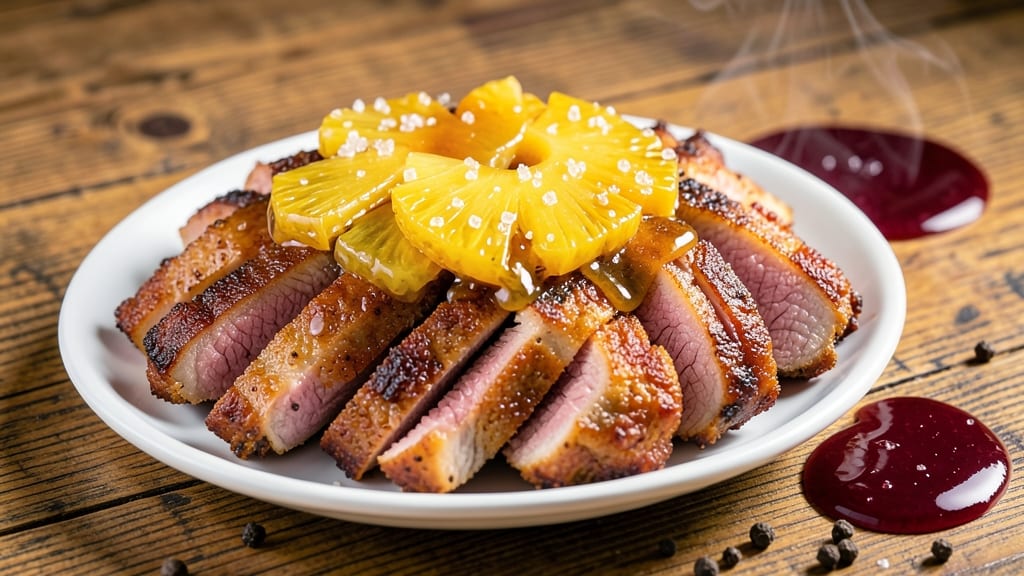
This pork tocino recipe with pineapple juice delivers crispy, caramelized perfection that balances sweet and savory in every bite. 🌟 Inspired by Filipino traditions but adapted for home cooks, the pineapple juice infusion creates that signature tangy crunch while keeping the curing process simple.
I've perfected this recipe through countless test batches—each one more addictive than the last.
The secret lies in the curing process, where the pork absorbs the pineapple juice while marinating overnight. This transforms tough cuts into tender, flavorful slices that develop a crispy exterior when fried just right.
The result? A dish that's both restaurant-worthy and effortless enough for weeknight dinners, served with garlic rice or pickled vegetables for the full Filipino experience.
What makes this recipe stand out is how the pineapple juice tenderizes the meat while adding a bright, tropical tang that cuts through the richness.
The curing process is hands-off, letting you focus on the frying stage where the real magic happens—golden, crackling edges that give way to juicy, flavorful pork inside.
Pair this with steamed rice, atchara (Filipino pickled papaya), and a side of crispy garlic fried rice for a complete meal. The combination of textures and flavors makes this tocino a crowd-pleaser that's impossible to resist. Let's get started on creating your own crispy, tropical-inspired masterpiece.
Ingredients for pork tocino recipe pineapple juice
Nine essential ingredients transform simple pork into crispy, tropical-inspired tocino perfection.
| Ingredient | Amount | Notes |
|---|---|---|
| Boneless Pork Shoulder 🥩 | 1 ½ lb | Cut into 1/2-inch thick slices |
| Pineapple Juice 🍍 | 1 cup | Freshly squeezed preferred |
| White Vinegar 💧 | ½ cup | Distilled white vinegar |
| Brown Sugar 🍚 | ½ cup | Packed lightly |
| Salt 🧂 | 2 tbsp | Diamond Crystal kosher salt |
| Black Peppercorns 🌶️ | 1 tsp | Coarsely ground |
| Garlic Cloves 🧄 | 4 cloves | Minced finely |
| Bay Leaves 🍃 | 2 whole | Fresh preferred |
| Vegetable Oil 🫒 | 2 cups | High smoke point |
| Fresh Cilantro 🌿 | ¼ cup | Chopped, for garnish |
| Lime Wedges 🍋 | 2 whole | For serving |
| All-Purpose Flour 🌾 | ¼ cup | For dredging |
The pork shoulder is non-negotiable here—its fat content ensures tender, juicy slices. Look for cuts with good marbling at Filipino markets or the meat department of Whole Foods. Slice it against the grain for maximum tenderness. The pineapple juice should be freshly squeezed; canned juice lacks the bright acidity needed for that signature tang. For a deeper flavor, use organic pineapple—the difference is noticeable. Bay leaves are a must; they infuse subtle earthiness that complements the sweet-savory balance. If you can't find fresh, dried bay leaves work in a pinch, but toast them lightly first to enhance their aroma.
No fresh pineapple juice? Coconut water with a splash of lime mimics the tropical vibe, though it won't be identical. Substitute brown sugar with white sugar plus 1 tsp molasses for a similar caramel depth. Running short on bay leaves? 1 tsp dried thyme adds a similar herbal note. The vegetable oil is critical—use avocado or canola oil for high heat stability during frying. For a lighter touch, reduce the oil to 1.5 cups and fry in batches. The cilantro garnish is optional but adds freshness; if you dislike it, swap for green onions or skip entirely. The lime wedges should be freshly cut—bottled lime juice lacks the bright citrus punch.
The curing marinade keeps for up to 3 days in the fridge, but the pork absorbs flavors best after 12-24 hours. For best results, slice the pork the day before cooking and let it marinate overnight. Store the marinade separately if you won't use it all. The fried tocino reheats beautifully—350°F for 10 minutes restores crispiness. Portion into airtight containers with parchment paper between layers to maintain texture. Freeze for up to 2 months, but thaw slowly in the fridge to preserve crispness. Serve with steamed jasmine rice and pickled vegetables for the full Filipino experience.
Why You'll Love This Recipe
- Here’s what sold me: the pineapple juice cuts through the richness of the pork while the brown sugar and vinegar create this ridiculously balanced sweet-sour glaze. It’s not too sweet, not too sharp—just that addictive, slightly sticky finish that makes you reach for seconds.
- One-Pan Magic: I swear by this recipe because it’s literally hands-off after the initial prep. Toss the pork in a baking dish with pineapple juice and vinegar, let it simmer low and slow—no flipping, no fuss—just that perfect caramelized crust and tender bite. My lazy Sundays just got an upgrade.
- Sweet-Tangy Bliss: Here’s what sold me: the pineapple juice cuts through the richness of the pork while the brown sugar and vinegar create this ridiculously balanced sweet-sour glaze. It’s not too sweet, not too sharp—just that addictive, slightly sticky finish that makes you reach for seconds.
- Breakfast-to-Dinner Star: Between us, this is my go-to for busy mornings and last-minute dinner guests. Serve it with garlic rice for breakfast, toss it in a wrap for lunch, or pile it high on toast with fried eggs. (Yes, even on a Tuesday night.) It’s that versatile.
Step-by-step instructions for pork tocino with pineapple juice
Transform tender pork shoulder into crispy, tangy tocino using this precise curing method.
👨🍳 Step 1: Prepare the Curing Marinade
In a mixing bowl, combine the 1 cup pineapple juice, 0.5 cup white vinegar, 0.5 cup brown sugar, 2 tbsp salt, and 1 tsp coarsely ground black peppercorns. Whisk vigorously until the sugar and salt completely dissolve—this ensures even distribution throughout the marinade. The mixture should be smooth with no graininess remaining.
Add the 4 minced garlic cloves and 2 whole bay leaves to the marinade. Stir gently to incorporate. Here's the thing—bay leaves release their aromatic oils when heated, so we add them now to infuse the marinade. Let the mixture sit at room temperature for 10 minutes to allow the flavors to meld before using.
🔪 Step 2: Slice and Cure the Pork
Cut the 1.5 lb boneless pork shoulder into ½-inch thick slices, working against the grain for maximum tenderness. Arrange the slices in a single layer in a shallow glass dish or baking pan—this prevents overlapping and ensures even curing. Pour the prepared marinade over the pork, making sure each slice is fully submerged.
Cover the dish with plastic wrap and refrigerate for 24 hours, turning the slices once halfway through. This extended curing time develops the signature crispy texture while infusing the pork with tropical tang. Don't rush this step—proper curing is what creates that irresistible texture contrast between tender interior and crispy exterior.
🍳 Step 3: Dredge and Deep-Fry for Crispy Perfection
Remove the pork slices from the marinade and pat them dry with paper towels—this critical step removes excess moisture that would prevent proper browning. In a medium bowl, combine the 0.25 cup all-purpose flour with 1 tbsp additional salt (this extra salt enhances the curing effect). Lightly dredge each pork slice in the flour mixture, shaking off any excess.
Heat 2 cups vegetable oil in a deep fryer or heavy pot to 350°F. Use a thermometer to monitor the temperature—oil that's too cool will make soggy tocino. Fry the pork slices in batches for 3-4 minutes per side until they reach a deep golden brown color. You'll know they're done when they float to the surface and maintain that color when removed. Drain on a wire rack or paper towels to remove excess oil.
🥘 Step 4: Rest and Serve with Garnishes
Let the fried pork slices rest for 5 minutes before serving. This brief rest period allows the internal juices to redistribute, ensuring each bite remains moist. While the tocino rests, prepare the garnishes by finely chopping the 0.25 cup fresh cilantro and keeping the 2 lime wedges ready.
Serve the crispy tocino immediately, garnished with the chopped cilantro and accompanied by the lime wedges. The contrast between the crispy exterior, tender interior, and bright citrus notes creates a perfect balance of textures and flavors. For best results, serve with a side of steamed rice or a fresh tropical salad to complement the pineapple's tang.
Pro Tips For Making Pork Tocino Recipe Pineapple Juice
- Slice Thin, Not Thick: I learned this the hard way—thick slices stay chewy no matter how long you braise them. Aim for ½-inch thickness max; if your knife isn’t sharp enough, it’ll crush the meat instead of cutting cleanly. A steady hand and a sharp chef’s knife make all the difference here.
- Boil the Vinegar First: Skip the urge to dump vinegar straight into the pot—it’ll make your kitchen smell like a science experiment. Heat the pineapple juice and vinegar together for 2 minutes first to mellow the sharpness. This also helps the sugar dissolve faster, so your tocino soaks up that sweet-tangy flavor evenly.
- Don’t Rush the Simmer: Low and slow is non-negotiable. If you crank the heat to speed things up, the pork will turn rubbery and the juice will reduce into a sticky mess. A gentle simmer (small bubbles, occasional breaks) keeps the meat tender and the sauce glossy—about 45 minutes for perfect doneness.
- Strain the Juice: Sounds weird, but it works: strain the pineapple juice through a fine-mesh sieve before using it. The pulp burns easily and can make your sauce grainy. Clear juice = smoother sauce, and your tocino won’t have unexpected texture surprises when you bite into it. (Yes, even if you’re impatient like me.)
Serving suggestions for this recipe
Filipino-Style Sides
Start with garlic fried rice—this classic side transforms day-old rice into crispy, savory bites. Sauté 4 minced garlic cloves in 2 tbsp vegetable oil until fragrant, then add 1 cup leftover jasmine rice, breaking up any clumps.
Stir-fry for 3 minutes, then add 1 egg, ¼ cup soy sauce, and 1 tbsp calamansi or lime juice. Finish with 2 tbsp chopped green onions and a pinch of salt. The garlic's aroma complements the tocino perfectly. 🌟
Pickled Vegetables
No Filipino meal is complete without atchara—pickled papaya or green mango. Thinly slice 1 medium papaya or 1 green mango and pack into a jar. Cover with a mixture of ½ cup vinegar, ½ cup water, 2 tbsp sugar, and 1 tsp salt.
Let it sit for at least 4 hours (or overnight for stronger flavor). The tangy crunch cuts through the richness of the tocino beautifully. I love adding ½ tsp ground black pepper to the brine for extra depth.
Steamed Greens
For a lighter option, serve kangkong (water spinach) or sabaw (string beans) steamed with garlic. Blanch 2 cups kangkong in boiling water for 2 minutes, then drain and toss with 1 minced garlic clove, 1 tbsp soy sauce, and 1 tsp sugar.
The mild, slightly bitter greens balance the sweet-savory tocino. If you're in Portland, grab fresh kangkong at New Seasons Market—their produce is always vibrant.
Tropical Garnishes
Elevate your plate with fresh, bright garnishes. Scatter ¼ cup thinly sliced cucumber and 2 tbsp shredded carrots around the tocino for color and crunch. A drizzle of sweet chili sauce (like Sriracha Sweet Chili Sauce) adds a glossy finish and subtle heat.
For a citrusy touch, squeeze lime wedges over the top right before serving—this keeps the tocino crispy while adding zesty freshness. 🍋
Drink Pairings
Cool down the meal with calamansi soda—mix 1 cup calamansi juice (or lime juice), ½ cup sparkling water, and 1 tbsp honey. Serve over ice for a refreshing, tangy drink. No calamansi? Use lemon-lime soda with a splash of pineapple juice.
For a non-alcoholic option, try hibiscus iced tea—its tartness mirrors the tocino’s flavors. If you're feeling indulgent, a light lager like San Miguel pairs beautifully with the dish’s balance of sweet and savory.
Plating Like a Pro
Arrange the tocino in a diagonal line across the plate for visual appeal. Fan out the slices slightly so the crispy edges catch the light. Pile the garlic fried rice in a small mound at one end of the plate, and scatter the atchara or greens around the base.
Garnish with the cucumber, carrots, and cilantro for a pop of color. Finish with a squeeze of lime and a drizzle of sweet chili sauce—this creates a colorful, balanced plate that’s as Instagram-worthy as it is delicious. Trust me, your guests will be impressed! ✨
Nutrition facts
Frequently asked questions
Can I use canned pineapple juice instead of fresh?
Fresh pineapple juice works best for that bright, tropical tang, but canned juice will still give you good results. For the closest flavor, use 100% pineapple juice (no added sugar) and reduce the brown sugar to 0.375 cup to compensate. The texture difference is minimal, but the flavor will be slightly less vibrant than with freshly squeezed juice.
How do I get the tocino extra crispy?
The secret is in the drying and frying stages! Pat the pork slices very dry with paper towels before dredging, and let them sit uncovered in the fridge for 30 minutes before frying. Use a thermometer to maintain 350°F oil temperature, and fry in batches without overcrowding the pan. For maximum crispiness, double-dredge the pork in flour before frying.
What's the best way to store leftover tocino?
Store in an airtight container with parchment paper between layers to maintain crispiness. Reheat at 350°F for 10 minutes covered with foil to restore crispiness. For longer storage, freeze for up to 2 months—thaw in the fridge overnight before reheating. The texture won't be as crispy as fresh, but it reheats beautifully for sandwiches or salads.
Can I make this recipe without a deep fryer?
Use a heavy pot with 2 inches of oil and maintain 350°F with a thermometer. For extra safety, place a rack over a baking sheet under the pot to catch any splatter. Alternatively, bake at 425°F for 15-20 minutes on a wire rack over a baking sheet—this gives a lighter texture but still delicious results.
Why did my tocino turn out chewy instead of crispy?
This usually happens from insufficient drying or improper frying temperature.