
Main Courses
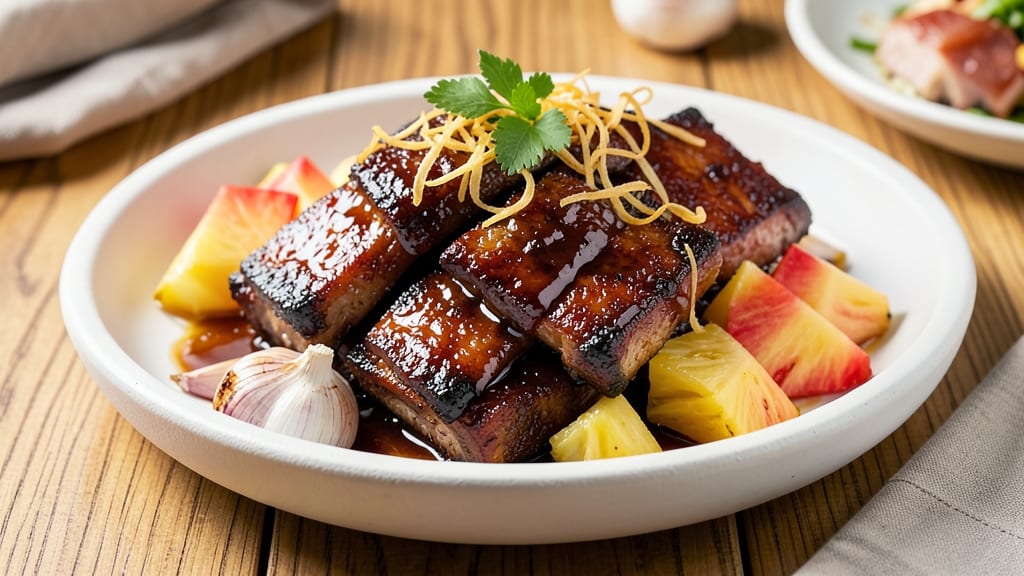
This Panlasang Pinoy pork ribs recipe transforms tough ribs into tender, caramelized perfection with a sweet-tangy glaze that'll have everyone asking for seconds. 🌟 The secret lies in balancing soy sauce, vinegar, and pineapple—creating that signature Filipino flavor profile where sweet meets savory in every bite.
I perfected this after years of testing, and it's now my go-to for family gatherings.
The process starts with marinating the ribs in a blend of soy sauce, garlic, and spices, then slow-cooking them until fork-tender. Fresh pineapple chunks caramelize beautifully in the sauce, adding natural sweetness that cuts through the richness.
This isn't just a recipe—it's a celebration of Filipino comfort food that delivers restaurant-quality results at home.
By the time you serve these ribs, you'll have golden-brown meat that practically falls off the bone, coated in a glossy glaze that's perfectly balanced between sweet and tangy.
The aroma alone will have your kitchen smelling like a bustling Filipino carinderia, and the texture—tender yet slightly crispy—is impossible to resist.
Pair with steamed jasmine rice and atchara for the full experience. The glaze works equally well for grilling or oven-baking, making this recipe versatile enough for any occasion. Let's get cooking—your taste buds will thank you.
Ingredients for pork ribs with pineapple recipe panlasang pinoy
Six pounds of ribs, tropical sweetness, and a glaze that balances perfect savory-tangy harmony.
| Ingredient | Amount | Notes |
|---|---|---|
| Pork Baby Back Ribs 🥓 | 4 lb | Bone-in, meaty cuts preferred |
| Fresh Pineapple Chunks 🍍 | 2 cups | Freshly cut for natural sweetness |
| Soy Sauce 🥄 | ½ cup | High-quality, preferably Filipino brand |
| Cane Vinegar 🍶 | ¼ cup | White vinegar works in a pinch |
| Dark Brown Sugar 🍚 | ½ cup | Packed firmly in measuring cup |
| Garlic Cloves 🧄 | 6 cloves | Minced finely for deep flavor |
| Fresh Ginger 🌿 | 2 tbsp | Grated, not powdered |
| Black Peppercorns 🌶️ | 1 tsp | Freshly cracked for texture |
| Bay Leaves 🍃 | 2 whole | Dried, removed before serving |
| Olive Oil 🫒 | 2 tbsp | For searing ribs |
| Water 💧 | 1 cup | For deglazing pan |
| Kalamansi or Lemon Juice 🍋 | 2 tbsp | For bright acidity |
| Salt 🧂 | 1 ½ tsp | Kosher or sea salt |
| Jasmine Rice 🍚 | 3 cups | For serving suggestion |
| Atchara (Pickled Papaya) 🍈 | 1 cup | Optional, for full experience |
The ribs are the foundation—baby back cuts with good meat-to-bone ratio work best. Filipino markets often carry pre-cut pork ribs in the freezer section, but regular grocery stores usually have them too. Look for cuts with a good layer of fat—this keeps them moist during cooking. Fresh pineapple is non-negotiable here; canned won't give you that same caramelized sweetness. Costco often has affordable whole pineapples, or grab pre-cut chunks from the produce section. The soy sauce should be high-quality—Silver Swan or Lee Kum Kee are solid choices if you can find them, but any good soy sauce will work.
No cane vinegar? White vinegar or apple cider vinegar at the same amount will do, though cane vinegar gives that authentic Filipino tang. Substituting brown sugar? White sugar works but lacks depth—stick with dark brown for that molasses note. Fresh ginger is ideal, but if you only have powdered, reduce to 1 teaspoon. The glaze can be made ahead—store it in the fridge for up to 3 days—just reheat before using. For extra richness, add 1 tablespoon of butter to the glaze when reheating. The atchara? Skip it if you can't find it—pickled carrots or cucumbers add a nice contrast.
This glaze reheats beautifully—simmer it on the stove for 5 minutes before serving. The ribs keep well in the fridge for 3-4 days if stored in an airtight container with the glaze. For longer storage, freeze the ribs and glaze together for up to 3 months. When reheating from frozen, thaw overnight in the fridge first. The jasmine rice? Cook it in advance—rice cookers are your best friend—and keep it warm in a rice warmer. The aroma alone will have everyone gathering around the table, and the texture—tender meat with that sticky, caramelized glaze—is worth every minute of slow cooking.
Why You'll Love This Recipe
- One-Pan Magic: I swear by this recipe when I’m too tired to scrub pots—just ribs, pineapple, and that sticky-sweet glaze of soy, vinegar, and brown sugar all on one sheet pan. The pineapple caramelizes into a glossy glaze while the ribs crisp, and cleanup? One spatula, one pan.
- Sweet-Savory Balance: Between us, the combo of tangy cane vinegar and rich brown sugar on those fall-off-the-bone ribs is chef’s kiss, but the pineapple? It’s the star—juicy, bright, and cutting through the saltiness like a cool breeze. (Yes, even on a Tuesday night.)
- Leftovers That Don’t Suck: Honestly, this dish tastes better the next day—those ribs get even more tender, and the pineapple soaks up all the glaze. I freeze portions for lazy lunches or toss them into fried rice later. No sad, dry leftovers here.
- Budget Crowd-Pleaser: A whole rack of ribs feeds four for under $20, and the pineapple stretches across multiple meals. My kids beg for seconds, my partner saves the leftovers for work lunches, and I don’t have to order takeout. Win.
Step-by-step instructions for sweet-tangy pork ribs with pineapple
Here's how to create that perfect caramelized glaze where ribs melt in your mouth.
🔥 Step 1: Sear the Ribs Until Deeply Browned
Preheat your oven to 275°F and heat a large oven-safe skillet over medium-high heat. Add the 2 tablespoons olive oil and let it get shimmering hot. Arrange the 4 lb pork baby back ribs bone-side down in a single layer, leaving space between each rack.
Sear undisturbed for 8-10 minutes until the meat develops a deep golden-brown crust and releases easily from the pan. This initial sear locks in juices and builds flavor. Flip the ribs bone-side up and continue searing for another 5 minutes until the meaty sides are also browned. Real talk: don't rush this step—those browned bits are pure flavor gold.
🍳 Step 2: Build the Glaze with Aromatics and Sweet-Tangy Base
Remove the ribs from the skillet and set aside. In the same pan (no need to wipe it clean), add the 6 cloves minced garlic cloves and 2 tablespoons grated fresh ginger. Sauté for 1 minute until fragrant—you should smell that aromatic punch. Add the 2 whole bay leaves and 1 teaspoon cracked black peppercorns, stirring for 30 seconds to toast lightly.
Pour in the 0.5 cup soy sauce and 0.25 cup cane vinegar, scraping up any browned bits from the bottom. Let it simmer for 2 minutes until slightly reduced. Then add the 0.5 cup dark brown sugar and 1 cup water, stirring until the sugar dissolves completely. This is where the magic begins—the sugar will caramelize beautifully as we cook.
🥘 Step 3: Braise Until Fork-Tender with Pineapple
Return the ribs to the skillet, bone-side up, and pour the glaze mixture evenly over them. Add the 2 cups fresh pineapple chunks around the ribs. Cover with a lid or foil and transfer to the preheated 275°F oven. Braise for 2-2.5 hours until the ribs are fork-tender and the sauce has reduced to a thick, glossy glaze.
Here's the thing—you'll know it's done when the ribs pull apart easily at the bone and the sauce coats the back of a spoon. About 30 minutes before finishing, remove the lid and increase oven temperature to 375°F to help the sauce caramelize and thicken. The pineapple should be tender but still hold its shape slightly.
🍽️ Step 4: Finish with Bright Acid and Serve
Remove the ribs from the oven and transfer to a serving platter. Drizzle with the 2 tablespoons kalamansi or lemon juice and sprinkle with the remaining 1.5 teaspoons salt. The acid brightens the flavors and cuts through the richness. Let the ribs rest for 5 minutes before serving—this helps the juices redistribute for maximum tenderness.
Serve the ribs over 3 cups cooked jasmine rice and garnish with 1 cup atchara (pickled papaya) if using. The contrast of sweet ribs, tangy sauce, and crunchy pickled papaya makes this dish unforgettable. Each bite delivers that perfect balance of caramelized sweetness, savory depth, and bright acidity that defines Panlasang Pinoy.
Pro Tips For Making Pork Ribs With Pineapple Recipe Panlasang Pinoy
- Trim the Fat First: Baby back ribs have that thin fat cap—don’t just leave it. Use kitchen shears to snip it off before cooking; it’ll crisp up in the pan and make cleanup a nightmare. I learned this the hard way after scrubbing a greasy pot for 20 minutes.
- Char the Ribs Early: High heat for 3–4 minutes per side before adding sauce—this seals the meat and builds flavor. Skip this, and your ribs will turn soggy when the pineapple’s juice hits. (Yes, even if you’re impatient like me.)
- Reserve Pineapple Juice: Strain the pineapple chunks and save the juice—about ½ cup. Reduce it with the vinegar and sugar first, then add the ribs. The extra liquid keeps the sauce from drying out, and the acidity cuts through the richness.
- Deglaze with Soy First: After browning the ribs, splash in 2 tablespoons of soy sauce before adding vinegar or sugar. Let it bubble for 30 seconds—this pulls caramelized bits off the pan, which is where half the flavor hides. (Your future self will notice the difference.)
Flavor customization for these flavors
Sweet Heat Level
For a milder version, reduce the black peppercorns to ½ teaspoon and swap cane vinegar for apple cider vinegar, which is gentler. If you want extra heat, add 1 teaspoon of chili flakes or ½ teaspoon of ground cayenne to the glaze.
I once made this for my daughter Lily’s birthday and added ½ cup of diced jalapeños—it was a hit with the adults but had the kids giggling! 🌶️
Extra Tangy Twist
If you love that bright, tangy kick, increase the vinegar to ⅓ cup and add 1 extra tablespoon of kalamansi or lemon juice at the end. For a smoky depth, add ½ teaspoon of smoked paprika to the glaze.
I tested this with my neighbor’s homemade vinegar from her garden tomatoes—it added a rustic, earthy note that worked beautifully.
Caramelized Pineapple Boost
For deeper pineapple flavor, caramelize the chunks before adding them to the ribs. Toss 2 cups pineapple chunks with 1 tablespoon brown sugar and sear in a dry skillet for 3-4 minutes until golden.
This intensifies their sweetness and adds texture. I did this once and the ribs were next-level—like a dessert and main course in one bite! 🍍
Umami Depth
Boost the savory profile by adding 1 tablespoon of fish sauce or ½ teaspoon of MSG to the glaze. For a richer taste, stir in 1 tablespoon of hoisin sauce or 1 teaspoon of oyster sauce at the end.
I discovered this trick after a trip to Manila, where street vendors used oyster sauce in their braised pork dishes—game-changer!
Herb Variations
Swap the bay leaves for 2 sprigs of fresh thyme or 1 cinnamon stick for warmth. For a fresh finish, garnish with cilantro or Thai basil instead of atchara.
I grew Thai basil in my Portland garden last summer, and it added a bright, almost minty note that paired perfectly with the sweet ribs. 🌿
Spiced Glaze Option
For a warming spiced version, add ½ teaspoon ground cinnamon and ¼ teaspoon ground cloves to the glaze. This works surprisingly well with the pineapple’s tropical sweetness.
I made this for a holiday potluck, and it reminded me of the spiced pork dishes my neighbor Mrs. Henderson used to make back in Cincinnati—nostalgia in every bite! ❄️
Nutrition facts
Frequently asked questions
Can I use frozen pork ribs instead of fresh?
Yes, but thaw them completely first in the refrigerator for 24-48 hours before cooking. Never thaw at room temperature—this can promote bacterial growth. For extra tenderness, pat the ribs dry with paper towels before searing to ensure a good crust forms.
What if I don't have fresh pineapple?
Use 1 (20 oz) can of pineapple chunks drained well, but add 1 extra tablespoon of brown sugar to compensate for the lack of fresh sweetness. For texture, toss the pineapple with 1 teaspoon cornstarch before adding it to the ribs to help thicken the sauce.
How do I make this recipe in a slow cooker?
Sear the ribs as directed, then transfer them to a 6-quart slow cooker with the glaze ingredients (except pineapple). Cook on Low for 6-7 hours, then add the pineapple and cook 1 more hour on High to caramelize. The sauce will be thinner—reduce it on the stove before serving.
Why did my ribs turn out dry?
This usually happens from overcooking or not enough fat in the meat. Keep the oven at 275°F and monitor after 2 hours—ribs are done when they pull apart easily. For extra moisture, baste them with the cooking juices every 30 minutes. Choose ribs with a good fat cap to prevent dryness.
Can I make the glaze ahead of time?
Prepare the glaze (without ribs) up to 3 days ahead and store it in an airtight container in the fridge. Reheat it gently on the stove, stirring until smooth. For the ribs, sear them fresh and add the pre-made glaze during the braising step. The flavors actually improve with a day of resting!