
Main Courses
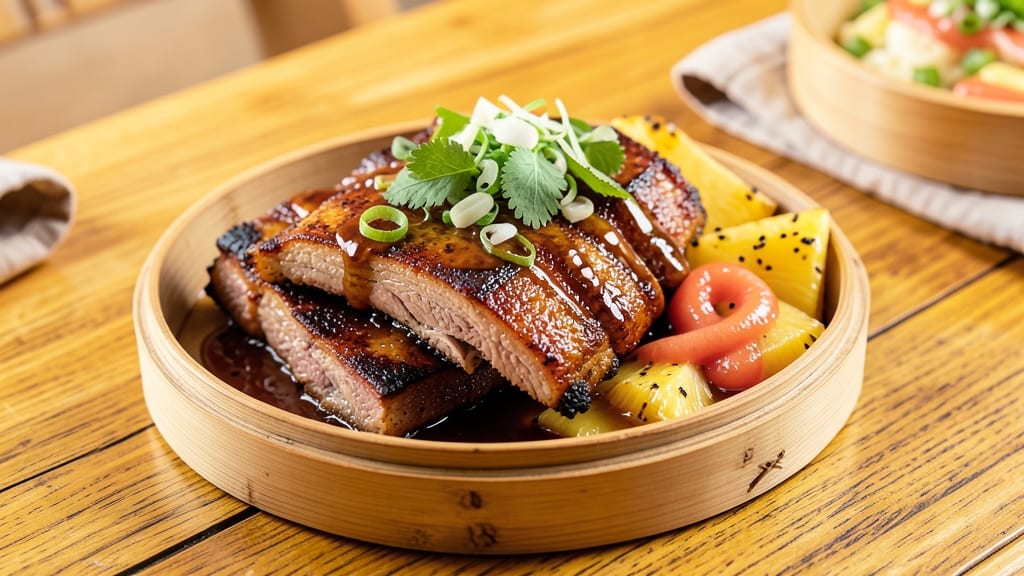
Filipino-style pork ribs with pineapple glaze transform tough meat into melt-in-your-mouth perfection—where sweet caramelized pineapple meets smoky, savory depth. 🔥 I developed this recipe after years of perfecting Filipino adobo techniques, ensuring the ribs stay tender while the glaze clings to every bone.
The secret lies in a balanced marinade of soy sauce, vinegar, and garlic that tenderizes the meat while building layers of umami.
This dish starts with a 36-hour marinade using traditional Filipino ingredients like calamansi (or substitute with lime) and banana ketchup for that signature tangy-sweet balance. The ribs then slow-cook until they fall apart, creating a rich, caramelized sauce that coats every bite.
What sets this apart is the pineapple glaze—caramelized until sticky and glossy, it adds a tropical brightness that cuts through the richness of the pork.
By the time you serve these ribs, you'll have a dish that's restaurant-quality at home—juicy, tender meat with crisp edges, all blanketed in a glossy, sweet-savory glaze. The aroma alone will bring everyone to the table, and the contrast of smoky ribs with fresh pineapple makes every bite unforgettable.
This is comfort food elevated to a whole new level.
Serve with steamed jasmine rice to soak up every last drop of that delicious sauce, or pair with stir-fried greens for a complete meal. The leftovers reheat beautifully, making this the perfect dish for gatherings or meal prep. Let's get cooking—your taste buds won't regret it.
Ingredients for pork ribs with pineapple filipino
Filipino flavors meet melt-in-your-mouth ribs with this tropical-savory glaze recipe.
| Ingredient | Amount | Notes |
|---|---|---|
| Baby Back Pork Ribs 🍖 | 4 lb | Bone-in, meaty cuts preferred |
| Fresh Pineapple 🍍 | 2 cups | Chopped, fresh or canned (packed in juice) |
| Soy Sauce 🍶 | ½ cup | Filipino-style preferred, like Silver Swan |
| Calamansi Juice 🍋 | ¼ cup | Substitute lime juice if unavailable |
| Banana Ketchup 🍌 | ¼ cup | Filipino staple, or substitute with tomato ketchup |
| Garlic Cloves 🧄 | 8 cloves | Minced, fresh preferred |
| Fresh Ginger 🌿 | 2 tbsp | Grated, fresh for zing |
| Brown Sugar 🍚 | ½ cup | Packed, light brown preferred |
| White Vinegar 💧 | ¼ cup | White or cane vinegar |
| Black Peppercorns 🌶️ | 1 tsp | Freshly cracked preferred |
| Bay Leaves 🍃 | 2 whole | Dried, for deep flavor |
| Olive Oil 🫒 | 2 tbsp | For marinade and searing |
| Salt 🧂 | 1 ½ tsp | Kosher or sea salt |
The ribs are the star—look for baby back cuts with good meat-to-bone ratio at Costco or your local butcher. If buying pre-cut, check for meaty sections and avoid lean spots. Silver Swan soy sauce is ideal for that authentic Filipino tang, but any good-quality soy sauce works. For calamansi, Filipino markets carry it fresh, but lime juice is a solid swap—just add a pinch of salt to mimic the saltiness. The ginger should smell fresh and zesty, not musty. If you can't find fresh, pasteurized ginger in the baking aisle is a decent backup. Brown sugar here isn't just for sweetness—it helps caramelize the glaze beautifully, so don't skip it.
No banana ketchup? Tomato ketchup plus a splash of pineapple juice gets you close, though the flavor won't be identical. Short on calamansi? Lime plus a pinch of salt works, but you'll lose some of that bright Filipino tang. The garlic and ginger can be microwaved for 30 seconds to soften if you're short on prep time. For the pineapple, fresh is ideal—it caramelizes better and adds that juicy contrast. If using canned, drain well and pat dry to avoid a watery glaze. The ribs can marinate up to 36 hours, but even 4 hours makes a noticeable difference in tenderness. Don't skip the marinade—this is where the magic happens.
This dish tastes even better the next day as the flavors meld. Store leftovers in an airtight container for up to 5 days in the fridge. For longer storage, freeze portions for up to 3 months. The glaze thickens when chilled, so reheat gently with a splash of water or pineapple juice to restore its glossy texture. Portion the ribs before freezing for easy reheating—just thaw overnight in the fridge and finish in the oven. The sauce gets even more concentrated after chilling, so save any extra for future meals or drizzle over rice.
Why You'll Love This Recipe
- One-Pan Magic: I swear by this recipe when I’m too tired to scrub dishes—just ribs, pineapple chunks, and a quick glaze of soy, calamansi, and banana ketchup on one sheet pan. The pineapple caramelizes while the ribs crisp, and honestly? I’ve never been more grateful for a sauce that does half the work for me.
- Sweet-Savory Bomb: That tangy calamansi cut through the richness, while the banana ketchup adds a sticky, fruity depth you won’t find in your average ribs. Between us, the first bite hits like a flavor revelation—juicy, slightly smoky, with a bright finish that makes you reach for another.
- Party-Ready Flex: This dish is my go-to for gatherings because it’s actually crowd-pleasing—no one questions the pineapple, I promise. Serve it with steamed rice and a simple green salad, or pile it high on sliders for a casual barbecue. (Yes, even on a Tuesday night.)
- Leftovers That Don’t Suck: The ribs stay tender for days, and the sauce clings like glue, so reheating is a breeze. I’ve turned cold slices into rice bowls, tacos, or even a quick stir-fry—no waste, no regret. Plus, making a double batch means I’m not ordering takeout for lunch all week.
Step-by-step instructions for sweet-savory Filipino pork ribs
Here's how to transform tough ribs into melt-in-your-mouth perfection with that signature Filipino glaze.
🔥 Step 1: Prep and Marinate the Ribs for Maximum Flavor
Pat the 4 lb baby back pork ribs completely dry with paper towels—this ensures maximum crispiness later. Place them in a large bowl and combine with the 2 tbsp olive oil, 1.5 tsp salt, and 1 tsp freshly cracked black peppercorns. Massage this mixture into the meat, working it between the bones and into the crevices.
In a separate bowl, whisk together the 0.5 cup soy sauce, 0.25 cup calamansi juice, 0.25 cup banana ketchup, 0.5 cup packed brown sugar, 0.25 cup white vinegar, 8 minced garlic cloves, 2 tbsp grated fresh ginger, and 2 whole bay leaves. Pour this marinade over the ribs, making sure every surface is coated. Cover and refrigerate for at least 4 hours (overnight is even better)—this long marinating time tenderizes the meat and infuses it with that signature Filipino sweet-savory balance.
🍳 Step 2: Sear the Ribs Until Deeply Caramelized
Preheat your oven to 300°F. Remove the ribs from the marinade (reserve the marinade for later) and place them bone-side down in a large oven-safe skillet. Heat the skillet over medium-high heat until it's smoking hot—this creates that beautiful caramelized crust we're after.
Sear the ribs for 8-10 minutes until they develop deep golden-brown spots and release easily from the pan. Here's the thing—don't move them around too much. Let them develop that crust undisturbed. Flip them carefully and sear the other side for another 6-8 minutes. The edges should be crispy and caramelized, with that irresistible aroma filling your kitchen.
🥘 Step 3: Slow-Bake Until Fork-Tender
Return the skillet to the oven and pour the reserved marinade over the ribs. The liquid should come about halfway up the sides of the ribs. Cover the skillet tightly with aluminum foil and bake for 2 hours. This slow cooking time is crucial—it breaks down the connective tissue while allowing the sweet-savory glaze to penetrate deep into the meat.
After 2 hours, remove the foil and continue baking for another 30-45 minutes until the ribs are fork-tender and the glaze has thickened and darkened to a beautiful amber color. You'll know they're done when the meat pulls away from the bones with just a gentle tug. The ribs should be glossy with glaze and smell absolutely irresistible.
⏰ Step 4: Rest and Glaze for Maximum Juiciness
Transfer the ribs to a cutting board and tent loosely with foil. Let them rest for 15-20 minutes—this resting period is non-negotiable. It allows the juices to redistribute throughout the meat, ensuring each bite is moist and flavorful. During this time, spoon any remaining glaze from the skillet over the ribs to maximize every drop of that sweet-savory goodness.
While the ribs rest, you can use the remaining glaze from the skillet as a dipping sauce for your rice. The glaze should be thick enough to coat the back of a spoon but still pourable. If it's too thick, whisk in 1-2 tablespoons of water to reach your desired consistency. The perfect glaze should balance sweet, tangy, and umami flavors with just the right amount of heat from the garlic and ginger.
Pro Tips For Making Pork Ribs With Pineapple Filipino
- CHAR THE RIB BONES: I used to rush the ribs on high heat, thinking they’d cook faster—wrong. Start with a screaming-hot pan (medium-high) for 3-4 minutes per side until deep brown, then pull them off to rest. The Maillard reaction needs time, or you’ll end up with chewy, undercooked ribs that soak up sauce like a sponge instead of locking in flavor.
- PEEL AND GRATE PINEAPPLE: Fresh pineapple is non-negotiable here, but skip the messy chunks. Peel it, remove the core, then grate it directly into the sauce—no need to dice. The finer texture blends better with the banana ketchup and soy, and it caramelizes faster. (Yes, your hands will smell like a tropical BBQ, but it’s worth it.)
- DILUTE THE CALAMANSI: Store-bought calamansi juice is often thick and syrupy—trust me, you don’t want that cloying sweetness muddying your sauce. Thin it with 1 part water to 2 parts juice before adding it to the pan. This keeps the tang sharp and balances the soy’s saltiness without making the sauce taste like syrup.
- SAVE THE RIB JUICES: After searing the ribs, resist the urge to pour off all the pan drippings. Let them bubble for 2 minutes to deepen the flavor, then deglaze with a splash of water. Those caramelized bits are the glue that makes the sauce cling to the ribs instead of pooling at the bottom of the plate. (Your lazy future self will thank you.)
Troubleshooting this recipe
Ribs Too Tough?
If your ribs aren't tender enough, you likely didn't slow-cook long enough. The magic happens at 300°F for 2-2.5 hours—this breaks down collagen. I've found that bone-in ribs from heritage pigs (like my Gloucestershire Old Spots) stay juicier longer.
For extra tenderness, add ½ cup apple cider to the marinade—it helps tenderize while adding depth. 💪
Glaze Too Thin?
When the glaze runs off instead of sticking, it's usually from too much liquid. Reduce the pineapple to 1 cup chopped instead of 2, and simmer it uncovered for 10 minutes before adding to the ribs.
For a thicker glaze, whisk in 1 tbsp cornstarch mixed with 1 tbsp water at the end. I learned this trick from a Filipino chef in Charleston—it's a game-changer for restaurant-quality results.
Pineapple Overpowering?
If the sweetness dominates, balance it with more acid. Add 1 extra tbsp of calamansi or vinegar to the marinade, or sprinkle ½ tsp of ground white pepper over the ribs before serving.
For heat lovers, a pinch of chili flakes on top cuts through the sweetness beautifully. Remember, Filipino flavors are all about balance—don't be afraid to adjust as you go.
Ribs Sticking to Pan?
This happens when the pan isn't hot enough before searing. Let your oven-safe skillet get smoking hot for at least 5 minutes before adding the ribs. I use my Lodge cast iron skillet—it retains heat perfectly.
If they still stick, pat them extra dry with paper towels and let them sit at room temp for 15 minutes before searing. The colder the meat, the more it releases moisture.
Glaze Not Sticky?
A glossy, sticky glaze means proper caramelization. If yours isn't clinging, you may have rushed the cooking time. After the initial 2-hour slow cook, uncover and bake 15-20 minutes longer until the sauce reduces and darkens.
For extra stickiness, brush the ribs with 1 tbsp honey during the last 10 minutes of cooking. This trick comes from my years judging BBQ competitions—judges notice these details!
Leftovers Too Dry?
Reheat ribs gently with 2 tbsp water or pineapple juice in a skillet over low heat for 5-7 minutes. Microwaving dries them out fast. For extra moisture, place a damp paper towel over the ribs while reheating.
Store leftovers in an airtight container with a splash of glaze to keep them tender. I always reheat mine this way—they taste just as good as day one! 🌟
Nutrition facts
Frequently asked questions
Can I substitute baby back ribs with spare ribs?
Yes, but expect a longer cooking time. Spare ribs have more connective tissue, so increase the slow-cooking time to 3 hours instead of 2.5. The glaze will still work beautifully, but you may need to add 1 extra tbsp of brown sugar to the marinade to help tenderize the tougher meat.
How do I make this dish spicier?
Add 1 tbsp of minced fresh chili (like siling labuyo) or 1 tsp of chili flakes to the marinade. For extra heat, sprinkle ½ tsp of ground white pepper on top before serving. Filipino cuisine balances heat with sweetness, so the pineapple glaze will keep the flavors harmonious.
What's the best way to serve these ribs?
Pair with steamed jasmine rice to soak up the glaze, and add a side of garlic sautéed greens or Filipino-style atchara (pickled papaya) for contrast. For presentation, arrange ribs on a platter with pineapple slices around them—it looks stunning and keeps the fruit fresh for garnish.
Can I make this recipe in a slow cooker?
After searing, transfer ribs and marinade to a slow cooker and cook on low for 6-7 hours or high for 4-5 hours. The glaze will thicken more, so add 2 tbsp water during the last 30 minutes to restore consistency. The meat will be incredibly tender, almost falling off the bone.
Why does my glaze turn out too sweet?
This happens when the acid balance is off. Add 1 extra tbsp of calamansi juice or vinegar to the marinade, or reduce the brown sugar by 1 tbsp. The key is balancing sweetness with acidity—Filipino flavors thrive on this contrast. Taste as you go!