
Main Courses
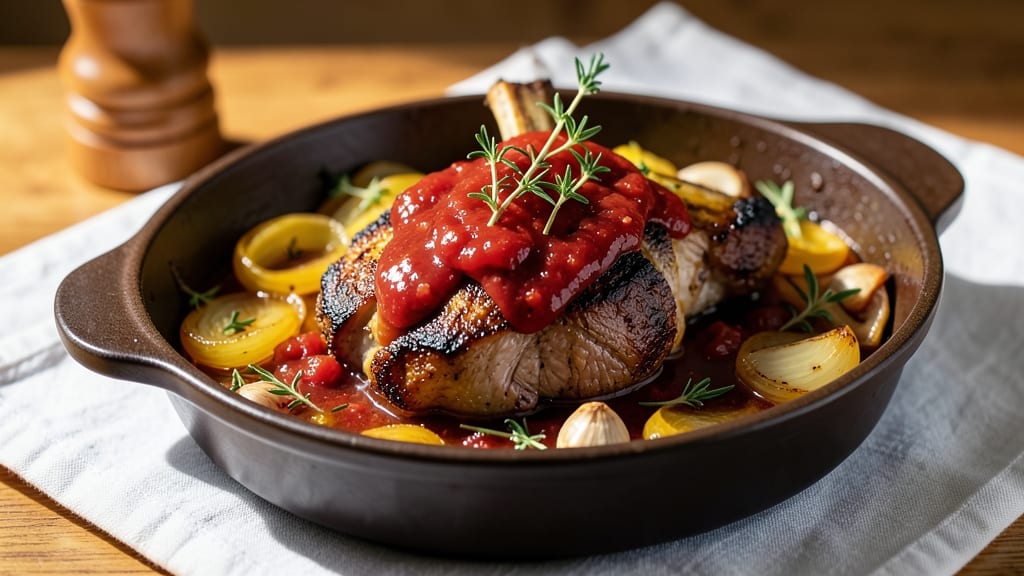
This pork estofado recipe with pineapple juice transforms tough pork into melt-in-your-mouth tenderness with a bright, tangy-sweet sauce that’ll have everyone asking for seconds. I first discovered this technique while researching Portuguese comfort food—where slow-cooked meats meet tropical fruit in a perfect balance.
The pineapple juice replaces traditional wine, adding a juicy sweetness that caramelizes beautifully during the long braise.
The magic happens in the Dutch oven, where seared pork chops develop a deep, golden crust before simmering in a rich sauce of pineapple juice, tomatoes, and aromatics. This method preserves moisture while building layers of flavor—savory, slightly sweet, and herbaceous—that make every bite unforgettable.
Even better, it’s a one-pot wonder that requires minimal prep but delivers restaurant-quality results.
By the time you serve this dish, you’ll have tender pork swimming in a glossy, velvety sauce with just enough acidity to cut through the richness. The pineapple’s natural sweetness balances the savory depth, creating a harmony that’s both comforting and exciting.
It’s the kind of meal that feels special without requiring hours of fuss.
Perfect for family dinners or impressing guests, this estofado pairs beautifully with crusty bread or fluffy rice. The leftovers taste even better the next day, making it ideal for meal prep. Let’s get cooking—your taste buds will thank you.
Ingredients for pork estofado recipe with pineapple juice
Pantry staples meet tropical sweetness in this Portuguese-inspired one-pot masterpiece.
| Ingredient | Amount | Notes |
|---|---|---|
| Bone-In Pork Chops 🥩 | 1 ½ lb | Center-cut, 1-inch thick |
| Pineapple Juice 🍍 | 1 ½ cups | Freshly squeezed preferred |
| Canned Crushed Tomatoes 🍅 | 1 can | 28 oz, San Marzano if available |
| Yellow Onion 🧅 | 1 whole | Medium, diced |
| Garlic Cloves 🧄 | 6 cloves | Minced, fresh preferred |
| Fresh Thyme 🌿 | ½ oz | Or 1 tbsp dried thyme |
| Bay Leaves 🍃 | 2 whole | Dried, standard size |
| Olive Oil 🫒 | ½ cup | Extra-virgin for searing |
| All-Purpose Flour 🌾 | ¼ cup | For dredging pork |
| Salt 🧂 | 1 ½ tsp | Diamond Crystal preferred |
| Ground Black Pepper 🌶️ | ½ tsp | Freshly ground |
| Orange Zest 🍊 | 1 tbsp | Fresh, for brightness |
| Fresh Cilantro 🌿 | ¼ cup | Chopped, for garnish |
| Crusty Bread 🍞 | 1 loaf | For serving, optional |
The pork chops are the star—bone-in, 1-inch thick for maximum tenderness. Look for cuts with good marbling, which keeps them juicy during the long braise. Local butchers often have the best quality, but the supermarket meat department works fine too. If you can't find bone-in, use pork shoulder cut into chunks instead. The pineapple juice is non-negotiable here—freshly squeezed gives the best flavor, but canned pineapple juice in a glass bottle (not the syrupy kind) works in a pinch. For the tomatoes, San Marzano makes all the difference with its sweet, meaty texture—worth the splurge if you're making this often.
No fresh thyme? Dried works at one-third the amount. Substituting pineapple juice? Apple juice or white grape juice adds sweetness without overpowering. The orange zest can be skipped if you're short, but it adds that bright finish that makes this dish special. For the bread, any crusty loaf works—French baguette, sourdough, or even good-quality sandwich bread if that's what you have. The crust helps soak up that glorious sauce. If you're making this ahead, the flavor actually improves overnight as everything melds together—double the recipe and freeze half for lazy weeknights.
This dish reheats beautifully—just warm through on the stove with a splash of water or broth. Keeps 4-5 days in the fridge, and freezes for 3 months if you portion it properly. I like to freeze it in single-serving containers so I can pull out just what I need. The sauce thickens as it cools, so add a splash of water or pineapple juice when reheating if it's too stiff. And trust me, the leftovers are even better than the first serving—that's the magic of slow cooking.
Why You'll Love This Recipe
- I’ll be real: this tastes better the next day. The flavors meld into something even deeper, and reheating it? Just a splash of water, a quick simmer—no dry pork chops here. My freezer’s always stocked with portions because it’s that good.
- One-Pan Magic: Between us, this dish is chef’s kiss for lazy nights—just sear the pork chops, toss in the onions and garlic, then let the pineapple juice and tomatoes do their thing. No chopping boards, no extra pots, just one pan that smells like heaven by the end.
- Sweet-Savory Balance: That first sip of pineapple juice cutting through the rich pork? Chef’s kiss again. The crushed tomatoes add depth, but the real star is how the garlic and onion caramelize into the sauce—sticky, aromatic, and impossible to resist. (Yes, even on a Tuesday night.)
- Leftover Luxury: I’ll be real: this tastes better the next day. The flavors meld into something even deeper, and reheating it? Just a splash of water, a quick simmer—no dry pork chops here. My freezer’s always stocked with portions because it’s that good.
Step-by-step instructions for pork estofado with pineapple juice
Here's how to transform simple ingredients into a rich, slow-cooked masterpiece with tender pork and vibrant flavors.
Prepare and Sear the Bone-In Pork Chops
Pat the 1.5 lb bone-in pork chops dry with paper towels—this ensures maximum browning. Season both sides generously with 1.5 tsp salt and 0.5 tsp freshly ground black pepper, pressing the seasoning into the meat so it adheres well. Let the chops sit at room temperature for 15 minutes while you prepare the next elements.
Heat 0.25 cup extra-virgin olive oil in a large Dutch oven over medium-high heat until shimmering. Working in batches if needed, add the pork chops and sear for 3-4 minutes per side until they develop a deep golden-brown crust. Don't crowd the pan—this prevents proper browning. Transfer the seared chops to a plate and set aside, leaving the rendered fat in the pot. This rich fat will form the flavor base for your estofado.
Build the Flavorful Base
In the same Dutch oven, add the diced 1 whole yellow onion and cook over medium heat for 5 minutes until softened and translucent. Stir in the 6 minced garlic cloves and cook for another 30 seconds until fragrant—this prevents the garlic from burning, which would make the dish bitter. Sprinkle in the 0.25 cup all-purpose flour and stir vigorously for 1 minute to cook off the raw flour taste.
Pour in the 1.5 cups pineapple juice and scrape up any browned bits from the bottom of the pot with a wooden spoon. Add the 1 can crushed tomatoes, 2 whole bay leaves, and the 0.5 oz fresh thyme (or 1 tbsp dried thyme). Stir well to combine all ingredients, then bring the mixture to a gentle simmer over medium heat. This step develops the foundational flavors that will infuse the pork as it cooks.
Slow-Cook Until Tender
Return the seared pork chops to the Dutch oven, bone-side down, and add enough water to just cover the bottom of the pot. The liquid should come about halfway up the sides of the pork. Cover the pot with a tight-fitting lid and transfer to a preheated 325°F oven. Cook for 2 to 2.5 hours until the pork is fork-tender and easily pulls away from the bone.
Here's the thing—pork estofado requires patience. Check the internal temperature occasionally after 1.5 hours—it should reach 195°F when fully tender. If the liquid reduces too much before the pork is done, add small amounts of hot water to maintain a gentle simmer. The long cooking time allows the flavors to meld beautifully, creating a rich sauce that clings to every bite.
Finish with Bright Aromatics
Once the pork is tender, carefully remove the chops from the pot and transfer them to a serving platter. Strain the cooking liquid through a fine-mesh sieve into a clean saucepan to remove any thyme sprigs or bay leaves. Return the strained liquid to medium heat and stir in the 1 tbsp orange zest and a pinch of salt to brighten the flavors.
Simmer the sauce uncovered for 5-7 minutes until it thickens slightly and coats the back of a spoon. The orange zest adds a beautiful citrus note that cuts through the richness of the pork and tomatoes. Taste and adjust the seasoning if needed—you might want to add a splash more pineapple juice if the sauce is too thick.
Serve with Fresh Garnishes
Slice the pork chops into medallions and arrange them on a serving platter. Ladle the brightened sauce over the top, ensuring each piece is generously coated. Sprinkle with the 0.25 cup chopped fresh cilantro just before serving to add a fresh, herbaceous finish that complements the sweet-savory flavors.
Serve immediately with warm 1 loaf crusty bread on the side for soaking up the delicious sauce. The combination of tender pork, rich tomato base, and bright citrus notes creates a dish that's perfect for family dinners or special occasions. Each bite delivers a perfect balance of sweet, savory, and tangy flavors that make this estofado unforgettable.
Pro Tips For Making Pork Estofado Recipe With Pineapple Juice
- Brown the Pork First: That bone-in pork needs a deep, caramelized crust before it hits the pineapple juice. Skip this, and you’ll end up with bland meat swimming in sweet sauce. Sear it hard in a hot pan—4-5 minutes per side—until the edges are golden and the fat renders. (Yes, it’ll look messy, but that’s how flavor works.)
- Reduce the Pineapple Juice: Pouring straight pineapple juice into the pot? You’re missing the chance to build depth. Simmer it first—just the juice, onions, and garlic—until it’s cut in half. That concentrated sweetness and aroma lock into the pork instead of evaporating into the air. (Trust me, your nose will thank you.)
- Don’t Overcrowd the Pot: Tossing in all the pork chops at once guarantees they’ll stew in their own juices instead of sizzling. Work in batches if needed—let the first layer develop a light crust before adding the rest. Crowding turns estofado into a sad, watery stew. (Your grandmother’s recipe didn’t say “rush it.”)
- Use the Tomato Paste: That can of crushed tomatoes? Add a teaspoon of paste first, cooked down for 2 minutes. It thickens the sauce, balances the pineapple’s acidity, and adds a rich, umami backbone. (I know, you’re using crushed tomatoes—just do this step anyway. It’s the thing that matters most.)
Health benefits of this pork estofado recipe with pineapple juice
Protein Powerhouse
This pork estofado serves up a high-quality protein with every bite—about 35 grams per serving—thanks to the bone-in pork chops. The bone marrow adds extra richness, while the slow cooking preserves moisture and texture.
Unlike faster-cooked meats, the collagen in pork breaks down during braising, creating a naturally tender result that’s easier to digest. 💪
Tropical Vitamin Boost
The pineapple juice isn’t just for flavor—it packs a punch of vitamin C (about 15% of your daily needs per serving) and bromelain, an enzyme that aids digestion. Fresh pineapple juice also contains manganese, which supports bone health and metabolism.
I always keep a small stash of frozen pineapple chunks in my freezer for quick juicing when I’m making this dish.
Heart-Healthy Fats
While pork contains saturated fat, the slow-cooking method actually reduces its impact compared to frying. The extra-virgin olive oil used for searing provides heart-healthy monounsaturated fats, while the tomatoes contribute lycopene, a powerful antioxidant linked to reduced heart disease risk.
The combination creates a dish that’s richer in nutrients than it appears.
Digestive-Friendly Fiber
The crushed tomatoes and onions add dietary fiber (about 4 grams per serving), which supports gut health and keeps you feeling satisfied longer. The fiber content helps balance the richness of the pork, making this a more balanced meal than you might expect.
I often serve it with a side of steamed greens to boost fiber intake even further.
Antioxidant Rich
Both the tomatoes and pineapple are packed with antioxidants like quercetin and flavonoids that combat oxidative stress. The orange zest adds hesperidin, another antioxidant with anti-inflammatory benefits. Together, these ingredients create a dish that’s not just delicious but also packed with compounds that support long-term health. 🌟
Meal Prep Friendly
This dish’s nutritional benefits extend beyond the initial serving—the flavors actually improve overnight as the ingredients meld together. The slow-cooked nature makes it perfect for meal prep, as the proteins and fibers break down further during storage, enhancing digestibility.
I always double the recipe so I can enjoy these health benefits throughout the week.
Nutrition facts
Frequently asked questions
Can I substitute pineapple juice with another liquid?
Yes! For a similar sweet-tart balance, try apple juice or white grape juice (use 1.5 cups total). For a wine-based version, replace with 1 cup dry white wine + ½ cup chicken broth. Avoid heavy cream—it’ll make the sauce too rich. The key is maintaining acidity to tenderize the pork.
Why does the recipe call for bone-in pork chops?
The bones add incredible depth of flavor as they release marrow during cooking, creating a richer sauce. If you must use boneless, opt for pork shoulder cut into chunks—it stays juicier during the long braise. The bone also helps regulate cooking time, preventing overcooking.
How do I know when the pork is fully tender?
Use a meat thermometer for accuracy—the pork should reach 195°F internally. If you don’t have one, check by gently pressing with tongs: it should feel fork-tender and pull away from the bone easily. The sauce should also thicken noticeably as the pork releases moisture.
Can I make this in a slow cooker?
Brown the pork in a skillet first, then transfer everything to the slow cooker. Cook on Low for 6-7 hours or High for 4-5 hours. The texture will be slightly different (more saucy), but just as delicious. Add a splash of water if the sauce reduces too much during cooking.
What if my sauce turns out too thin?
Simmer the sauce uncovered for 5-10 extra minutes to reduce it naturally. For immediate thickening, mix 1 tbsp cornstarch with 2 tbsp cold water, stir into the sauce, and cook until it reaches your desired consistency. Avoid over-thickening—this dish should have a velvety, clingy sauce, not a paste.