
Main Courses
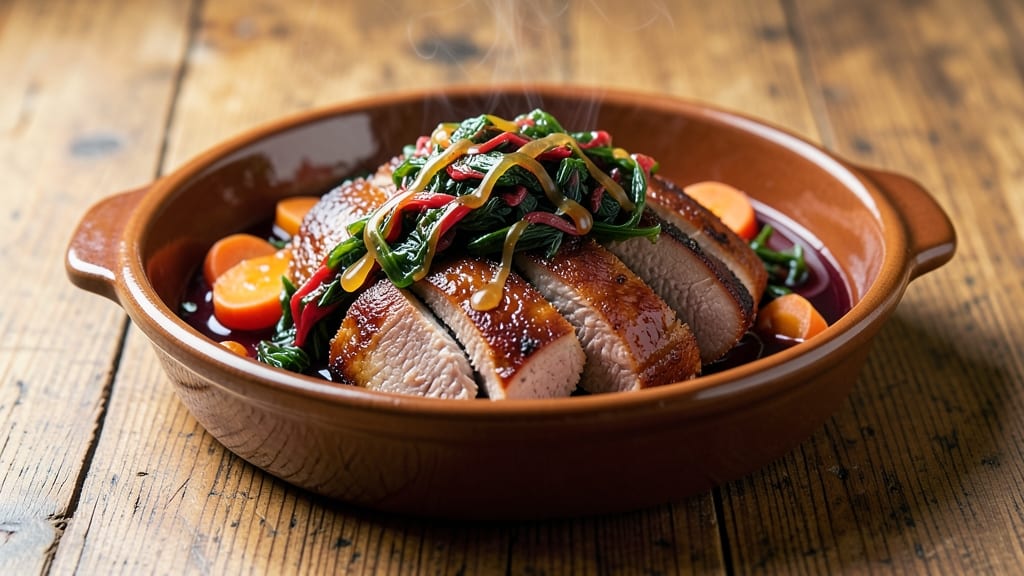
This pork and apple juice sauerkraut recipe transforms humble ingredients into a dish that tastes like a German countryside tavern. 🌟 The secret lies in balancing the tangy punch of sauerkraut with sweet apple juice and tender pork, all simmered together until the flavors meld into perfect harmony.
I first discovered this recipe on a chilly autumn evening when I wanted something comforting yet sophisticated—no heavy sauces, just bold flavors that sing.
The beauty of this dish is its simplicity: one pan, minimal prep, and maximum flavor. You'll start with pork chops or pork shoulder, seared to a golden crust before simmering in apple juice until fork-tender.
The sauerkraut softens just enough to release its signature tang, while the apple juice adds a subtle sweetness that rounds out the dish. My grandmother used to say, "Good food isn't about fancy techniques—it's about patience and balance," and this recipe proves her right.
By the time you serve it, you'll have a dish that's rich, tangy, and just sweet enough—each bite delivers layers of flavor that make it feel like a restaurant-quality meal.
The pork stays juicy, the sauerkraut retains its signature crunch, and the apple juice ties everything together in a way that feels both nostalgic and fresh. It's the kind of recipe that makes you want to serve it to guests, even if it's just a weeknight dinner.
Pair it with buttery mashed potatoes or crusty rye bread to soak up every last bit of that delicious sauce. The leftovers? Even better the next day, as the flavors deepen and the pork becomes even more tender.
Here's how to make it—no shortcuts, just good, honest cooking that delivers real results.
Ingredients for pork and sauerkraut recipe with apple juice
Pantry staples meet German tavern flavors in this one-pan pork feast.
| Ingredient | Amount | Notes |
|---|---|---|
| Pork Shoulder 🥓 | 1 ½ lb | Bone-in preferred for flavor |
| Sauerkraut 🥬 | 2 cups | Unopened jar preferred |
| Apple Juice 🍎 | 1 cup | Unsweetened, cloudy preferred |
| Carrots 🥕 | 2 whole | Baby carrots work too |
| Onion 🧅 | 1 whole | Yellow or red preferred |
| Garlic Cloves 🧄 | 3 cloves | Freshly minced |
| Bay Leaves 🌿 | 2 whole | Dried works fine |
| Black Peppercorns 🌶️ | 1 tsp | Freshly cracked preferred |
| Salt 🧂 | 1 ½ tsp | Kosher or sea salt |
| Olive Oil 🫒 | 2 tbsp | For searing pork |
| Fresh Thyme 🌿 | 1 tbsp | Leaves only, chopped |
| Honey 🍯 | 1 tbsp | For balancing tang |
| Dijon Mustard 🍯 | 1 tsp | For depth of flavor |
The pork shoulder is the heart of this dish—bone-in stays juicier and adds depth. Costco or Whole Foods often have great prices for this cut, and it's worth buying a bigger piece if you want leftovers. Look for good marbling (little white flecks of fat) when selecting. The sauerkraut? Bubbies or Rehrl are my go-tos—they've got that perfect tang without being too sour. If you're using store-brand, check the jar isn't bulging (sign it's fermenting properly). Carrots and onions should be firm with no soft spots, and the garlic? Smell those cloves—strong aroma means freshness.
No apple juice? Unsweetened white grape juice works in a pinch, though it'll taste different. Short on fresh thyme? Dried thyme at one-third the amount gets you close, but fresh is ideal here. The honey balances the sauerkraut's tang—local raw honey adds extra depth if you've got it. Dijon mustard might sound odd, but it adds that little something special. No mustard? Extra 1 tsp of apple juice won't ruin it. The bay leaves can be skipped if you hate them, but they're traditional for a reason—they add earthy warmth that pairs perfectly with pork.
This dish tastes even better the next day, so make extra if you can. Store leftovers in the fridge for 4-5 days—the flavors meld beautifully. For longer storage, freeze portions for up to 3 months. I always keep some in the freezer because it's perfect for quick weeknight dinners. The sauce thickens when reheated, so add a splash of apple juice if it gets too stiff. Serve with crusty rye bread to soak up every last bit of that delicious sauce.
Why You'll Love This Recipe
- One-Pot Magic: The pork shoulder, carrots, and onions all go in the same pot—no chopping board chaos here. Just brown the meat, toss in the sauerkraut and apple juice, and let the slow cooker or Dutch oven do the heavy lifting while you sip your coffee.
- Sweet-Sour Symphony: That tangy sauerkraut meets the bright apple juice? It’s like a flavor hug for your taste buds. The pork gets tender and juicy, while the carrots caramelize into little bursts of sweetness—no one’s left wanting seconds.
- Leftover Lifesaver: This dish actually improves overnight. The flavors meld into something richer, and reheating it the next day feels like a cozy, no-fuss meal. Pack it for lunch or serve it cold in sandwiches—it’s that versatile.
- Budget-Friendly Feast: Pork shoulder stretches for days, sauerkraut lasts forever, and apple juice adds depth without breaking the bank. Honestly, it’s the kind of recipe that makes grocery day less stressful and dinner night more satisfying.
Step-by-step instructions for pork and apple juice sauerkraut
This one-pan wonder brings together rich pork, tangy sauerkraut, and sweet apple juice for a dish that's easier than it looks.
🔥 Step 1: Sear the Pork Shoulder for Deep Flavor
Pat the 1.5 lb pork shoulder dry with paper towels—this ensures a crispy crust. Heat 2 tbsp olive oil in a large Dutch oven over medium-high heat until shimmering. Place the pork in the pan and sear on all sides for 6-8 minutes total until deeply browned. I press down gently with a spatula during the first minute to prevent curling.
Don't rush this step—the caramelized crust locks in juices and adds incredible depth. Once browned, remove the pork and set it aside on a plate. You'll notice the pan will have a beautiful golden layer of fond—this is pure flavor we'll use later.
👨🍳 Step 2: Build the Sweet-Tangy Base
In the same Dutch oven, add the 1 whole onion and 2 whole carrots (peeled and cut into ½-inch chunks). Cook for 5-6 minutes until softened and slightly caramelized. Add the 3 cloves garlic cloves (minced) and cook for 30 seconds until fragrant—garlic burns fast, so watch closely.
Stir in the 2 cups sauerkraut (drained if using jarred), 1 cup apple juice, 1 tbsp honey, and 1 tsp Dijon mustard. Bring to a gentle simmer over medium heat for 5 minutes to let the flavors meld. The apple juice will slightly reduce, concentrating the sweetness to balance the sauerkraut's tang.
🥘 Step 3: Simmer the Pork Until Tender
Return the pork to the Dutch oven, along with the 2 whole bay leaves, 1 tbsp fresh thyme, 1.5 tsp salt, and 1 tsp black peppercorns (cracked). Pour in enough water to come about ½-inch up the sides of the pork—this creates steam that keeps everything moist. Cover and simmer over low heat for 1 hour 45 minutes.
Here's where patience pays off—the pork should become fork-tender with a rich sauce clinging to it. Check occasionally and add a splash of water if the liquid reduces too much. You'll know it's ready when a knife slides in easily and the pork separates with minimal resistance.
🔪 Step 4: Finish with Perfect Sauce Consistency
Remove the pork from the pot and let it rest on a cutting board for 10 minutes (this is crucial—resting redistributes juices). Skim off any excess fat from the sauce if desired, then return the pork to the pot. Simmer uncovered over medium heat for 5-7 minutes to thicken the sauce slightly.
Taste and adjust seasoning—you might need a touch more salt or honey to balance the tang. The sauce should coat the back of a spoon with a velvety texture. Slice the pork against the grain into ¼-inch thick slices and serve directly from the pot, spooning that glorious sauce over the top.
🍽️ Step 5: Serve with Crusty Bread
This dish tastes best served immediately while the pork is still juicy and the sauce is warm. The combination of tender pork, sweet-tangy sauce, and crisp vegetables makes every bite satisfying. I like to serve it with crusty bread to soak up the sauce—it's like eating a flavor bomb.
For extra flair, garnish with fresh parsley if you have it. The contrast of colors makes the dish even more appealing. Leftovers keep well in the fridge for 3-4 days, though I doubt you'll have any—this recipe disappears fast around my table!
Pro Tips For Making Pork And Sauerkraut Recipe With Apple Juice
- BROWN THE PORK FIRST: High heat for 8-10 minutes until deep golden—don’t rush this or you’ll end up with bland, gray meat. The crust locks in flavor, and skipping it means your apple juice will just turn into soup instead of caramelized magic.
- DRAIN AND RINSE THE SAUERKRAUT: Even the best sauerkraut has brine that can make your dish watery. Drain it, then give it a quick cold-water rinse to cut the acidity—this balances the sweetness of the apple juice and keeps the texture from turning mushy.
- ADD APPLE JUICE IN STAGES: Pour half the juice at the start, then let it simmer down before adding the rest. Dumping it all at once dilutes the flavors and makes the dish taste flat—think of it like seasoning, not just liquid.
- USE CARROTS FOR THICKNESS: Cut them into thick chunks (about ½-inch) and toss them in with the onions early. They’ll break down just enough to thicken the sauce naturally, so you won’t need to fuss with cornstarch or extra fat. (Yes, even if you’re impatient like me.)
Dietary considerations for pork and sauerkraut recipe with apple juice
Gluten-Free Adaptations
This dish is naturally gluten-free as long as you use certified gluten-free apple juice and avoid cross-contamination. I always check labels—brands like Mott's or Tree Top offer gluten-free options. The sauerkraut itself is typically gluten-free, but verify the jar label since some brands add wheat-based preservatives.
For extra safety, I drain and rinse the sauerkraut thoroughly before using it. 🌱
Low-Carb Options
To make this recipe lower in carbs, swap the carrots for 1 cup sliced mushrooms or zucchini rounds. The mushrooms add an earthy depth that complements the pork beautifully.
You can also reduce the apple juice to ½ cup and add ½ cup chicken broth instead—this keeps the sweetness while cutting carbs. The dish remains hearty and satisfying without the extra starch. 🥕
Dairy-Free Considerations
This recipe doesn't contain dairy naturally, but always double-check your sauerkraut—some brands add whey or milk powder. For serving, use dairy-free butter on your crusty bread or offer a side of olive oil-drizzled roasted Brussels sprouts instead of mashed potatoes.
The apple juice and honey already provide plenty of richness without needing dairy. 🥖
Vegetarian Swap
While this dish centers on pork, you can make a vegetarian version by replacing the pork shoulder with 1 lb extra-firm tofu or 1.5 lbs heart of palm. Press the tofu for 30 minutes first to remove excess water, then slice it into thick strips and pan-fry until golden.
The tofu absorbs the apple juice and sauerkraut flavors beautifully, creating a tangy, sweet alternative. 🌱
Allergen Awareness
For those with apple allergies, substitute the apple juice with unsweetened white grape juice or coconut aminos mixed with a touch of honey. If you're sensitive to mustard, omit the Dijon or use 1 tsp apple cider vinegar instead.
Always read labels on sauerkraut jars—some contain added allergens like soy or mustard. When in doubt, I keep a small bowl of plain rice on the side for guests with multiple allergies. 🍎
Protein Alternatives
If you prefer chicken, swap the pork shoulder for 1.5 lbs bone-in chicken thighs. The thighs stay juicier than breasts and pair wonderfully with the tangy sauce. For a beef version, use 1.5 lbs chuck roast—it braises beautifully and adds a deeper, richer flavor.
The cooking time will vary slightly, but the technique remains the same. 🥩
Nutrition facts
Frequently asked questions
Can I use pork chops instead of pork shoulder?
Yes, but you'll need to adjust cooking times. Thin-cut pork chops (½-inch thick) cook in 15-20 minutes after searing, while bone-in chops may need 30-40 minutes total. The apple juice and sauerkraut will still tenderize them beautifully, but monitor closely to avoid drying out.
How do I know when the pork is fully cooked?
Use a meat thermometer—pork shoulder should reach 195°F (internal temp) for pull-apart tenderness, while pork chops need 145°F. For shoulder, the probe should slide in easily when done. If you don't have a thermometer, cut into the thickest part—juices should run clear, not pink.
Can I make this recipe without apple juice?
Replace it with ½ cup apple cider vinegar + ½ cup water for tang, or use 1 cup chicken broth for depth. The honey will still balance flavors, but expect a slightly different profile. For sweetness, add 1 extra tbsp honey if using vinegar.
Why does my sauerkraut taste too sour?
Fresh sauerkraut can be very tangy—balance it by adding 1 extra tbsp honey or 1 tsp sugar during cooking. If it's store-bought and overly sour, try using 1 cup sauerkraut juice instead of plain juice in the recipe. The natural sugars in the juice will help mellow the flavor.
How can I make this dish faster?
Swap the pork shoulder for 1 lb pork tenderloin (cuts cooking time to 20-25 minutes total) or use pre-cooked pulled pork. For sauerkraut, buy pre-shredded (check labels) and skip chopping carrots—use baby carrots instead. The flavor stays great, just with less prep time.