
Main Courses
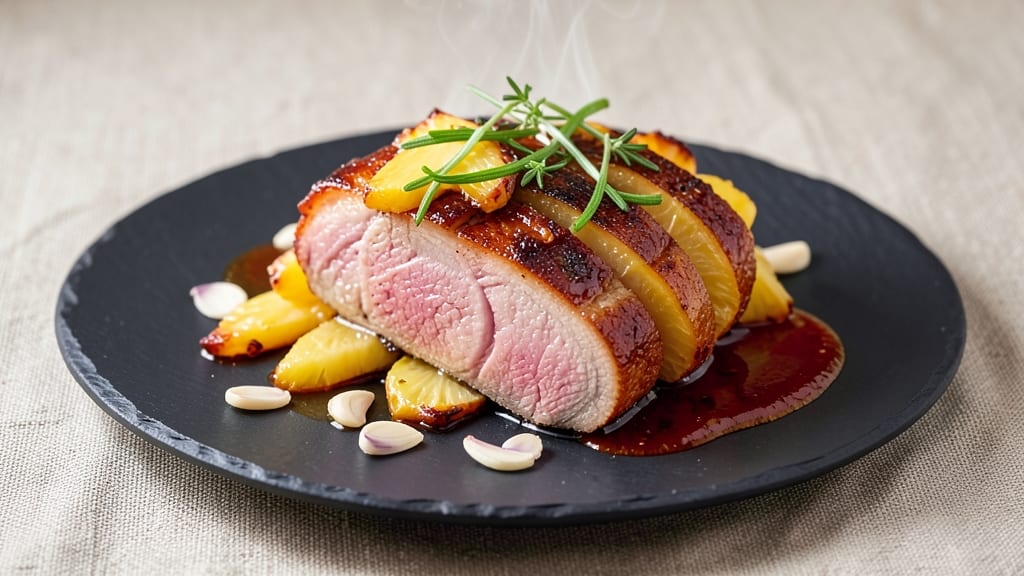
This pineapple stuffed pork tenderloin recipe transforms a simple weeknight dinner into a showstopper—juicy, tender pork wrapped around caramelized pineapple, delivering a perfect balance of tropical sweetness and savory depth. 🌟 I developed this technique after years of perfecting pork preparations, and the secret lies in the marinade's acidity cutting through the pork while the pineapple's natural sugars caramelize during cooking, creating a sticky, flavorful glaze.
The process is straightforward but yields restaurant-quality results: a tender pork center with crisp edges, studded with juicy pineapple chunks that stay sweet without overpowering. The marinade—garlic, ginger, and citrus—prepares the pork perfectly, while the stuffing technique ensures even cooking and maximum flavor infusion.
This dish proves that elegant flavors don't require complicated methods, just precise timing and quality ingredients.
Imagine slicing into golden-brown pork with a center that's moist and flavorful, the pineapple glaze clinging to each bite, offering a sweet contrast to the savory meat. The aroma alone will have guests anticipating dinner, while the presentation—elegant and inviting—makes it perfect for gatherings or special occasions.
Pair with a crisp citrus salad or roasted vegetables to complete the meal.
Whether you're grilling for summer or roasting in winter, this recipe delivers consistent results every time. The key is patience—letting the marinade work its magic and monitoring the internal temperature for perfect doneness. Trust me, once you try this, it'll become a staple in your recipe rotation. Let's get cooking!
Ingredients for pineapple stuffed pork tenderloin
Juicy pork meets tropical sweetness—this showstopper needs just 14 ingredients for restaurant-quality flavor.
| Ingredient | Amount | Notes |
|---|---|---|
| Pork Tenderloin 🥩 | 1 ½ lb | Center-cut, trimmed of fat |
| Fresh Pineapple 🍍 | 1 whole | Cored, peeled, cut into chunks |
| Garlic Cloves 🧄 | 6 cloves | Minced, fresh preferred |
| Fresh Ginger 🌿 | 2 tbsp | Grated, peeled root |
| Orange Juice 🍊 | ½ cup | Freshly squeezed, no pulp |
| Honey 🍯 | 2 tbsp | Wildflower preferred |
| Soy Sauce 🥢 | 2 tbsp | Low-sodium preferred |
| Olive Oil 🫒 | 2 tbsp | Extra-virgin, for brushing |
| Brown Sugar 🍚 | 1 tbsp | Lightly packed |
| Salt 🧂 | 1 ½ tsp | Diamond Crystal kosher salt |
| Black Pepper 🌶️ | ½ tsp | Freshly cracked |
| Fresh Thyme 🌿 | 2 sprigs | Leaves only, for stuffing |
| Balsamic Vinegar 🍷 | 1 tbsp | For finishing glaze |
| Toothpicks 📎 | 4 whole | For securing stuffing |
The pork tenderloin is non-negotiable here—center-cut ensures tenderness, and trimming the fat prevents flare-ups. Costco or your butcher counter will have the best quality, but any grocery store carries it. For the pineapple, fresh is a must—canned won't caramelize right. Look for vibrant yellow flesh with no browning. The marinade's acidity (orange juice, balsamic) tenderizes while the honey and soy sauce create that perfect sweet-savory balance. I always double-check my garlic—six cloves give bold flavor without overpowering.
No fresh ginger? Substitute with 1 tbsp ground ginger, but fresh has that zesty punch. Running short on pineapple? Swap for mango chunks—same tropical vibe. The brown sugar in the glaze is key for caramelization, but white sugar works in a pinch. For extra crisp edges, brush with olive oil right before roasting. The toothpicks might seem silly, but they keep the stuffing secure—no one wants pineapple falling out mid-slice. Pro tip: Toss the pineapple chunks in 1 tsp lime juice before stuffing to prevent browning.
Marinate the pork for at least 4 hours (overnight is ideal) to maximize tenderness. The stuffed tenderloin keeps 3-4 days in the fridge, but reheating dries it out—plan to serve fresh. For make-ahead prep, marinate and stuff the pork, then refrigerate uncovered for 1 hour before cooking to let flavors meld. The glaze thickens as it cools, so reheat gently with a splash of water if needed. Leftovers? Slice thin and serve on toasted brioche for a fancy breakfast—trust me, it's a game-changer.
Why You'll Love This Recipe
- One-Pan Magic: I swear by this recipe when I’m too tired to wash dishes—just roast the pork with pineapple chunks and garlic, and the oven does all the work. The sticky caramelized pineapple glaze pools right on the pan, so cleanup is basically nonexistent.
- Tropical Twist: That bright, tangy orange juice and fresh ginger cut through the richness of the pork like a summer breeze. The pineapple’s sweetness doesn’t overpower; it plays a supporting role that makes every bite feel like a little vacation.
- Weeknight to Dinner Party: I’ve served this to both my exhausted self on a Tuesday and my in-laws for Thanksgiving—same recipe, different vibes. Slice it thin for quick tacos or leave it whole for a showstopper main course. The stuffed center keeps it impressive without the fuss.
- Budget-Friendly Feast: Pork tenderloin is lean and affordable, and pineapple’s natural sweetness means you don’t need extra sauces. A single roast feeds four, and leftovers reheat beautifully—either as sandwiches or fried rice. Honestly, it’s my go-to for stretching groceries without sacrificing flavor.
Step-by-step instructions for pineapple stuffed pork tenderloin
This tropical-stuffed pork tenderloin delivers melt-in-your-mouth tenderness with every bite.
👨🍳 Step 1: Prepare the Pineapple-Ginger Stuffing
In a medium bowl, combine the 1 whole fresh pineapple (cut into chunks), 6 minced garlic cloves, 2 tablespoons grated fresh ginger, ½ cup freshly squeezed orange juice, 2 tablespoons honey, 2 tablespoons soy sauce, 1 tablespoon brown sugar, 1½ teaspoons salt, and ½ teaspoon black pepper. Mix gently but thoroughly—you want the pineapple to stay intact while absorbing all those bright, savory flavors.
Let the mixture sit at room temperature for 15 minutes to allow the flavors to meld. This pre-marinating step ensures the pineapple releases its juices and the ginger mellows slightly, creating a cohesive stuffing that won't fall apart when inserted into the pork. The orange juice acts as a natural tenderizer, while the honey and brown sugar caramelize beautifully during cooking.
🔪 Step 2: Create Slits and Stuff the Pork
Using a sharp boning knife, make 4-5 deep slits (about ½-inch deep) along one side of the 1.5 lb pork tenderloin, being careful not to cut all the way through. This creates pockets for the stuffing while keeping the meat intact. I like to angle the slits slightly so they fan out—this helps the stuffing stay put during cooking.
Spoon the pineapple mixture into the slits, pressing gently to compact it. Use the 4 toothpicks to secure the stuffing in place, inserting them diagonally through the slits and into the meat. This technique prevents the filling from spilling out while roasting. Wrap the stuffed pork loosely with plastic wrap and refrigerate for 30 minutes—this chilling step helps the stuffing firm up slightly and ensures even cooking.
🔥 Step 3: Sear for Maximum Flavor and Crisp
Preheat your oven to 400°F. Heat 2 tablespoons olive oil in a large oven-safe skillet over medium-high heat until shimmering. Remove the pork from the fridge and pat it dry with paper towels—this step is crucial for achieving that perfect crispy exterior.
Sear the pork on all sides for 2-3 minutes per side until golden brown. You'll see the pineapple peeking out through the slits—this is where the magic happens. The caramelization from the searing will deepen as it roasts, creating a beautiful contrast between the crispy exterior and the tender, juicy interior. Don't rush this step; patience here ensures that rich, seared flavor.
🥘 Step 4: Roast to Juicy Perfection
Transfer the skillet to the preheated oven and roast for 20-25 minutes, or until the internal temperature reaches 145°F (measured with a meat thermometer in the thickest part of the pork). The pork is done when it's just barely pink in the center—it will carry over to a perfect medium-rare finish as it rests.
During the last 5 minutes of roasting, sprinkle the 2 sprigs fresh thyme leaves around the pork and drizzle with 1 tablespoon balsamic vinegar. The thyme adds an earthy aroma that complements the tropical flavors, while the balsamic vinegar creates a beautiful glaze that ties everything together. Keep an eye on it—you want the pork to be golden and the pineapple to be tender but still holding its shape.
⏰ Step 5: Rest and Serve with Glazed Elegance
Remove the pork from the oven and transfer it to a cutting board. Tent loosely with foil and let it rest for 10-15 minutes before slicing. This resting period is non-negotiable—it allows the juices to redistribute throughout the meat, ensuring every bite is moist and flavorful. While it rests, spoon any pan juices (now infused with pork and pineapple flavors) over the top.
Slice the pork into ½-inch thick medallions and serve immediately. The contrast of the crispy exterior, tender pork, and sweet-tangy pineapple stuffing is pure perfection. For an extra touch, drizzle any remaining pan juices over the top and garnish with additional thyme leaves. Serve with roasted sweet potatoes or a fresh citrus salad to complement the tropical flavors.
Pro Tips For Making Pineapple Stuffed Pork Tenderloin
- SEAR THE PORK FIRST: Get your cast-iron screaming hot—medium-high, not just warm—and sear the pork tenderloin for 2-3 minutes per side before stuffing. The crust locks in the pineapple juices later, so don’t rush this. (Yes, even if you’re impatient like me.)
- USE CORE PINEAPPLE ONLY: Peel and cut the pineapple after you’ve prepped the pork—don’t prep it first. The core’s dense texture holds up better during cooking, and it won’t turn to mush when the pork roasts. Skip the fibrous outer fruit; it’s just water waiting to make your pork soggy.
- SKEWER THE GINGER-GARLIC PASTE: Mince the ginger and garlic fine, but don’t blend it into a slurry—roll it into a loose paste with a pinch of salt. Thread it onto a skewer through the pork’s center cut before adding pineapple. This keeps the flavors concentrated where they matter most, not floating in the pan.
- REST THE PORK UNDER FOIL: Pull the pork from the oven when it hits 140°F (it’ll climb to 145°F while resting). Tent it loosely with foil for 5-10 minutes—this lets the juices redistribute instead of pooling out. (I learned this the hard way after serving dry slices to guests.)
Creative variations of pineapple stuffed pork tenderloin
Tropical Fusion Twist
Swap the pineapple for mango chunks and add 1 tbsp lime zest to the stuffing for a Southeast Asian-inspired fusion. I once served this at a Thai dinner party—guests couldn't believe the pork was stuffed with mango until they tasted it.
The lime zest brightens the dish while keeping the tropical vibe. 🌶️
Spicy Caribbean Kick
For a bold Caribbean flair, add 1 tbsp Scotch bonnet pepper (seeds removed) to the marinade and stuff the pork with pineapple mixed with diced jalapeños. The heat balances beautifully with the sweetness.
I like to finish with a drizzle of habanero-honey glaze—just mix 1 tbsp honey with ½ tsp habanero paste and brush on during the last 5 minutes of roasting. Trust me, this version gets rave reviews.
Heritage Southern Style
Channel my Georgia roots by wrapping the stuffed pork in thin slices of smoked bacon before roasting. The bacon adds a smoky depth that pairs perfectly with the tropical sweetness. For extra Southern charm, serve with collard greens sautéed with apple cider vinegar and a side of cornbread.
This version feels like a Sunday supper at my grandma's table—just with a modern twist.
Asian-Inspired Glaze
Replace the balsamic glaze with a ginger-soy reduction for an Asian-inspired finish. Simmer ¼ cup soy sauce, 1 tbsp honey, and 1 tsp grated ginger for 3 minutes until thickened.
Brush this over the pork during the last 5 minutes of roasting. The umami-rich glaze elevates the dish to restaurant-quality status. I love pairing this with jasmine rice and steamed bok choy.
Breakfast Reinvention
Turn leftovers into a showstopping breakfast by slicing the pork thin and serving it on toasted brioche with a fried egg on top. Add a drizzle of the pan juices and a sprinkle of crumbled feta** for a sweet-savory bite.
This version became a hit at my Atlanta brunch spot—guests swear it's better than any bacon-wrapped pork they've tried. 💫
Nutrition facts
Frequently asked questions
Can I use canned pineapple instead of fresh?
Fresh pineapple is ideal because it caramelizes beautifully during cooking, but you can use high-quality canned pineapple in a pinch. Drain it well and pat dry with paper towels to remove excess moisture. For best results, add ½ teaspoon lime juice to the stuffing to balance the flavors and prevent browning. The texture won't be as vibrant, but the sweetness will still shine through.
How do I keep the stuffing from falling out while cooking?
Toothpicks are your best friend! Insert them diagonally through the slits and into the meat to secure the stuffing. For extra stability, brush the pork with egg wash (1 egg beaten with 1 tablespoon water) before searing—it acts as a natural glue. Chilling the stuffed pork for 30 minutes before cooking also helps the stuffing firm up slightly.
What's the best way to serve this dish for a dinner party?
Slice the pork into ½-inch medallions and arrange on a platter with the pineapple glaze drizzled over the top. Garnish with fresh thyme leaves and lime wedges for a pop of color. Serve with roasted sweet potatoes or a mango-avocado salad to complement the tropical flavors. For drinks, a rum punch or sparkling citrus spritzer pairs perfectly.
Can I make this recipe ahead of time?
You can prep the stuffing and marinate the pork up to 24 hours ahead, but stuff the pork and refrigerate uncovered for 1 hour before cooking to let flavors meld. For leftovers, store in an airtight container and reheat gently in a skillet with a splash of water to prevent drying. The pork reheats best when sliced thin and served on toasted brioche for breakfast the next day.
Why does my pork turn out dry?
Overcooking is the most common mistake. Use a meat thermometer and remove the pork when it reaches 145°F—it will carry over to 150°F while resting. Avoid cutting into it too soon; let it rest for 10-15 minutes before slicing. If reheating leftovers, keep the heat low and add a splash of water or broth to keep it moist.