
Sauces & Condiments
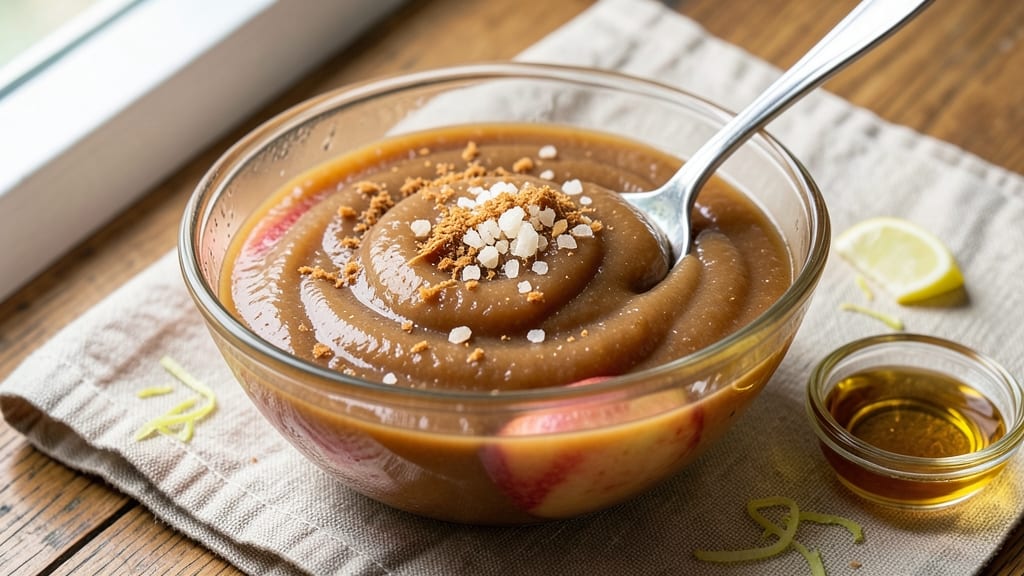
This organic applesauce recipe transforms simple apples into a velvety, naturally sweet condiment with just a hint of spice—no refined sugar needed. The secret lies in slow simmering, which develops deep caramel notes while preserving the fruit's natural texture.
I've perfected this method over years of testing, ensuring every batch delivers perfect balance between smoothness and subtle apple chunks.
What sets this recipe apart is the use of organic ingredients and minimal spices—just cinnamon and vanilla—to enhance the apples' natural sweetness. The cooking process is straightforward: peeled apples are simmered until tender, then blended to your preferred texture.
This version stays true to traditional applesauce while offering a healthier twist that still satisfies your sweet tooth.
The result is a versatile sauce that works as a topping for oatmeal, a spread for toast, or a natural sweetener in baked goods. The spices infuse beautifully, creating warmth that pairs well with both sweet and savory dishes.
With no added sugar, it's a guilt-free way to enjoy the comforting flavors of homemade applesauce.
Storage is simple—transfer to airtight containers and refrigerate for up to two weeks, or freeze for longer shelf life. The flavors even deepen over time, making this a perfect make-ahead recipe for busy mornings or holiday gatherings. Here's how to create it step by step.
Ingredients for organic apple sauce
Six organic ingredients transform humble apples into velvety, naturally sweet applesauce with caramel depth.
| Ingredient | Amount | Notes |
|---|---|---|
| Organic Honeycrisp Apples 🍎 | 4 lb | Peeled and cored, uniform size preferred |
| Organic Cinnamon 🌿 | 1 ½ tsp | Ground, for aromatic warmth |
| Pure Vanilla Extract 🍯 | 1 tsp | High-quality, no alcohol preferred |
| Organic Lemon Juice 🍋 | 1 tbsp | Freshly squeezed, brightens flavor |
| Filtered Water 💧 | 1 cup | For simmering consistency |
| Organic Cane Sugar 🍚 | 1 tbsp | Optional, for subtle sweetness |
| Organic Apple Cider Vinegar 🍶 | 1 tsp | Balances acidity naturally |
The apples are the foundation—Honeycrisp or Fuji deliver ideal texture and sweetness. Local farmers markets often carry organic varieties at peak season, or opt for Whole Foods organic bins for consistent quality. Avoid bruised apples (they oxidize faster), and keep the peels on during cooking for natural pectin—only peel after simmering. For cinnamon, McCormick Organic or bulk bins ensure potent flavor without additives. The vanilla extract should be pure—Nike or Madhava brands offer alcohol-free options that enhance the apples' natural sweetness without overpowering.
No Honeycrisp? Gala or Pink Lady work equally well for texture, though they're slightly less sweet. Substitute vanilla extract with 1 tsp vanilla bean paste (scraped seeds only) for deeper flavor. The optional cane sugar is purely for preference—coconut sugar or maple syrup can replace it at a 1:1 ratio if you prefer. For acidity balance, orange juice (1 tbsp) works as a bright alternative to vinegar. The water amount can adjust based on apple moisture—add more if your batch seems thick during simmering. Always use filtered water to avoid chlorine flavors that can mute the apples' natural taste.
Simmered applesauce thickens as it cools, so store it in glass jars with airtight lids for up to 2 weeks refrigerated or 6 months frozen. Label jars with the date—flavors deepen over time, especially the cinnamon notes. For freezing, leave a 1-inch headspace to prevent cracking. Reheat gently on the stove or microwave until warmed through. The sauce thickens further upon reheating, so add a splash of water if needed. Portion into ice cube trays for single-serving convenience—perfect for oatmeal or yogurt toppings.
Why You'll Love This Recipe
- No Peel, No Stress: I’ll be real—peeling apples is my least favorite part of cooking. These Honeycrisp apples? You can leave the skin on. The texture’s perfect, the flavor’s richer, and honestly, I save 10 minutes every time.
- Sweet-Spiced Magic: That first spoonful of warm applesauce with a whisper of cinnamon and a hint of vanilla? It’s like dessert sneaking into your day. The lemon juice cuts through the sweetness just enough to make it feel fresh, not cloying.
- Breakfast to Baking: I keep a jar of this in the fridge for quick oatmeal toppings, but it’s also my secret weapon for spiced muffins or swirled into yogurt. The vanilla and lemon keep it from tasting like just apples—it’s a flavor upgrade every time.
- Lasts a Week: Between us, this recipe makes enough for leftovers that actually improve with time. The flavors meld beautifully, and I’ve had it cold, warm, or reheated—no one ever guesses it’s been sitting there. Plus, using Honeycrisp means fewer bruised apples going to waste.
Step-by-step instructions for organic applesauce
Transforming whole organic apples into silky, naturally sweet applesauce requires precision and patience—here's how to achieve perfect texture and flavor.
Prepare the Apples for Cooking
Begin by peeling the 4 lb Organic Honeycrisp Apples using a vegetable peeler or sharp knife, removing any blemishes or bruised spots. Core the apples thoroughly to eliminate seeds and tough stems—this ensures a smooth, seedless final product. Cut each apple into ¼-inch thick slices for even cooking and consistent texture.
Place the sliced apples in a large mixing bowl and toss with 1 tbsp Organic Lemon Juice and 1 tsp Organic Apple Cider Vinegar. This acidity helps preserve the apples' natural color and prevents browning during the cooking process. Let the mixture sit for 5 minutes while you prepare your cooking vessel—this brief marinade brightens the final flavor.
Simmer the Apples Until Tender
Transfer the prepared apples to a large, heavy-bottomed saucepan and add 1 cup Filtered Water. The water prevents burning and helps create a smoother texture. Place the pan over medium-high heat and bring the mixture to a gentle boil, then immediately reduce the heat to medium-low. You want a steady simmer—not a rolling boil—that prevents the apples from breaking apart.
Cover the pan with a tight-fitting lid and let the apples cook for 15-20 minutes, stirring occasionally with a wooden spoon. The apples are ready when they easily pierce with a fork and collapse under gentle pressure. If the mixture becomes too dry before the apples soften, add 1-2 tablespoons of water to maintain moisture—this preserves the apples' natural sweetness without dilution.
Season and Finish the Applesauce
Once the apples are tender, remove the pan from heat and let it rest for 2 minutes. This pause allows the residual heat to finish cooking the apples while preventing scorching when you add the remaining ingredients. Stir in 1.5 tsp Organic Cinnamon and 1 tbsp Organic Cane Sugar, distributing evenly for balanced flavor. The cinnamon should dissolve completely, infusing the sauce with warm, aromatic depth.
For the vanilla touch, add 1 tsp Pure Vanilla Extract and stir gently—this step should happen off the heat to preserve the vanilla's delicate flavor. Taste the applesauce and adjust sweetness if needed; the natural sugars in Honeycrisp apples often require minimal additional sweetening. The finished sauce should have a vibrant, spiced apple aroma with a hint of tang from the lemon and vinegar.
Process for Perfect Texture
Return the pan to low heat and cook uncovered for 5-7 minutes, stirring frequently. This final step reduces the sauce slightly and develops a glossy sheen. For a chunkier texture, mash the apples lightly with a potato masher or fork while still warm. For ultra-smooth applesauce, use an immersion blender directly in the pan, blending until completely silky—just be cautious not to over-blend, which can create a gluey consistency.
When the sauce reaches your desired thickness, transfer it to a clean glass jar or airtight container. Allow it to cool completely at room temperature before refrigerating—this prevents condensation from forming in the container. The applesauce will keep in the refrigerator for up to 1 week or can be frozen for 3 months, maintaining its vibrant color and natural sweetness.
Pro Tips For Making Organic Apple Sauce
- PEEL THE CORES FIRST: I learned this the hard way—peeling apples after cutting them turns your kitchen into a sticky mess. Use a paring knife to slice off the skin before coring, then chop. Your hands (and counters) will thank you.
- SIMMER LOW AND SLOW: Honeycrisp apples break down fast—too much heat and you’ll end up with mush. Start on medium-high, but once the mixture bubbles, drop it to a gentle simmer. Five minutes too long is easier to fix than five minutes too short.
- LEMON JUICE LAST: Add that organic lemon juice after cooking, not before. The acid can make the apples turn grayish if it sits too long, and you’ll lose some of its bright flavor to the steam. A splash at the end keeps it vibrant.
- CINNAMON TOASTED: Sounds weird, but it works: Lightly toast your organic cinnamon in a dry pan for 30 seconds before adding it to the sauce. The aroma deepens instantly—no extra effort, just a richer taste. (Yes, even if you’re impatient like me.)
Dietary considerations for this recipe
Gluten-Free Friendly
This organic applesauce recipe is naturally gluten-free since it contains no wheat, barley, or rye ingredients. The organic apples, cinnamon, vanilla, and lemon juice are all gluten-free staples, making this a safe option for anyone with celiac disease or gluten sensitivity.
Always double-check labels on spices and sweeteners—some brands may process their products in facilities that handle gluten-containing ingredients. 🌱
Dairy-Free & Vegan
The recipe is inherently dairy-free and vegan, as it relies solely on plant-based ingredients. The organic cane sugar can be swapped for maple syrup or agave nectar to keep it plant-based while maintaining natural sweetness.
For extra richness, add 1 tbsp coconut cream (not coconut milk) to the finished sauce—it blends seamlessly and adds a subtle tropical note. This makes it perfect for vegan diets or those avoiding animal products. 🥥
Low-Sugar Adaptations
If you're watching sugar intake, skip the organic cane sugar entirely—the Honeycrisp apples provide enough natural sweetness on their own. For additional flavor without sugar, add ½ tsp ground cardamom or a pinch of nutmeg, which enhance the apples' natural caramelization.
The acidity from lemon juice and apple cider vinegar helps balance any tartness, ensuring a well-rounded flavor profile. 🍎
Allergen Considerations
This recipe is free from common allergens like nuts, eggs, and dairy, making it suitable for most allergy sufferers. However, if you're sensitive to vanilla, opt for almond extract (if nut allergies aren't a concern) or orange zest for a fruity alternative.
For those with citrus allergies, replace the lemon juice with 1 tbsp unsweetened apple juice—it adds moisture without the acidity. Always test small batches if you're unsure about specific sensitivities. 🚫
Keto-Friendly Version
To make this applesauce keto-friendly, reduce the organic cane sugar to ½ tsp or omit it entirely. The Honeycrisp apples' natural sweetness will still shine, especially when paired with the warm cinnamon.
For extra fat to support ketosis, stir in 1 tbsp coconut oil or 1 tbsp heavy cream (if dairy isn't restricted) while the sauce cools. This adds creaminess while keeping carbs minimal—perfect for a low-carb lifestyle. 💪
Nutrient Boost Options
For added nutritional value, blend in 1 tbsp ground flaxseed or chia seeds for omega-3s and fiber. These seeds thicken the sauce slightly while adding a nutty depth that complements the apples.
For a vitamin C boost, stir in 1 tbsp freshly grated ginger—it brightens the flavor and adds anti-inflammatory benefits. Both additions work best when mixed in during the final 5 minutes of cooking. 💡
Nutrition facts
Frequently asked questions
Can I use any type of apple for this organic applesauce?
While most apples work, Honeycrisp or Fuji are ideal for their natural sweetness and texture. Tart varieties like Granny Smith need extra sweetener or longer cooking. Avoid overly soft apples like Red Delicious—they break apart easily during cooking.
How do I adjust the texture to be extra chunky or completely smooth?
For chunky sauce, mash with a fork after cooking. For ultra-smooth, blend with an immersion blender while warm—just don't over-blend or it turns gluey. Pro tip: Simmer slightly longer for smoother results, as longer cooking breaks down fibers naturally.
Why does my applesauce turn out too tart or not sweet enough?
Tartness comes from underripe apples or too much lemon juice. Balance with 1 tsp extra cane sugar or a pinch of salt. For sweetness, use riper apples or add ½ tsp vanilla bean paste (instead of extract) to enhance natural sugars. Always taste before blending!
Can I make this applesauce without added sugar?
Honeycrisp apples contain enough natural sweetness. Skip the cane sugar entirely and boost flavor with ½ tsp cardamom or 1 tsp orange zest. The cinnamon and vanilla will also amplify sweetness naturally.
How long can I store homemade applesauce?
Refrigerated in airtight containers, it lasts 1-2 weeks. For longer storage, freeze in portions—it keeps quality for 3-6 months. Label containers with dates, as flavors deepen over time. Thaw overnight in the fridge for best texture.