
Sauces & Condiments
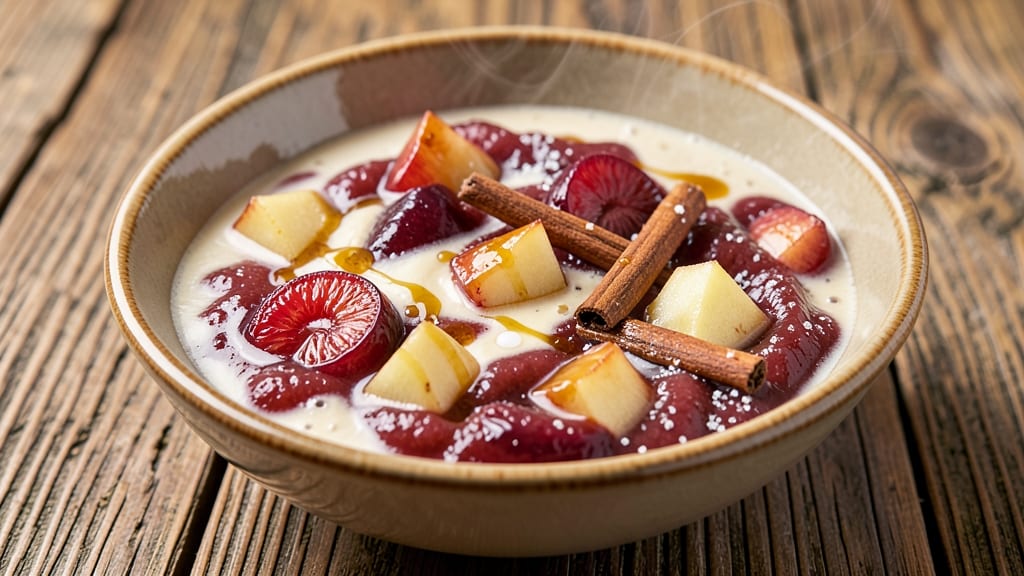
This grape apple sauce recipe transforms simple fruit into a versatile, spiced simmer that bridges sweet and savory dishes with effortless elegance.
The combination of tart apples and sweet grapes creates a balanced, aromatic sauce perfect for drizzling over yogurt, pairing with cheese boards, or using as a glaze for roasted meats.
I developed this after realizing how much more dynamic homemade sauces are compared to store-bought versions—every batch tastes fresher and more complex.
The process is straightforward: simmer grapes and apples with cinnamon and vanilla until tender, then blend until smooth. Optional straining creates a silky texture ideal for drizzling, while keeping seeds adds subtle texture for dips. Honey or sugar balances acidity, while spices deepen flavor without overpowering.
What makes this sauce special is its adaptability—use it as a dessert topping, a marinade for pork tenderloin, or a tangy dip for fresh bread.
What you’ll end up with is a rich, fragrant sauce that’s sweet enough for desserts but versatile enough for savory applications. The natural fruit sweetness shines through while spices add warmth, creating a profile that’s both familiar and exciting.
Best of all, it keeps well in the refrigerator for up to two weeks, making it a perfect make-ahead condiment for entertaining or meal prep.
Whether you’re looking to elevate a simple dessert or add depth to a savory dish, this grape apple sauce delivers restaurant-quality flavor with minimal effort. Let’s get started—your taste buds (and leftovers) will thank you.
Ingredients for grape apple sauce
Eight ingredients transform humble fruit into a restaurant-worthy sauce with bold spice and natural sweetness.
| Ingredient | Amount | Notes |
|---|---|---|
| Red Seedless Grapes 🍇 | 1 ½ lbs | Fresh, firm, and ripe |
| Honeycrisp Apples 🍎 | 3 medium | Peeled and cored |
| Cinnamon Sticks 🌿 | 2 whole | For aromatic depth |
| Pure Vanilla Extract 🍯 | 1 tsp | High-quality, pure vanilla |
| Raw Honey 🍯 | ¼ cup | Local preferred for flavor |
| Granulated Sugar 🍚 | ¼ cup | Balances tartness |
| Ground Cinnamon 🌶️ | 1 tsp | Freshly ground for warmth |
| Ground Ginger 🌿 | ½ tsp | Freshly grated preferred |
| Extra-Virgin Olive Oil 🫒 | 1 tbsp | For finishing drizzle |
| Lemon Juice 🍋 | 1 tbsp | Freshly squeezed |
The grapes and apples are the heart of this sauce—Honeycrisp apples deliver that perfect tart-sweet balance, while red seedless grapes add juicy depth. Grab organic produce from Whole Foods or your local farmers' market for the brightest flavor (the difference is noticeable!). If you can't find Honeycrisp, Gala or Fuji work beautifully too. For the cinnamon sticks, Penzeys carries the best quality—look for whole sticks rather than ground powder for that authentic aroma. The vanilla extract should be pure, not imitation—McCormick or Lake Champlain are solid choices if you're not using a homemade version.
No honey? Maple syrup or agave nectar work perfectly—just reduce the amount slightly since they're sweeter. Running low on vanilla? Vanilla bean paste is a great alternative, or even a teaspoon of vanilla sugar in a pinch. The sugar can be swapped for coconut sugar if you're avoiding refined sweeteners. For the ginger, freshly grated is ideal, but ground ginger at half the amount works if you're short on time. The lemon juice brightens everything—freshly squeezed is best, but bottled works if you're in a hurry. Want extra richness? Add 1 tablespoon of almond butter when blending—it adds a lovely creaminess.
This sauce keeps beautifully—up to 2 weeks in an airtight jar in the fridge. For longer storage, freeze in ice cube trays and transfer to a bag—perfect for single servings. The flavors actually deepen overnight, so make extra if you can. I always double the batch—one for immediate use, one to stash for future cheese boards or pork roasts. If you strain it, you'll have fruit-infused olive oil as a bonus (just save the pulp and steep it in olive oil for 10 minutes).
Why You'll Love This Recipe
- No-Cook Magic: I swear, this sauce comes together with zero fuss—just chop, simmer, and stir. The grapes and Honeycrisp apples soften in minutes, and the cinnamon sticks infuse that warm, spiced aroma without any extra work.
- Sweet-Savory Balance: That first bite of crisp apple and juicy grapes, then the deep honeyed warmth? It’s like autumn in a bowl. The vanilla extract ties it all together—rich but not overpowering, with just enough bite to keep it interesting.
- Weeknight & Holiday Star: Slather it on toast with yogurt for a quick breakfast, drizzle it over pancakes, or serve it chilled with cheese boards. Honestly, it’s my go-to for lazy mornings and when I need to impress guests—no one ever guesses how effortless it is.
- Leftovers That Last: The sauce thickens beautifully when refrigerated, making it perfect for batch prep. I’ve had it for days—some mornings I reheat it for oatmeal, other times I just eat it cold straight from the jar. Five ingredients, endless uses.
Step-by-step instructions for grape apple sauce
Transform simple fruit into a fragrant, versatile spread with this spiced simmer technique.
Prepare the Fruit Base
Start by washing the 1.5 lbs red seedless grapes thoroughly under cool water, then remove stems and discard. Cut each grape in half to expose the juicy flesh. Peel and core the 3 medium Honeycrisp apples, then cut them into ½-inch chunks—this size ensures even cooking without turning to mush.
Transfer everything to a large saucepan and add the 2 whole cinnamon sticks. The cinnamon will infuse the fruit with warm, aromatic depth as it simmers. Gently stir to combine, making sure the fruit is evenly distributed in the pan. Here's the thing—don't overcrowd the pan if using a small one. Cooking in batches prevents steaming instead of simmering, which leads to a watery sauce.
Simmer Until Soft and Fragrant
Place the saucepan over medium-high heat and bring the fruit to a gentle boil. Once boiling, reduce the heat to medium-low and let it simmer uncovered for 15-20 minutes. You're looking for the fruit to break down until it's fork-tender but still holds some texture—think of it like applesauce consistency.
I like to stir occasionally, but not constantly. Every few minutes, give it a gentle stir to prevent sticking, and check for doneness by pressing a chunk between your fingers. When it yields slightly but still has a bit of bite, it's ready. The aroma should be rich with cinnamon and sweet apple notes—this is when you know the flavors are melding beautifully.
Sweeten and Spice to Perfection
Once the fruit is tender, remove the cinnamon sticks and discard them. Add the 0.25 cup raw honey, 0.25 cup granulated sugar, 1 tsp ground cinnamon, and 0.5 tsp ground ginger to the pan. Stir well to distribute the sweetness and spices evenly throughout the fruit.
Return the pan to medium heat and let it simmer for another 5-7 minutes, stirring occasionally. Taste the sauce and adjust the sweetness if needed—you might want to add a bit more honey if your fruit was particularly tart. The sauce should be balanced between sweet and tangy, with warm spices that make your mouth water. This is the moment that matters: the flavors should sing together, not compete.
Finish with Brightness and Texture
Remove the pan from heat and stir in the 1 tsp pure vanilla extract and 1 tbsp lemon juice. The vanilla adds a luxurious depth, while the lemon juice brightens the flavors and cuts through the sweetness. Let the mixture cool for 5 minutes—this allows the flavors to fully meld and the sauce to thicken slightly.
For a silky texture, use an immersion blender to purée the sauce until smooth. If you prefer a rustic texture, simply mash it with a potato masher. Finish with a drizzle of 1 tbsp extra-virgin olive oil—this adds richness and helps the sauce cling beautifully to toast, pancakes, or meats. The oil also prevents the sauce from drying out if stored for a few days.
Serve or Store with Confidence
Let the sauce cool completely before transferring it to an airtight container. It will thicken as it cools, so you might want to stir it gently before serving. This versatile spread pairs beautifully with cheese boards, yogurt parfaits, or even as a glaze for roasted meats. For best results, store it in the refrigerator for up to 5 days or freeze it for up to 3 months.
Real talk: this sauce is even better the next day as the flavors deepen. The spices mellow out slightly, and the sweetness becomes more balanced. Don't skip the resting time—it makes all the difference in the final texture and taste. Enjoy your homemade grape apple sauce, a true crowd-pleaser that's far superior to anything store-bought!
Pro Tips For Making Grape Apple Sauce
- Peel Apples First: Honeycrisp apples have thick skins that stay stubbornly intact during cooking—even when you think they’re soft. Peel them before chopping, or you’ll end up with a sauce that tastes like you’re chewing on apple leather. (Yes, I’ve done it. No, it’s not fun.)
- Simmer Low and Slow: After the initial boil, drop the heat to a gentle simmer—think tiny bubbles, not a rolling pot. High heat turns grapes into mush and burns the honey’s delicate flavor. I used to rush this, and the sauce always tasted flat until I learned to be patient.
- Toast Cinnamon Sticks: Warm the cinnamon sticks in the pot for 30 seconds before adding liquids—just until they smell like a spice cabinet. This releases their aroma without bitterness. Skip this, and you’re just stirring sticks that could be wallpaper.
- Strain for Smoothness: Puree the cooked grapes and apples, then strain through a fine-mesh sieve to remove skins and seeds. This isn’t about perfection; it’s about avoiding a gritty texture that’ll make your sauce taste like you used raisins instead of grapes. (Trust me, you’ll notice.)
Make-ahead tips for this dish
Batch Prep Strategy
Double the recipe and store half in the fridge while using the other half immediately. This sauce keeps beautifully for 2 weeks in an airtight glass jar, and the flavors actually deepen overnight.
I always make 4 cups so I have extra for cheese boards or pork roasts later in the week. The key is using quart-sized mason jars—they're perfect for portion control and easy to grab when you need a quick topping. 💡
Freezing for Long-Term Use
Freeze individual portions in ice cube trays for single-serving convenience. Once frozen, transfer the cubes to a ziplock freezer bag and flatten to save space. This method works perfectly for thawing just what you need—great for overnight guests or last-minute desserts.
The sauce maintains its texture well when thawed slowly in the fridge. Label your bags with the date to track freshness—it stays good for 3 months.
Strain for Silky Texture
For a restaurant-quality drizzle, strain the sauce through a fine-mesh sieve after simmering. Save the pulp to infuse with extra-virgin olive oil—simply mix equal parts pulp and oil, then let it steep for 10 minutes before straining again.
This creates a luxurious finishing oil that adds depth to any dish. I use this technique when serving the sauce with seared scallops or as a glaze for roasted pork belly. ✨
Reviving Thickened Sauce
If your sauce thickens too much after refrigeration, simply stir in 1-2 tablespoons of warm water or apple cider to loosen it up. For extra richness, add a splash of heavy cream or Greek yogurt—this works beautifully when serving with warm pancakes or oatmeal.
The sauce should be spreadable but still hold its shape when drizzled. Always give it a gentle stir before serving to restore its velvety consistency.
Versatile Portioning
Divide the sauce into 4-ounce portions for easy serving. Store these in small ramikins or mini mason jars—perfect for individual servings with yogurt parfaits or as a topping for cheesecake slices.
I keep these ready-to-go in my fridge so I can quickly assemble dessert platters. The smaller portions also help prevent waste, as you're only using what you need for each serving. 🍽️
Flavor Boost After Storage
If your sauce tastes slightly flat after refrigeration, revive it with a pinch of ground cinnamon or a drop of vanilla extract. The spices help reawaken the flavors, making it taste almost as fresh as the day you made it.
For an extra boost, warm the sauce gently on the stove for 2-3 minutes—this intensifies the aromatic notes. I often do this before using it as a glaze for roasted meats or drizzling over vanilla ice cream. The warmth brings back that homemade magic. 💫
Nutrition facts
Frequently asked questions
Can I use frozen grapes instead of fresh?
Yes, but thaw them completely first to maintain the right texture. Frozen grapes work well, but they'll release more liquid during cooking, so you may need to simmer slightly longer (25-30 minutes) to achieve the same thickness. Drain any excess liquid before adding spices to prevent a watery sauce.
How do I adjust the sweetness for tart apples?
If your apples are extra tart, increase the honey to ⅓ cup total and reduce sugar to ¼ cup. For balance, add ½ tsp lemon juice to brighten flavors. Taste as you go—simmering longer with the spices will mellow the tartness naturally.
What are the best ways to use this sauce?
This versatile sauce works as a dessert drizzle (yogurt, ice cream), savory glaze (pork, chicken), or cheese board dip. For extra richness, warm it gently with a splash of cream when using on savory dishes. The spices make it perfect for holiday entertaining too!
Why did my sauce turn out too thick?
This happens when simmered too long or refrigerated. Thin with 1 tbsp warm water or apple cider while stirring. For extra creaminess, whisk in 1 tsp Greek yogurt. Always stir before serving to restore smooth texture.
Can I make this without added sugar?
Use ½ cup honey or maple syrup instead of both sweeteners. Ripe, sweet grapes will help balance tartness naturally. You may need to simmer slightly longer to concentrate flavors. Taste before finishing to adjust.