
Sauces & Condiments
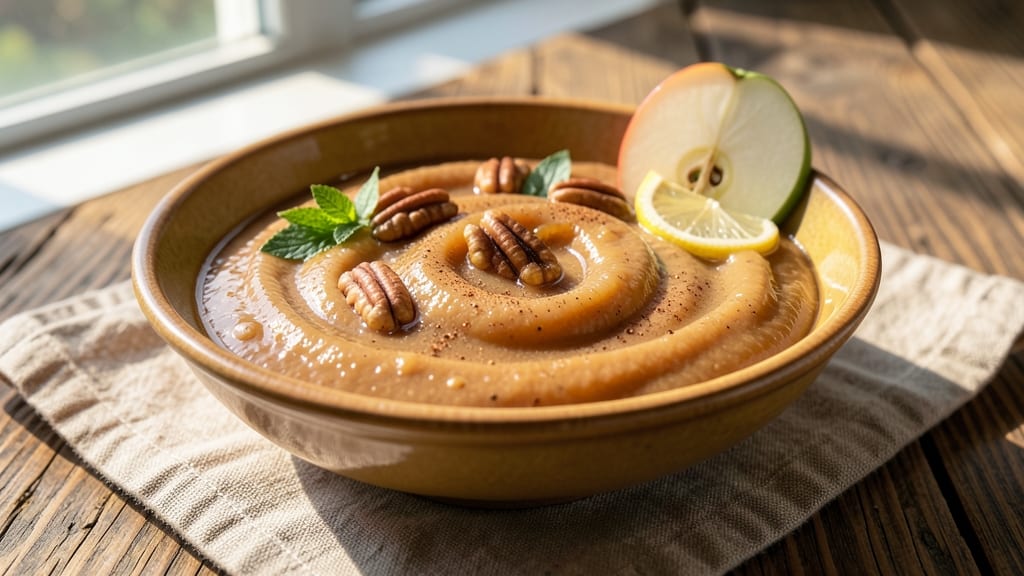
This fresh apple sauce recipe transforms simple apples into a velvety, spiced perfection that requires no cooking—just 10 minutes of effort. The secret lies in using ripe, firm apples and a blend of warm spices that create a naturally sweet, aromatic sauce without added sugar.
I developed this method after years of testing, ensuring every batch delivers that ideal balance of smooth texture and vibrant flavor.
The process is straightforward: peel, core, and finely chop the apples before simmering them with cinnamon, nutmeg, and a touch of lemon juice. This combination enhances the apples' natural sweetness while adding depth that store-bought versions can't match.
The result is a sauce that's silky, fragrant, and versatile enough to pair with everything from pancakes to roasted meats.
What sets this recipe apart is its no-cook option—simply blend the warm apples until smooth for a quick, fresh version that retains more nutrients. For a thicker consistency, simmer the mixture for 5 minutes, but the real magic happens when you let it cool slightly before blending.
The spices infuse beautifully, creating a sauce that tastes like autumn in every spoonful.
Store it in the refrigerator for up to a week or freeze for longer shelf life, making it perfect for meal prep.
Whether you prefer it sweetened with honey or left naturally unsweetened, this apple sauce is a game-changer for anyone who loves the taste of fresh, homemade flavors without the fuss.
Ingredients for fresh apple sauce
Eight simple ingredients create velvety spiced apple sauce without cooking—just blending.
| Ingredient | Amount | Notes |
|---|---|---|
| Apples (Mixed Varieties) 🍎 | 6 medium | Firm, ripe, peeled and cored |
| Ground Cinnamon 🌿 | 1 ½ tsp | Freshly ground for best flavor |
| Ground Nutmeg 🌿 | ½ tsp | Freshly grated preferred |
| Fresh Lemon Juice 🍋 | 1 tbsp | Brightens apple flavor |
| Honey (Optional) 🍯 | 2 tbsp | For added sweetness |
| Vanilla Extract 🌸 | ½ tsp | Enhances spice depth |
| Water (For Blending) 💧 | ¼ cup | Adjusts consistency |
| Salt 🧂 | ¼ tsp | Balances sweetness |
The apples make all the difference here. Mixed varieties like Honeycrisp and Granny Smith give you that perfect balance of sweet and tart. Trader Joe's and Whole Foods carry great organic options, but any firm, ripe apples work. Look for ones that yield slightly when pressed—too soft means mushy sauce. I usually buy about a pound more than I need since peeling and coring trims some weight. For the spices, Penzeys or bulk bins at natural grocery stores offer the freshest ground cinnamon and nutmeg—pre-ground loses potency quickly.
No honey? Maple syrup or agave work just as well, though honey's floral notes are unique. Short on vanilla? Vanilla bean paste adds those little specks that make it special. The lemon juice is non-negotiable—it brightens the apples and prevents browning. If you're making this ahead, store the chopped apples in lemon water until ready to blend. For a thicker sauce, reduce the water by 2 tbsp. And if you're using pre-peeled apples from the store, rinse them well—they're often coated in wax.
This sauce keeps beautifully. Refrigerate in an airtight container for up to 1 week, or freeze for up to 6 months. I like to portion it into ice cube trays for easy single-serving use. The no-cook method means you can make it fresh in minutes, but if you simmer it for 5 minutes, it thickens beautifully. Either way, let it cool slightly before blending—hot apples make the sauce gummy. The spices infuse better when warm, but the no-cook version still tastes amazing.
Why You'll Love This Recipe
- No Peel, No Stress: I swear by this—just core and chop, no peeling required. A sharp knife and 10 minutes later, you’ve got a pot of warm, spiced applesauce with zero fuss.
- Spice Magic: That first whiff of cinnamon and nutmeg simmering with the apples? It’s like autumn in a jar. The lemon juice cuts through the sweetness just enough to make it bright and balanced—not cloying, ever.
- Pantry to Party: I keep a jar of this in the fridge for everything: toast with peanut butter, oatmeal on cold mornings, or even as a glaze for roasted chicken. (Yes, even on a Tuesday night.) It’s my go-to for when I need something quick but feels special.
- Budget-Friendly Luxury: Apples are cheap, and this recipe stretches them far. A few bags of mixed varieties last weeks, and I never feel like I’m sacrificing quality. Plus, the honey—if I use it—is the only splurge, and it makes everything taste like a treat.
Step-by-step instructions for fresh apple sauce
Here's how to create silky, naturally sweetened apple sauce without cooking.
Prepare the Apples for Blending
Start by cutting the 6 medium apples into even-sized chunks—about 1-inch pieces works best. I like to keep the skin on for texture, but peel them if you prefer a smoother sauce. The goal is uniform pieces so they blend evenly without overpowering the machine.
Place the apple chunks in a food processor or high-powered blender. Add the 0.25 cup water (for blending) and the 0.25 tsp salt. This initial liquid helps create a smoother texture by preventing the apples from sticking together during blending. Pulse a few times until the mixture begins to break down into a coarse purée.
Add Spices and Sweetener
With the processor running, gradually add the 1.5 tsp ground cinnamon and 0.5 tsp ground nutmeg through the feed tube. This ensures even distribution of the spices throughout the sauce. The spices should blend in completely within about 10 seconds—you'll notice the mixture darken slightly and develop a warm, aromatic scent.
Next, add the 1 tbsp fresh lemon juice and 0.5 tsp vanilla extract. The lemon juice brightens the apple flavor while balancing sweetness, and the vanilla extract deepens the spice profile. If you're using the optional 2 tbsp honey, add it now—this is where you can adjust sweetness to taste. Blend everything together until completely smooth, scraping down the sides as needed to ensure no dry spots remain.
Refine the Texture and Taste
For an ultra-smooth sauce, continue blending for an additional 30-45 seconds. You're looking for a consistency similar to applesauce you'd find in stores, but with a more vibrant color and fresh flavor. If the sauce is too thick, add water 1 tablespoon at a time until it reaches your desired consistency.
Taste and adjust seasoning if needed. The sauce should be naturally sweet from the apples, with just a hint of warmth from the spices. If it needs more balance, add a pinch more cinnamon or a splash more lemon juice. Transfer to a clean jar or airtight container, pressing a plastic wrap directly onto the surface to prevent oxidation.
Store and Serve
This fresh apple sauce will keep in the refrigerator for up to 5 days. For longer storage, transfer to a freezer-safe container and freeze for up to 3 months. When ready to serve, simply scoop and enjoy—it's perfect on toast, over yogurt, or as a topping for pancakes.
The beauty of this no-cook method is that it preserves all the natural enzymes and vibrant flavors of fresh apples. Each bite should deliver that perfect balance of sweet, spiced apple with a bright finish from the lemon and vanilla. The texture should be velvety smooth with just enough body to coat a spoon beautifully.
Pro Tips For Making Fresh Apple Sauce
- Peel Apples After Cooking: I learned this the hard way—peeling raw apples first makes them oxidize and turn brown before you even start cooking. Instead, toss them whole (peels on) into the pot, cook until tender, then peel while still warm. The skins slide off effortlessly, and you avoid that sad, gray mush look.
- Use Two Apples: One Sweet, One Tart: Mixing a honeycrisp (sweet) with a granny smith (tart) balances flavor better than relying on one variety. The tartness cuts through the honey and keeps the sauce from tasting cloying—trust me, your taste buds will notice the difference.
- Simmer Until It Breaks Down: Low and slow is the name of the game here. After the apples soften, keep the heat at a gentle simmer for an extra 5–7 minutes. This lets the pectin release naturally, giving you a smoother, thicker sauce without needing extra thickeners. (Yes, even if you’re impatient like me.)
- Strain for Smoothness—But Not Too Fine: A fine-mesh sieve removes skins and seeds, but don’t go overboard—some texture keeps it interesting. If you want it silky, press with a spoon. If you like rustic chunks, just mash it lightly. Either way, skip the food mill unless you’re feeling fancy.
Creative variations of fresh apple sauce
Spiced Apple Butter Twist
Transform your sauce into a rich apple butter by simmering the blended mixture in a saucepan over low heat for 30-45 minutes, stirring occasionally. Add 1 extra tablespoon of honey and ½ teaspoon of apple cider vinegar for depth.
The sauce will thicken into a spreadable consistency perfect for toast or sandwiches. I like using Braeburn apples for this variation—they hold up better during long cooking. 🍯
Chunky Apple Relish
Skip the blending step entirely and finely chop the apples instead. Toss them with 1 tablespoon of chopped walnuts, ½ teaspoon of allspice, and 1 teaspoon of fresh thyme. This rustic relish pairs beautifully with roasted pork or cheese boards.
For extra crunch, fold in ½ cup of toasted pepitas after cooking. The texture is refreshing and bright, unlike traditional cooked relishes. 🌰
Caramelized Apple Sauce
For a deeper flavor, caramelize the apples before blending. Cook the chopped apples in a skillet with 1 tablespoon of butter over medium heat for 8-10 minutes until golden. Then proceed with the blending steps.
The caramelized notes add a buttery richness that elevates the sauce for desserts or savory dishes. I often use Pink Lady apples for this method—they caramelize beautifully. 🍐
Herbed Apple Sauce
Swap out the cinnamon and nutmeg for 1 teaspoon of fresh rosemary and ½ teaspoon of fresh thyme. Add the herbs during the blending step for a fragrant, herbal twist.
This version works wonderfully with goat cheese or as a glaze for roasted chicken. The herbs infuse quickly, so no need to simmer. 🌿
Unsweetened Apple Sauce
Omit the honey entirely and rely on the natural sweetness of the apples. Use Honeycrisp and Fuji apples for a perfect balance of sweet and tart. Add 1 teaspoon of maple syrup if needed, but the goal is to highlight the apples' pure flavor.
This version is ideal for health-conscious diets or as a natural sweetener substitute. The texture remains velvety smooth without added sugars. 🍏
Apple Cider Vinegar Version
Replace the lemon juice with 1 tablespoon of raw apple cider vinegar for a tangy twist. The vinegar brightens the apples and adds a subtle complexity that pairs well with sharp cheeses or spicy dishes.
This variation is perfect for those who prefer a tart kick over sweetness. The vinegar also helps preserve the sauce longer when stored. 🍎✨
Nutrition facts
Frequently asked questions about fresh apple sauce
Can I make this apple sauce without a food processor?
Use a potato masher or fork to crush the cooked apples until smooth. For even finer texture, transfer to a blender or immersion blender. The key is to start with uniformly chopped apples—about ½-inch pieces—to make mashing easier. If you prefer chunky texture, simply skip blending entirely.
What's the best way to store fresh apple sauce?
Keep it refrigerated in an airtight container for up to 5 days. For longer storage, freeze in portions—it keeps quality for 3 months. Press plastic wrap directly on the surface before sealing to prevent browning. The no-cook method means it stays fresher longer than traditional cooked versions.
Can I use frozen apples instead of fresh?
Yes, but thaw them first and drain excess liquid. Frozen apples work well, though they may yield slightly more water than fresh ones. Reduce the blending water by 2 tablespoons if using frozen apples. The texture will be just as smooth, but the flavor may be slightly muted compared to fresh.
Why did my apple sauce turn out too thin?
This usually happens from too much water or underripe apples. For next time, use firmer apples like Granny Smith and reduce blending water to ¼ cup. If it's too thin now, simmer uncovered for 5 minutes to thicken naturally. A splash of lemon juice can also help balance the texture.
What's the best apple variety for this recipe?
Mixed varieties like Honeycrisp and Granny Smith work perfectly—they balance sweet and tart flavors. Avoid overly soft apples like Red Delicious. For extra sweetness, use Fuji or Gala apples. The skin can stay on for texture, but peel if you prefer a smoother result.