
Sauces & Condiments
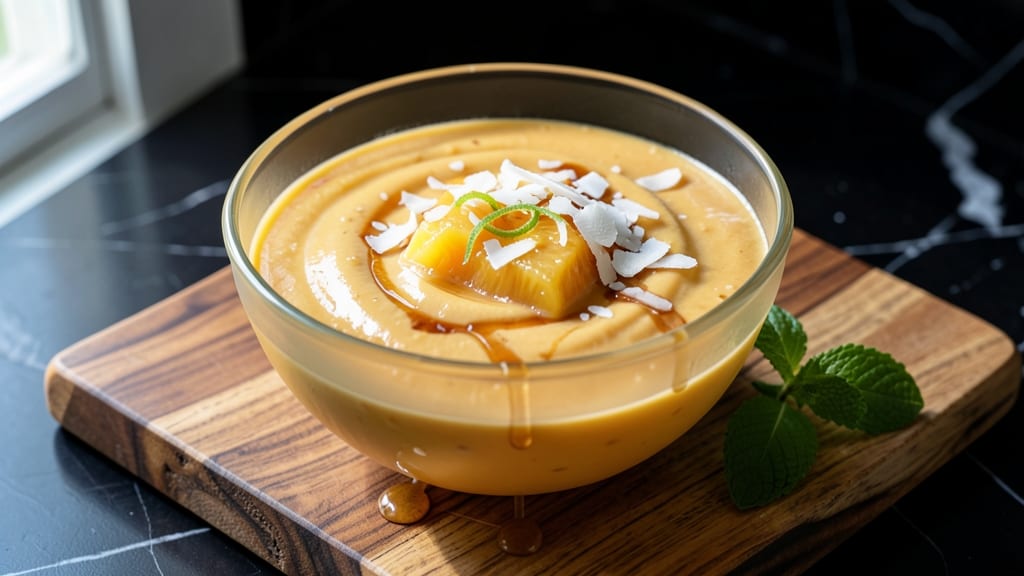
This creamy pineapple sauce recipe transforms simple ingredients into a velvety, tropical condiment that elevates everything from desserts to savory dishes. The secret lies in balancing ripe pineapple purée with coconut milk and a touch of cornstarch for that signature thickness—no lumps, just smooth perfection.
I developed this after craving a dessert sauce that tasted fresh yet rich, and it became an instant staple in my kitchen.
The beauty of this sauce is its versatility—drizzle it over grilled pineapple skewers, swirl it into coconut milk ice cream, or use it as a dip for fresh fruit.
The coconut milk adds a subtle richness that complements the pineapple’s natural sweetness, while a pinch of vanilla enhances the tropical aroma. What sets this apart is how effortlessly it comes together in just 10 minutes, with no special equipment needed.
What you’ll end up with is a luscious, golden sauce that’s creamy yet light, with a sweetness that’s perfectly balanced. The cornstarch creates a silky texture without overpowering the pineapple’s bright flavor, making it ideal for both sweet and savory applications.
Whether you’re hosting a tropical-themed party or simply craving a taste of summer, this sauce delivers every time.
Store leftovers in an airtight container in the refrigerator for up to 5 days, or freeze for longer shelf life. Reheat gently in a saucepan over low heat, stirring until smooth. The possibilities are endless—let’s make this tropical sauce your new go-to condiment.
Ingredients for creamy pineapple sauce
Eight simple ingredients create this tropical sauce that's creamy yet light.
| Ingredient | Amount | Notes |
|---|---|---|
| Fresh Pineapple Purée 🍍 | 1 ½ cups | From ripe pineapple or store-bought |
| Full-Fat Coconut Milk 🥥 | 1 can | 13.5 oz can, well-shaken |
| Cornstarch 🌾 | 2 tbsp | For silky texture consistency |
| Pure Vanilla Extract 🌿 | 1 tsp | High-quality for aroma |
| Granulated Sugar 🍚 | ¼ cup | Adjust to taste preference |
| Lemon Juice 🍋 | 1 tbsp | Freshly squeezed for brightness |
| Salt 🧂 | ¼ tsp | Fine sea salt preferred |
| Extra-Virgin Olive Oil 🫒 | 1 tbsp | For richness and balance |
The pineapple purée is everything here—ripe fruit makes all the difference. Grab a fresh pineapple from Trader Joe's or Whole Foods for the best flavor, or use high-quality canned purée if fresh isn't an option. The coconut milk should be full-fat for that luxurious creaminess (the canned kind works perfectly). If you're using canned purée, look for brands with no added sugar—Del Monte or Dole are solid choices. The cornstarch is non-negotiable for that signature velvety texture, so don't skip it even if you're impatient—it dissolves completely when heated properly.
No fresh pineapple? Frozen pineapple chunks thawed and strained work in a pinch. Swap the vanilla extract for vanilla bean paste if you want extra depth, or use almond extract at half the amount for a different twist. The lemon juice can be bottled, but fresh is ideal—ReaLemon is a great store-bought shortcut. If your sauce seems too thick after cooking, a splash of warm water or extra coconut milk thins it beautifully. For a sweeter version, add another tablespoon of sugar, but start with the recipe as written—it's perfectly balanced.
This sauce keeps beautifully—5 days in the fridge sealed tightly, or 3 months frozen in an airtight container. For freezing, portion into ice cube trays first, then transfer to a bag. Reheat gently in a small saucepan over low heat, stirring constantly until smooth. The olive oil addition might seem odd, but it rounds out the flavors beautifully—don't skip it. Leftovers taste even better the next day as the flavors meld together. Store any unused pineapple purée in the freezer for up to 6 months in a sealed container.
Why You'll Love This Recipe
- No Blender Needed: I just blend pineapple purée and coconut milk right in the saucepan—no extra gadgets, no fuss. The cornstarch slurry thickens it smooth as silk while I stir, and honestly? That’s my kind of magic.
- Tropical Comfort: That first spoonful of warm, vanilla-kissed pineapple—creamy but bright, like sunshine in a bowl—makes me pause mid-stir. The sugar caramelizes just enough to balance the tang, and the coconut milk adds this luscious richness that’s chef’s kiss simple.
- Pantry to Party: I’ve drizzled this over ice cream for lazy nights, spooned it onto grilled chicken for dinner guests, and even used it as a glaze for roasted sweet potatoes. It’s the kind of sauce that turns "meh" meals into "wow"—no extra effort, just flavor.
- Stays Fresh Forever: Make a double batch—it keeps for weeks in the fridge, and the flavor only deepens. Freezes beautifully too, so I always have a backup for smoothies, desserts, or that last-minute dinner save. Budget-friendly? Absolutely. Versatile? Even more so.
Step-by-step instructions for creamy pineapple sauce
This velvety tropical sauce comes together with just a few simple techniques—let's build it layer by layer.
Whisk the Pineapple Base
In a medium saucepan, combine the 1.5 cups fresh pineapple purée, 0.25 cup granulated sugar, 1 tbsp lemon juice, and 0.25 tsp salt. Stir over medium heat until the mixture reaches a gentle simmer—you'll see small bubbles form at the edges and hear a soft whisper of steam. This step develops the sauce's foundational flavor while concentrating its natural sweetness.
Here's the thing—don't rush this part. Simmering for 3-4 minutes ensures the sugar fully dissolves and the acidity from the lemon brightens the pineapple. You're not trying to reduce it yet, just create a smooth, unified base. If you notice any skin forming on the surface, simply stir it out—it won't affect the final texture.
Thicken with Coconut Milk and Cornstarch
Lower the heat to medium-low and gradually whisk in the 1 can full-fat coconut milk (be sure to shake it well first). The sauce will look slightly curdled at first—that's normal as the hot pineapple mixture hits the cold coconut milk. Let it warm through for 2-3 minutes while stirring occasionally.
In a small bowl, whisk together the 2 tbsp cornstarch with 1 tbsp water until completely dissolved. This slurry is your secret weapon for that signature creamy texture. Slowly pour the cornstarch mixture into the saucepan while stirring continuously. The moment you add it, you'll notice the sauce begin to thicken—keep whisking for 2-3 minutes until it reaches a smooth, pudding-like consistency that coats the back of a spoon.
Add Vanilla and Olive Oil for Depth
Remove the saucepan from heat and stir in the 1 tsp pure vanilla extract and 1 tbsp extra-virgin olive oil. The vanilla infuses instantly, adding that warm, aromatic complexity that makes this sauce truly special. The olive oil might seem unusual, but it's what gives this sauce its luxurious mouthfeel and prevents it from tasting too heavy.
Let the sauce rest for 5 minutes off the heat—this allows the flavors to meld completely. You'll notice it becomes even smoother and more cohesive. Taste and adjust the sweetness if needed; you can add a bit more sugar if your pineapple was particularly tart, or a splash of lemon juice if it needs more brightness.
Strain for Silky Perfection (Optional)
For an ultra-smooth finish, strain the sauce through a fine-mesh sieve into a clean bowl. This step removes any potential lumps and gives you that restaurant-quality velvety texture. If you prefer a slightly rustic version with tiny pineapple specks, you can skip this step—both work beautifully depending on how you plan to use the sauce.
Transfer the sauce to a serving bowl or airtight container. It will continue to thicken slightly as it cools, so don't be alarmed if it looks a bit looser when warm. This sauce keeps well in the refrigerator for up to 5 days, making it perfect for meal prep or gifting. When ready to serve, simply reheat gently over low heat, stirring constantly until warmed through.
Pro Tips For Making Creamy Pineapple Sauce
- Simmer Slow and Low: Once you mix in the cornstarch slurry, drop the heat to medium-low and stir constantly—no need to rush. I learned this the hard way after scorching two batches; the sauce thickens best when it cooks gently, not aggressively.
- Strain That Purée: Blend your pineapple, then strain it through a fine-mesh sieve to remove fibers. Skipping this step means grittiness in every bite, and no one wants to chew pulp in what should be a silky sauce.
- Balance the Sweetness: Taste the sauce before adding all the sugar—pineapple varies in natural sweetness. Start with half the amount, adjust, then add vanilla. Over-sweetening kills the tropical brightness; under-sweetening makes it taste flat.
- Use Cold Coconut Milk: Chill the full-fat coconut milk overnight before using—it thickens the sauce better and prevents curdling. Warm it slightly before mixing, but don’t let it sit at room temp too long, or the sauce will split.
Pro cooking tips for this dish
Cornstarch Slurry Secret
Your sauce's signature velvety texture comes from the cornstarch slurry technique—never skip mixing the 2 tbsp cornstarch with 1 tbsp water before adding to the sauce. This creates a smooth paste that dissolves completely when heated, preventing lumps.
I use a whisk for this step to ensure no clumps form in the slurry itself. For extra insurance, strain the slurry through a fine-mesh sieve before adding to the pot. 🌾
Temperature Control
Maintain medium-low heat after adding coconut milk to prevent curdling. The sauce will look temporarily broken when hot pineapple meets cold coconut milk, but it smooths out as it warms. If you see skin forming on the surface, simply stir it out—it won't affect texture.
For best results, use a medium saucepan (not nonstick) to allow even heat distribution. A candy thermometer helps monitor temperature if you're nervous about overheating.
Flavor Balancing
The lemon juice and vanilla extract are flavor anchors—taste your sauce after adding them but before straining. If it tastes too sweet, add 1 tsp lemon juice; if too tart, add 1 tsp sugar. The olive oil might seem counterintuitive, but it rounds out the flavors beautifully.
I like to add it last so the aroma doesn't escape during cooking. For extra depth, a pinch of ground cinnamon (about ¼ tsp) works wonders in tropical desserts.
Straining for Perfection
For a restaurant-quality finish, strain through a fine-mesh sieve lined with cheesecloth. This removes any microscopic pineapple fibers that could affect texture. If you skip straining, the sauce will still be delicious—just slightly more rustic.
For a vegan version, replace vanilla extract with vanilla bean paste (ensure it's alcohol-free) and use coconut oil instead of olive oil. The flavor profile remains identical.
Make-Ahead Magic
This sauce actually improves overnight as flavors meld. Store in an airtight container in the fridge for up to 5 days, or freeze in ice cube trays for portion control. To reheat, use low heat in a saucepan with 1-2 tbsp water to prevent scorching.
For a quick fix, microwave in 20-second bursts while stirring until warm—just don't overheat or it may separate slightly. 💫
Nutrition facts
Frequently asked questions
Can I use canned pineapple instead of fresh purée?
Yes! Drain and crush 20 oz canned pineapple chunks (with juice) until smooth, then measure out 1.5 cups of the purée. For extra creaminess, reserve 1 tbsp juice to thin the sauce if needed. The texture will be slightly different but still delicious.
Why does my sauce look curdled after adding coconut milk?
This is completely normal! The cold coconut milk reacts with the hot pineapple mixture, but it smooths out as it warms. Keep stirring gently over medium-low heat for 2-3 minutes—the cornstarch slurry will bind everything together beautifully. If it still looks lumpy, strain it for a silky finish.
Can I make this sauce without cornstarch?
You can try using 2 tbsp arrowroot powder instead (mixed with 1 tbsp water) for a similar thickening effect. For a dairy-free alternative, blend ½ cup silken tofu into the warm sauce—it adds creaminess without cornstarch. The texture will be slightly different but still rich.
How can I use this sauce beyond desserts?
This versatile sauce works beautifully as a glaze for grilled chicken or pork, a dip for spring rolls or mozzarella sticks, or even a marinade for tofu or shrimp. For savory applications, reduce the sugar to 1 tbsp and add 1 tsp soy sauce for depth. The tropical flavors pair surprisingly well with grilled meats!
Will this sauce thicken more when refrigerated?
Yes! The sauce naturally thickens as it cools, which is why it's best to reheat gently with 1-2 tbsp water to restore its original consistency. For a thicker texture right away, add ½ tsp more cornstarch to the slurry. If it becomes too thick, thin with warm coconut milk or pineapple juice.