
Sauces & Condiments
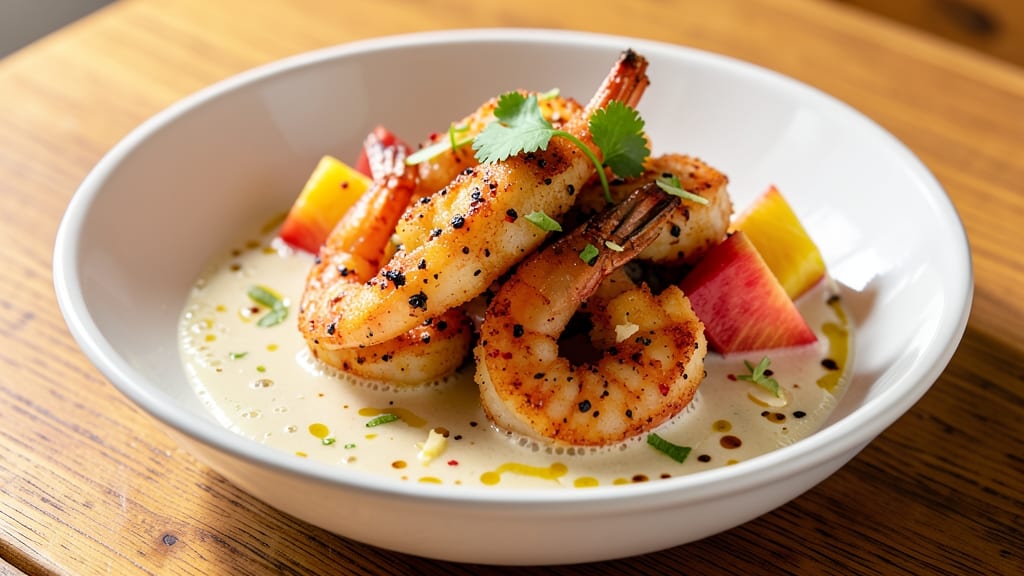
This coconut shrimp pineapple sauce recipe transforms simple ingredients into a velvety, tangy-sweet glaze that elevates grilled shrimp to restaurant-quality in just 15 minutes. The secret lies in balancing creamy coconut milk with bright pineapple juice, creating a sauce that's both rich and refreshing—perfect for dipping, drizzling, or tossing.
I developed this recipe after craving that perfect sweet-spicy contrast without the fuss of complicated techniques.
The magic happens when you simmer coconut milk, pineapple juice, and a touch of ginger until the flavors meld into a smooth, aromatic base. A splash of lime juice adds brightness, while a pinch of red pepper flakes introduces just the right amount of heat.
This sauce isn’t just for shrimp—it works beautifully with chicken, fish, or even as a dip for spring rolls. The best part? It comes together in one pot with minimal effort.
What you’ll end up with is a glossy, golden sauce that’s creamy yet light, with a perfect balance of sweet, tangy, and slightly spicy notes. The texture is silky-smooth, clinging to every bite of shrimp or protein without overpowering.
It’s the kind of sauce that makes a simple weeknight dinner feel like a tropical vacation. Plus, it stores well in the fridge for up to 5 days, so you can make a batch and enjoy it all week.
Whether you’re grilling shrimp for a summer barbecue or looking for a quick weeknight sauce, this recipe delivers bold flavor with minimal prep. The ingredients are simple, but the result is anything but basic—think restaurant-quality without the hassle. Let’s get cooking!
Ingredients for coconut shrimp pineapple sauce
Five tropical flavors meet in one pot—creamy, tangy, and just spicy enough.
| Ingredient | Amount | Notes |
|---|---|---|
| Full-Fat Coconut Milk 🥥 | 1 can | Canned, not carton, for creaminess |
| Fresh Pineapple Juice 🍍 | ½ cup | Or 1 cup bottled, no pulp |
| Fresh Lime Juice 🍋 | 2 tbsp | Freshly squeezed, bright flavor |
| Fresh Ginger 🌿 | 1 tbsp | Finely grated, aromatic kick |
| Red Pepper Flakes 🌶️ | 1 tsp | Adjust for spice preference |
| Garlic Cloves 🧄 | 2 cloves | Minced for subtle depth |
| Brown Sugar 🍚 | 2 tbsp | Light or dark, not raw |
| Soy Sauce 🍶 | 1 tbsp | Light or dark, umami boost |
| Honey 🍯 | 1 tbsp | Or maple syrup for vegan |
| Sesame Oil 🫒 | ½ tbsp | Toasted, aromatic finish |
The coconut milk is non-negotiable here—canned full-fat (not carton) gives that velvety texture. Trader Joe's or Costco have the best prices for quality brands like Thai Kitchen. Fresh pineapple juice is ideal, but bottled works in a pinch (just strain out any pulp). The ginger should smell vibrant—no moldy roots! For the lime, Mexican limes pack more punch, but regular ones work too. Red pepper flakes? Penzeys has great options if you want to splurge, but the grocery store stuff is fine for everyday use.
No fresh ginger? Powdered works at half the amount—just toast it first for depth. Short on pineapple juice? Coconut water or orange juice adds brightness. Want more sweetness? Swap the brown sugar for white sugar or agave. The soy sauce is key—light soy keeps it clean, dark soy adds color. Sesame oil is the secret weapon—toast it first (heat gently in a pan) to bring out its nutty aroma. No sesame oil? A tiny bit of peanut oil works, but the flavor won’t be the same.
This sauce keeps like a dream—5 days in the fridge in an airtight jar, or 3 months frozen in ice cube trays. Let it come to room temp before using to avoid clumping. Double the batch if you're feeding a crowd—it disappears fast! The texture thickens as it cools, so thin with a splash of water if needed. Perfect for drizzling, dipping, or tossing—just don’t boil it after simmering or it’ll curdle.
Why You'll Love This Recipe
- No-Blender Blend: I swear by this—just whisk the coconut milk, pineapple juice, and lime until smooth. No fancy gadgets, no waiting for a blender to catch up. That ginger? Just grate it fresh and let it sit for 10 minutes while you prep the shrimp—it infuses faster than you’d think.
- Tropical Heat Balance: The sauce is where the magic happens: creamy coconut meets bright pineapple, then that just-right kick from lime and ginger. Add a pinch of red pepper flakes, and suddenly you’ve got sweet, tangy, and a little fiery—without overpowering. It’s the kind of flavor combo that makes people ask, “What’s in this?”
- Party in a Jar: This sauce is my go-to for game day, potlucks, or when friends drop by unannounced. Pour it over grilled shrimp, drizzle it on rice bowls, or even use it as a dip for veggies. It’s the kind of dish that feels fancy but takes less than 15 minutes to throw together.
- Leftovers That Don’t Suck: Honestly, I make double batches because the sauce keeps perfectly in the fridge for up to 5 days. Use it on tacos, stir it into curry, or toss it with noodles—it’s always better the second time around. And since it’s mostly pantry staples (plus a pineapple), it’s way cheaper than takeout.
Step-by-step instructions for coconut shrimp pineapple sauce
This tropical sauce comes together in minutes with bold flavors that balance sweet, tangy, and spicy notes.
Bloom the Aromatics in Toasted Sesame Oil
Heat a small saucepan over medium heat and add the 0.5 tablespoon sesame oil. Let it shimmer for 30 seconds until fragrant—you'll smell that nutty, toasted aroma. This is your flavor foundation.
Add the 2 minced garlic cloves and 1 tablespoon finely grated ginger to the pan. Cook for 1-2 minutes until the garlic becomes golden and the ginger softens slightly. You want it fragrant but not browned—just enough to release those bright, zesty notes. Keep the heat at medium to prevent burning.
Here's the thing—don't rush this step. The aromatics need time to meld with the oil before we add liquids. If you smell burning, reduce the heat immediately. This is where the sauce's depth starts building.
Build the Sauce Base with Coconut and Juices
Pour in the 1 can full-fat coconut milk, 0.5 cup fresh pineapple juice, and 2 tablespoons fresh lime juice. Stir everything together and bring to a gentle simmer over medium-low heat. You'll see small bubbles forming at the edges—this tells you it's heating through.
Simmer for 5 minutes while stirring occasionally. The coconut milk will start to thicken slightly, and the citrus flavors will mingle with the tropical notes. If you notice the sauce separating, give it a good stir to re-emulsify those creamy strands.
This is where the magic happens—the coconut's richness combines with the bright acidity of the pineapple and lime. The sauce should smell like a vacation in a pan. If it's not simmering vigorously, increase the heat just slightly.
Sweeten and Season the Tropical Blend
Add the 2 tablespoons brown sugar, 1 tablespoon soy sauce, and 1 tablespoon honey to the simmering mixture. Stir well to dissolve the sugar completely. You'll see the sauce take on a beautiful golden hue as the sweetener integrates.
Taste the sauce at this point—you should notice the balance of sweet, salty, and slightly tangy flavors. If it needs more sweetness, add a bit more honey or sugar. For extra depth, you could even add a pinch of salt here, but the soy sauce already provides enough umami.
Let the sauce simmer for another 3-4 minutes to allow all the flavors to meld together. The sugar will help caramelize slightly, giving the sauce that beautiful glossy finish. This is your chance to adjust the seasoning before we add the final spicy kick.
Finish with Heat and Balance Flavors
Reduce the heat to low and stir in the 1 teaspoon red pepper flakes. Let the sauce simmer for 1-2 minutes to infuse the heat throughout. You'll smell the spices releasing their aroma—this is where the sauce gets its signature sweet heat.
Taste again and adjust if needed. For more heat, add a pinch more red pepper flakes. For more balance, you could add another splash of lime juice or a bit of honey. The sauce should coat the back of a spoon with a perfect balance of sweet, tangy, and spicy.
Remove from heat and let it cool slightly for 2 minutes. The sauce will thicken as it cools, so don't worry if it looks a bit thin while hot. This sauce is perfect for drizzling over shrimp, tossing with noodles, or serving as a dipping sauce for spring rolls.
Serve Immediately for Maximum Freshness
Transfer the sauce to a serving bowl or small saucepan and keep it warm over low heat if you're serving it immediately. The flavors continue to develop as it sits, so if you're making it ahead, reheat gently over low heat to preserve its creamy texture.
This sauce is best enjoyed fresh, but it will keep in the refrigerator for up to 3 days. Just give it a stir and reheat gently before serving. The tropical flavors shine brightest when served warm, so don't skip this step if you can help it.
Here's the moment that matters: pair this sauce with your favorite tropical dishes. The sweet heat balances perfectly with grilled shrimp, rice noodles, or even as a glaze for roasted chicken. You've just created a sauce that's equal parts restaurant-quality and home-cooked comfort.
Pro Tips For Making Coconut Shrimp Pineapple Sauce
- Simmer Slowly: Skip the rush—bring the coconut milk to a gentle simmer, not a rolling boil, or you’ll end up with a split sauce. I learned this the hard way when my first batch curdled into a greasy mess after aggressive heat.
- Juice, Don’t Blend: Fresh pineapple juice is your friend, not a pulp slushie. Strain it through a fine-mesh sieve to avoid gritty texture—trust me, you don’t want chunks in your sauce. (Yes, even if you’re lazy and want to skip it.)
- Toast the Ginger: Lightly fry the ginger slices in a dry pan for 30 seconds until fragrant—this deepens the flavor without bitterness. Sounds weird, but it works: the aroma locks in better than raw ginger ever could.
- Balance the Heat: Add red pepper flakes last, then taste and adjust. Coconut milk mellows spice, so start conservative—you can always add more, but fixing overpowering heat is a nightmare. (I know, I’ve tried.)
Storing and reheating this coconut shrimp pineapple sauce
Fridge Storage Tips
Store your coconut pineapple sauce in an airtight glass jar or BPA-free plastic container—I love Le Parfait containers for their tight seals. Keep it refrigerated at 40°F or below for up to 5 days. The sauce actually improves overnight as flavors meld, so making it ahead is a great idea. Just
Freezing for Later
For longer storage, freeze the sauce in ice cube trays or small silicone molds. Once frozen, transfer cubes to a freezer-safe bag with all air removed. This method works perfectly for portion control—thaw only what you need. The sauce keeps its quality for 3 months in the freezer, though the texture may become slightly grainier after thawing. 🧊
Reheating Like a Pro
For the best results, reheat your sauce gently over low heat in a small saucepan. Add 1-2 tablespoons of water if it thickens too much during storage. Never microwave it directly—this can cause the coconut milk to curdle.
Stir constantly until warmed through to 165°F, which usually takes about 3-5 minutes. The gentle heat preserves that velvety texture you love. 🔥
Thinning if Needed
If your sauce thickens after refrigeration, thin it with pineapple juice or water—about 1 tablespoon at a time. Stir well and taste as you go. For extra richness, add a splash of coconut milk instead.
The goal is to restore that perfect drizzling consistency without losing the balanced flavors. A little goes a long way! 💫
Using Leftovers Creatively
Don't let leftover sauce go to waste! Use it as a marinade for grilled chicken or tofu, a glaze for roasted vegetables, or even a dip for spring rolls.
The sweet-spicy profile works surprisingly well with cold noodle salads too. Just store any unused portions back in the fridge immediately to maintain freshness. 🍍
Safety Reminders
Always reheat sauce to 165°F to kill any bacteria that may develop during storage. If your sauce smells off or develops mold, discard it immediately—safety first! The sauce's natural acidity from lime juice helps preserve it, but proper storage is key.
When in doubt, make a fresh batch—it really only takes 15 minutes. 💡
Nutrition facts
Frequently asked questions
Can I substitute pineapple juice with another fruit juice?
Yes! For a similar tropical flavor, try mango juice or orange juice—both work well. Avoid apple juice (too mild) or cranberry (too tart). If using mango, reduce the sugar slightly since it's naturally sweeter. The key is balancing acidity with sweetness for that signature tang.
Why did my sauce separate? How do I fix it?
Separation happens when coconut milk breaks down from overheating or rapid temperature changes. To fix it, whisk in 1 tablespoon coconut milk powder or 1 teaspoon cornstarch mixed with water. Heat gently while stirring until smooth. For prevention, never boil the sauce—keep it at a gentle simmer.
Is this sauce gluten-free or vegan?
As written, it contains soy sauce (gluten) and honey (non-vegan). For a gluten-free version, use tamari instead of soy sauce. For vegan, swap honey for maple syrup and ensure your soy sauce is certified vegan. The coconut milk is naturally plant-based, so the rest is easily adaptable!
How spicy should this sauce be?
The 1 teaspoon red pepper flakes gives a mild kick—adjust to taste! For mild heat, reduce to ½ teaspoon. For fiery, add up to 1½ teaspoons. Pro tip: Toast the flakes first in a dry pan for 30 seconds to deepen the flavor without extra heat.
Can I make this sauce without fresh ginger?
Use ½ teaspoon ground ginger (toasted in oil for depth) or 1 teaspoon ginger powder. For extra zing, add a pinch of ground turmeric (½ teaspoon) to mimic fresh ginger's warmth. The sauce will still taste amazing—just slightly less complex.