
Sauces & Condiments
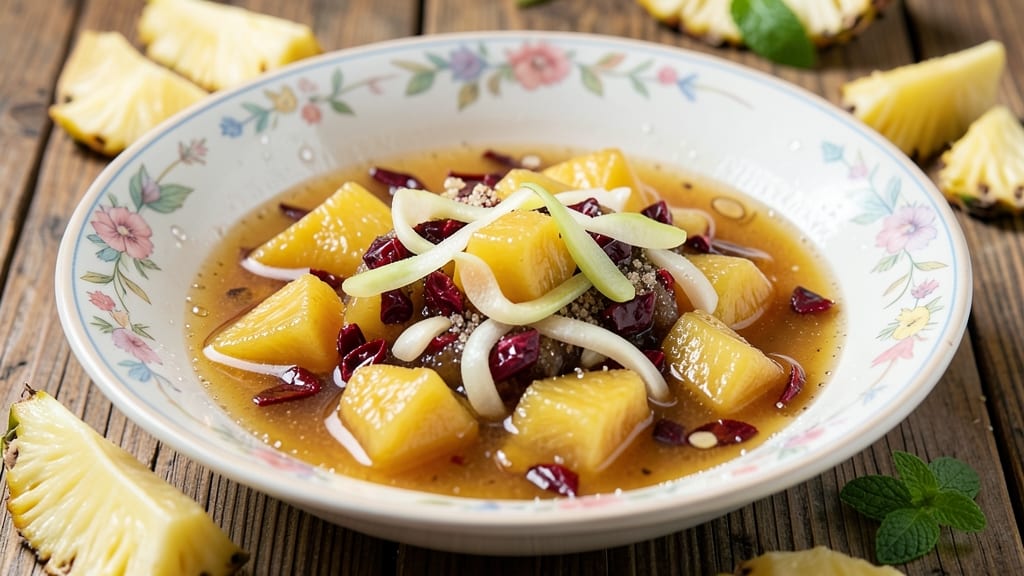
This Chinese pineapple sauce recipe transforms simple ingredients into a versatile, sweet-tangy glaze that elevates everything from stir-fries to grilled meats. The perfect balance of pineapple's natural sweetness and vinegar's sharpness creates a sauce that's both bold and refined—ideal for adding depth to any dish.
What makes this recipe stand out is how effortlessly it comes together with just a handful of pantry staples, yet delivers restaurant-quality flavor.
The foundation of this sauce lies in its simplicity and adaptability—no fancy techniques required. You'll start with fresh pineapple, which adds a vibrant sweetness and slight tartness, then balance it with rice vinegar for that signature tang.
A touch of ginger and garlic infuses warmth, while a hint of chili brings just enough heat to keep things interesting. The sauce thickens naturally as it simmers, creating a glossy consistency perfect for drizzling, dipping, or glazing.
What you'll end up with is a rich, aromatic sauce that's as beautiful as it is delicious. Its sweet-tangy profile makes it a natural match for spring rolls, grilled chicken, or even as a dipping sauce for dumplings.
The best part? It keeps well in the refrigerator for up to a week, so you can make a batch and use it throughout the week without worrying about freshness.
Whether you're prepping for a weeknight dinner or planning a weekend feast, this sauce is your secret weapon. It transforms ordinary meals into something special with minimal effort. Ready to make it? Here's everything you need to get started.
Ingredients for chinese pineapple sauce
Pantry staples meet tropical sweetness—this sauce is restaurant-quality in minutes.
| Ingredient | Amount | Notes |
|---|---|---|
| Fresh Pineapple 🍍 | 1 cup | Finely diced, fresh preferred |
| Rice Vinegar 🍶 | ½ cup | White or seasoned variety |
| Fresh Ginger 🧄 | 1 tbsp | Finely grated, aromatic |
| Garlic Cloves 🧄 | 3 cloves | Minced, fresh preferred |
| Red Chili Flakes 🌶️ | 1 tsp | Adjust for heat preference |
| Granulated Sugar 🍚 | ¼ cup | White or brown sugar |
| Soy Sauce 🍶 | 2 tbsp | Light or dark variety |
| Sesame Oil 🫒 | 1 tbsp | Toasted for aroma |
| Cornstarch 🌾 | 1 tsp | For thickening |
| Water 💧 | 2 tbsp | Room temperature |
Fresh pineapple is non-negotiable here—canned won't cut it. Grab a ripe pineapple from Trader Joe's or Costco (they often have pre-cut chunks), or cut your own for that vibrant sweetness. The ginger and garlic should be freshly grated and minced—pre-minced garlic loses flavor fast. For the rice vinegar, Kikkoman is a reliable brand, but any white rice vinegar works. If you're feeling bold, swap regular sugar for a touch of honey or maple syrup for deeper caramel notes.
No sesame oil? Toasted peanut oil works in a pinch, though it won’t have the same nutty aroma. Short on cornstarch? Arrowroot powder at the same amount thickens just as well. The chili flakes can be adjusted—skip them entirely for a mild version or double for heat lovers. Soy sauce? Tamari for gluten-free or coconut aminos for a lighter taste. Pro tip: If your sauce isn’t thickening enough, mix 1 tsp cornstarch with 1 tbsp cold water and stir it in at the end—it’s a game-changer for glossy texture.
This sauce keeps beautifully—up to 1 week in the fridge sealed in a jar. The flavors actually deepen over time, so make extra. For leftovers, reheat gently in a saucepan or microwave until warm. Freezes well too—3 months max—just thaw in the fridge overnight. Store it in a glass jar with a tight lid to preserve that glossy sheen. Trust me, you’ll want to drizzle this on everything.
Why You'll Love This Recipe
- Here’s what sold me: that perfect push-pull of flavors. The pineapple’s natural sweetness caramelizes just enough to make your mouth water, while the ginger and garlic add depth, and the chili flakes? They wake up every bite. It’s the kind of sauce where you can go from mild to fiery with one extra pinch—no regrets.
- Five-Ingredient Magic: I swear by this recipe because it’s the kind of sauce that proves you don’t need a pantry full of exotic ingredients to hit the spot. Fresh pineapple, a splash of rice vinegar, a thumb of ginger, a couple of garlic cloves, and a pinch of chili—that’s it. No fancy reductions, no waiting for hours. Just chop, simmer, and taste.
- Sweet Heat Balance: Here’s what sold me: that perfect push-pull of flavors. The pineapple’s natural sweetness caramelizes just enough to make your mouth water, while the ginger and garlic add depth, and the chili flakes? They wake up every bite. It’s the kind of sauce where you can go from mild to fiery with one extra pinch—no regrets.
- Game for Any Meal: Between us, this sauce is my secret weapon for lazy nights and last-minute guests. Drizzle it over grilled shrimp for a 10-minute dinner, toss it with rice and scrambled eggs for breakfast, or serve it chilled with spring rolls. Honestly, I’ve even used it as a glaze for roasted chicken—it’s that adaptable.
Step-by-step instructions for Chinese pineapple sauce
This vibrant sauce balances sweet, tangy, and umami flavors perfectly—ideal for glazing meats or drizzling over stir-fries.
Prepare the Pineapple and Aromatics
In a medium saucepan, combine the 1 cup fresh pineapple (finely diced), 0.5 cup rice vinegar, 0.25 cup granulated sugar, and 2 tbsp soy sauce. Bring to a gentle simmer over medium heat, stirring occasionally until the sugar dissolves completely—about 3-4 minutes. The mixture should smell intensely sweet and tangy, like a tropical fruit punch.
While the base simmers, add the 1 tbsp fresh ginger and 3 cloves minced garlic to the pan. Stir for 1 minute until fragrant—this releases their aromatic oils, which will infuse the sauce with depth. Watch the heat carefully; garlic burns quickly, so keep it at a gentle simmer rather than a boil.
Build the Sauce and Add Heat
Reduce the heat to low and let the sauce simmer uncovered for 10-12 minutes, stirring occasionally. You're looking for the liquid to reduce by about one-third, creating a syrupy consistency. The pineapple should soften slightly, releasing its natural juices, and the sauce will thicken into a glossy glaze.
After 8 minutes, stir in the 1 tsp red chili flakes and 1 tbsp sesame oil. The chili flakes will add a subtle heat that brightens the sweetness, while the sesame oil contributes a nutty aroma. Let the sauce simmer for another 2 minutes, stirring constantly to prevent the chili from settling at the bottom.
Thicken the Sauce to Perfection
In a small bowl, whisk together the 1 tsp cornstarch and 2 tbsp water until smooth. This slurry is your secret weapon for achieving the ideal consistency—a sauce that clings beautifully to meats and stir-fries without being gluey.
Slowly pour the cornstarch mixture into the simmering sauce while stirring vigorously. The sauce will thicken almost immediately, so keep stirring for 1-2 minutes until it reaches a glossy, spoonable texture. It should coat the back of a spoon but still flow freely. Taste and adjust seasoning—add a pinch more sugar if it's too tart, or a splash of rice vinegar if it's too sweet.
Finish and Rest for Maximum Flavor
Remove the sauce from heat and let it cool slightly for 5 minutes. This resting period allows the flavors to meld and the sauce to thicken further as it cools. The aroma will deepen, and the sweet-tangy balance will become even more pronounced.
For the best results, use the sauce immediately over grilled meats, stir-fries, or as a dipping sauce. If storing, transfer to an airtight container and refrigerate for up to 5 days. Reheat gently over low heat, stirring occasionally, until warmed through. The sauce thickens as it cools, so you may need to thin it with a splash of water or rice vinegar before serving.
Pro Tips For Making Chinese Pineapple Sauce
- COOK GINGER LOW AND SLOW: Toss those ginger slices in first, then turn the heat down to medium-low. I learned this the hard way—burnt ginger tastes like bitter medicine, and you want that bright, citrusy aroma to linger, not turn acrid. Let it simmer for 2-3 minutes until just fragrant, then add the rest.
- PEEL GARLIC AFTER MINCING: Skip the whole clove—peel the garlic first, then mince it finely. The skins stay behind in the pan, so you avoid that bitter, charred taste that ruins the sauce. (Yes, it’s a little extra work, but your sauce will taste like it came from a dim sum cart.)
- STRAIN THE PINEAPPLE JUICE: After blending or mashing the pineapple, strain out the fibrous pulp through a fine-mesh sieve. The smooth, clear juice cooks down to a glossier, more refined sauce—no one wants to taste gummy strings in their dish. (Save the pulp for smoothies if you’re feeling wasteful.)
- ACIDIFY THE VINEGAR FIRST: Mix the rice vinegar with a splash of cold water before adding it to the hot pan. This prevents the vinegar from cooking off too fast and losing its tang—your sauce will stay bright and balanced, not dull or overly sweet. (I used to add it straight to the heat and wondered why my sauce always tasted flat.)
Storing and reheating your chinese pineapple sauce
Fridge Storage Tips
Transfer your freshly made pineapple sauce to a clean, airtight glass jar—I love using Le Parfait 16-ounce jars for their tight seals. Store it in the refrigerator for up to 5 days, where the flavors actually deepen and meld beautifully.
The sauce thickens slightly when chilled, so give it a quick stir and add 1-2 teaspoons of water if you prefer a thinner consistency. Always check for any mold or off smells before using leftovers. 🍍
Freezing for Later Use
Portion the sauce into silicone ice cube trays or small freezer-safe containers for easy single-use servings. Freeze for up to 3 months, though I find the texture starts breaking down after 2 months.
Thaw overnight in the fridge before reheating—never microwave directly from frozen, as it can make the sauce grainy. When ready to use, warm it gently on the stovetop over low heat while stirring constantly. ❄️
Reheating Like a Pro
For the best texture, reheat your pineapple sauce in a small saucepan over low heat—never high, or it’ll split. Add 1-2 tablespoons of water if the sauce seems too thick after chilling. Stir frequently to prevent scorching, and taste as you go.
If you’re in a hurry, microwave on 50% power in 30-second bursts, stirring between each, until just warmed through. The sauce should be glossy and smooth, not clumpy. 🔥
Reviving Thickened Sauce
If your sauce thickens too much after refrigeration, don’t panic! Thin it out with 1 teaspoon of rice vinegar or water at a time until it reaches your desired consistency. For extra shine, add ½ teaspoon of toasted sesame oil just before serving.
I’ve also had success blending in 1 teaspoon of fresh pineapple juice to restore brightness. Always taste as you go—this sauce is all about balance! 💫
Sauce Consistency Hacks
If your sauce is too thin after reheating, mix ½ teaspoon of cornstarch with 1 teaspoon of cold water, then stir it into the warm sauce. For a smoother texture, strain it through a fine-mesh sieve to remove any pineapple chunks or chili flakes.
Pro tip: If you’re using it as a glaze, let it sit at room temperature for 10 minutes before applying—it’ll cling better to meats and veggies. 🌟
Nutrition facts
Frequently asked questions
Can I use canned pineapple instead of fresh?
Fresh pineapple gives the best flavor, but you can use canned in a pinch. Drain and rinse well to remove excess syrup, then finely chop or blend it into a puree. The texture will be slightly softer, but the sweet-tangy balance will still shine. For extra brightness, add 1 teaspoon of fresh lime juice to mimic fresh pineapple's acidity.
How spicy should the sauce be?
The 1 teaspoon of red chili flakes provides a mild heat that brightens the sweetness. For a milder sauce, reduce to ½ teaspoon or skip it entirely. If you love spice, add ½ teaspoon of chili crisp or 1 sliced fresh chili (like Thai bird's eye) at the end. Always taste before serving!
What are the best dishes to use this sauce with?
This versatile sauce works beautifully as a glaze for grilled chicken, pork, or tofu, a dipping sauce for spring rolls or dumplings, or a topping for stir-fries and noodle dishes. It also pairs well with fried rice or as a marinade—just thin it with 1 tablespoon of water first. The sweet-tangy profile cuts through rich, savory flavors perfectly.
Why did my sauce turn out too thin?
Sauce consistency depends on simmering time and cornstarch. If it's too thin, let it simmer uncovered for an extra 3-5 minutes to reduce. For immediate thickening, mix ½ teaspoon cornstarch with 1 teaspoon water, then stir into the warm sauce. If reheating leftovers, add 1 teaspoon of water at a time until smooth. The sauce should coat the back of a spoon but still flow freely.
Can I make this sauce without sesame oil?
Swap sesame oil for 1 teaspoon of peanut oil or neutral oil like vegetable oil. For extra aroma, add ½ teaspoon of toasted sesame seeds at the end. The sauce will still taste delicious—sesame oil just adds that signature nutty depth. If you're avoiding allergens, coconut aminos can replace soy sauce for a lighter flavor.