
Sauces & Condiments
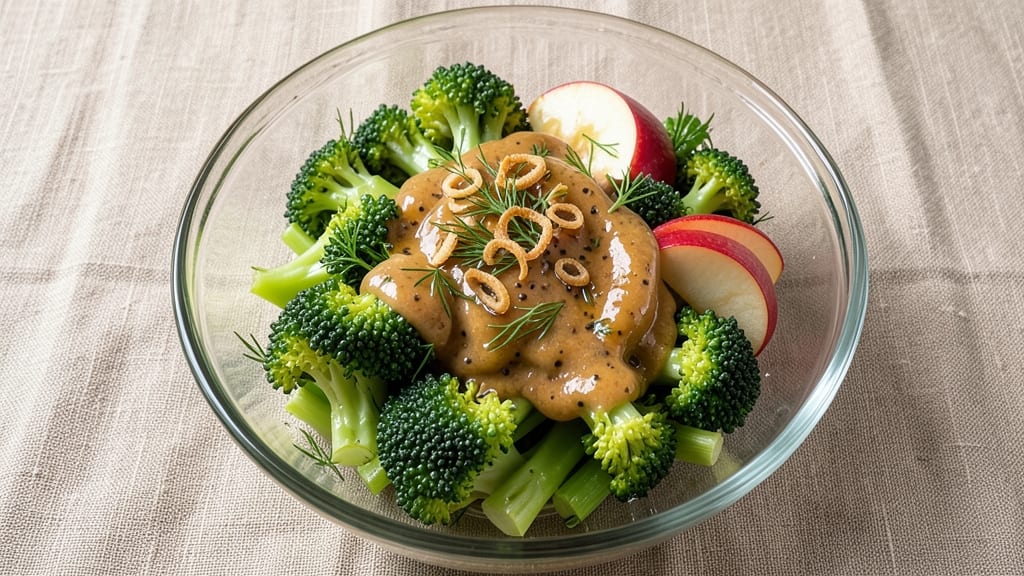
This broccoli salad dressing with apple cider vinegar transforms simple greens into a vibrant, tangy masterpiece that lingers on your palate.
The secret lies in balancing sharp vinegar with sweet maple syrup and rich olive oil, creating a dressing that clings beautifully to crisp broccoli florets while adding depth to every bite. Unlike store-bought versions, this recipe delivers a bright, complex flavor that elevates any salad from ordinary to extraordinary.
The foundation of this dressing is simple yet powerful: apple cider vinegar provides the signature tang, while maple syrup softens the acidity and adds subtle sweetness.
A touch of Dijon mustard binds the ingredients and adds just enough bite, while fresh herbs like dill or parsley introduce an aromatic freshness that makes this dressing irresistibly versatile. The olive oil ensures a silky texture that coats every floret perfectly.
What makes this dressing truly special is its ability to enhance rather than overpower. The apple cider vinegar's bright acidity cuts through the natural bitterness of broccoli, while the maple syrup and herbs create a harmonious balance that feels both sophisticated and approachable.
This isn't just a dressing—it's a flavor booster that transforms even the simplest salad into a restaurant-worthy dish.
Use it on broccoli salads, drizzle it over roasted vegetables, or toss it with grains for an instant flavor upgrade. The dressing keeps well in the refrigerator for up to a week, making it perfect for meal prep.
With just five ingredients and five minutes of prep time, you'll have a dressing that's as impressive as it is easy to make.
Ingredients for broccoli salad dressing recipe with apple cider vinegar
Five simple ingredients create a dressing that transforms broccoli salad into a vibrant, tangy masterpiece.
| Ingredient | Amount | Notes |
|---|---|---|
| Apple Cider Vinegar 🍏 | ½ cup | Raw, unfiltered preferred |
| Pure Maple Syrup 🍁 | ¼ cup | Grade B for richer flavor |
| Extra-Virgin Olive Oil 🫒 | ½ cup | Light fruity variety |
| Dijon Mustard 🥬 | 1 tbsp | Mild or strong variety |
| Fresh Dill 🌿 | ¼ cup | Chopped, stems removed |
| Fresh Parsley 🌿 | 0.15 cup | Chopped, flat-leaf preferred |
| Garlic Cloves 🧄 | 1 whole | Minced, for depth |
| Sea Salt 🧂 | ½ tsp | Fine grain preferred |
| Black Pepper 🌶️ | ¼ tsp | Freshly ground |
The apple cider vinegar is the star here—Bragg or local farm varieties work best for that bright, complex tang. Whole Foods or Trader Joe's carry excellent options, but even the basic grocery store brand delivers great results. Maple syrup should be 100% pure, no additives—Grade B has a richer flavor. The fresh herbs make all the difference: dill for brightness, parsley for freshness. If you only have one, use dill—it's more aromatic. The garlic is non-negotiable for depth, but roasted garlic adds a mellow sweetness if you prefer.
No fresh dill? Dried dill at one-third the amount works in a pinch, but it lacks that vibrant freshness. Substitute parsley with cilantro if you're making this for a Mexican-inspired salad. The mustard can be omitted if you dislike bite, but it's what binds everything together. For extra richness, add 1 tbsp tahini—it blends right in. If you're sensitive to acidity, reduce the vinegar to 1/3 cup and add 1 tsp lemon juice instead. The olive oil should be light and fruity—avoid heavy, peppery varieties that can overpower the delicate balance.
This dressing keeps beautifully—1 week in the fridge sealed in a jar. For best flavor, shake before each use. If it separates, just whisk vigorously. Freeze for up to 3 months in ice cube trays for portion control. The herbs will lose some brightness over time, so plan to make fresh if you're prepping ahead for more than 5 days. A little goes a long way—start with 1 tbsp per serving and adjust to taste.
Why You'll Love This Recipe
- Five-Ingredient Magic: I swear by this combo—just whisk together apple cider vinegar, maple syrup, olive oil, mustard, and dill. No measuring cups cluttering my counter, no fancy techniques, just pure, tangy-sweet brightness that takes seconds.
- Tangy-Sweet Balance: That first bite? The vinegar cuts through the richness of the olive oil while the maple syrup softens the edge—like a hug for your taste buds. Honestly, the dill adds this fresh, herby lift that makes it taste like summer in a jar.
- Picnic-Proof Perfection: Between us, this dressing is my go-to for potlucks, lunchboxes, or even drizzled over grilled chicken. It keeps well in the fridge for days, and I’ve even packed it in a small jar for road trips—no spoons needed, just shake and pour.
- Budget Brightener: I use this instead of pricey specialty dressings, and it costs me pennies per serving. The apple cider vinegar adds depth without breaking the bank, and the maple syrup gives that gourmet touch without the gourmet price tag.
Step-by-step instructions for broccoli salad dressing with apple cider vinegar
This bright, tangy dressing transforms simple greens into a flavor-packed centerpiece.
Whisk Together the Acidic Base
In a medium bowl, combine the 0.5 cup apple cider vinegar and 0.25 cup pure maple syrup. Whisk vigorously for 30 seconds until the maple syrup fully dissolves and the mixture becomes smooth. The vinegar's sharp tang will mellow slightly as it mixes with the syrup's natural sweetness.
This foundational blend creates the perfect balance of acidity and sweetness that makes this dressing so addictive. I like to use raw, unfiltered apple cider vinegar here—the subtle sediment adds depth of flavor that commercial vinegars lack. Let the mixture sit for 1 minute while you prepare the next ingredients.
Incorporate the Emulsifiers and Aromatics
Add the 0.5 cup extra-virgin olive oil and 1 tbsp Dijon mustard to the vinegar-syrup mixture. Whisk continuously for 2-3 minutes until the dressing begins to thicken slightly and emulsify. The Dijon mustard acts as our natural emulsifier, helping the oil and vinegar blend smoothly rather than separate.
Next, add the 1 whole minced garlic clove, 0.5 tsp sea salt, and 0.25 tsp black pepper. Whisk for another 30 seconds to fully incorporate. The garlic should be finely minced—no chunks—so it distributes evenly throughout the dressing. Taste the mixture now; you should notice a bright acidity with underlying sweetness and a hint of garlic's sharpness.
Fold in the Fresh Herbs
Gently stir in the 0.25 cup chopped fresh dill and 0.15 cup chopped fresh parsley using a silicone spatula. Unlike whisking, we want to fold these herbs in just enough to distribute them evenly without crushing them. The dill adds a bright, slightly citrusy note that pairs beautifully with the vinegar, while the parsley contributes a fresh, clean finish.
Here's the thing—don't overmix after adding the herbs. You want visible herb flecks throughout the dressing, not a completely homogeneous mixture. Give it one final stir to ensure everything is evenly incorporated, then let the dressing rest for 10 minutes at room temperature. This resting period allows the flavors to meld completely and the dressing to reach its ideal consistency.
Adjust and Store for Maximum Freshness
After resting, taste the dressing again and make any final adjustments. If it needs more acidity, add ½ teaspoon more apple cider vinegar. For extra sweetness, incorporate ½ teaspoon more maple syrup. The dressing should be tangy-sweet with a smooth, velvety texture that coats the back of your spoon.
Transfer the dressing to a clean glass jar with a tight-sealing lid. Store it in the refrigerator for up to 1 week. Before using, give it a good shake—especially if you notice any separation. This dressing works beautifully on broccoli salads, grain bowls, or even as a marinade for grilled vegetables. The bright flavors hold up well even after refrigeration, making it perfect for meal prep.
Pro Tips For Making Broccoli Salad Dressing Recipe With Apple Cider Vinegar
- Whisk Like You Mean It: Mix the apple cider vinegar, maple syrup, and Dijon mustard first—this is where the magic happens. I used to just stir it in, but now I whisk vigorously for 30 seconds to fully emulsify the mustard before adding the olive oil, or you’ll end up with a dressing that separates faster than your patience on a Monday.
- Use Cold Dill: Chop your fresh dill right before tossing it into the dressing—no prepping ahead. Cold dill keeps its bright, grassy flavor instead of turning bitter, and it holds its texture better in the dressing. (Yes, even if you’re impatient like me.)
- Measure the Vinegar Precisely: Apple cider vinegar is acidic, and too much will overpower the sweetness. Stick to about 2 tablespoons for every 3 tablespoons of maple syrup—this ratio balances tang and sweetness without making the dressing taste like a balsamic glaze. Trust me, I’ve drowned salads in vinegar.
- Add Olive Oil Slowly: Pour the extra-virgin olive oil in a thin, steady stream while whisking constantly. This ensures the dressing emulsifies smoothly instead of curdling into a greasy mess. If you dump it in all at once, you’re basically setting yourself up for a dressing fail.
Flavor customization for these flavors
Sweet-Tart Balance
Adjust the ratio between apple cider vinegar and maple syrup to suit your taste. For a more acidic dressing, increase the vinegar by 1 tbsp—I like this when pairing with rich cheeses like goat cheese or feta.
For a sweeter profile, add 1 tbsp honey or agave nectar instead of maple syrup, especially when serving to kids. The key is to taste as you go—this dressing should make your mouth water, not pucker! 🌟
Herb Variations
Swap out the dill and parsley for other fresh herbs based on what you have. Chives add a mild onion note, while tarragon brings a licorice-like depth. For a Mediterranean twist, use oregano and thyme.
If you’re making this for a Mexican-inspired salad, swap in cilantro and add ½ tsp cumin for warmth. The herbs should complement, not overpower, the vinegar’s brightness.
Spicy Kick
Add heat with ½ tsp smoked paprika or 1 tsp hot sauce (like Cholula) for a smoky-spicy dressing that pairs perfectly with grilled chicken or roasted Brussels sprouts. For a more subtle kick, finely mince ½ tsp red pepper flakes and stir them in.
If you love apple cider vinegar’s tang but want extra depth, a pinch of ground coriander or fennel seeds adds an earthy complexity that’s surprisingly delicious.
Creamy Twist
For a richer texture, stir in 2 tbsp Greek yogurt or 1 tbsp tahini after whisking the base. This works beautifully with creamy dressings like ranch or blue cheese—just reduce the olive oil by 1 tbsp to balance the extra fat.
If you’re making this for a Vegan diet, use silken tofu blended with 1 tbsp lemon juice instead of yogurt. The result is a velvety dressing that still clings to greens beautifully.
Global Flavors
Transform this dressing into a French-inspired vinaigrette by adding 1 tsp Dijon mustard (already in the recipe) and ½ tsp white wine vinegar. For an Italian touch, swap the maple syrup for balsamic glaze and add 1 tsp dried basil.
A Thai-inspired version calls for 1 tsp fish sauce (or soy sauce for vegan) and ½ tsp lime zest. Each variation keeps the apple cider vinegar’s tang but adapts to your favorite global flavors.
Storage Hacks
This dressing keeps for 1 week in the fridge, but if you’re prepping ahead, freeze it in ice cube trays for portion control. Thaw overnight in the fridge—no microwave needed!
For a longer shelf life, add ½ tsp xanthan gum when whisking the base; it helps stabilize the emulsion. If the dressing separates, just whisk vigorously before using.
The herbs will lose some vibrancy after 3-4 days, so make fresh if you’re planning to use it beyond that. 💡
Nutrition facts
Frequently asked questions
Can I substitute apple cider vinegar with another vinegar?
Yes, but the flavor will change. White wine vinegar or rice vinegar work in a pinch for a milder tang, while balsamic adds depth. For a similar bright acidity, use lemon juice (reduce to ¼ cup) or white vinegar (use ¼ cup instead of ½ cup). Apple cider vinegar's unique notes are hard to replicate—it's worth tracking down for this recipe!
Why does my dressing separate after storing?
Separation is normal—it's just oil and vinegar doing their thing! Before using, simply shake or whisk vigorously until smooth. For a more stable dressing, add ½ tsp xanthan gum when whisking the base. The herbs will also settle, so give it a good stir. If it still separates, the issue might be too much oil—reduce by 1 tbsp next time.
How much dressing should I make for a broccoli salad?
Start with 2-3 tablespoons per serving for a light drizzle, or ¼ cup if you love bold flavors. For a standard 8-cup broccoli salad, ½ cup dressing works perfectly. Taste as you go—you can always add more! The dressing thickens slightly when chilled, so it's better to err on the lighter side initially.
Can I make this dressing without fresh herbs?
Use 1 tsp dried dill and ½ tsp dried parsley for a milder flavor. For extra depth, add ½ tsp onion powder or garlic powder. If you're avoiding herbs entirely, a pinch of dried thyme or rosemary adds subtle earthiness. Just remember dried herbs are more concentrated—start with half the amount and adjust to taste.
Is this dressing safe for people with diabetes?
It can be, but check with a healthcare provider first. This recipe uses ¼ cup maple syrup, which contains natural sugars. For a lower-carb version, reduce the syrup to 2 tbsp and add 1 tbsp lemon juice for brightness. The apple cider vinegar may also help stabilize blood sugar—just be mindful of portion sizes.