Sauces & Condiments
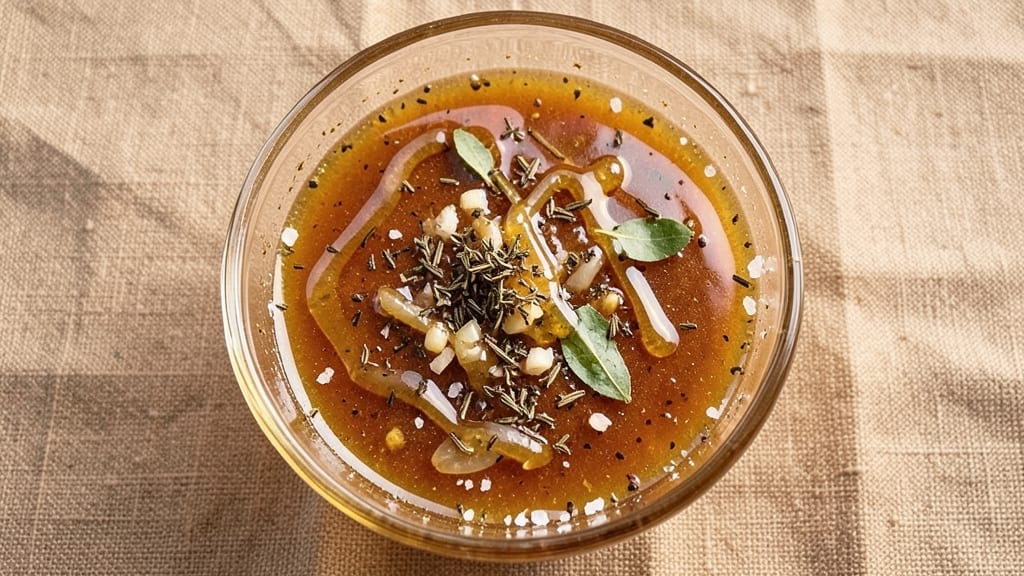
This Braggs apple cider vinegar recipe salad dressing transforms simple greens into a flavor explosion—where tangy sharpness meets sweet balance in every pour. The secret lies in the vinegar’s depth, paired with honey for smoothness and Dijon mustard to bind the oil perfectly.
No emulsifiers? No problem—the mustard does the heavy lifting while keeping the texture silky, not greasy.
What sets this dressing apart is its versatility: bright enough for crisp romaine, rich enough for hearty kale, and bold enough to stand up to bold flavors like roasted nuts or spicy peppers.
The honey not only sweetens but also acts as a natural preservative, extending shelf life while adding floral notes that complement the vinegar’s acidity. For best results, whisk all ingredients together until fully emulsified—no clumps, just a velvety finish.
The result is a dressing that’s restaurant-quality at home—sharp, sweet, and perfectly balanced, with a finish that lingers. It keeps for up to two weeks in the fridge, making it ideal for meal prep.
Whether you’re dressing a simple salad or elevating a grain bowl, this recipe delivers professional results with minimal effort. Ready to transform your salads?
Pro tip: Adjust the honey-to-vinegar ratio to taste—more honey for a sweeter profile, more vinegar for extra tang. The dressing also works as a marinade or dip, proving its worth beyond the salad bowl. Let’s get started!
Ingredients for braggs apple cider vinegar recipe salad dressing
Six core ingredients create a restaurant-quality dressing with sharp tang and velvety balance.
| Ingredient | Amount | Notes |
|---|---|---|
| Braggs Apple Cider Vinegar 🍏 | ½ cup | Raw, unfiltered preferred |
| Extra-Virgin Olive Oil 🫒 | ½ cup | Light or fruity variety |
| Honey 🍯 | ¼ cup | Raw or wildflower preferred |
| Dijon Mustard 🌶️ | 1 tbsp | High-quality, no additives |
| Dried Oregano 🍃 | ½ tsp | Crushed between fingers |
| Salt 🧂 | ½ tsp | Diamond Crystal preferred |
| Black Pepper 🌶️ | ¼ tsp | Freshly ground preferred |
| Shallot 🧅 | 1 whole | Minced finely for emulsification |
| Garlic Cloves 🧄 | 1 clove | Minced for aromatic depth |
The vinegar is non-negotiable—Braggs delivers that signature depth, but Bragg or Texas Pete work too. For the honey, local raw honey adds subtle floral notes, but any quality honey will do. The Dijon mustard is your emulsifier—Maille or Grey Poupon both work, but avoid powdered versions. Shallots and garlic need to be minced finely; a food processor makes this quick. The olive oil should be light enough to not overpower the vinegar's brightness, but fruity enough to add character.
No Braggs? Other apple cider vinegars like Texas Pete or Heinz work in a pinch, but you'll lose some complexity. Honey too sweet? Maple syrup at half the amount gives similar viscosity. The mustard can be swapped for whole-grain mustard, but it may be slightly grainier. Out of shallots? Extra-fine onion powder at half the amount mimics the flavor, though texture will differ. For a more robust dressing, add 1 tsp of lemon juice to brighten the acidity. The dressing thickens as it sits, so whisk before each use for consistent texture.
Store in an airtight jar in the fridge for up to 2 weeks. The flavors meld beautifully over time, so making a double batch is ideal. For longer storage, freeze in ice cube trays—thaw and whisk before use. The dressing thickens slightly when refrigerated, so always whisk vigorously before pouring. This keeps perfectly for 3 months frozen, making it a great make-ahead option for meal prep. If the oil separates, just whisk it back together—it's designed to be forgiving.
Why You'll Love This Recipe
- Five-Ingredient Magic: I swear, this dressing comes together with just a whisk and a jar—no fancy gadgets, no stress. The Braggs vinegar’s tang cuts through the honey’s sweetness instantly, and the Dijon mustard ties it all together with zero effort.
- Tangy-Sweet Balance: That first drizzle over greens? Chef’s kiss. The apple cider vinegar’s sharpness plays off the olive oil’s richness while the honey rounds it out—like a hug for your taste buds. Even my picky husband asks for seconds.
- Game for Any Meal: Dress a summer salad, drizzle it over roasted veggies, or toss it with grilled chicken—it’s the MVP of my weeknight rotation. Honestly, I’ve even used it as a marinade (yes, really).
- Leftovers That Last: Make a big batch and store it in the fridge for up to two weeks. The flavors only deepen, and it’s cheaper than buying pre-made dressings. Plus, no weird preservatives—just real, honest ingredients.
Step-by-step instructions for Braggs apple cider vinegar salad dressing
This dressing delivers a perfect balance of tangy, sweet, and herbal notes every time.
Finely Mince Aromatics for Emulsification
Peel and finely mince the 1 whole shallot and 1 clove garlic using a sharp chef's knife. I like to cut them into tiny pieces—about ⅛-inch—so they dissolve completely into the dressing without any texture. Place them in a small bowl and set aside.
This fine mincing is crucial because it ensures the shallot and garlic disperse evenly throughout the dressing, creating a smooth, flavorful base. If you're using a food processor, pulse just until finely chopped—don't over-process or you'll end up with a paste.
Whisk Wet Ingredients for Smooth Emulsion
In a medium bowl, combine the 0.5 cup Braggs apple cider vinegar, 0.5 cup extra-virgin olive oil, 0.25 cup honey, and 1 tbsp Dijon mustard. Using a whisk, blend these ingredients vigorously for 1-2 minutes until fully incorporated and slightly thickened.
The key here is thorough mixing—the vinegar and honey should blend completely with the oil to create a stable emulsion. If you notice the oil separating, keep whisking until it smooths out. This step forms the foundation of your dressing, so don't rush it.
Incorporate Aromatics and Seasonings
Add the minced shallot and garlic to the wet mixture, followed by the 0.5 tsp dried oregano, 0.5 tsp salt, and 0.25 tsp black pepper. Whisk all ingredients together for an additional 30-45 seconds until the shallot and garlic are fully distributed and the dressing reaches your desired consistency.
Taste and adjust seasoning if needed—you might want to add a pinch more salt or a splash of vinegar for extra tang. The dressing should coat the back of a spoon with a smooth, velvety texture. If it's too thick, whisk in 1-2 teaspoons of water to thin it slightly.
Rest and Emulsify for Maximum Flavor
Cover the bowl with plastic wrap and let the dressing rest at room temperature for 15-20 minutes. This resting period allows the flavors to meld together and the emulsion to stabilize. Give it a final whisk before using to ensure everything is perfectly combined.
This step is often overlooked, but it makes a noticeable difference in the final product. The flavors will develop more depth, and the dressing will have a richer, more cohesive texture. Store any leftovers in an airtight container in the refrigerator for up to 1 week, shaking well before each use.
Pro Tips For Making Braggs Apple Cider Vinegar Recipe Salad Dressing
- WHISK THE MUSTARD FIRST: I learned this the hard way—adding Dijon straight to vinegar and oil creates lumps that never fully dissolve. Mix the mustard with a splash of warm water (about 1 teaspoon) before incorporating it into the other ingredients. This ensures a silky texture every time, not that weird grainy surprise.
- USE COOL HONEY: Warm honey is thinner and less effective at balancing acidity. Chill your honey in the fridge for 10 minutes before measuring—it’ll thicken slightly and give your dressing a richer, more controlled sweetness. (Yes, even if you’re impatient like me.)
- MEASURE VINEGAR AFTER SHAKING: Bragg’s ACV settles heavily, so if you scoop directly from the bottle, you’re getting more sediment than liquid. Give it a good shake first, then measure—this keeps your dressing bright and tangy, not muddy. Trust me, the difference is noticeable.
- SALT THE OIL: A pinch of fine sea salt (about ¼ teaspoon) in the olive oil before emulsifying cuts through the vinegar’s sharpness and rounds out the flavors. Skip this, and the dressing can taste one-note. (Your future self will thank you.)
Health benefits of these flavors
Digestive Aid
Apple cider vinegar—especially raw, unfiltered Braggs—contains acetic acid and probiotics that support gut health. These components help break down food more efficiently, reducing bloating and indigestion. The Dijon mustard in this dressing adds a touch of fiber, while the honey provides prebiotic benefits that nourish your gut microbiome. 🌱
Blood Sugar Regulation
The honey in this dressing has a low glycemic index when balanced with vinegar, helping stabilize blood sugar levels. Studies show that apple cider vinegar can improve insulin sensitivity, making this dressing a smart choice for those monitoring glucose levels.
The shallot and garlic also contribute antioxidants that support metabolic health.
Antioxidant Boost
This dressing is packed with antioxidants from the Braggs apple cider vinegar, extra-virgin olive oil, and honey. The vinegar contains polyphenols, while the olive oil provides vitamin E, both of which combat oxidative stress.
The oregano adds carvacrol, a compound with powerful anti-inflammatory properties. Just 2 tablespoons of this dressing delivers a noticeable antioxidant kick.
Bone Health Support
The apple cider vinegar in this recipe is rich in potassium and magnesium, minerals essential for bone strength. The honey contributes trace amounts of calcium, while the Dijon mustard adds calcium and phosphorus for bone density.
Regular consumption of vinegar-based dressings has been linked to improved calcium absorption in the body. 💪
Weight Management
Apple cider vinegar is often touted for its appetite-suppressing properties, which can help with portion control. The low-calorie nature of this dressing (about 120 calories per 2 tablespoons) makes it a great choice for those watching their calorie intake.
The fiber from the mustard and hydrating properties of the vinegar also promote satiety, helping you feel full longer.
Skin Clarity Benefits
The acetic acid in apple cider vinegar helps balance skin pH, reducing acne and promoting clearer skin. The honey provides hyaluronic acid, which keeps skin hydrated, while the olive oil delivers vitamin E for a healthy glow.
Regular consumption of this dressing can contribute to improved skin elasticity and reduced inflammation. 🌟
Nutrition facts
Frequently asked questions
Can I substitute Braggs apple cider vinegar in this recipe?
Yes, but you'll lose some depth. Use Texas Pete or Heinz apple cider vinegar as alternatives. For a lighter flavor, try white vinegar (reduce to ⅓ cup) but add 1 tsp lemon juice to maintain brightness. The raw, unfiltered quality of Braggs is key for that signature complexity.
Why does my dressing separate after a few days?
Separation happens when the emulsion breaks, usually from temperature changes or not enough whisking. Simply whisk vigorously for 1-2 minutes before using—it should recombine smoothly. For extra stability, add ½ tsp xanthan gum when making a large batch, or reduce the oil slightly to ¼ cup. The Dijon mustard helps, but oil and vinegar need equal parts to stay balanced.
How can I make this dressing spicier or smokier?
For heat, add ½ tsp smoked paprika or ¼ tsp cayenne pepper—adjust to taste. For smokiness, swap ½ tbsp of the honey for maple syrup and add ¼ tsp liquid smoke. You can also infuse the olive oil by heating it with 1 tsp crushed red pepper flakes for 5 minutes before cooling and using. The mustard already adds depth, so these tweaks enhance without overpowering.
Is this dressing safe for people with diabetes?
Yes, but monitor portions. The apple cider vinegar helps stabilize blood sugar, while the honey has a low glycemic index when balanced with vinegar. A 2-tbsp serving contains about 15g carbs (mostly from honey), so pair with high-fiber greens like spinach or kale to slow sugar absorption. Always consult your healthcare provider for personalized advice.
Can I make this dressing without honey?
Replace the honey with maple syrup (same amount) for a similar viscosity, or use agave nectar for a neutral sweetness. For a savory version, omit the honey entirely and add 1 tsp Dijon mustard plus ½ tsp onion powder to compensate for the lost sweetness and emulsification. The dressing will be tangier but still balanced.