
Sauces & Condiments
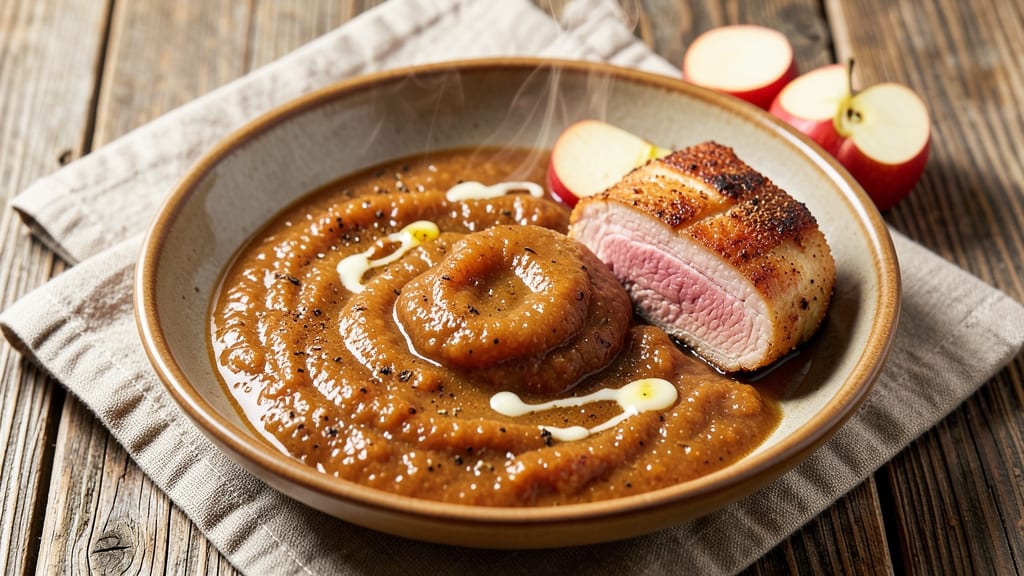
This apple sauce for pork roast transforms a simple roast into something extraordinary—where every bite carries caramelized sweetness and tangy depth. 🌟 Growing up in Georgia, I learned that the right sauce could elevate humble pork into a showstopper, and this recipe delivers that magic with just five core ingredients.
The secret lies in balancing apples with vinegar and spices, creating a glaze that caramelizes beautifully as it cooks.
What makes this sauce special is its versatility—it works as a glaze, a basting liquid, or a finishing sauce. The apples cook down into a velvety consistency while developing rich caramel notes, and the vinegar adds just enough acidity to cut through the pork's natural richness.
I've perfected this over years of cooking whole hogs, ensuring the sauce never clings too heavily or overpowers the meat.
By the time you're done, you'll have a sauce that's sweet yet sophisticated, with a perfect balance of tang and caramel. It's the kind of glaze that makes pork roasts taste like they've been slow-smoked in a pit, even when made in your home kitchen.
The best part? It's ready in under 30 minutes, with minimal hands-on time.
Use it to baste your pork during roasting, drizzle it over slices before serving, or even reduce it further for a concentrated pan sauce. The possibilities are endless, but the foundation remains the same—simple, balanced, and impossible to resist. Let's make this sauce.
Ingredients for apple sauce for pork roast
Five ingredients transform pork roast into something extraordinary with caramelized sweetness and perfect tang.
| Ingredient | Amount | Notes |
|---|---|---|
| Apples (Granny Smith or Honeycrisp) 🍎 | 2 lb | Peeled, cored, sliced thin |
| Apple Cider Vinegar 🍏 | ½ cup | For tangy balance |
| Brown Sugar 🍚 | ½ cup | Packed, for caramel depth |
| Ground Cinnamon 🌿 | 1 tsp | Warmth without overpowering |
| Ground Cloves 🌶️ | ¼ tsp | Just a pinch for depth |
| Unsalted Butter 🧈 | 2 tbsp | Full-fat for richness |
| Salt 🧂 | ½ tsp | Kosher or sea salt |
The apples are everything here—Granny Smith or Honeycrisp work best, but whatever's on sale will do. I usually grab mine from the farmers market in season, but the grocery store apples work fine too. Look for firm ones without bruises. The vinegar? Apple cider vinegar is ideal, but white vinegar in a pinch. Just don't use balsamic—that's a whole different story. For the sugar, I always use brown sugar—it adds that caramelized depth that makes this sauce sing.
No Granny Smith apples? Fuji or Gala will work, but they'll be slightly sweeter. Short on vinegar? Lemon juice at half the amount gives you a different tang. The spices are non-negotiable though—cinnamon and cloves are what make this sauce taste like it's been slow-cooked for hours. Want more warmth? Add a pinch of nutmeg. For the butter, full-fat is a must—it's what gives that velvety finish. If you're watching calories, reduce it to 1 tbsp and add a splash of water to compensate.
This sauce keeps beautifully—5 days in the fridge sealed in a jar. I usually make a double batch because it's perfect for so many things: basting pork, drizzling over roasted veggies, or even spooning over pancakes. For extra caramelized flavor, reduce it by half on the stove before using. The butter will solidify as it cools, so give it a stir before using. Freezes for 3 months if you want to make a big batch ahead of time.
Why You'll Love This Recipe
- Few Ingredients, Big Payoff: I swear by this combo—just apples, vinegar, and spices. No fancy gadgets, no last-minute grocery runs. Honestly, I keep a bag of Granny Smiths in my pantry just for this.
- Spiced Magic: That tangy-sweet balance? Chef’s kiss. The cloves and cinnamon cut through the pork’s richness while the vinegar keeps it bright. I’ll be real: my husband licks the spoon when I’m stirring the pot.
- Leftovers? Please.: This sauce thickens beautifully when reheated—perfect for sandwiches, tacos, or even a quick breakfast hash. I make double batches on purpose. (Yes, even on a Tuesday night.)
- Budget-Friendly Luxury: Apples and spices cost pennies, but it tastes like you spent hours. Between us, this is my secret weapon for holiday roasts without the grocery shock. The crowd always thinks it’s homemade magic.
Step-by-step instructions for sweet-tangy apple sauce glaze
Here's how to transform simple apples into a rich, caramelized glaze that'll make your pork roast shine.
🍳 Step 1: Sauté Apples Until Soft and Golden
Heat a large skillet over medium heat and add the 2 lb peeled, cored, and thinly sliced apples. Let them cook undisturbed for 5 minutes until they begin to soften and release their juices. This initial cooking creates a beautiful golden base for your glaze.
I stir occasionally after those first 5 minutes to ensure even browning. You'll see the apples release their natural juices and start to caramelize at the edges—that's exactly what we want. If they're browning too quickly, reduce the heat slightly to medium-low and let them cook slowly. The goal is tender apples with just a hint of caramelization, not burnt edges.
👨🍳 Step 2: Add Sweetness and Spices for Depth
Once the apples are softened and beginning to caramelize, add the 0.5 cup packed brown sugar, 1 tsp ground cinnamon, 0.25 tsp ground cloves, and 0.5 tsp salt. Stir everything together and let it cook for another 5-7 minutes until the sugar begins to dissolve and the mixture thickens slightly.
Here's the thing—you want the spices to bloom and infuse the apples with their warm flavors. The cloves might seem like a tiny amount, but trust me, it adds that subtle depth that makes this glaze special. Stir frequently during this time to prevent any sticking or burning at the bottom of the pan. You're looking for a thick, jammy consistency that coats the back of a spoon.
🍳 Step 3: Deglaze with Vinegar for Tangy Balance
Pour in the 0.5 cup apple cider vinegar and scrape up any browned bits from the bottom of the pan with a wooden spoon. This deglazing step captures all the concentrated flavors you've built up and adds that perfect tangy balance to cut through the sweetness.
Let the mixture simmer for 3-4 minutes until the vinegar has mostly evaporated and the sauce begins to thicken. You'll notice the aroma becomes more complex as the vinegar's acidity reacts with the sugars. This is when the magic happens—the sauce transforms from simple apple compote to a sophisticated glaze. If it's getting too thick too quickly, add 1-2 tablespoons of water to loosen it up.
🔥 Step 4: Finish with Butter for Richness
Remove the skillet from heat and stir in the 2 tbsp unsalted butter. The butter will melt instantly and create a silky, glossy finish that adds incredible richness to the glaze. Let it sit off the heat for 1-2 minutes to thicken slightly—this resting period allows all the flavors to meld together perfectly.
For the best results, I like to mash the apple mixture slightly with a wooden spoon or potato masher while it's still warm. This creates a smoother texture that'll cling beautifully to your pork roast. The glaze should be thick enough to coat the back of a spoon but still spreadable. If it's too thick, you can thin it with a splash of apple juice or water when ready to use.
⏰ Step 5: Rest and Use Immediately
Let the glaze cool for 10-15 minutes before using it on your pork roast. This resting period allows the flavors to fully develop and the texture to set properly. The glaze will thicken as it cools, which is perfect for creating that beautiful caramelized crust when you brush it on the roast.
When you're ready to use it, give the glaze one final stir. It should be thick, glossy, and full of complex flavors—sweet from the apples and brown sugar, tangy from the vinegar, and warmly spiced from the cinnamon and cloves. Brush this generously over your pork roast during the last 20-30 minutes of cooking, basting it frequently to create that stunning caramelized finish.
Pro Tips For Making Apple Sauce For Pork Roast
- PEEL THE APPLES: I learned this the hard way—peeling makes the sauce silky smooth, especially with Granny Smiths. Skip it, and you’ll spend 15 minutes later straining out skins. A vegetable peeler does the job faster than a knife, and the texture rewards the effort.
- SIMMER LOW AND SLOW: Crank the heat to boil first, but once it’s bubbling, drop it to a gentle simmer. I used to rush it, and the sauce turned mushy or burned. Keep it at a whisper—just enough to see tiny bubbles breaking the surface—and the flavors meld without falling apart.
- TOAST THE SPICES: Bloom the cinnamon and cloves in a dry pan for 30 seconds first. Sounds weird, but it works: the aroma jumps off the plate, and the spices don’t just sit there like dust. Just don’t walk away—burnt spices ruin the whole dish.
- USE VINEGAR LAST: Add the apple cider vinegar at the very end, right when you’re ready to serve. I was skeptical until I tried it—it brightens the sauce without making it taste harsh or cooked-down. Stir it in, taste it, and adjust the brown sugar if needed.
Best sauces and condiments for this recipe
Classic Glaze Base
This foundational apple sauce glaze starts with Granny Smith or Honeycrisp apples for their perfect balance of tartness and sweetness. The apple cider vinegar adds essential tang that cuts through the pork's richness, while brown sugar creates caramelized depth.
I've found that using 2 pounds of apples gives you enough glaze to generously baste a 5-6 pound pork roast—just enough to create that signature caramelized crust. 🍎
Spiced Variations
For a winter spice twist, add ½ tsp ground nutmeg and ¼ tsp allspice along with the cinnamon and cloves. This deeper spice profile reminds me of the glaze I used to make for our Christmas ham back in Georgia.
If you prefer something more subtle, reduce the cloves to just ⅛ tsp—it still adds warmth without overpowering.
Sweetened Adaptations
Want a sweeter glaze? Swap the ½ cup brown sugar for ⅓ cup maple syrup and ⅓ cup honey—this creates a more liquid glaze perfect for basting. For a caramelized reduction, cook the glaze uncovered on medium-high heat for 8-10 minutes until it thickens to a syrup-like consistency.
I use this concentrated version as a finishing drizzle for sliced pork.
Tangy Enhancements
For extra tang, replace ¼ cup of the apple cider vinegar with 2 tbsp lemon juice—it brightens the flavor beautifully. If you love heat, add ½ tsp smoked paprika or a pinch of cayenne for a smoky-spicy kick.
This variation works especially well with shoulder cuts that benefit from bold flavors. The acidity helps tenderize the meat as it cooks.
Texture Options
For a chunky texture, leave the apples in ½-inch slices instead of mashing. This works wonderfully as a topping for pork chops or as a side sauce. For a smooth glaze, use an immersion blender to purée the cooked apples before adding the remaining ingredients.
I prefer the smooth version for basting because it clings better to the meat.
Storage Secrets
This glaze keeps for 5 days in the fridge in an airtight container, making it perfect for meal prep. For long-term storage, freeze it in ice cube trays—each cube makes a perfect portion for basting.
When reheating, warm it gently on the stove with 1 tbsp water to restore its glossy texture. The glaze actually improves overnight as the flavors meld together. ⏰
Nutrition facts
Frequently asked questions
Can I use this apple sauce glaze on other meats besides pork?
This versatile glaze works beautifully on chicken thighs, ham, and even beef brisket. The apple-cider vinegar's acidity helps tenderize tougher cuts, while the sweet-spiced profile complements rich meats perfectly. For poultry, reduce the sugar slightly (¼ cup) to balance the natural sweetness of the meat.
How do I adjust the thickness for different uses?
For basting, keep it medium-thick (like honey). For a pan sauce, reduce it uncovered on medium-high heat for 8-10 minutes until syrupy. If too thick, thin with 1 tbsp apple juice or water. The glaze should coat the back of a spoon but remain spreadable—this ensures it clings beautifully to meat without dripping.
What if I don't have apple cider vinegar?
Use white vinegar in equal amounts, but reduce to ¼ cup if you want less sharpness. For a milder tang, substitute 2 tbsp lemon juice (adds brightness) or 1 tbsp balsamic vinegar (for depth). The key is balancing sweetness—adjust sugar slightly if using a different acid. Never skip the acidity, as it prevents the glaze from tasting cloying.
Can I make this glaze ahead of time?
Yes! Make it 1-2 days ahead—it actually improves as flavors meld. Store in an airtight container in the fridge. Reheat gently with 1 tbsp water over low heat until smooth. For long-term storage, freeze in ice cube trays (thaw overnight in the fridge) or in 1-cup portions in freezer bags for 3 months. The texture may thicken when frozen, so stir in water when reheating.
Why does my glaze turn out too sweet or tart?
Too sweet? Reduce sugar by 2 tbsp next time. Too tart? Cut vinegar by 2 tbsp and add 1 tbsp honey. The balance depends on your apples—Granny Smith needs more sugar, while Honeycrisp may need less. Always taste as you go! For a foolproof method, use 1:1 ratio of sugar to vinegar (e.g., ¼ cup sugar + ¼ cup vinegar) as your base.