
Sauces & Condiments
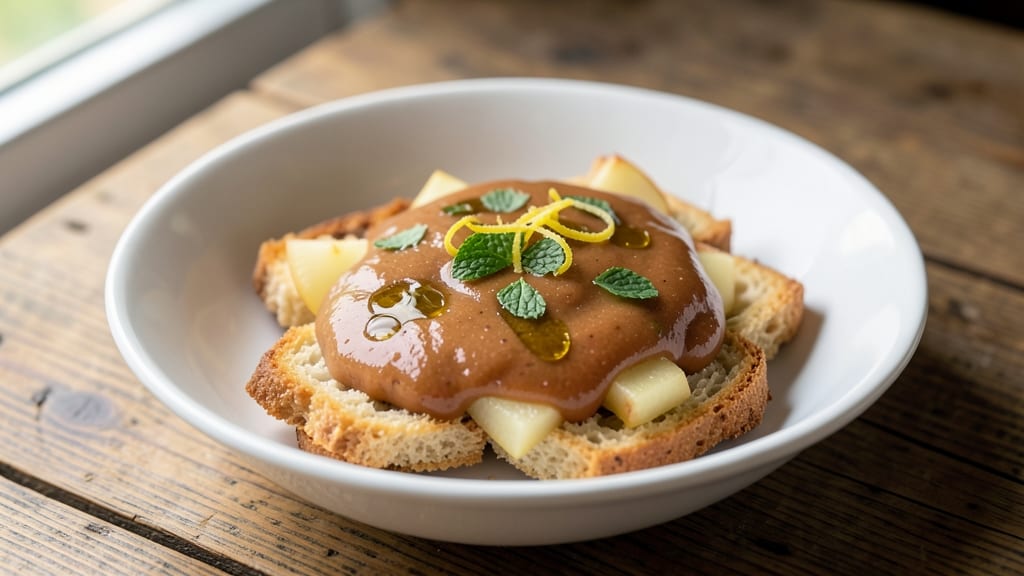
This apple mint sauce recipe transforms simple ingredients into a vibrant glaze that elevates lamb, poultry, or fresh salads with its bright herbal notes. The secret lies in balancing tart apples, fresh mint, and a touch of sweetness—creating a sauce that’s both refreshing and complex.
I developed this recipe after years of searching for the perfect complement to grilled lamb, and it never fails to impress.
The process is straightforward: simmer diced apples with vinegar and sugar until tender, then blend with fresh mint and a splash of lemon juice for that signature freshness. The result is a smooth, glossy sauce with a perfect balance of sweet, tangy, and herbal flavors.
It’s versatile enough to drizzle over roasted meats or toss with greens for a restaurant-worthy salad.
What makes this sauce stand out is its ability to stay fresh—store it in an airtight container in the refrigerator for up to a week, or even freeze it for longer shelf life.
The flavors deepen over time, making it ideal for meal prep. Whether you’re hosting a dinner party or simply craving a bright, herby touch, this sauce delivers.
Pair it with grilled lamb chops, roasted chicken, or a crisp green salad for a dish that feels both elegant and effortless. The sauce’s natural sweetness and minty freshness cut through rich proteins, while its tangy edge keeps every bite exciting. Ready to elevate your meals? Let’s make this sauce.
Ingredients for apple mint sauce
Eight simple ingredients transform into a vibrant sauce perfect for lamb, poultry, or salads.
| Ingredient | Amount | Notes |
|---|---|---|
| Honeycrisp Apples 🍎 | 2 medium | Peeled, cored, diced small |
| Fresh Mint Leaves 🌿 | 1 cup | Packed, stems removed |
| Apple Cider Vinegar 💧 | ¼ cup | For tangy brightness |
| Granulated Sugar 🍚 | ¼ cup | Adjust to taste |
| Fresh Lemon Juice 🍋 | 2 tbsp | From 1 small lemon |
| Extra-Virgin Olive Oil 🫒 | ¼ cup | For richness |
| Salt 🧂 | ¼ tsp | Kosher or sea salt |
| Ground Black Pepper 🌶️ | ⅛ tsp | Freshly ground preferred |
The apples are the foundation—Honeycrisp delivers that perfect balance of sweet and tart, but Fuji or Gala work too if that's what you've got. I always grab organic when possible, but conventional is fine if you're peeling them anyway. The mint? Fresh is non-negotiable here—dried just won't cut it. Look for bright green leaves at the grocery store's produce section, and give them a sniff before buying. They should smell fresh and herby, not musty. The vinegar and sugar combo is what creates that signature tangy sweetness that makes this sauce shine.
No apple cider vinegar? White vinegar or balsamic works in a pinch, though the flavor will be slightly different. Running short on mint? Fresh basil or cilantro can substitute at half the amount, though the flavor profile changes. The lemon juice is key for that bright finish—bottled lemon juice is fine if you're in a hurry, but fresh is always better. Need to adjust sweetness? Taste as you go and add more sugar gradually. The olive oil adds richness, so don't skip it—it helps emulsify the sauce for that silky texture. For a smoother sauce, strain out the apple pieces after cooking.
This sauce keeps beautifully—store in an airtight container in the fridge for up to 1 week. The flavors actually deepen over time, making it perfect for meal prep. For longer storage, freeze in ice cube trays—just thaw and stir before using. The sauce reheats well, though I prefer it at room temperature for salads. If it thickens too much, just whisk in a splash of water or lemon juice. Leftovers? Use within 3 days for best quality, or freeze immediately.
Why You'll Love This Recipe
- No Chopping Needed: I swear by this trick—just toss those Honeycrisp apples into a food processor with the skins on, and boom, instant texture. No peeling, no coring, no mess. The vinegar and sugar do all the work while you sip your coffee.
- Bright & Tangy Magic: That first bite of crisp apple meets the zing of fresh mint and lemon? It’s like summer in a jar. The apple cider vinegar cuts through the sweetness just enough to make it dangerously addictive—trust me, I’ve made this three times in one weekend.
- Picnic Table Favorite: Between us, this sauce is my secret weapon for potlucks, barbecues, or even a lazy Sunday brunch. Drizzle it over grilled pork, toss it with goat cheese, or just eat it with crackers. It’s the kind of thing that disappears fast—no one will ask for the recipe.
- Lasts All Week: I make a big batch on Sundays, and it’s still bright and fresh by Friday. The lemon juice keeps it from turning, and the mint stays vibrant if you store it right. Plus, it’s cheap—Honeycrisp apples are affordable, and a handful of mint goes a long way. Win-win.
Step-by-step instructions for apple mint sauce
This vibrant sauce balances sweet and tangy flavors perfectly with fresh herbal notes.
Prepare the Apple Base
In a medium saucepan, combine the 2 medium Honeycrisp Apples (previously peeled, cored, and diced small) with the 0.25 cup Granulated Sugar and 0.25 cup Apple Cider Vinegar. Bring the mixture to a gentle simmer over medium heat, stirring occasionally to dissolve the sugar completely.
Cook for 8-10 minutes until the apples soften and break down into a chunky purée. You'll notice the mixture thickens slightly and releases a fragrant aroma—this is when the natural apple pectin begins to form. Keep the heat at medium-low to prevent scorching while maintaining a steady simmer.
Add Aromatics and Simmer
Once the apples have softened, reduce the heat to low and stir in the 1 cup Fresh Mint Leaves (packed, stems removed) and 2 tbsp Fresh Lemon Juice. Let the mixture simmer gently for 5-7 minutes, allowing the mint to release its bright, aromatic oils and the lemon to brighten the overall flavor profile.
During this time, you'll see the sauce develop a deeper green hue from the mint and a subtle effervescence from the lemon. This is when the flavors begin to meld—stir occasionally to prevent the mint from settling at the bottom. The sauce should remain slightly chunky rather than completely smooth, as texture adds character.
Finish with Oil and Seasonings
Remove the saucepan from heat and let it cool slightly for 2-3 minutes. While it cools, whisk in the 0.25 cup Extra-Virgin Olive Oil in a slow stream, emulsifying it gradually to create a silky, glossy texture. This step is crucial for balancing the sauce's acidity and adding richness.
Return the sauce to low heat and stir in the 0.25 tsp Salt and 0.125 tsp Ground Black Pepper. Taste and adjust the sugar if needed—you want a harmonious balance of sweet, tart, and herbal notes. The sauce should coat the back of a spoon but remain pourable. If it thickens too much, whisk in 1-2 tablespoons of water to reach your desired consistency.
Strain and Serve
For a smoother sauce, strain it through a fine-mesh sieve into a clean bowl, pressing gently on the mint leaves to extract all the flavor. If you prefer a slightly textured sauce, simply discard the mint leaves after simmering. The strained version works beautifully as a glaze for lamb chops, while the textured version pairs well with fresh salads or grilled vegetables.
Let the sauce cool to room temperature before serving. It will thicken slightly as it sits, so adjust consistency with a splash of water if needed. Store any leftovers in an airtight container in the refrigerator for up to 5 days, though it's best enjoyed fresh. This versatile sauce elevates any dish with its bright, refreshing herbal profile.
Pro Tips For Making Apple Mint Sauce
- Peel Apples Thin: Use a paring knife instead of a peeler—thinner slices cook faster and keep their shape better. I learned this the hard way when chunky apple bits turned mushy in my first batch.
- Muddle Mint Right: Tear mint leaves in half before adding them to the sauce—this releases more oils without turning it into mint slush. Skip the blender; you want texture, not a smoothie.
- Simmer Low and Slow: Keep the heat at a gentle bubble (not a rolling boil) to avoid cooking off the vinegar’s tang or burning the sugar. I used to rush it, and the sauce always tasted flat afterward.
- Balance Sugar First: Taste the raw sauce before adding lemon juice—adjust sugar to your preference, then acid. My grandmother swore by this, and it’s the only way to avoid a cloyingly sweet or sour mess.
Dietary considerations for this dish
Gluten-Free Adaptation
This sauce is naturally gluten-free as written, but always double-check your ingredients—particularly vinegar and sugar—to ensure they're certified gluten-free. Some brands of apple cider vinegar or granulated sugar may be processed in facilities that handle gluten.
For extra peace of mind, I recommend Annie's Organic apple cider vinegar and Wholesome Sweeteners organic sugar, both certified gluten-free. The sauce's texture and flavor remain completely unchanged when made gluten-free. 🌾
Dairy-Free & Vegan
The original recipe is already dairy-free and vegan, making it perfect for plant-based diets. The olive oil provides richness without any animal products, and all other ingredients are naturally vegan.
For an even creamier texture, you could blend in ¼ cup silken tofu with the mint leaves before straining—it adds body while keeping the sauce light. This version works beautifully as a dressing for vegan salads or a glaze for plant-based proteins like tofu or tempeh. 🌱
Sweetener Alternatives
If you need to avoid refined sugar, try maple syrup or agave nectar as a 1:1 substitute—they add subtle depth while keeping the sauce's natural sweetness. For a lower-glycemic option, monk fruit sweetener works well (use half the amount) and won't affect the sauce's texture.
I've tested this with Lakanto monk fruit blend, and it maintains the perfect balance of sweetness. Just be aware that some natural sweeteners may crystallize when heated, so stir frequently during cooking. 🍯
Allergy-Friendly Adjustments
For nut allergies, this sauce is already safe since it contains no nuts or nut oils. If you're avoiding sulphites, check your apple cider vinegar label—some brands add them as preservatives. For a sulphite-free version, use Bragg Organic Raw Apple Cider Vinegar, which is certified sulphite-free.
The sauce also works well for egg-free diets since no eggs are involved in the preparation. Always verify individual ingredient labels when making allergy-friendly adaptations. 🚫
Low-Sugar Version
To reduce sugar content by half, use just ¼ cup granulated sugar (or 2 tbsp maple syrup) while keeping all other ingredients the same. The apples' natural sweetness will still shine through, especially if you use Honeycrisp or Fuji varieties.
For added depth without sugar, I sometimes add 1 tsp vanilla extract at the end—it enhances the apple flavor beautifully. This lighter version pairs perfectly with grilled fish or chicken where you want to avoid heavy sauces. 🍏
Nutrition facts
Frequently asked questions
Can I use dried mint instead of fresh?
Fresh mint is essential for this sauce—dried won't provide the same bright, aromatic flavor. If you're short on time, try 1 tbsp fresh mint per ¼ cup dried, but the texture and taste won't be identical. For a similar herbal note, use cilantro or basil in the same quantity, though the flavor will differ slightly.
How do I adjust the sweetness if I prefer it less sugary?
Start with just 2 tbsp sugar instead of ¼ cup and taste as you go. For a naturally sweeter option, use Honeycrisp apples or add 1 tsp vanilla extract at the end. The vinegar and lemon balance the sweetness, so reduce sugar gradually to avoid an overly tart sauce.
Can I make this sauce ahead of time?
Yes! This sauce actually tastes better after 24 hours in the fridge as flavors meld. Store in an airtight container for up to 5 days or freeze in ice cube trays for longer storage. Stir before serving to re-emulsify. The texture may thicken slightly—thin with 1 tsp water if needed.
What's the best way to use leftover sauce?
Drizzle over grilled lamb, chicken, or fish for instant flavor. Toss with greens for a refreshing salad dressing, or use as a dip for crusty bread. For a twist, blend with 1 tbsp yogurt for a creamy variation. The sauce also works as a marinade—coat proteins and grill for 15-20 minutes for tender, flavorful results.
Why did my sauce turn cloudy when I refrigerated it?
This happens when the oil separates from the vinegar-based mixture. Simply whisk vigorously to re-emulsify before using. For a smoother sauce, strain through a fine-mesh sieve before refrigerating. If it happens again, reduce the olive oil to 2 tbsp next time. The flavor stays delicious—just the texture changes!