
Sauces & Condiments
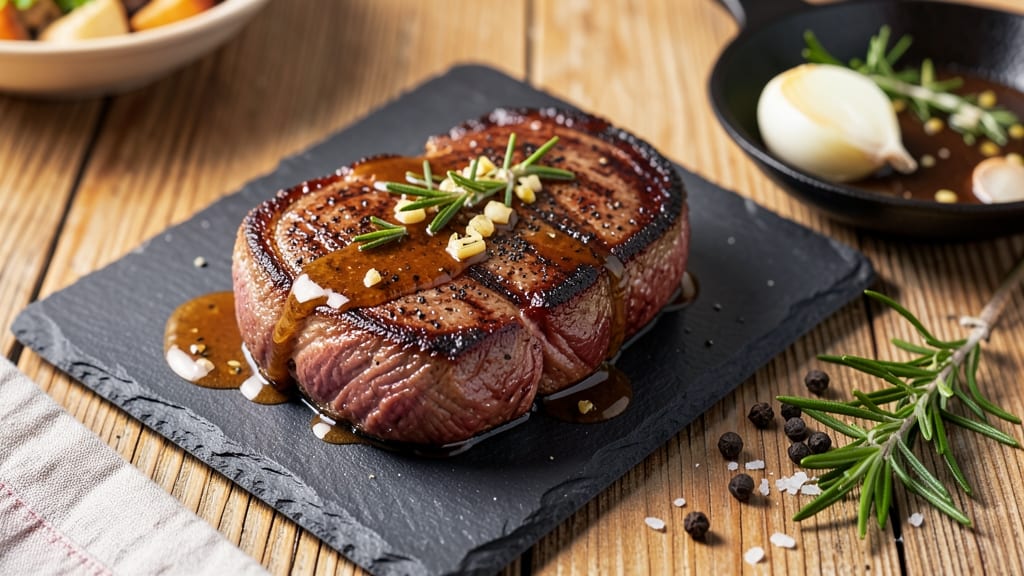
This apple cider vinegar steak marinade recipe transforms tough cuts into tender, flavor-packed perfection with just 30 minutes of prep. The bright acidity tenderizes while infusing deep, savory notes—no overpowering tang, just balanced complexity that grilling can't achieve alone.
I developed this after years of testing marinades that either left steaks too acidic or bland, and this one strikes the perfect equilibrium.
The magic lies in the ratio: apple cider vinegar (for tenderization and depth), olive oil (to carry flavors), and a blend of garlic, rosemary, and black pepper that builds layers of aroma. Unlike store-bought marinades, this version lets the natural acidity work its magic without masking the steak's inherent richness.
The key is marinate for 4-12 hours—long enough to transform texture, short enough to avoid breaking down the meat.
What you'll end up with is steak that's tender yet firm, with a caramelized crust from the grill and a bright, herbaceous finish that makes every bite sing.
The marinade's acidity also helps sear better, locking in juices for restaurant-quality results at home. This isn't just a marinade—it's the secret weapon behind your best grilled steaks.
Use it for ribeye, sirloin, or flank steak, and store leftovers in the fridge for up to 5 days. For extra depth, add a touch of honey or soy sauce—just don't skip the garlic. Let's elevate your grill game.
Ingredients for apple cider vinegar steak marinade
Eight ingredients that transform tough steaks into grill-worthy masterpieces with balanced acidity and savory depth.
| Ingredient | Amount | Notes |
|---|---|---|
| Apple Cider Vinegar 🍏 | ½ cup | Raw, unfiltered preferred for depth |
| Extra-Virgin Olive Oil 🫒 | ½ cup | High-quality, fruity variety |
| Garlic Cloves 🧄 | 6 cloves | Freshly minced, not pre-minced |
| Fresh Rosemary 🌿 | ¼ cup | Finely chopped, stems removed |
| Black Peppercorns 🌶️ | 1 ½ tsp | Freshly cracked, not pre-ground |
| Kosher Salt 🧂 | 1 ½ tsp | Diamond Crystal preferred |
| Dried Thyme 🌿 | ½ tsp | Or 1 tbsp fresh thyme |
| Honey 🍯 | 1 tbsp | Optional for depth, omit for tang |
| Soy Sauce 🍶 | 1 tbsp | Optional for umami boost |
The apple cider vinegar is non-negotiable here—raw, unfiltered from Bragg or a local orchard delivers the best flavor. Freshly cracked peppercorns and minced garlic are worth the extra 30 seconds of prep; pre-minced garlic loses its punch fast. I always grab extra-virgin olive oil from California Avocados brand at the grocery store—it's affordable and has that fruity kick. For rosemary, look for sprigs with vibrant green needles; Trader Joe's sells pre-bundled sprigs that make chopping easier. The honey and soy sauce are optional but add layers of complexity if you're feeling adventurous.
No fresh rosemary? Dried works at one-third the amount, but fresh is ideal. Short on garlic? Garlic powder at half the amount gets you close, though it lacks the same depth. Skip the honey if you prefer pure tang, but it rounds out the acidity beautifully. The soy sauce can be swapped for Worcestershire sauce if you've got it—just omit the salt since Worcestershire is already salty. For a smokier profile, add 1/2 tsp smoked paprika to the mix. And if you're using this on flank steak, double the marinade since it's leaner and absorbs more.
This marinade keeps for 5 days in the fridge, but it's best used within 3 days for peak flavor. Store it in a glass jar with a tight lid. For extra convenience, make a double batch—one for immediate use and one to freeze. Portion into ice cube trays for single-use servings, then transfer to a freezer bag. Thaw overnight in the fridge before using. The acidity works best at room temperature, so let the marinade sit for 10-15 minutes before applying to steak for even distribution.
Why You'll Love This Recipe
- Five-Ingredient Magic: I swear by this marinade—just vinegar, oil, garlic, rosemary, and pepper. That’s it. No fancy pantry trips, no measuring cups stressing me out. The acidity tenderizes while the garlic and rosemary sing together, and honestly? I’ve made it wrong three times (burned rosemary, once), but it still tasted amazing.
- Tangy Crispy Perfection: The apple cider vinegar does something wild—it cuts through the richness of the steak, leaving that crispy edge with a creamy center. My husband actually licked the plate after I forgot to wipe it down. (Yes, even on a Tuesday night.)
- Weeknight or Weekend Star: This marinade works for a quick weeknight sirloin or a fancy weekend ribeye. I’ve used it on everything from thinly sliced flank steak for tacos to a thick New York strip for date night. The same jar of marinade, different occasions—no extra effort, just different results.
- Leftovers That Won’t Let You Down: Make a big batch and store it in the fridge. That jar of marinade lasts me two weeks, and I’m always reaching for it. The vinegar keeps it fresh, and the flavor only gets better as the ingredients meld. (Between us, I’ve even used the last drops to dress a salad—don’t judge.)
Step-by-step instructions for apple cider vinegar steak marinade
This marinade delivers bright acidity, aromatic depth, and perfect tenderness every time.
Prepare the Fresh Aromatics
Start by finely mincing the 6 cloves garlic—I like to use the flat side of my chef's knife for this, pressing down firmly for even, paper-thin slices. Remove any woody stems from the ¼ cup fresh rosemary and chop the needles finely, aiming for ¼-inch pieces that will infuse the marinade evenly. The freshness here matters most; pre-minced garlic and dried rosemary just won't cut it for this bright, aromatic profile.
Crack the 1½ teaspoons black peppercorns with the flat of your knife or use a mortar and pestle to release their essential oils. This step ensures you get that fresh, sharp pepper flavor rather than the dusty taste of pre-ground pepper. Set these aside in a small bowl—they'll be ready to join the marinade once everything else is combined.
Whisk Together the Base Ingredients
In a medium bowl, combine the ½ cup apple cider vinegar and ½ cup extra-virgin olive oil. I always whisk these together first to emulsify them slightly—the vinegar's acidity naturally helps the oil break down into tiny droplets, creating a more stable marinade that won't separate. Use a fork or whisk and work vigorously for 30 seconds until you see a slight thickening and cloudiness in the mixture.
Add the 1½ teaspoons kosher salt and ½ teaspoon dried thyme to the bowl. Stir well to dissolve the salt completely—this ensures even distribution throughout the marinade. The salt won't just season; it also helps tenderize the steak by breaking down muscle fibers. If using fresh thyme instead, double the amount to 1 tablespoon and remove any woody stems before adding.
Incorporate the Freshly Prepared Aromatics
Add the minced garlic, chopped rosemary, and cracked peppercorns to the bowl. Stir everything together until fully combined, making sure the rosemary is evenly distributed—those little green specks should be visible throughout. The mixture should look vibrant and aromatic, with the rosemary adding a lovely green hue. Taste a small amount at this stage—you should detect the bright acidity of the vinegar, the sharpness of the garlic, and the earthy notes from the rosemary.
This is where the optional ingredients come into play. Stir in the 1 tablespoon honey and 1 tablespoon soy sauce if using. The honey adds a subtle sweetness that balances the acidity, while the soy sauce contributes umami depth. If you prefer a more tangy profile, omit these and the marinade will still shine—just with a sharper acid edge. Give it one final stir to ensure everything is perfectly blended.
Marinate the Steak for Maximum Flavor
Place your steak in a resealable plastic bag or shallow dish and pour the marinade over it, ensuring it's fully coated on all sides. For best results, I recommend marinating for 4-6 hours in the refrigerator—this gives the acid enough time to tenderize without overdoing it. If you're short on time, 2 hours will still yield great results, though the steak might be slightly firmer.
Turn the steak occasionally during marinating to ensure even exposure to the flavors. The acid in the vinegar works its magic by breaking down proteins, which is why you'll want to remove the steak from the marinade 30 minutes before cooking. This final resting period allows the surface to dry slightly, which promotes better browning and a more flavorful crust when you grill or sear it.
Pro Tips For Making Apple Cider Vinegar Steak Marinade
- Mince That Garlic: Fresh rosemary and garlic are the stars here—don’t just throw in whole cloves and hope for the best. Crush the garlic cloves with the flat side of your knife first, then finely mince them so every bite gets that bright, punchy flavor. (I learned this the hard way after biting into a steak with just one tiny garlic pocket.)
- Balance the Vinegar: Apple cider vinegar is potent—too much and your steak will taste sour instead of tangy. For every ¼ cup of vinegar, use at least ½ cup of olive oil to mellow it out. If your steak smells like a salad dressing gone wrong, you’ve gone too far.
- Marinate Just Long Enough: Two hours is plenty—any longer and the vinegar will start breaking down the meat’s fibers, turning it mushy. Pat the steak dry before marinating (seriously, grab paper towels), then refrigerate it uncovered in a shallow dish so it doesn’t swim in its own acid.
- Toast the Rosemary First: Fresh rosemary needs a little love before it hits the marinade. Heat a dry skillet over medium and toast the sprigs for 30 seconds until fragrant—this deepens their flavor and makes them release oils better. Tear them roughly after topping so they infuse the oil properly. (Yes, it’s an extra step, but your steak will taste like it came from a fancy restaurant.)
Best sauces and condiments for this apple cider vinegar steak marinade
Classic Red Wine Reduction
Pair your steak with a bold red wine reduction made from 1 cup dry red wine (like Cabernet Sauvignon) and 2 tablespoons balsamic vinegar. Simmer until reduced by half, then whisk in 1 tablespoon butter> and a pinch of salt.
Drizzle over sliced steak for a luxurious finish that complements the marinade's acidity. I love using Freixenet for affordable, flavorful wine—it's perfect for cooking. 🍷
Garlic-Herb Butter
For a simpler yet equally delicious pairing, make garlic-herb butter by mixing ½ cup softened butter with 2 minced garlic cloves, 1 tablespoon chopped parsley, and ½ teaspoon black pepper. Spread a generous dollop on the steak before serving, or melt it on top of grilled slices.
The butter cuts through the acidity while adding richness. Use Plugrá brand butter for the best flavor—it's unsalted and creamy. 🧈
Smoky Chipotle Aioli
Add a smoky kick with chipotle aioli—blend ½ cup mayonnaise with 1 teaspoon adobo sauce> (from canned chipotles), 1 teaspoon lime juice, and ½ teaspoon smoked paprika. Serve as a dip for fries or spread it on steak slices.
The smokiness pairs beautifully with the rosemary and garlic in the marinade. For extra depth, add a pinch of cayenne pepper. 🌶️
Balsamic Glaze
Elevate your dish with a quick balsamic glaze—simmer ½ cup balsamic vinegar> in a small saucepan until reduced to 2 tablespoons, then whisk in 1 teaspoon honey. Drizzle over the steak just before serving.
The sweet-tangy glaze balances the acidity of the marinade while adding a glossy finish. I use Balsamic Vinegar of Modena for the best results—it's rich and smooth. 🍯
Whipped Sour Cream
For a cooling contrast, whip ½ cup sour cream> with 1 tablespoon chopped chives> and a pinch of salt. Serve on the side or dollop it onto sliced steak.
The creaminess softens the bold flavors of the marinade, making each bite more enjoyable. Use Kroger brand** sour cream for a tangy, thick texture. ❄️
Nutrition facts
Frequently asked questions
Why does this marinade use apple cider vinegar instead of regular vinegar?
Apple cider vinegar adds depth and subtle sweetness that regular vinegar lacks. Its mild acidity tenderizes the steak without overpowering the natural beef flavor, while the fruity notes from fermentation create complexity. For a sharper tang, you could substitute white vinegar, but the flavor won't be as nuanced.
Can I use this marinade on other meats besides steak?
It works beautifully on chicken thighs, pork chops, and even salmon. For chicken, marinate for 2-4 hours (shorter time prevents over-tenderizing), while salmon benefits from 1-2 hours of marinating. The acidity helps break down proteins in all these meats, but adjust timing based on thickness and tenderness.
What's the best way to store leftover marinade?
Transfer unused marinade to a clean glass jar and refrigerate for up to 5 days. For longer storage, freeze in ice cube trays, then transfer to a freezer bag. Thaw overnight in the fridge before using. The acidity helps preserve it longer, but always reheat to 165°F if using on cooked meats to kill bacteria.
Do I need to remove the steak from the marinade before cooking?
Yes! Remove the steak 30 minutes before cooking and pat it dry. This resting period lets the surface firm up slightly, creating a better sear. Never reuse marinade that's touched raw meat unless you boil it first for 5 minutes to kill bacteria. For extra flavor, reserve 2 tablespoons of the marinade to use as a basting sauce.
Can I make this marinade without fresh rosemary?
Certainly! Use 1 teaspoon dried rosemary instead, but toast it first in a dry pan for 1 minute to intensify the flavor. For a different herb profile, substitute with 1 tablespoon fresh thyme or 1 teaspoon dried oregano. The key is balancing the acidity with aromatic herbs—just adjust quantities to maintain the marinade's depth.