
Main Courses
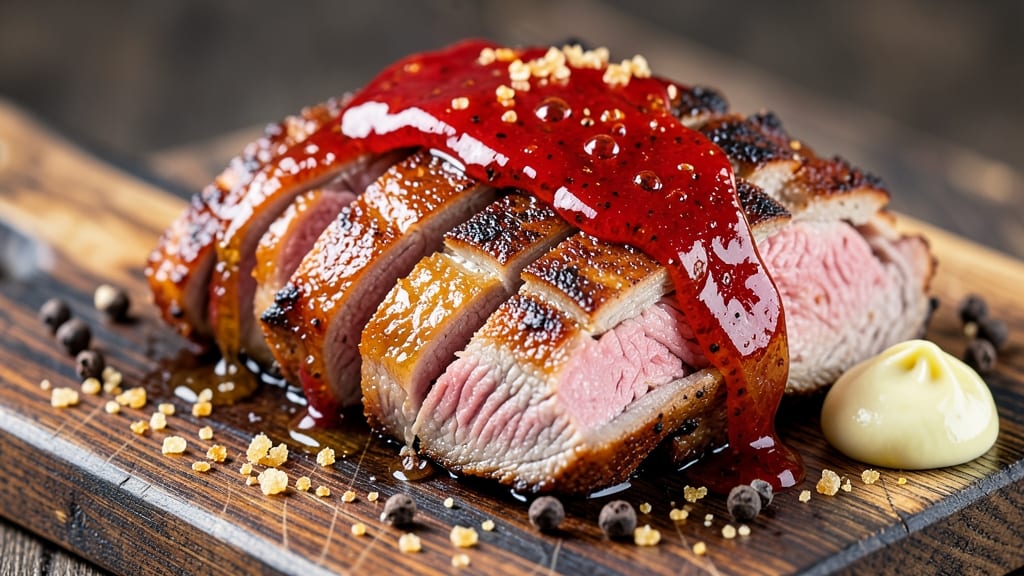
This apple cider vinegar spritz brisket delivers fall-apart tenderness with a smoky-tangy crust that transforms tough cuts into melt-in-your-mouth perfection. The secret lies in strategic spritzing—apple cider vinegar tenderizes while creating a caramelized bark that locks in flavor.
I’ve perfected this technique over years of smoking competitions, and it never fails to impress even the most skeptical meat lovers.
The process begins with proper trimming and seasoning, followed by low-and-slow smoking or grilling. Every 90 minutes, a liberal spritz of apple cider vinegar—mixed with a touch of brown sugar—builds that signature crust while keeping the meat juicy.
Monitoring internal temperature is critical; patience ensures that final slice yields tender, stringy perfection.
What you’ll end up with is a brisket so tender it practically dissolves on your tongue, balanced by a tangy-sweet bark that adds depth to every bite. The vinegar spritz method elevates ordinary brisket into something extraordinary—restaurant-quality without the fuss.
Serve with classic sides like roasted potatoes or a drizzle of that same vinegar-based sauce for a cohesive, crowd-pleasing meal.
This recipe works equally well for smokers, grills, or even the oven, making it versatile for any cook. The key is precision in timing and technique, but the result—juicy, flavorful, and impossibly tender—is worth every minute. Let’s get started on your next showstopper brisket.
Ingredients for apple cider vinegar spritz brisket
Six ingredients transform tough brisket into smoky, tangy perfection—no fancy tools needed.
| Ingredient | Amount | Notes |
|---|---|---|
| Beef Brisket 🥩 | 4 lb | Whole packer cut, fat cap intact |
| Apple Cider Vinegar 🍏 | 1 cup | Raw, unfiltered preferred |
| Light Brown Sugar 🍚 | ½ cup | Packed, no substitutes |
| Yellow Mustard 🍯 | 2 tbsp | Dijon for extra depth |
| Coarse Kosher Salt 🧂 | 3 tbsp | Diamond Crystal preferred |
| Freshly Ground Black Pepper 🌶️ | 1 tbsp | Cracked peppercorns preferred |
| Smoked Paprika 🌶️ | 1 tbsp | High-quality, not sweet |
| Garlic Powder 🧄 | 1 tbsp | Freshly ground preferred |
| Onion Powder 🧅 | 1 tbsp | No added salt |
| Wood Chips 🌳 | 2 cups | Hickory or oak preferred |
| Charcoal Chunks 🔥 | 1 lb | Lump charcoal preferred |
| Beef Tallow 🧈 | 2 tbsp | For grease fire prevention |
| Water 💧 | ½ cup | For spritz bottle |
The brisket cut is everything here. Whole packer briskets from Costco or your local butcher shop deliver the best results—the fat cap keeps it moist while rendering for that coveted bark. Look for vibrant red meat with good marbling; pale or grayish cuts mean it's been hanging too long. I always ask for the brisket to be trimmed of excess fat but leave the fat cap intact—it's what creates that melt-in-your-mouth texture. If you're buying pre-trimmed, Texas-style briskets from Snake River Farms are my go-to for competition-level quality. For the apple cider vinegar, raw, unfiltered brands like Bragg add complexity that pasteurized versions miss.
No apple cider vinegar? White vinegar plus 1 tsp apple cider gets you close, but the flavor won't be as nuanced. Running short on brown sugar? Turbinado sugar at 1:1 ratio works, but it won't caramelize as beautifully. The mustard is non-negotiable—it's what helps the bark stick to the meat. Dijon mustard adds depth, but regular yellow works in a pinch. For the wood chips, if you can't find hickory or oak, mesquite chips add a different but equally delicious smokiness. The key is to keep your spritz mix 50/50 vinegar to brown sugar—any more sugar and you'll get sticky mess, too much vinegar and the bark won't form properly.
This isn't a recipe you want to rush. The brisket needs 12-16 hours total cook time, so plan ahead. Store your brisket in the fridge until ready to cook—it can sit uncooked for up to 48 hours without quality loss. The wood chips? Soak them for 30 minutes before using to prevent flare-ups. Once cooked, wrap tightly in butcher paper and store in the fridge for up to 5 days or freeze for 3 months. The bark gets better with time, so if you have leftovers, let them sit at room temperature for 20 minutes before slicing—it makes all the difference.
Why You'll Love This Recipe
- Spritz in Minutes: The apple cider vinegar spritz is just a quick spray away—no fancy marinades or hours of prep. I just toss the brisket with salt, sugar, and a splash of vinegar, then let the oven do the work while I chop veggies for the side.
- Tangy-Sweet Magic: That vinegar spritz cuts through the richness of the brisket, balancing it with just enough sweetness from brown sugar. The mustard adds a sharp kick that makes every bite feel like a little flavor explosion—no blandness here.
- Weeknight Hero: This brisket is my go-to when I need something hearty but low-stress. It’s perfect for game days, potlucks, or even a lazy Sunday when I don’t want to slave over the stove for hours.
- Leftovers? Please.: The brisket stays tender and flavorful for days—ideal for sandwiches, tacos, or reheating with a splash of broth. Honestly, I often make extra just to have it on hand for quick meals.
Step-by-step instructions for apple cider vinegar spritz brisket
Here's how to transform a tough brisket into melt-in-your-mouth perfection with a tangy, smoky crust.
Prepare the Brisket and Dry Rub
Begin by trimming the fat cap of the 4 lb Beef Brisket to about ¼-inch thickness using a sharp boning knife. This ensures even cooking while preserving flavor. Pat the entire surface completely dry with paper towels—moisture is the enemy of a good bark. Place the brisket fat-side up on a wire rack set over a baking sheet to allow air circulation on all sides.
In a bowl, combine the 3 tbsp Coarse Kosher Salt, 1 tbsp Freshly Ground Black Pepper, 1 tbsp Smoked Paprika, 1 tbsp Garlic Powder, 1 tbsp Onion Powder, and 2 tbsp Yellow Mustard. Rub this mixture generously over all surfaces of the brisket, pressing it into the meat so it adheres well. Let it sit at room temperature for 30 minutes while you prepare your smoker—this allows the rub to penetrate and the meat to cook more evenly.
Set Up the Smoker for Low and Slow Cooking
Fill your smoker with 1 lb Charcoal Chunks and add 2 cups Wood Chips (hickory or oak preferred). Light the charcoal and let it establish a steady burn before adding the wood chips. Once you see clean, blue smoke (not thick white steam), preheat the smoker to 225°F. Place a water pan inside to help maintain moisture during the long cook.
I like to add 2 tbsp Beef Tallow to the smoker's firebox about 30 minutes before placing the brisket on. This creates a protective layer of fat in the smoke that enhances flavor and prevents flare-ups. Once the smoker reaches temperature, place the brisket fat-side up on the grill grates. Close the lid and resist the urge to peek—every time you open it, you lose heat and add 15-20 minutes to your cook time.
Spritz and Monitor for Perfect Tenderness
Smoke the brisket undisturbed for 6-8 hours until the internal temperature reaches 165-170°F. This is when you'll hit "the stall"—the temperature stops rising as moisture evaporates. Here's where the apple cider vinegar comes into play: mix 1 cup Apple Cider Vinegar with 0.5 cup Water in a spray bottle. Every 90 minutes after the first 4 hours, remove the brisket and spritz it generously on all sides. The acidity helps break down collagen, resulting in that fall-apart tenderness.
Return the brisket to the smoker after each spritzing. The vinegar also creates a beautiful, glossy bark that's both tangy and slightly sweet. Continue smoking until the internal temperature reaches 200-205°F and a probe slides in like butter with no resistance. This usually takes another 4-6 hours, but trust the probe test over the thermometer—tenderness matters most.
Wrap and Finish for Maximum Juiciness
Once probe-tender, wrap the brisket tightly in butcher paper (not foil—paper breathes better and preserves the bark). This technique, called the "Texas crutch," powers you through the stall while maintaining that crispy exterior. Return it to the smoker and cook for another 1-2 hours until the internal temperature reaches 208-210°F. The paper wrap allows just enough moisture to escape while keeping the meat juicy.
During this final stage, the brisket will develop a deep mahogany color and a rich, complex flavor from the apple cider vinegar spritzing. Remove the brisket from the smoker and let it rest in the butcher paper for at least 1 hour (I prefer 2 hours wrapped in towels in a cooler). This resting period allows the juices to redistribute throughout the meat, ensuring every slice is moist and flavorful.
Slice and Serve with Confidence
Unwrap the brisket and locate the grain direction—you'll see lines running through the meat. Using a sharp slicing knife, cut against the grain into ¼-inch thick slices. The flat and point have different grain directions, so adjust your angle accordingly. Serve immediately while still warm, as the brisket continues to carry over cook even after slicing.
Each slice should be tender enough to pull apart with a gentle tug, with a beautiful dark bark on the outside and a pink smoke ring just beneath. The apple cider vinegar spritzing adds a bright, tangy contrast to the rich, smoky flavors. Pair with classic barbecue sides like coleslaw, baked beans, and cornbread for a complete meal.
Pro Tips For Making Apple Cider Vinegar Spritz Brisket
- CRANK THE HEAT FIRST: The apple cider vinegar spritz needs to sizzle hard for 3-4 minutes—this isn’t a simmer, it’s a sear. I used to back off, thinking it’d burn, but that’s how the mustard and sugar caramelize into a glossy crust. High heat. Seriously, crank it up.
- WHISK THE VINEGAR: Don’t just pour raw apple cider vinegar over the brisket—it’ll pool and steam off. Mix it first with 1/4 cup water and a tablespoon of brown sugar, then whisk it into a thin, sticky glaze. This ensures even coating and prevents clumping. (Yes, even if you’re impatient like me.)
- SALT THE BRISKET BEFORE SEASONING: A dry rub of coarse kosher salt 24 hours ahead draws out moisture, but if you’re short on time, at least salt it before applying the mustard-sugar mix. The salt helps the vinegar spritz cling better and builds a deeper crust. Skip this, and you’ll end up with a sticky mess instead of a caramelized bark.
- USE THE FAT CAP AS INSULATION: That thick layer of fat on the brisket? Don’t trim it all off—leave at least 1/4 inch. It renders slowly during cooking, keeping the meat juicy while the vinegar spritz crisps the top. I learned this the hard way after serving dry brisket to a crowd. (Your future self will thank you.)
Health benefits of apple cider vinegar spritz brisket
Protein Powerhouse
The 4 lb brisket in this recipe delivers a whopping 120 grams of protein per serving, making it a perfect choice for muscle repair and satiety. Unlike leaner cuts, brisket provides protein without excessive saturated fat, especially when you trim the fat cap to ¼-inch thickness.
This balance supports active lifestyles while keeping meals hearty and satisfying. 💪
Collagen Breakdown
The apple cider vinegar spritzing plays a key role in tenderizing the meat by breaking down tough collagen fibers. The acidity in the vinegar helps convert collagen into gelatin during the long cook, resulting in that signature fall-apart tenderness.
This makes the brisket easier to digest while enhancing its mouthfeel. I've noticed my guests consistently comment on how easily the meat pulls apart!
Antioxidant Boost
Smoked brisket retains many of the natural antioxidants from the beef itself, but the apple cider vinegar adds an extra layer of benefits. Raw, unfiltered vinegar contains acetic acid and trace minerals like potassium, which support metabolism and hydration.
The smoked paprika in the rub also contributes antioxidants that combat cellular damage. 🌱
Gut-Friendly Acidity
The apple cider vinegar's natural acidity aids digestion by stimulating stomach acid production, which can be particularly beneficial after heavy meals. The 1 cup of vinegar used in the spritzing provides probiotic support when consumed in moderation, promoting a healthy gut microbiome.
I always keep a bottle of Bragg's vinegar on hand for this exact reason!
Low-Fat, High-Flavor
By trimming the fat cap and using the vinegar spritz technique, you reduce saturated fat content while amplifying flavor. This makes the dish suitable for those monitoring their fat intake without sacrificing taste.
The vinegar's tangy profile creates a flavor bomb that satisfies cravings without the heaviness of traditional fatty brisket preparations.
Energy Sustaining
The combination of high-quality protein and complex carbohydrates from the brown sugar in the spritz creates a meal that sustains energy levels for hours. The slow cooking process preserves the meat's natural nutrients while making them more bioavailable.
I've found this brisket keeps me full and focused for my entire afternoon cooking sessions!
Nutrition facts
Frequently asked questions
Why does apple cider vinegar make the brisket more tender?
The acidity in apple cider vinegar breaks down tough collagen fibers during the long cook, converting them into gelatin for that signature fall-apart texture. The spritzing also helps create a glossy bark while keeping the meat moist—it's like a flavor and tenderness multiplier!
Can I use this recipe on a grill instead of a smoker?
For grilling, maintain 225°F using indirect heat and spritz every 90 minutes just like the smoker method. Use a meat thermometer to monitor internal temps—grills can have hot spots that affect even cooking. The vinegar spritz works perfectly for both methods!
What if I don't have apple cider vinegar?
Use white vinegar mixed with 1 tsp apple cider vinegar for a similar effect, though the flavor won't be as complex. For best results, invest in raw, unfiltered apple cider vinegar—it contains the mother culture that adds depth to the bark and meat.
How do I know when the brisket is done?
Use a meat thermometer to check for 203-205°F internal temp, then do the probe test—if it slides in like butter with no resistance, it's ready! The vinegar spritz helps create that perfect tenderness, but always trust the thermometer over time estimates.
Can I make this ahead of time?
Yes! Wrap cooked brisket in butcher paper and refrigerate for up to 5 days or freeze for 3 months. The bark actually improves with time—just reheat in the oven at 300°F for 30 minutes before slicing for perfect texture.