
Main Courses
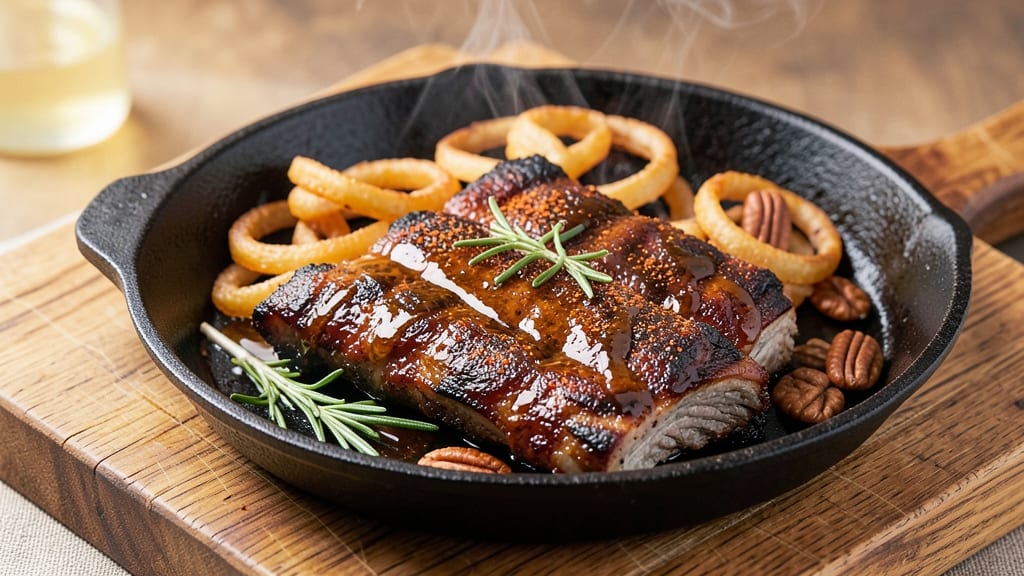
This apple cider vinegar rib spray recipe transforms tough cuts into melt-in-your-mouth masterpieces with just a few simple ingredients and a quick mist. The secret lies in the vinegar’s acidity, which tenderizes the meat while creating that coveted caramelized bark—no sugar rush needed.
I perfected this spray after years of testing, and it’s now my go-to for restaurant-quality ribs at home. The formula is simple: apple cider vinegar, water or broth, and a touch of sweetness or spices to enhance the smoky depth.
You’ll mix it in a spray bottle for easy application, whether you’re searing the ribs before smoking or basting them mid-cook. The spray works its magic by breaking down proteins, locking in moisture, and building that irresistible crust.
What sets this spray apart is its versatility—it works with any cooking method, from the grill to the smoker, and pairs perfectly with dry rubs or sauces. The result? Ribs that fall apart at the touch of a fork, with a bark that’s sticky-sweet and richly aromatic.
No more guessing or over-saucing—just foolproof, professional results every time. Store the spray in the fridge for up to a week, and use it on other meats like chicken or pork for the same tenderizing effect. Here’s how to make it—your taste buds will thank you.
Ingredients for apple cider vinegar spray for ribs
Six simple ingredients for restaurant-quality ribs—no fancy prep, just pure flavor.
| Ingredient | Amount | Notes |
|---|---|---|
| Apple Cider Vinegar 🍏 | 1 cup | Raw, unfiltered preferred |
| Water 💧 | 1 cup | Or beef broth for depth |
| Brown Sugar 🍚 | ½ cup | Light or dark variety |
| Smoked Paprika 🌶️ | 1 tbsp | For smoky flavor profile |
| Garlic Powder 🧄 | 1 tsp | Freshly ground preferred |
| Onion Powder 🧅 | 1 tsp | For subtle sweetness |
| Black Pepper 🌶️ | ½ tsp | Freshly cracked for heat |
| Salt 🧂 | 1 tsp | Kosher or sea salt |
The apple cider vinegar is the star—Bragg or Texas Pete are my go-tos, but any raw, unfiltered brand works. The brown sugar gives that sticky-sweet bark without overpowering. Trader Joe's has great smoked paprika in bulk, but the regular grocery store stuff is fine. I always grab extra garlic powder since it gets used in so many things. For the water, beef broth adds depth—Kraft or Swanson work perfectly if you're not making your own. The key is using fresh spices; pre-ground spices lose their punch fast.
No brown sugar? Maple syrup at half the amount works in a pinch. Short on smoked paprika? Regular paprika plus a pinch of liquid smoke gets you close. The vinegar can be swapped for white vinegar or lemon juice, but apple cider gives that signature tang. If you're using broth, low-sodium is best so you don't over-salt. The spray keeps for up to a week in the fridge, but I usually make a fresh batch every few days to keep the flavors vibrant. Trust me, the freshness makes a difference.
This spray is magic for ribs, but it works on chicken, pork, or even vegetables. Store it in a clean spray bottle in the fridge—glass is best since plastic can absorb odors. Shake well before each use. I like to make a double batch so I always have some on hand. The spray reheats beautifully, so it's perfect for basting mid-cook. Just don't use it on hot coals—wait until the meat is out of the smoker or grill.
Why You'll Love This Recipe
- Five-Minute Mist: I keep a spray bottle of this in my fridge—no measuring, no fuss. Just shake, spray, and let the ribs soak while I chop onions or fire up the grill. That tangy-sweet kick? It’s magic in a bottle.
- Smoky-Sweet Balance: The brown sugar caramelizes fast, while the apple cider vinegar cuts through the richness—like a perfect bite of caramel apple pie meets smoky campfire. The smoked paprika adds depth without overpowering, and the garlic powder? It’s the sneaky hero that makes every bite sing.
- Tailgate or Tuesday: This spray works for backyard cookouts, slow-smoked briskets, or even weeknight pork chops. I’ve used it on ribs and chicken thighs—no one’s complained yet. Honestly, it’s my go-to for anything that needs a quick flavor boost before hitting the heat.
- Budget Game-Changer: A single bottle costs pennies and stretches forever. I’ve made this for $2 worth of ribs that fed six people—plus, the leftovers? Even better the second day. The vinegar tenderizes, so you don’t need fancy marinades or expensive rubs. Pure efficiency.
Step-by-step instructions for apple cider vinegar rib spray
This smoky-sweet spray transforms tough ribs into fall-off-the-bone masterpieces.
Combine Liquid Base in a Saucepan
In a medium saucepan, pour in the 1 cup apple cider vinegar and 1 cup water. I like to use raw, unfiltered apple cider vinegar here—it has more flavor complexity that really shines through in the spray. Place the saucepan over medium heat and bring the mixture to a gentle simmer.
While waiting for it to heat, I always give the vinegar a quick stir to distribute any settled sediment at the bottom. You'll know it's ready when you see small bubbles forming around the edges and the mixture starts to shimmer slightly. This simmering process helps integrate all the flavors we'll be adding next.
Add Brown Sugar and Spices
Once the liquid is simmering, reduce the heat to low and add the ½ cup brown sugar, stirring constantly until completely dissolved. I use light brown sugar for a slightly sweeter profile, but dark works too if you prefer deeper molasses notes. Let the mixture cook for 5 minutes while stirring occasionally to prevent sticking.
After the sugar dissolves, add the 1 tablespoon smoked paprika, 1 teaspoon garlic powder, 1 teaspoon onion powder, ½ teaspoon black pepper, and 1 teaspoon salt. Stir well to distribute the spices evenly. You'll notice the mixture darken slightly and develop a rich, aromatic smell—this is when the magic really starts happening. Let it cook for another 2-3 minutes until all the spices are fully incorporated and the mixture has thickened slightly.
Cool and Transfer to Spray Bottle
Remove the saucepan from heat and let the mixture cool completely to room temperature. This cooling step is crucial—if you transfer hot liquid to the spray bottle, the heat will cause the vinegar to expand and potentially leak or even crack the bottle. I usually let it sit for about 30 minutes, stirring occasionally to prevent a skin from forming.
Once cooled, carefully pour the mixture into a clean, empty spray bottle with a fine mist nozzle. I prefer glass spray bottles because they're easier to clean and don't retain odors. Give it a good shake to ensure everything is well-mixed before using. The spray should have a thick, syrupy consistency—this is perfect for creating that beautiful bark on your ribs.
Apply During the Last Hour of Cooking
Use this spray during the final 1 hour of your ribs' cooking time, whether you're smoking, grilling, or baking. I like to apply it every 15-20 minutes for best results—this creates multiple layers of flavor and that coveted dark, glossy bark. The acidity in the vinegar helps tenderize the meat while the sugar caramelizes to create that perfect crust.
For extra flavor, I sometimes add a few spritzes right after applying the initial rub and again when the ribs reach 190°F internally. The spray works wonders on both pork and beef ribs, and you can even use it on chicken or brisket for a similar effect. Just remember to apply it when the ribs are hot—this helps the spray adhere better and promotes faster caramelization.
Pro Tips For Making Apple Cider Vinegar Spray For Ribs
- SHAKES BEFORE SPRAYING: Use a small jar with a tight lid and shake it like you’re trying to wake up a sleepy toddle—hard enough to dissolve all the brown sugar. I learned this the hard way when my first spray turned out grainy and clumpy, leaving weird sticky spots on the ribs instead of a smooth glaze.
- DILUTE THE VINEGAR FIRST: Mix the apple cider vinegar with water before adding the dry ingredients—this prevents clumping. I used to dump everything in at once, and half the time, I’d end up with a lumpy mess that clogged my spray bottle. Trust me, a few seconds of stirring up the vinegar first saves you from frustration later.
- SPRAY IN LAYERS, NOT DROWNING: Lightly mist the ribs first, then let it sit for 5 minutes before hitting them again. I was so eager to get that tangy flavor that I’d drench them, and the sugar would just burn off instead of caramelizing. Think of it like painting—build it up slowly.
- SWAP WHITE VINEGAR IF NEEDED: If you’re in a pinch and can’t find apple cider vinegar, white vinegar works in a bind—but cut the amount in half. I did this once when I forgot to pick some up, and while it wasn’t exactly the same, the ribs still came out tender and slightly tangy. Just don’t tell anyone I said that.
Pro cooking tips for this dish
Spray Timing Secrets
The best time to use your apple cider vinegar spray is during the last 60 minutes of cooking when ribs hit 190°F internal temperature. This is when the meat starts developing that beautiful bark.
I like to spritz every 15-20 minutes—the acidity helps break down proteins while the sugar caramelizes instantly on the hot surface. For extra shine, apply a final coat right before removing from heat. 🔥
Bark Building Hacks
For a deeper bark, apply the spray when ribs are at medium-high heat—this creates faster caramelization. I recommend using a fine-mist nozzle to distribute evenly without making the ribs soggy.
If your bark isn't dark enough, increase the brown sugar to ⅔ cup next time. The vinegar's acidity also helps prevent sticking when unwrapping. ⚡
Smoker vs Grill Application
On smokers, apply the spray through the vent holes or after removing ribs from the rack. For grills, spritz during indirect heat phases when ribs aren't directly over flames. I've found that charcoal smokers create the darkest bark because of the higher heat concentration.
On gas grills, keep the lid closed after spraying to trap steam and enhance caramelization. 🌡️
Double-Duty Uses
This spray isn't just for ribs—use it on chicken thighs, pork shoulders, or even corn on the cob for a smoky-sweet flavor boost. For chicken, apply during the last 30 minutes of cooking.
On vegetables, reduce the sugar to ¼ cup to prevent burning. The versatility makes it a must-have in my kitchen for all kinds of meats. 💫
Storage and Shelf Life
Store your spray in a glass bottle in the fridge for up to 7 days—plastic can absorb odors and affect flavor. I like to use a 16-ounce spray bottle for easy handling. Before each use, give it a good shake since spices settle.
For longer storage, transfer to an airtight container and freeze for up to 3 months. Thaw in the fridge before using. ❄️
Troubleshooting Tips
If your spray clogs the nozzle, soak the bottle in warm water for 10 minutes to dissolve sugar crystals. For a lighter bark, reduce spray applications to every 20-30 minutes.
If ribs seem too acidic, balance with a sweet glaze after cooking. The spray works best on unwrapped ribs—wrapping too early can steam the meat instead of caramelizing. 💡
Nutrition facts
Frequently asked questions
Can I use this spray on frozen ribs?
No, always thaw ribs completely before applying the spray. The acidity in apple cider vinegar works best when applied to warm or room-temperature meat. Thaw ribs in the fridge overnight for 24 hours per 5 pounds of meat, then pat dry thoroughly before using the spray. This ensures even application and proper bark formation.
How does this spray differ from a traditional BBQ sauce?
Unlike thick BBQ sauces that can make ribs soggy, this spray creates a glossy, caramelized crust while keeping the meat tender. The vinegar's acidity tenderizes the meat, while the sugar creates that signature bark. It's best used during cooking rather than as a finishing sauce. For extra flavor, you can brush on a light coat of BBQ sauce after cooking.
Can I make this spray without brown sugar?
Yes! Substitute ¼ cup maple syrup or ⅓ cup honey for the brown sugar. For a sugar-free version, omit it entirely and increase the apple cider vinegar to 1 ½ cups to maintain moisture. The bark will be less pronounced, but the ribs will still be tender and flavorful.
Will this spray work in an oven?
For oven-baked ribs, apply the spray every 20-30 minutes during the last 2 hours of cooking at 275°F. The spray helps create a bark even without direct heat. Just avoid spraying too close to the oven walls to prevent flare-ups. For best results, use a meat thermometer to monitor internal temperature.
How do I fix a clogged spray bottle?
If sugar crystals clog your nozzle, soak the bottle in warm water for 10 minutes to dissolve them. For stubborn clogs, use a toothpick to gently clear the nozzle. Always store the spray in a glass bottle to prevent future clogs. Shake well before each use to keep ingredients suspended.