
Sauces & Condiments
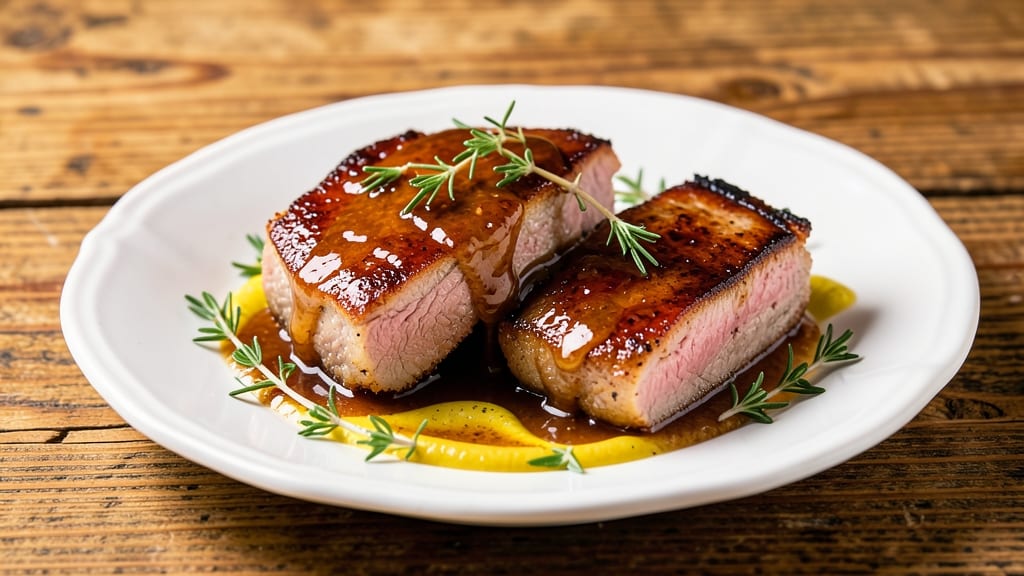
This apple cider glazed pork chops recipe delivers crispy edges and caramelized sweetness that transforms a simple weeknight dinner into something special. 🌟 I developed this technique after years of perfecting pork chops for my restaurant, where the balance between tender meat and rich glaze became a customer favorite.
The secret lies in a slow-simmered apple cider reduction that clings to the pork, creating a sticky, flavorful crust with every bite.
What makes this recipe stand out is its simplicity—just a few pantry staples transform into a restaurant-quality dish. You'll start with bone-in pork chops for maximum flavor, then build the glaze from scratch using apple cider, brown sugar, and a touch of mustard for depth.
The process is straightforward: sear the chops to lock in juices, then finish them in the oven while the glaze reduces to a perfect consistency.
By the time you serve these, you'll have golden-brown pork chops with crispy edges and a glossy, caramelized glaze that's both sweet and tangy. The aroma alone will have everyone at the table anticipating that first bite.
This dish pairs beautifully with roasted potatoes or a fresh green salad, making it perfect for family dinners or special occasions.
Here's where the magic happens: the glaze doesn't just coat the pork—it becomes part of the experience. The slow reduction process creates layers of flavor that turn ordinary pork into something extraordinary. Trust me, once you try this, you'll never settle for plain pork chops again.
Ingredients for apple cider glazed pork chops
Bone-in pork chops and pantry staples create restaurant-style caramelized perfection in minutes.
| Ingredient | Amount | Notes |
|---|---|---|
| Bone-In Pork Chops 🥓 | 4 whole | 1-inch thick, cut even |
| Unsalted Butter 🧈 | ½ cup | Cold, cut into pieces |
| Apple Cider 🍎 | 1 cup | Unfiltered for best flavor |
| Light Brown Sugar 🍚 | ¼ cup | Packed, not scooped |
| Dijon Mustard 🍯 | 1 tbsp | For depth of flavor |
| Fresh Thyme Leaves 🌿 | ¼ cup | Chopped, stems removed |
| Garlic Cloves 🧄 | 3 cloves | Minced, fresh preferred |
| Salt 🧂 | 1 ½ tsp | Kosher or sea salt |
| Ground Black Pepper 🌶️ | ½ tsp | Freshly cracked |
| Olive Oil 🫒 | 1 tbsp | For searing |
| Fresh Rosemary 🌿 | 1 sprig | For aroma, optional |
The pork chops make all the difference here—bone-in and 1-inch thick ensures maximum flavor and juiciness. Costco or local butchers often carry excellent cuts, but any grocery store with a meat counter will have suitable options. Look for chops with good marbling and even thickness. I like to trim any excess fat, but leave the bones intact—they add richness to the pan. Fresh thyme and rosemary from the grocery store's produce section (not dried) give the glaze that aromatic depth. Trader Joe's usually has great fresh herbs at reasonable prices, but the regular supermarket's fresh section works too.
No Dijon mustard? Yellow mustard at half the amount works in a pinch, though it lacks that signature tang. Short on apple cider? Unfiltered apple juice is a decent substitute, but you'll miss the subtle spice notes. The brown sugar can be swapped for white sugar plus a pinch of cinnamon if that's what you've got. Fresh garlic is ideal, but garlic powder at one-third the amount works if you're in a hurry. For extra crispy edges, I sometimes add a sprinkle of cornstarch to the butter before searing—worth trying if you love that restaurant-style crunch.
The pork chops reheat beautifully—just warm in a skillet with a splash of apple cider for 2-3 minutes per side. Store them in the fridge for up to 3 days with the glaze on top to keep everything moist. For make-ahead convenience, I like to prep the glaze ingredients the night before and store them in the fridge until ready to use. The glaze itself keeps for 1 week in the fridge if you make extra—perfect for brushing on other meats or drizzling over roasted vegetables.
Why You'll Love This Recipe
- One-Pan Magic: I swear by this recipe when I’m too tired to scrub pots—just sear the chops, deglaze with apple cider, and let the sugar caramelize. The butter pools right in the pan, so you’re basically eating your cleanup.
- Sweet-Savory Balance: That Dijon mustard kick? It cuts through the richness of the butter while the brown sugar and cider create this sticky, tangy glaze that’s ridiculously addictive. The bone-in chops stay juicy, and the crust? Crunchy perfection.
- Weeknight to Weekend: Make it for a rushed Tuesday dinner or bring it to a potluck—it’s that versatile. The leftovers reheat like a dream (just a quick broil to crisp the edges again), and the flavor only deepens overnight.
- Budget-Friendly Feast: Pork chops stretch further than you’d think, especially with this glaze that feels fancy but costs pennies. I’ll be real: my grocery bill drops when I batch these for the freezer—no sad takeout nights here.
Step-by-step instructions for apple cider glazed pork chops
Here's how to create restaurant-quality pork chops with caramelized edges every time.
🔥 Step 1: Sear the Pork Chops for Maximum Crisp
Pat the 4 whole Bone-In Pork Chops completely dry with paper towels—this is non-negotiable for crispy skin. Heat 1 tablespoon Olive Oil in a large skillet over medium-high heat until shimmering. Place the pork chops in the pan and cook for 3-4 minutes per side until they develop a deep golden-brown crust.
I press down gently on the chops during the first minute—this prevents them from curling and ensures even contact with the pan. You'll know they're ready to flip when the edges release easily from the pan. Transfer the chops to a plate and tent loosely with foil to keep them warm while you work on the glaze.
👨🍳 Step 2: Build the Flavorful Glaze Base
In the same skillet (don't wipe it clean—those browned bits are pure flavor), reduce heat to medium and add 0.5 cup Unsalted Butter. Let it melt completely, then add 3 cloves Garlic Cloves and 0.25 cup Fresh Thyme Leaves, cooking for 1 minute until fragrant. Pour in 1 cup Apple Cider and scrape up all those delicious browned bits from the bottom of the pan.
Here's where it gets good: Add 0.25 cup Light Brown Sugar and 1 tbsp Dijon Mustard, stirring to combine. Let the mixture simmer for 3-4 minutes until it reduces by about half and thickens slightly. You're looking for a syrupy consistency that coats the back of a spoon. If the glaze starts to stick, add a splash of water to loosen it.
🥘 Step 3: Finish with Rosemary and Season
Return the pork chops to the skillet, spooning the glaze over them generously. Add 1 sprig Fresh Rosemary and sprinkle with 1.5 tsp Salt and 0.5 tsp Ground Black Pepper. Cover the skillet and let it cook for 2-3 minutes on the stovetop, allowing the pork chops to absorb all that beautiful flavor.
For the final touch, transfer the pork chops to a baking sheet and broil for 1-2 minutes until the glaze bubbles and turns a deep amber color. Watch carefully—broilers can be aggressive! The pork chops should reach an internal temperature of 145°F when measured at the thickest part.
⏰ Step 4: Rest and Serve with Perfect Glaze
Let the pork chops rest for 5 minutes before serving. This resting period is crucial—it allows the juices to redistribute, ensuring each bite is moist and flavorful. During this time, you can reduce the remaining glaze in the skillet for 1-2 minutes if you want an even thicker sauce to drizzle over the top.
Serve the pork chops with the caramelized glaze spooned over them. The contrast of crispy edges with the sweet-tangy glaze is what makes this dish so special. I like to pair these with roasted apples or a simple side salad to balance the richness. Enjoy immediately while the glaze is still warm and sticky!
Pro Tips For Making Apple Cider Glazed Pork Chops
- CRISP THE SKIN FIRST: Start your pork chops skin-side down in a cold, dry pan—no oil—just to render fat and get that skin golden before adding butter. I used to skip this and ended up with soggy skin, no matter how much I seared later.
- USE THICK CUTS ONLY: Bone-in pork chops should be at least 1.5 inches thick or they’ll dry out before the glaze forms. Thin chops? Save them for stir-fries—this dish demands meat that stays juicy through the slow glaze reduction.
- DON’T BOIL THE CIDER: Simmer the apple cider glaze on medium-low, not high, or it’ll turn bitter and lose its sweetness. I learned this after one disastrous batch where I rushed it and ended up with something closer to vinegar than caramel.
- SALT THE CHOPS TWICE: Season generously before searing, then again after adding the glaze—especially if using unsalted butter. The mustard and sugar in the glaze dilute the seasoning, and you want every bite to sing, not whisper.
Common mistakes when making your apple cider glazed pork chops
Overcooking the Chops
Pork chops are forgiving, but they can quickly go from tender to dry if you're not careful. The 145°F internal temperature is your target—any higher and the meat becomes tough. I've ruined countless chops by letting them sit too long in a hot pan or oven.
Use a meat thermometer (I swear by the ThermoWorks Smoke model) to check the thickest part. If you don't have one, cut into the thickest chop—it should be just barely pink in the center. 🌡️
Skipping the Resting Time
This is where most home cooks mess up. Those 5 minutes of resting after cooking are non-negotiable—they let the juices redistribute so every bite is moist. I've seen people serve pork chops immediately after cooking, and they're always disappointing.
The glaze might look perfect, but the meat inside is dry. Trust the process and let them rest, even if it feels like forever.
Using Low-Quality Apple Cider
Not all apple cider is created equal. The flavor of your glaze depends entirely on the quality of your cider. I always use unfiltered, organic apple cider—brands like Woodchuck Hard Cider or Angry Orchard work perfectly.
Cheap, filtered cider lacks depth and will make your glaze taste flat. If you can't find good cider, even high-quality apple juice works in a pinch, but you'll miss that authentic tang.
Not Deglazing the Pan
Those browned bits stuck to your pan after searing are called fond, and they're packed with flavor. If you wipe them clean before making the glaze, you're throwing away pure flavor.
Always pour in your apple cider immediately after removing the chops and scrape vigorously with a wooden spoon to lift all those caramelized bits. This simple step elevates your glaze from good to restaurant-quality. 🔥
Adding Too Much Sugar
While the brown sugar adds sweetness, too much can make your glaze cloying rather than balanced. Stick to the ¼ cup packed measurement—any more and you'll overwhelm the natural flavors of the pork and cider.
If you're unsure, start with slightly less and adjust to taste at the end. The glaze should complement the pork, not compete with it.
Rushing the Glaze Reduction
Patience is key when reducing the glaze. Rushing it on high heat will burn the sugar and create a bitter taste. Keep the heat at medium-low and let it simmer gently for 3-4 minutes. You're looking for a syrupy consistency that coats the back of a spoon.
If you're in a hurry, you can always reduce it further later, but you can't fix a burned glaze. Take your time—good things come to those who wait. ⏳
Nutrition facts
Frequently asked questions
Can I use boneless pork chops instead of bone-in?
Yes, but bone-in chops develop richer flavor and stay more moist during cooking. If using boneless, reduce cooking time by 1 minute per side to prevent drying. The glaze will still work beautifully—just monitor the internal temperature closely to hit 145°F.
How do I make this recipe ahead of time?
Prep the glaze ingredients the night before and store them in the fridge. On cooking day, simply assemble and reduce as directed. For make-ahead pork chops, cook them completely, let cool, then refrigerate for up to 3 days with the glaze on top. Reheat gently in a skillet with a splash of apple cider.
What's the best way to thicken the glaze if it's too runny?
Simmer uncovered for 2-3 extra minutes to evaporate excess liquid. For immediate thickening, mix 1 tsp cornstarch with 1 tbsp cold water, stir into the glaze, and cook for 1 minute until it reaches your desired consistency. Avoid over-thickening—it should remain glossy and coat the chops.
Can I substitute apple juice for apple cider?
You can, but the flavor will be less complex. For best results, use unfiltered apple juice with a splash of apple cider vinegar (1 tsp) to replicate the tang. The glaze will still work, though it'll lack the depth of authentic cider. For maximum flavor, stick with quality cider when possible.
What are the best sides to serve with these chops?
Roasted seasonal vegetables like Brussels sprouts or carrots balance the sweetness beautifully. For heartier meals, serve with creamy mashed potatoes or buttery egg noodles. A crisp green salad with a tangy vinaigrette cuts through the richness, while roasted apples add complementary sweetness that complements the glaze.