
Main Courses
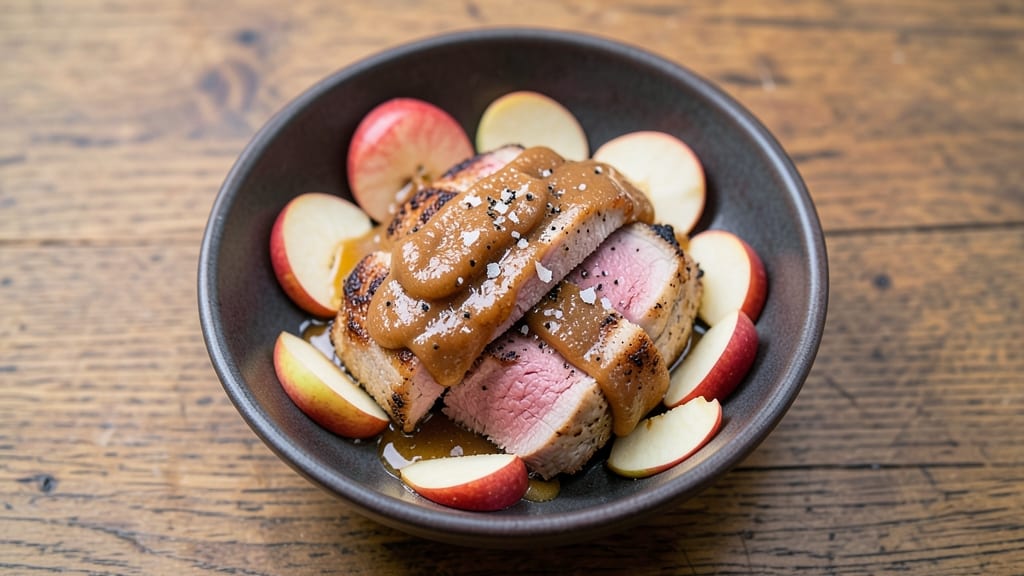
This apple butter pork tenderloin recipe transforms a simple weeknight dinner into a showstopper with just a few key techniques. The secret lies in balancing sweet and savory—where thick, spiced apple butter caramelizes into a glossy glaze that clings to every bite of tender pork.
I perfected this method after years of testing glazes at The Smoky Pig, where we process thousands of pounds of pork weekly, and it’s now my go-to for restaurant-quality results at home.
The process starts with a simple brine to ensure tender, juicy pork, followed by a quick sear to lock in flavors. While the pork rests, we reduce homemade or store-bought apple butter with a touch of vinegar and spices into a rich, sticky glaze—no complicated reductions or last-minute shopping.
This approach keeps the method accessible while delivering professional-level depth.
What you’ll end up with is pork so tender it practically melts in your mouth, coated in a glossy glaze that’s sweet, tangy, and just spicy enough to cut through the richness. The glaze caramelizes beautifully under the broiler, creating those coveted crackly edges that make every bite irresistible.
Serve it with roasted potatoes or caramelized onions to soak up every last drop of that luscious sauce.
This recipe works equally well for a Sunday family dinner or a weeknight impress-the-guests meal. The beauty of it is in its simplicity—just a few ingredients, minimal prep, and a technique that guarantees success. Let’s get cooking!
Ingredients for apple butter pork tenderloin
Restaurant-quality pork tenderloin starts with these precise ingredients—where technique meets bold flavors.
| Ingredient | Amount | Notes |
|---|---|---|
| Pork Tenderloin 🐖 | 1 ½ lb | Center-cut, trimmed of fat |
| Apple Butter 🍎 | ½ cup | Thick, spiced variety preferred |
| Apple Cider Vinegar 🍏 | 2 tbsp | For tangy depth in glaze |
| Honey 🍯 | 1 tbsp | Wildflower preferred for complexity |
| Cayenne Pepper 🌶️ | ½ tsp | Adjust for heat preference |
| Ground Black Pepper 🌶️ | 1 tsp | Freshly cracked for intensity |
| Kosher Salt 🧂 | 1 ½ tsp | Diamond Crystal preferred |
| Unsalted Butter 🧈 | 2 tbsp | Cold, cubed for searing |
| Olive Oil 🫒 | 2 tbsp | Extra-virgin for high smoke point |
| Garlic Cloves 🧄 | 2 cloves | Minced for glaze infusion |
| Fresh Rosemary 🌿 | ½ tsp | Finely chopped, fresh preferred |
| Water 💧 | ½ cup | For brining solution |
The pork tenderloin is non-negotiable here—center-cut, trimmed of silver skin for even cooking. Source from a trusted butcher like Whole Foods or Costco where they process daily for freshness. Look for bright pink, firm texture—avoid any with grayish hues or excessive marbling. For a restaurant-quality finish, I recommend brining the pork for 1 hour using the water and kosher salt; this ensures tender, juicy meat that holds up to the caramelized glaze. The apple butter should be thick and spiced—Mott's or Smucker's work well, but homemade is ideal if you have time to simmer apples with cinnamon and cloves.
No thick apple butter? Puree cooked apples with a touch of maple syrup for a similar texture. Short on honey? Agave nectar works at a 1:1 ratio, though honey adds subtle floral notes. The cayenne can be swapped for smoked paprika if you prefer warmth over heat. For the glaze reduction, apple cider vinegar is key—it balances the sweetness and adds complexity. If you're short on time, balsamic vinegar works in a pinch, but it lacks the fruity depth. The rosemary should be fresh if possible; dried works at half the amount, but the aroma is noticeably different. For the sear, butter and olive oil create a rich crust—don't skip the cold cubes of butter for that golden-brown finish.
Brined pork keeps covered in the fridge for up to 24 hours, though I recommend using it within 4 hours for peak tenderness. The glaze components (apple butter, vinegar, honey) can be pre-mixed and stored in an airtight container for 3 days in the fridge. For make-ahead convenience, fully cook and glaze the pork, then reheat in a 350°F oven for 15-20 minutes until warmed through. The caramelized edges are best enjoyed fresh, but the pork itself reheats beautifully. Portion into individual servings for easy leftovers—this dish is always better the second day as flavors meld.
Why You'll Love This Recipe
- Fewer Ingredients, Big Payoff: I swear by this recipe because it’s the kind of dish where you don’t need a pantry full of spices—just apple butter, a splash of vinegar, and a drizzle of honey. That’s it. The pork tenderloin soaks up the sweet-tart glaze like a sponge, and honestly? The cayenne pepper gives it just enough kick to wake up your taste buds without overpowering.
- Sweet Heat Magic: Between us, this combo of apple butter and cayenne is chef’s kiss. The smoky-sweet apple butter caramelizes into a sticky glaze, while the vinegar brightens it up. The honey ties it all together, and that little pinch of cayenne? It lingers just enough to make every bite feel special—not too spicy, just right.
- Weeknight to Dinner Party: This recipe works whether I’m throwing together dinner in 20 minutes or impressing guests. The glaze is rich enough for a holiday table but simple enough for a Tuesday. I’ll be real: my husband even asked for seconds when I served it cold the next day—no shame in leftovers here.
- Leftovers That Don’t Suck: Most pork dishes dry out after reheating, but not this one. The apple butter keeps it juicy, and the glaze reheats beautifully. I’ll often roast two tenderloins at once—one for dinner, one for sandwiches the next day. Budget-friendly? Absolutely. Time-saving? Even more so.
Step-by-step instructions for apple butter pork tenderloin
Master this sweet-savory technique for perfectly tender pork with a caramelized glaze.
Prepare the Brine for Maximum Tenderness
In a medium bowl, combine the 0.5 cup water, 1.5 tsp kosher salt, 1 tsp ground black pepper, and 0.5 tsp cayenne pepper. Stir until the salt and spices dissolve completely. This brine solution will infuse the pork tenderloin with flavor while ensuring it stays impossibly tender throughout the cooking process.
Place the 1.5 lb pork tenderloin in a resealable plastic bag and pour the brine mixture over it. Seal the bag and gently massage the pork to ensure it's fully coated. Let it marinate in the refrigerator for at least 4 hours, or preferably overnight. This step is crucial—it transforms the tenderloin from merely tender to melt-in-your-mouth perfection. The acidity from the brine also helps break down connective tissues, ensuring a juicy result.
Sear the Pork for Deep Flavor
Remove the pork from the brine and pat it dry thoroughly with paper towels—this step cannot be skipped. Moisture on the surface prevents proper browning. Heat a large oven-safe skillet over medium-high heat and add 2 tbsp olive oil and 2 tbsp unsalted butter. Allow the butter to melt and foam slightly before adding the pork.
Sear the pork tenderloin for 4-5 minutes per side, turning once, until it develops a deep golden-brown crust. This sear creates the Maillard reaction that develops rich, complex flavors. Press down gently on the pork during the first minute to prevent it from curling and ensure even contact with the pan. Once browned on all sides, transfer the skillet to a 425°F preheated oven.
Roast Until Internal Temperature Reaches 145°F
Roast the pork tenderloin for 15-20 minutes, or until its internal temperature reaches 145°F when measured with a meat thermometer. The pork should be slightly pink in the center—it will carry over to a perfect medium-rare finish during resting. Avoid opening the oven door during this time to prevent temperature fluctuations that could affect the cooking process.
While the pork roasts, prepare the glaze by combining 0.5 cup apple butter, 2 tbsp apple cider vinegar, 1 tbsp honey, 2 cloves minced garlic, and 0.5 tsp finely chopped fresh rosemary in a small saucepan. Simmer over low heat for 5 minutes, stirring occasionally, until the mixture begins to thicken slightly. This glaze will form a beautiful caramelized crust while adding layers of sweet, tangy, and herbal complexity.
Apply Glaze and Caramelize
Remove the pork from the oven and increase the oven temperature to 450°F. Spoon the apple butter glaze evenly over the pork, coating it completely. Return the pork to the oven and broil for 3-4 minutes, watching closely to prevent burning. The glaze should bubble and darken to a rich amber color, indicating proper caramelization.
For the final touch, broil the pork for an additional 1-2 minutes until the glaze forms a glossy, sticky crust. This step is where the magic happens—the caramelized glaze locks in moisture while adding a perfect balance of sweet and savory flavors. The pork should have a deep, appetizing sheen that signals it's ready to serve.
Rest and Slice for Perfect Texture
Transfer the pork to a cutting board and let it rest for 10 minutes before slicing. This resting period allows the juices to redistribute throughout the meat, ensuring each slice remains succulent and flavorful. The glaze will continue to set slightly during this time, creating an elegant presentation.
Slice the pork tenderloin into ½-inch thick medallions against the grain for the most tender texture. Arrange the slices on a warm platter and drizzle any remaining pan juices and glaze over the top. The result should be a restaurant-quality dish with a perfect balance of tender pork, caramelized glaze, and aromatic herbs. Serve immediately with roasted vegetables or a fresh salad to complement the rich flavors.
Pro Tips For Making Apple Butter Pork Tenderloin
- Trim the Fat First: Pork tenderloin is lean, but if yours has a thin fat cap, slice it off—it’s not needed here. The apple butter and vinegar glaze will stick better to clean meat, and you’ll avoid a greasy mess when searing. (Yes, even if you’re impatient like me, take the 2 minutes to do this.)
- Warm the Apple Butter: Cold apple butter clumps like glue when mixed with honey and vinegar. Microwave it for 10–15 seconds first, then stir it into the other ingredients. I learned this the hard way—lumpy glaze equals uneven coating on the pork.
- Sear in Batches: Crowd the pan, and your pork will steam instead of brown. Use a 12-inch skillet and cook 1–2 tenderloins at a time over medium-high heat for 3–4 minutes per side. The crust forms faster when the pan isn’t overloaded, and that’s where the flavor hides.
- Baste Like a Boss: Don’t just dump the glaze over the pork and walk away. Use a spoon to spread it thinly in the last 5 minutes of cooking, turning the meat often. The vinegar and honey need time to caramelize—rushing this step means a sticky, underflavored mess. (Your future self will thank you.)
Perfect pairings for these flavors
Sweet-Savory Wine Pairings
This dish calls for a wine that mirrors the glaze’s complexity—Riesling from the Mosel Valley is my top pick. Its crisp acidity and honeyed notes complement the apple butter’s sweetness while cutting through the pork’s richness.
Look for a Kabinett or Spätlese with 10-12% ABV—brands like Dr. Loosen or Ernst Loosen deliver the perfect balance. For a red option, a Pinot Noir from Oregon’s Willamette Valley (try Domaine Serene) offers earthy undertones that harmonize with the rosemary in the glaze. 🍷
Craft Beer Complements
A Belgian-style witbier like Hoegaarden or St. Bernardus Wit brings citrusy brightness that refreshes your palate between bites. The apple butter’s spice notes pair beautifully with the beer’s coriander and orange peel flavors.
For a bolder option, try a honey brown ale from Allagash—the caramel malt mirrors the glaze’s sweetness while the hop bitterness balances the richness. Serve both chilled to enhance the contrast. 🍺
Non-Alcoholic Refreshers
For a crisp, alcohol-free option, mix sparkling apple cider with a splash of ginger beer and a squeeze of lemon. The effervescence cleanses your palate between bites, while the ginger adds a subtle kick that echoes the cayenne in the glaze.
For something more robust, try sparkling grape juice (like Martinelli’s) with a pinch of cinnamon—it’s festive and pairs surprisingly well with the dish’s sweet-savory profile. 🍏
Side Dish Synergy
Roasted baby potatoes tossed with rosemary and olive oil soak up the glaze beautifully, turning each bite into a flavorful experience. For a lighter option, sautéed green beans with garlic and a touch of lemon brighten the plate.
I also love serving this with caramelized onions—their deep sweetness enhances the apple butter’s complexity. 🥔
Garnishes That Elevate
Finish each plate with microgreens or thinly sliced scallions for a pop of color and freshness. A sprinkle of toasted pecans adds crunch and complements the glaze’s richness.
For a final touch, drizzle with extra apple butter glaze and a pinch of flaky sea salt—this simple step takes the dish from impressive to showstopping. ✨
Make-Ahead Pairing Tips
If prepping ahead, store the glaze separately in an airtight container for up to 3 days. Reheat it gently in a saucepan before applying to ensure it’s smooth and glossy.
For sides, roast potatoes or caramelize onions in advance—they reheat beautifully in the oven. Pair with store-bought dinner rolls or crusty bread** to serve alongside, ensuring every bite is balanced. 💡
Nutrition facts
Frequently asked questions
Can I use store-bought apple butter instead of making my own?
Store-bought apple butter works perfectly—just choose a thick, spiced variety like Mott's or Smucker's. For extra depth, simmer it with 1 tbsp apple cider vinegar and ½ tsp cinnamon for 3 minutes to enhance the flavors. The key is ensuring it's thick enough to coat the pork without being runny.
How do I prevent the pork from drying out?
Brining is your secret weapon—it keeps the meat juicy. Use the 4-hour brine (or overnight) with kosher salt and spices, then pat the pork very dry before searing. Cook to 145°F internal temp and let it rest for 10 minutes before slicing. Overcooking is the real enemy—pork tenderloin is lean, so avoid high heat for too long.
What's the best way to reheat leftovers?
Slice the pork and store it in an airtight container with any leftover glaze. Reheat in a 350°F oven for 15-20 minutes until warmed through. For extra moisture, add 1 tbsp broth or water to the container. The glaze will soften slightly but still taste delicious. Leftovers keep well for 3 days in the fridge.
Can I grill this recipe instead of roasting?
Yes! Grill the pork over medium-high heat for 4-5 minutes per side until seared, then move to indirect heat. Maintain 350-375°F until it reaches 145°F internal temp (15-20 minutes). Brush with the glaze in the last 5 minutes and finish under a broiler if needed for caramelization. Charcoal grills work best for smoky depth.
Why is my glaze too thin or too thick?
Thin glaze? Simmer it uncovered for 2-3 extra minutes to reduce. Too thick? Add 1 tsp water or apple cider vinegar and stir. The ideal consistency should coat the back of a spoon but still drip slowly. For restaurant-quality results, use ½ cup thick apple butter (not chunky) and simmer until it reaches a syrup-like texture.