
Sauces & Condiments
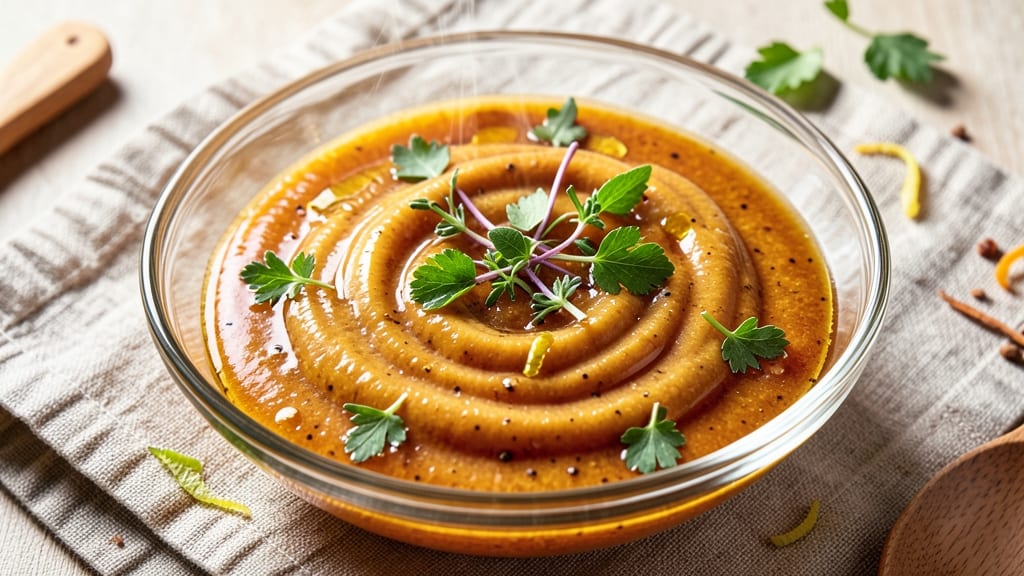
This apple cider vinegar vinaigrette dressing recipe transforms simple ingredients into a bright, tangy sauce that elevates salads, roasted vegetables, and grilled meats with minimal effort.
The balance of sharp apple cider vinegar, rich olive oil, and a touch of sweetness creates a dressing that’s versatile enough for any meal while keeping prep under 5 minutes.
I’ve perfected this recipe to deliver that signature tangy crunch without overpowering your dish—just the right amount of acidity to cut through rich flavors.
The secret lies in the ratio: 3 parts oil to 1 part vinegar, with Dijon mustard binding everything together for a silky texture. A hint of honey or maple syrup balances the acidity, while fresh herbs like thyme or parsley add depth.
This dressing stays fresh in the fridge for up to a week, making it a go-to for meal prep. Whether you’re dressing a crisp green salad or drizzling it over roasted Brussels sprouts, this vinaigrette brings a restaurant-quality finish to home-cooked meals.
What makes this recipe stand out is its adaptability. Start with the classic version, then tweak it to suit your taste—add a pinch of smoked paprika for warmth, a dash of hot sauce for spice, or even a splash of citrus for extra brightness.
The key is adjusting the sweetness and acidity to your preference while maintaining that signature tang. Once you master this base, you’ll never reach for store-bought dressings again.
Ready to elevate your dishes? This vinaigrette is the perfect blend of simplicity and sophistication, proving that the best flavors often come from the most straightforward techniques. Let’s get started—your next salad (or roasted veggie) will thank you.
Ingredients for apple cider vinegar vinaigrette dressing
Eight simple ingredients for a dressing that brings restaurant-quality tang to any dish.
| Ingredient | Amount | Notes |
|---|---|---|
| Apple Cider Vinegar 🍎 | ¼ cup | Raw, unfiltered preferred |
| Extra-Virgin Olive Oil 🫒 | ¾ cup | Light fruity variety |
| Dijon Mustard 🌿 | 1 tbsp | High-quality for binding |
| Pure Maple Syrup 🍁 | 1 tbsp | Grade A for best flavor |
| Fresh Thyme Leaves 🌿 | 1 tbsp | Finely chopped or whole |
| Fresh Parsley Leaves 🌿 | 1 tbsp | Chopped for freshness |
| Salt 🧂 | ½ tsp | Kosher or sea salt |
| Black Pepper 🌶️ | ¼ tsp | Freshly ground preferred |
| Smoked Paprika 🌶️ | ¼ tsp | Optional for warmth |
The apple cider vinegar is non-negotiable here—Bragg or Texas Pete are my go-tos, but any raw, unfiltered kind works. The olive oil should be light fruity (none of that bitter extra-virgin if you're sensitive to strong flavors). I grab mine from Trader Joe's or Whole Foods bulk section. Fresh herbs make all the difference, so if you're using dried, cut the amount in half. The Dijon mustard? Maille is the gold standard, but any good-quality one will do. For the maple syrup, Grade A is key—it's sweeter and more flavorful than the darker grades.
No maple syrup? Honey works in a pinch, but it has a different flavor profile. Short on thyme? Fresh tarragon or basil adds a nice twist. Want extra tang? Add a splash more vinegar. Need more sweetness? Date syrup or agave are great swaps. The smoked paprika is optional but adds that subtle warmth that takes it to the next level. If you're making this for a crowd, double the batch—it keeps beautifully and you'll want seconds. Store-bought dressings? Forget it. This is the real deal.
This dressing stays fresh for up to a week in the fridge, sealed tightly in a jar. I like to keep it in a glass container with a lid to preserve the flavors. The herbs will wilt after a few days, but the dressing itself stays vibrant. For extra shelf life, add a thin layer of olive oil on top before sealing. If it thickens, just whisk in a splash of water or vinegar. Perfect for salads, roasted veggies, or even drizzling over grilled chicken—trust me, you'll be making this all the time.
Why You'll Love This Recipe
- Five-Ingredient Magic: I swear by this combo—no fancy techniques, just a jar, a whisk, and five pantry staples. The Dijon mustard emulsifies the olive oil and apple cider vinegar like a dream, while the maple syrup rounds out the sharpness without overpowering.
- Tangy-Sweet Balance: That first bite of crisp greens with this dressing? It’s like autumn in a jar. The apple cider vinegar cuts through richness, the maple syrup adds a caramel note, and thyme? It’s the cozy finishing touch that makes it feel like a hug.
- Weeknight Workhorse: I keep a batch in the fridge for salads, roasted veggies, or even drizzled over grilled chicken. Honestly, it’s my go-to when I’m too tired to think—just shake, pour, and eat. Works for picnics, office lunches, or a lazy Sunday spread.
- No-Waste Pantry Use: Between us, this recipe turns cheap staples into something special. That bottle of apple cider vinegar you’ve had for months? The olive oil you’re low on? They all get a second life here. Plus, it keeps for weeks, so you’re not scrambling to make new dressing every time.
Step-by-step instructions for apple cider vinegar vinaigrette dressing
This dressing comes together faster than you can say "tangy perfection."
Whisk Together the Vinegar and Mustard
In a medium bowl, combine the 0.25 cup apple cider vinegar and 1 tbsp Dijon mustard. Use a fork or small whisk to mix until the mustard is completely dissolved and the mixture is smooth. This step is crucial—it creates an emulsifying base that helps the oil and vinegar blend properly later. You'll notice the mixture will have a slightly thick, paste-like consistency, which is exactly what we want.
Here's the thing—if you skip this step or don't mix thoroughly, your dressing might separate later. I always give it a good 30-second whisk to make sure there are no mustard clumps hiding. This is your foundation, so take your time here.
Gradually Add the Olive Oil
With the whisk still in the bowl, begin adding the 0.75 cup extra-virgin olive oil very slowly—about 1 tablespoon at a time. After each addition, whisk vigorously for 10-15 seconds until the oil is fully incorporated. This gradual approach prevents the dressing from breaking and ensures a smooth, creamy texture.
You'll see the mixture transform from a thick paste to a lighter, more fluid consistency. If you add the oil too quickly, you'll end up with a separated dressing. I know it seems tedious, but trust me—this patience pays off with a perfectly emulsified dressing that won't separate in your salad bowl.
Incorporate the Sweet and Herbal Elements
Add the 1 tbsp pure maple syrup, 1 tbsp fresh thyme leaves, 1 tbsp fresh parsley leaves, 0.5 tsp salt, 0.25 tsp black pepper, and 0.25 tsp smoked paprika to the bowl. Whisk everything together until the maple syrup is fully dissolved and all the herbs are evenly distributed. The dressing should now have a vibrant green hue from the parsley and thyme.
Taste the dressing at this point to check the balance. You want a harmonious blend of tangy, sweet, and herbal notes. If it needs more acidity, add a splash of the apple cider vinegar. If it's too sharp, a tiny bit more maple syrup will help. This is where you fine-tune the flavor to your liking.
Final Whisk and Taste Adjustment
Give the dressing one final whisk to ensure everything is well combined. The texture should be smooth and silky, with no visible separation. If you notice any signs of separation, simply whisk vigorously for another 30 seconds—this usually brings it back together. The dressing should keep well in the refrigerator for up to 1 week, so it's perfect for prepping ahead.
Before serving, give it one last taste. The ideal dressing should have bright acidity from the apple cider vinegar, a touch of sweetness from the maple syrup, and a rich, herby depth from the thyme and parsley. The smoked paprika adds a subtle warmth that ties everything together. This dressing is incredibly versatile—perfect for salads, roasted vegetables, or even as a marinade for grilled meats.
Pro Tips For Making Apple Cider Vinegar Vinaigrette Dressing
- Whisk in stages: Start with just the vinegar, mustard, and maple syrup—don’t drown the mustard in oil right away. I learned this after one batch turned into a greasy sludge because I dumped everything in at once. Let the mustard emulsify first, then slowly drizzle in the olive oil while whisking like you’re trying to win a bet.
- Use room-temperature oil: Cold olive oil from the fridge will fight you—it thickens the dressing and makes it separate faster. Let that bottle sit out for 20 minutes before measuring, and your dressing will stay silky instead of turning into a sad, split salad sauce. (Yes, even if you’re impatient like me.)
- Strain the thyme: Fresh thyme leaves are great, but stems? They turn your dressing into a mouthful of tiny needles. Pinch the stems between your fingers and pull them out like you’re plucking guitar strings—no need for tweezers, just a little elbow grease. Trust me, your salad will thank you.
- Balance the sweetness first: Maple syrup is the sneaky ingredient that can turn your dressing into dessert if you’re not careful. Taste the vinegar-mustard mix before adding oil—if it’s too sharp, a pinch of salt or a drizzle of syrup now saves you from overcorrecting later. I used to dump syrup in blindly and end up with something that tasted like fall in a bottle.
Common mistakes when making this dish
Skipping the Mustard
I see this all the time—people think Dijon mustard is optional, but it’s the secret to a stable vinaigrette. The mustard acts as an emulsifier, helping the oil and vinegar bind together instead of separating. If you leave it out, your dressing will likely split into two layers within minutes.
For a quick fix, use 1 tsp of honey or ½ tsp of xanthan gum as substitutes, but Dijon is still best. 🌿
Adding Oil Too Fast
Pouring the olive oil all at once is a surefire way to end up with a broken dressing. The key is adding it 1 tablespoon at a time while whisking continuously. This gradual incorporation gives the mustard time to properly emulsify each addition.
If you rush, the oil will float on top, and you’ll have to start over. Patience here makes all the difference!
Using Low-Quality Vinegar
Not all apple cider vinegars are created equal. Cheap, filtered vinegars lack the depth and complexity that make this dressing shine. Always opt for raw, unfiltered vinegar like Bragg or Texas Pete. These brands retain the natural "mother" and flavor compounds that give your dressing that authentic tang.
If you’re using a substitute, like balsamic vinegar, reduce it to 2 tbsp and add 1 tbsp extra water to maintain balance.
Over-Sweeting the Dressing
The maple syrup is there to balance the acidity, but too much can make your dressing cloying. Start with 1 tbsp and adjust to taste—you can always add more, but you can’t take it out.
If it’s too sweet, a splash of extra vinegar or a pinch of salt can help rebalance the flavors. I’ve seen people add 2 tbsp of honey by mistake, turning a bright dressing into something syrupy. Taste as you go!
Ignoring the Herbs
Fresh herbs like thyme and parsley aren’t just for flavor—they add texture and visual appeal. If you skip them or use dried herbs without adjusting, your dressing will taste flat. Always chop fresh herbs finely so they distribute evenly.
Pro tip: Add them last and whisk just until combined to preserve their brightness. Dried herbs should be used at ⅓ the amount of fresh, but they won’t give the same vibrant punch. 🌿
Not Tasting Before Serving
This is a cardinal sin! The dressing might look perfect, but the balance of flavors could be off. Always taste before serving and adjust with more vinegar (for acidity), maple syrup (for sweetness), or salt (for depth).
I’ve had people serve dressing that was either too sharp or too bland because they didn’t check. A quick taste ensures you’re getting that perfect harmony of tangy, sweet, and herby notes every time. 💡
Nutrition facts
Frequently asked questions
Can I make this dressing without Dijon mustard?
The Dijon mustard is crucial for emulsifying the oil and vinegar, but you can substitute with 1 tsp honey or ½ tsp xanthan gum if needed. Just whisk everything extra vigorously to prevent separation. Without it, your dressing may separate faster, especially when added to water-based salads.
How long does this dressing last in the fridge?
This apple cider vinaigrette stays fresh for up to 1 week when stored in an airtight glass jar. For longer storage, add a thin layer of olive oil on top before sealing. The herbs will wilt after a few days, but the flavor remains vibrant. If it thickens, simply whisk in a splash of water or vinegar to restore consistency.
Can I adjust the sweetness or spice level?
For more sweetness, add ½ tsp extra maple syrup, and for heat, include ¼ tsp cayenne pepper or 1 tsp hot sauce. Want extra depth? Swap thyme for fresh tarragon or basil. The key is balancing the acidity—always taste as you go and adjust gradually. This dressing is endlessly customizable!
Why did my dressing separate?
Separation usually happens when oil is added too quickly or the mustard wasn't properly emulsified first. Fix it by whisking vigorously for 30 seconds—the mustard will re-bind the oil and vinegar. For prevention, always add oil 1 tbsp at a time while whisking continuously. If it keeps separating, your vinegar-to-oil ratio may need adjustment (try 2:1 oil-to-vinegar).
What's the best way to use this dressing?
This versatile vinaigrette works perfectly on green salads, roasted Brussels sprouts, grilled chicken, or even as a marinade for fish or pork. For extra flavor, let it sit on proteins for 15-30 minutes before cooking. The tangy-sweet balance also makes it great for drizzling over charred vegetables or as a dip for fresh bread.